
Free visual inspection and a written scope of work before any mitigation begins - photos, moisture readings, and drying logs go in your claim file
The scope we write is the scope we bill. Anything new gets shown to you, in writing, before we touch it.
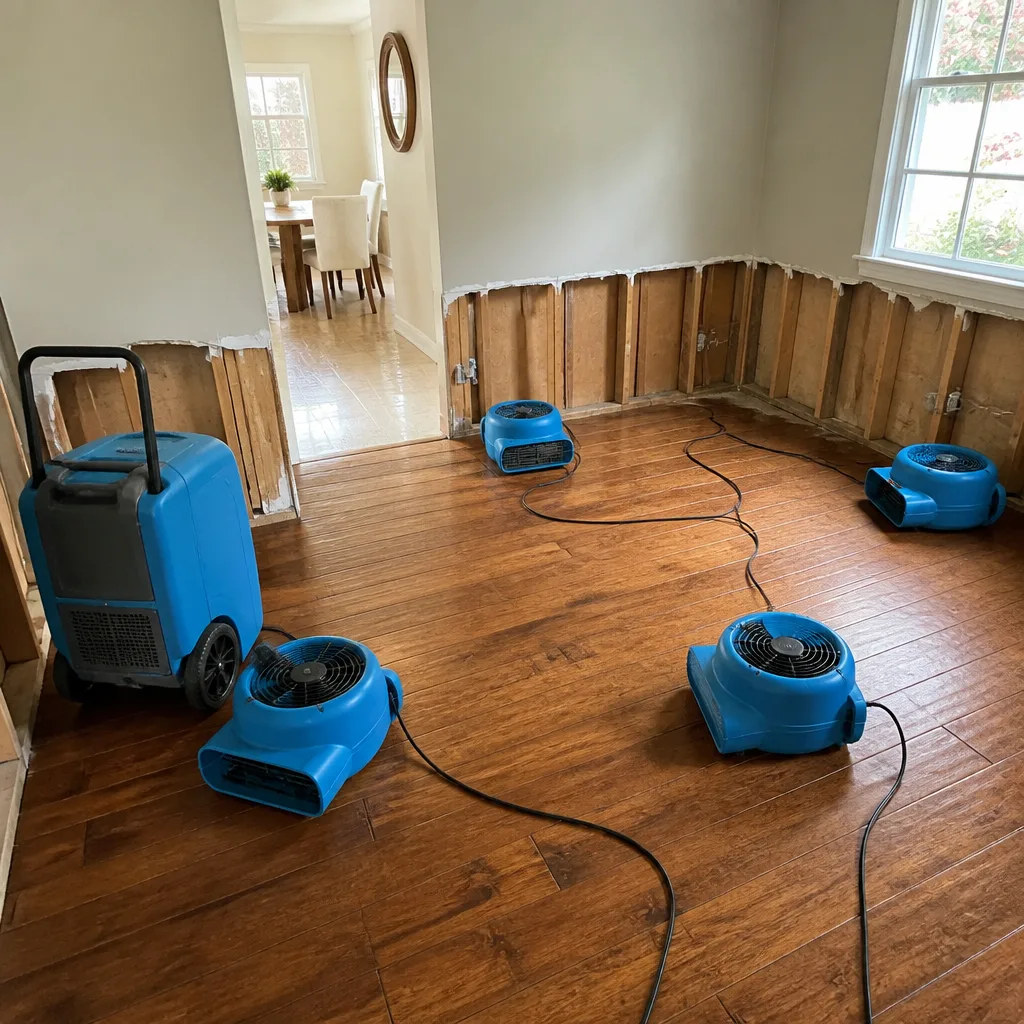
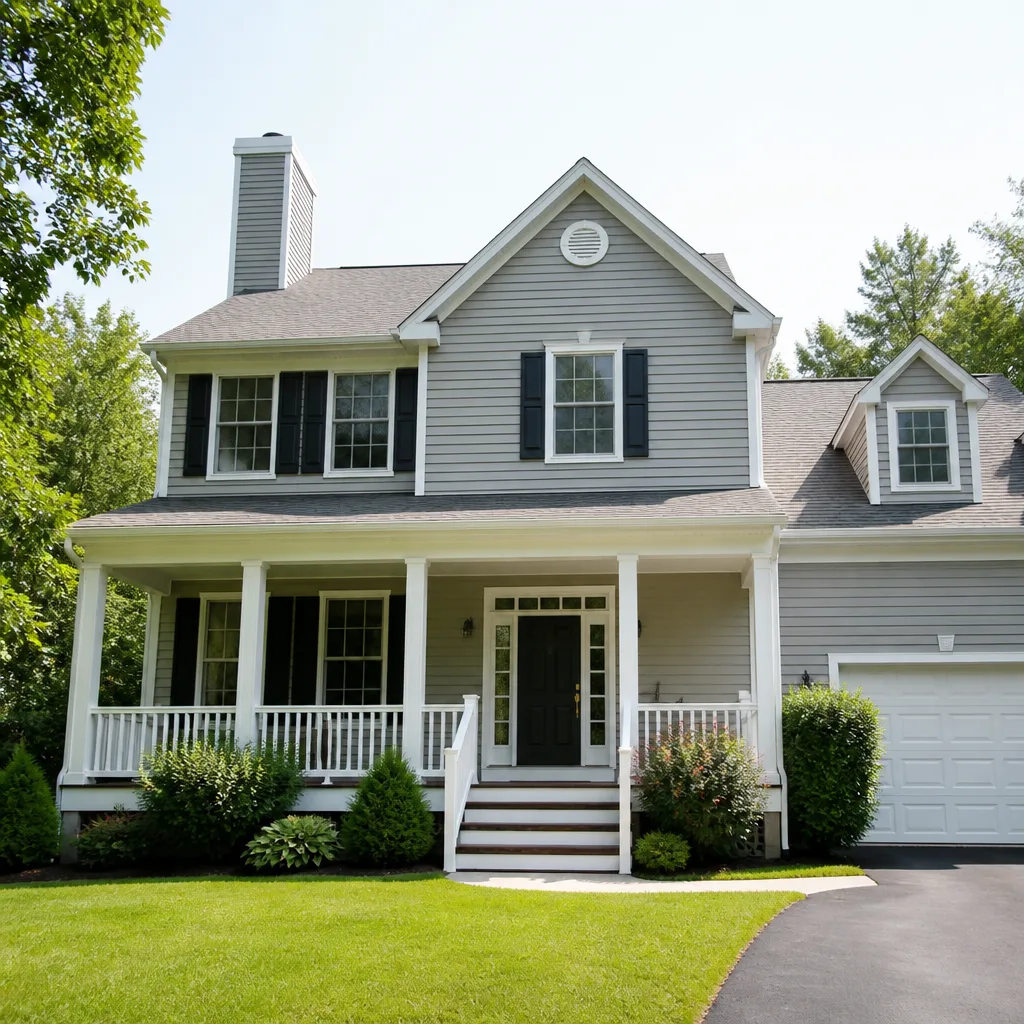
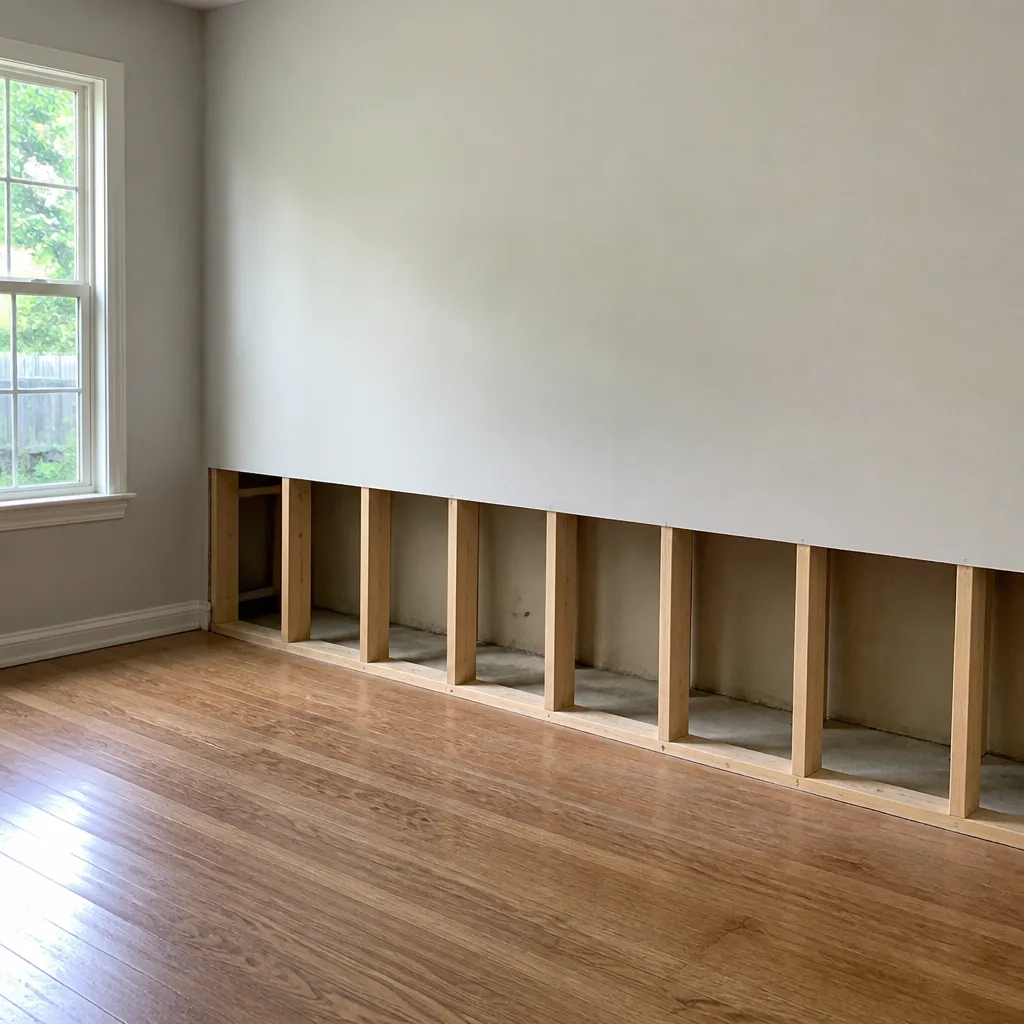
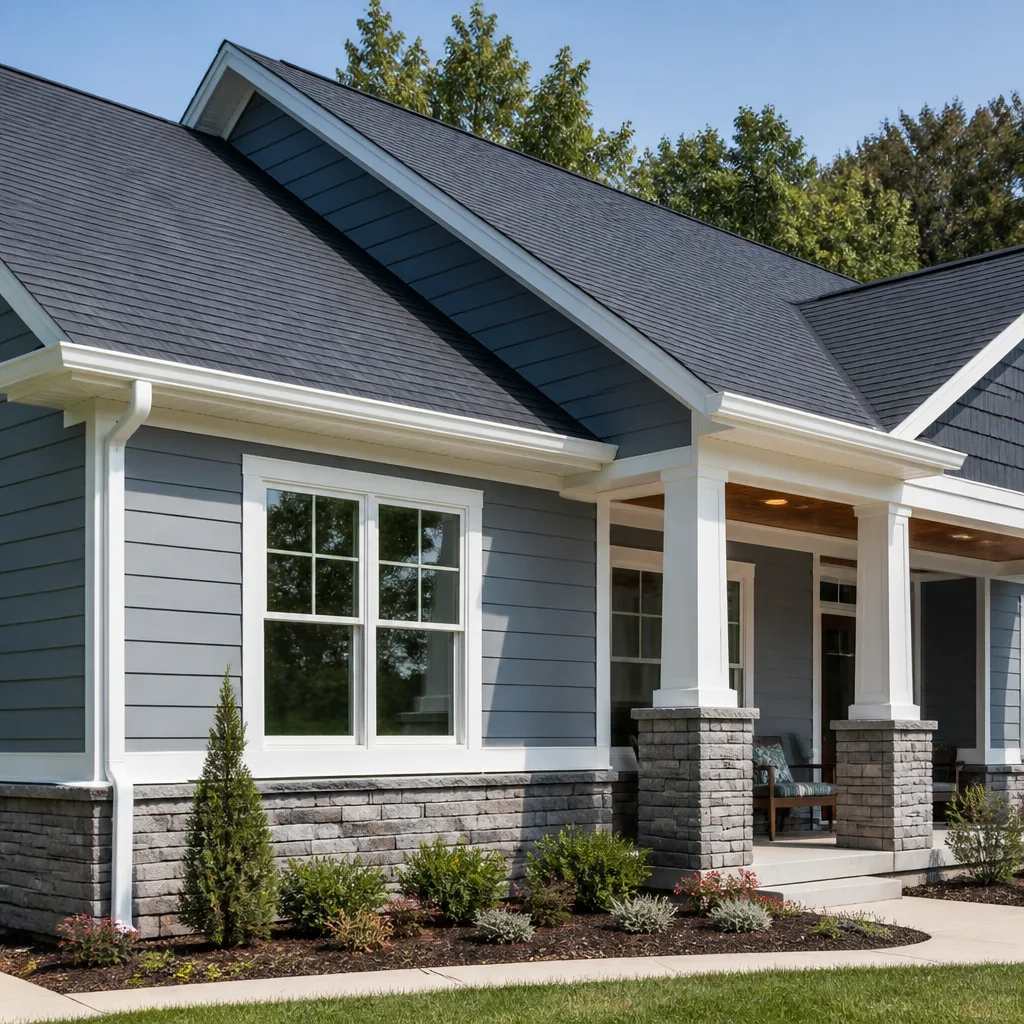
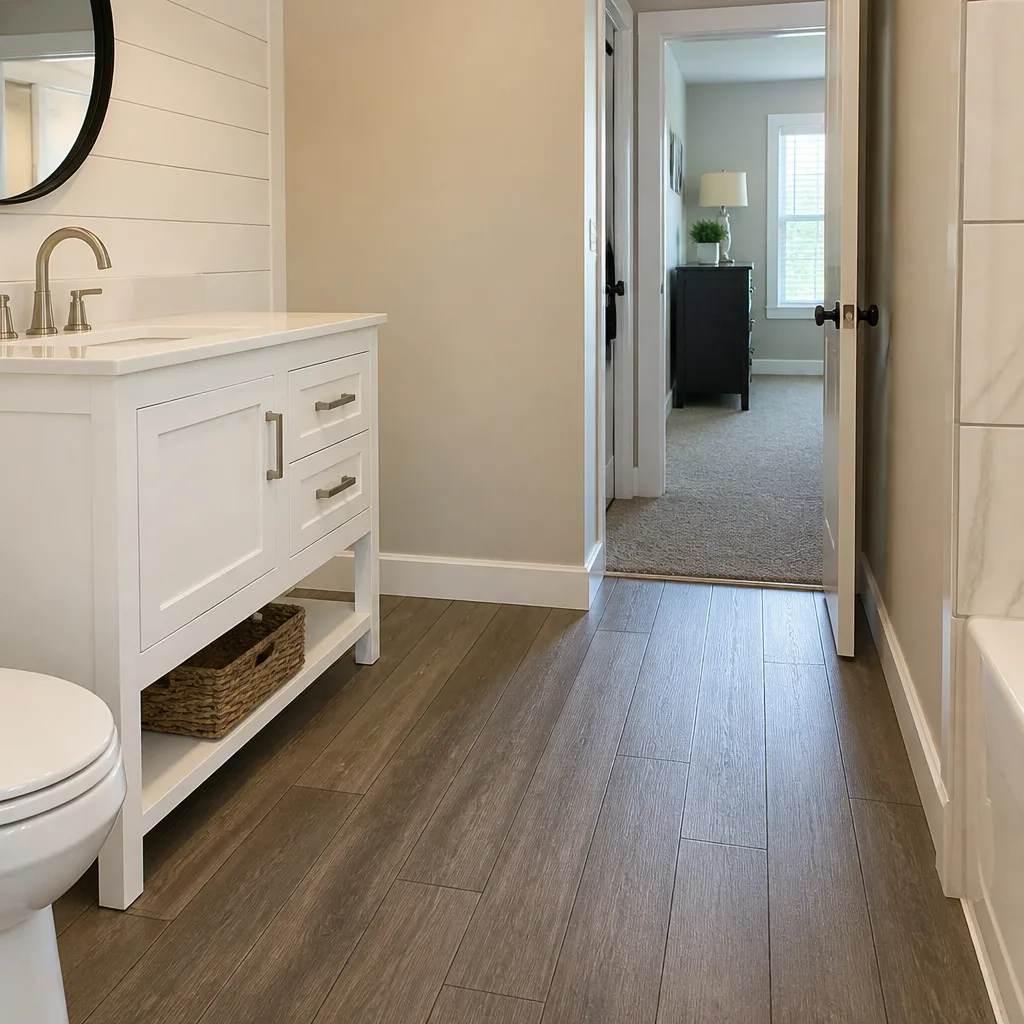
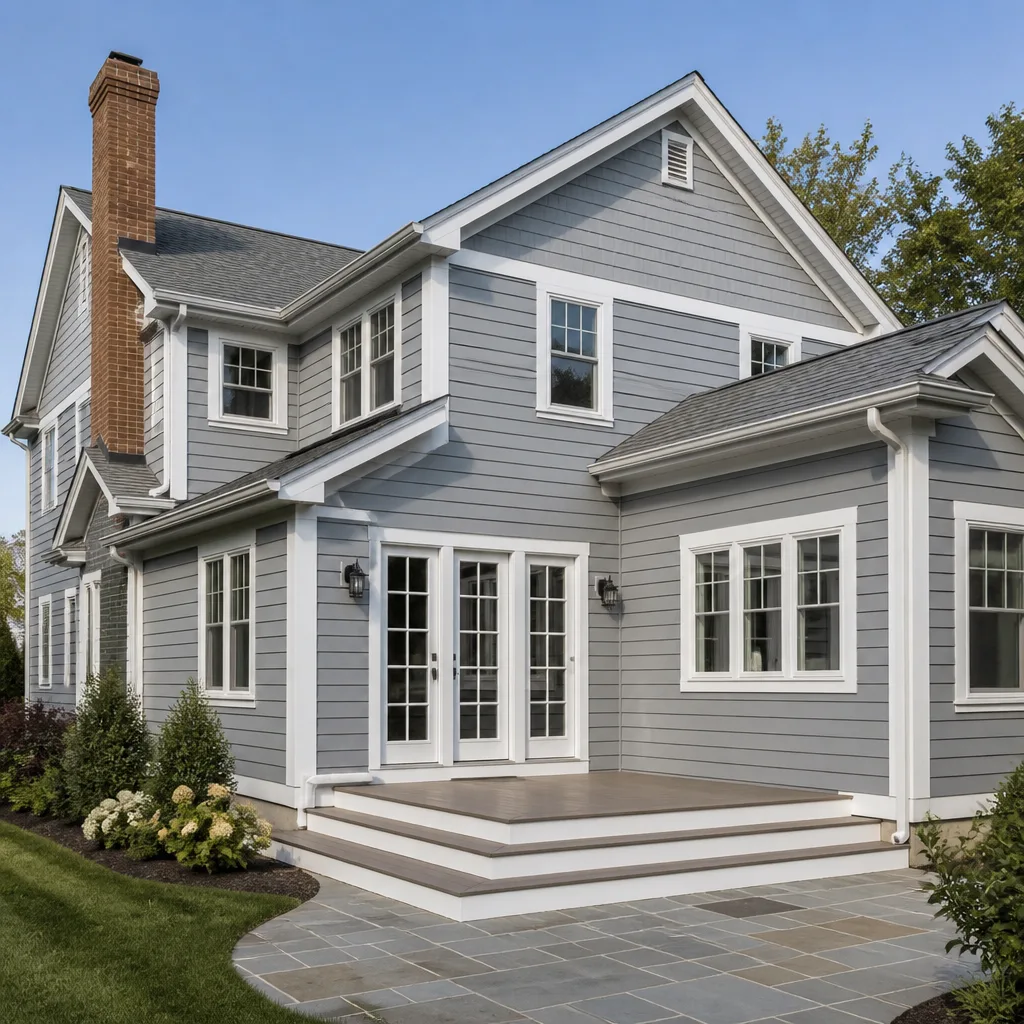
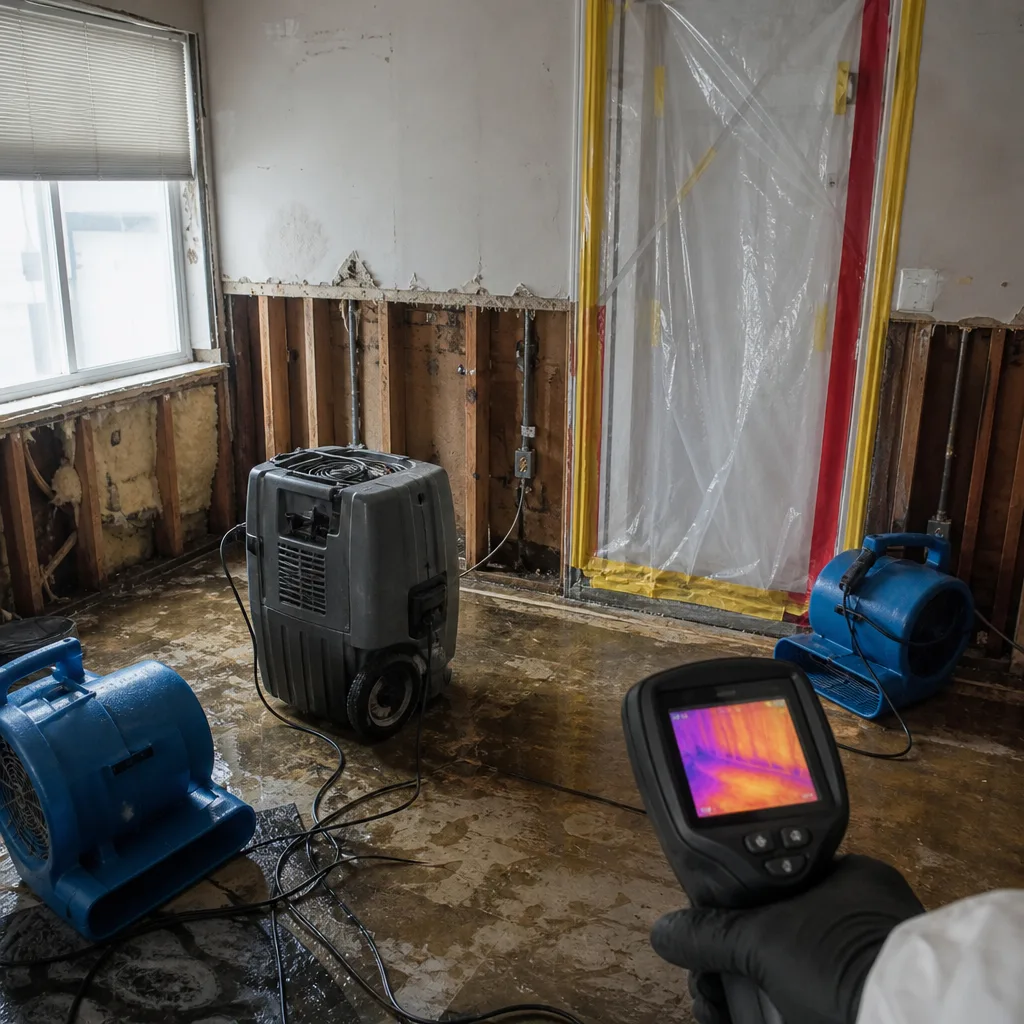 Before
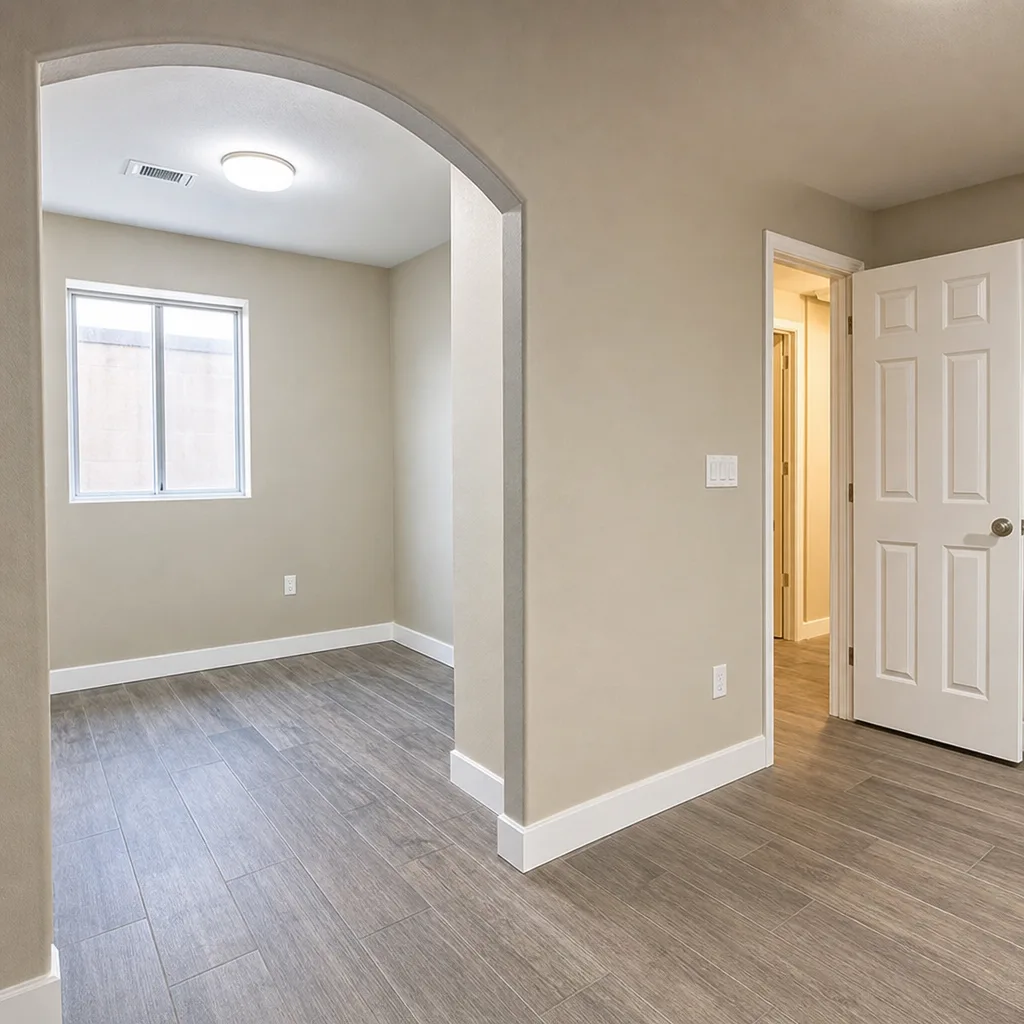 After
After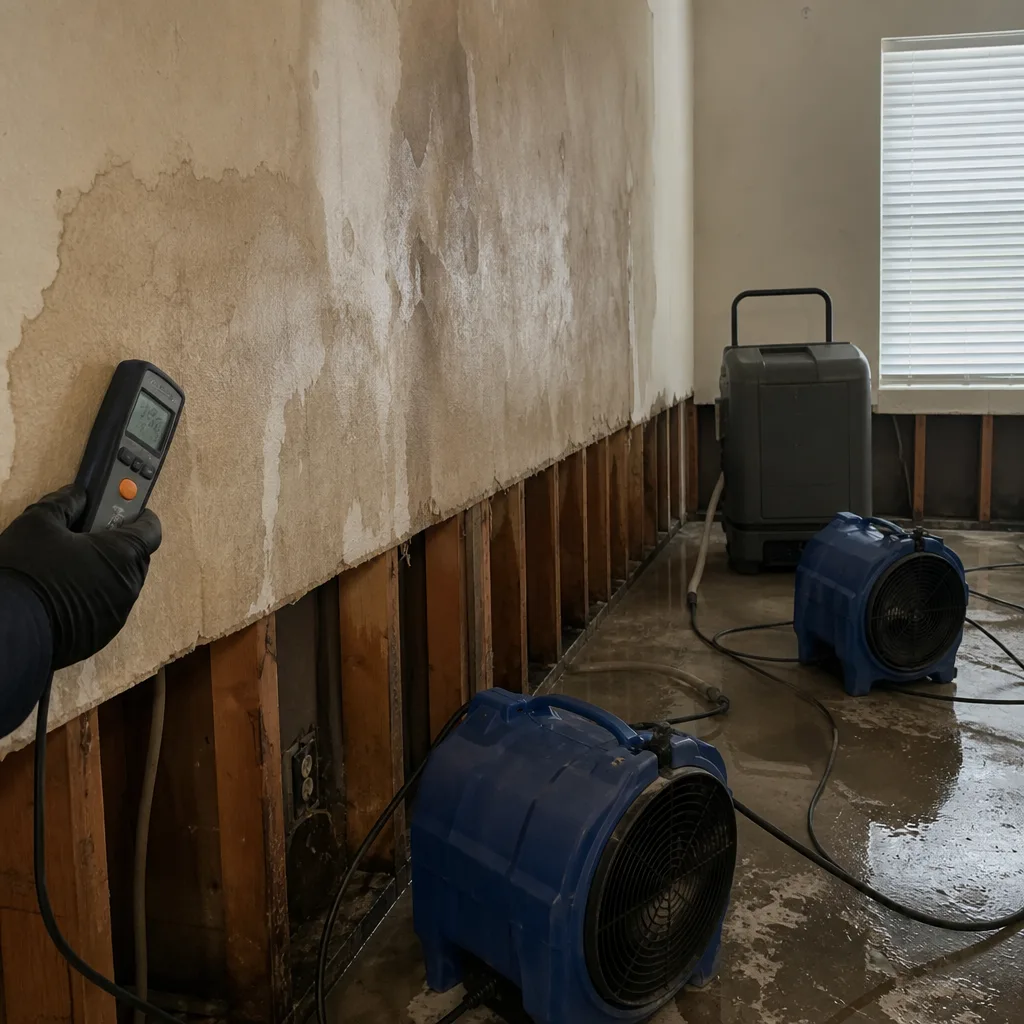 Before
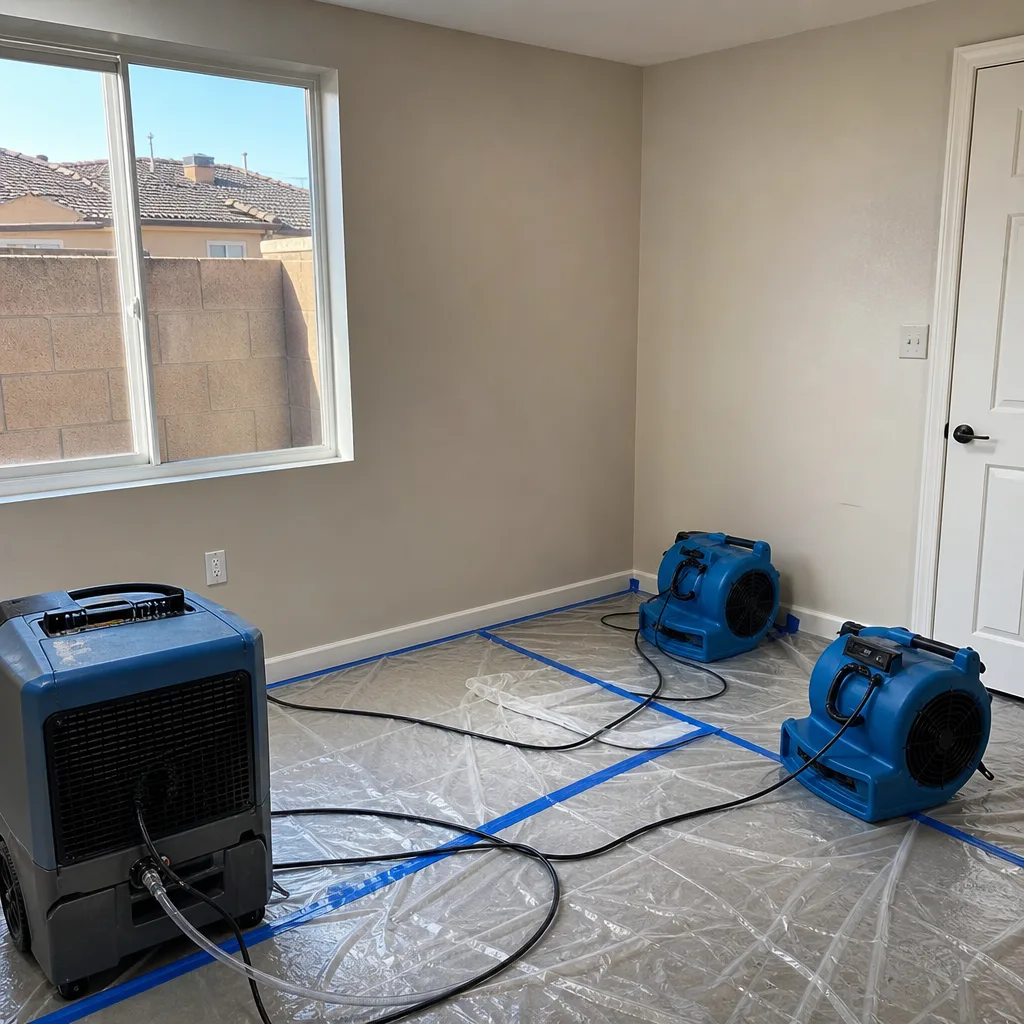 After
After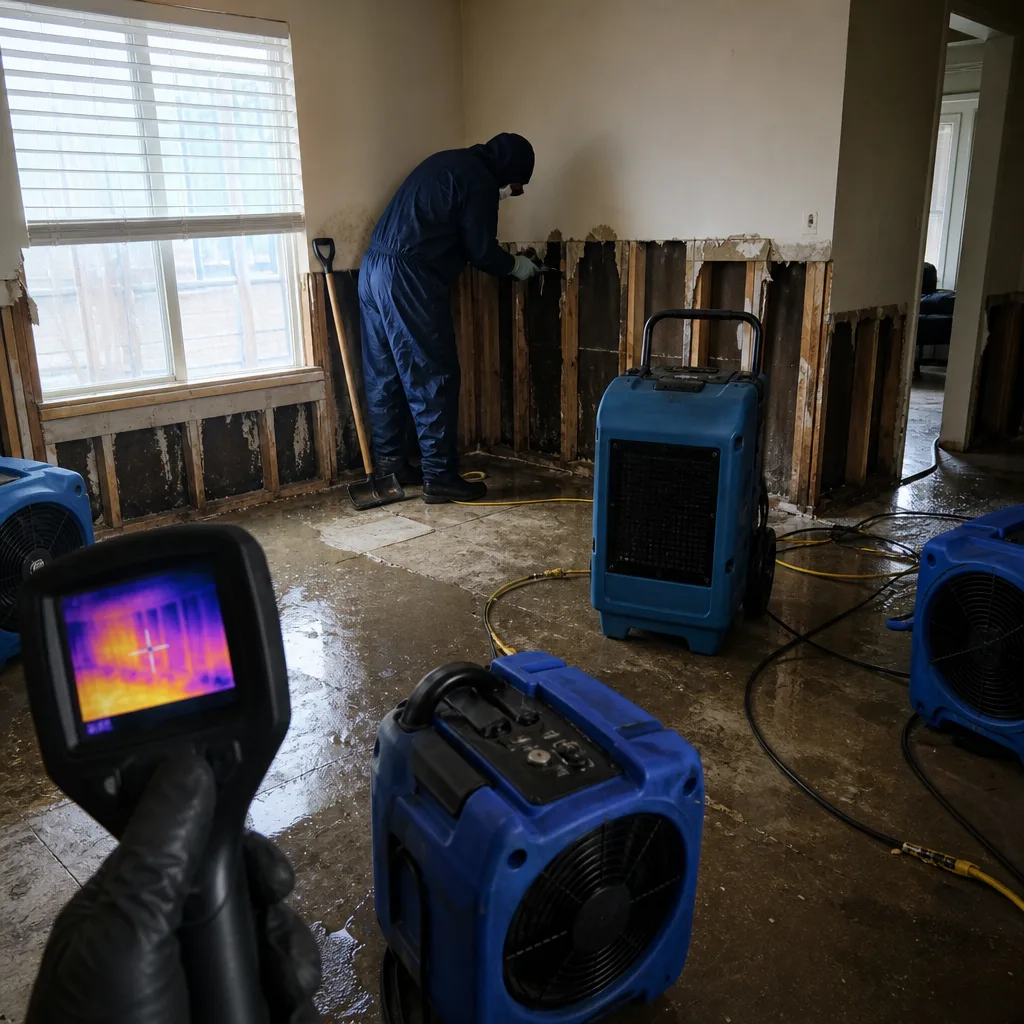 Before
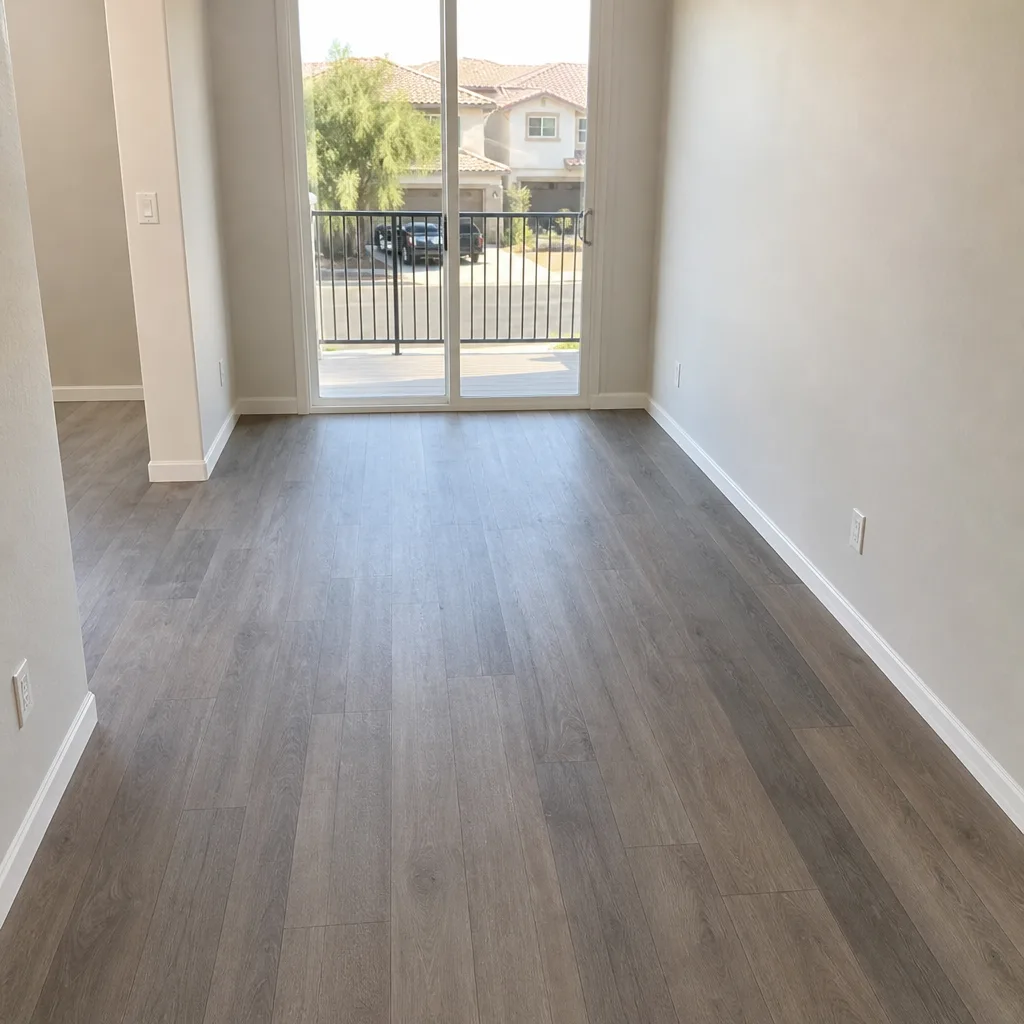 After
After24/7 Emergency Water Damage Restoration in Green Valley
Water damage restoration in Green Valley typically costs $2,800-$7,500 for a standard residential mitigation, with emergency extraction starting at $1,200 and full structural drying running $3,200-$5,800 for a 2,000-square-foot home. Most Green Valley homeowners see crews on-site within 45 minutes of calling (725) 726-3239, and our phones are answered live by a real person 24 hours a day, 7 days a week - no voicemail, no callback queues while water keeps moving through your walls.
The first hour determines whether you’re looking at extraction and drying or full gut-and-rebuild. In Green Valley’s master-planned subdivisions, water that breaches aging tile-roof underlayment during a July monsoon cell can travel laterally behind stucco for days before showing an interior stain. By then, category 1 clean water has often become category 2 gray water, and the HOA-mandated approval window for your scope of work adds another 24-72 hours before demolition or drying equipment can be deployed. We dispatch crews from our Las Vegas office with thermal imaging, moisture meters, and air movers already loaded, and we perform a free visual inspection on arrival to document pre-loss condition before any secondary damage develops - the same thorough documentation approach we apply to Fire & Smoke Damage Restoration in Green Valley.
Understanding Water Damage Restoration Severity in Green Valley Properties
Water damage falls into three categories that dictate both safety protocol and restoration cost. Category 1 is clean water from a broken supply line or overflowing sink - in Green Valley, this is most common from second-floor laundry room failures in 1990s-phase two-story homes, where PEX or copper supply lines fatigue inside walls. Category 2, gray water, carries chemical or biological contaminants from dishwasher discharge, washing machine overflow, or rainwater that has contacted roofing underlayment, stucco, or soil - this is the typical monsoon intrusion we see when degraded tile-roof underlayment lets July-September storm water behind Green Valley’s stucco cladding. Category 3, black water, contains pathogenic agents from sewage backup, ground flooding, or standing water that has incubated beyond 48 hours - the risk category that awaits homeowners whose HOA board approval stalls drying past the critical window.
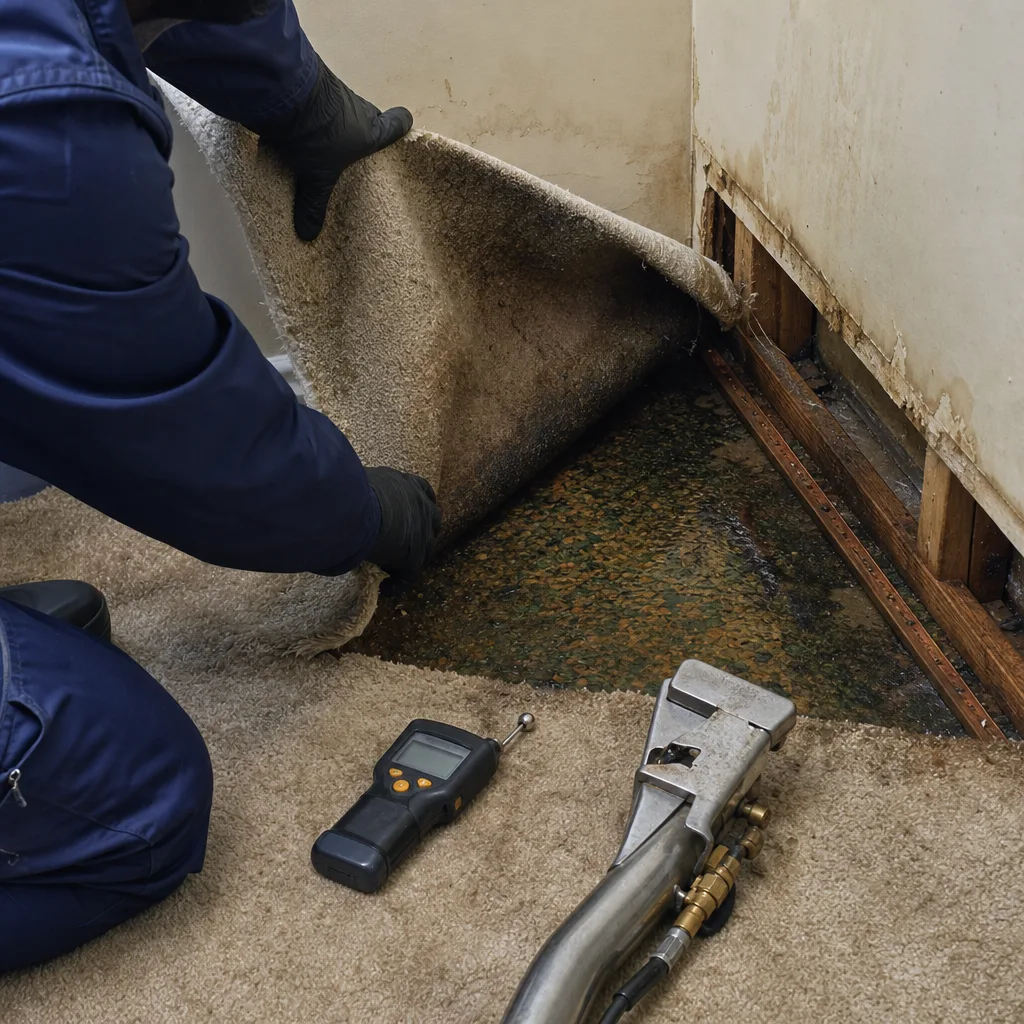
Moisture mapping with thermal imaging and pinless moisture meters lets us trace water migration paths that Green Valley’s stucco-and-wood-frame construction hides exceptionally well. Psychrometric data - temperature, relative humidity, and vapor pressure differential - tells us how aggressively to deploy dehumidification and whether we need to establish a negative air pressure environment with HEPA-scrubbed air filtration. Structural drying in Green Valley’s desert climate presents a paradox: the low ambient humidity accelerates surface evaporation but can mask subsurface saturation, especially behind stucco where the air conditioning creates a condensation differential that wicks moisture deeper into wall cavities.
Why Green Valley Property Owners Choose DryMark Restoration North Las Vegas
- 45-minute response commitment to Green Valley addresses, with crews staged from our Las Vegas office for immediate dispatch.
- 24/7 live answer - a real person, never an automated system or voicemail tree, picks up every emergency line within three rings.
- IICRC-certified crews hold WRT (Water Damage Restoration Technician) and ASD (Applied Structural Drying) certifications, with AMRT (Applied Microbial Remediation Technician) on-call for category 2-3 escalations.
- Free visual inspection with documented moisture readings and thermal imaging, delivered before any scope or pricing discussion.
- Direct insurance billing with adjuster coordination from first contact, including photo-documented estimates in Xactimate format.
- One team from extraction to reconstruction - no handoffs between mitigation and rebuild contractors, and no gaps in documentation.
 Before
 After
AfterOur Water Damage Restoration Process
1. Inspection & Assessment
We arrive with FLIR thermal cameras, Tramex moisture meters, and hygrometers to map the full extent of water migration - not just what’s visible. In Green Valley’s stucco-clad homes, we pay particular attention to wall cavities behind tile roofs and second-floor plumbing chases where low humidity masks active leaks.
2. Extraction & Stabilization
Standing water comes out first with truck-mounted extraction systems and weighted water claws for carpeted areas. For hard surfaces, we use squeegee wands and portable flood pumper units. If your HOA requires board approval before demolition, we stabilize the environment with dehumidification and air circulation to arrest category escalation during the wait.
3. Drying & Dehumidification
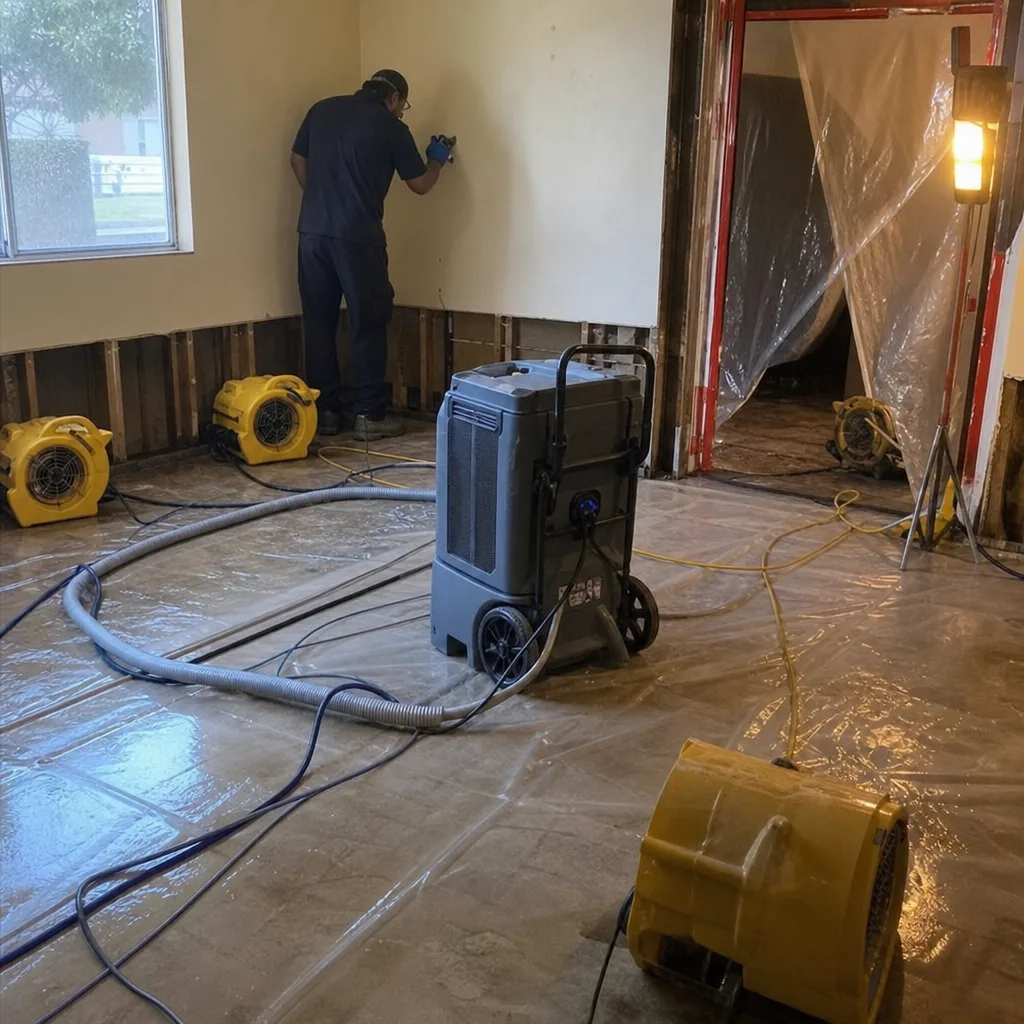
We deploy Dri-Eaz and Phoenix LGR dehumidifiers alongside Injectidry cavity drying systems and B-Air axial air movers to establish controlled drying zones. Daily moisture logs track specific humidity, grains per pound, and vapor pressure differential until materials return to dry standard - the documentation your insurer pays without dispute.
4. Cleaning & Sanitization
Category 2 and 3 water requires antimicrobial treatment of affected surfaces and HEPA air scrubbing to capture airborne particulates. We document all product applications with SDS sheets and application logs for your adjuster and, where required, your HOA property manager.
5. Mold Prevention & Containment
Green Valley’s combination of hidden moisture behind stucco and air-conditioned interiors creates ideal conditions for mold colonization before visible signs appear. We establish containment barriers, run negative air pressure with HEPA filtration, and perform post-drying verification with moisture content readings below 16% on wood and 4% on drywall.
6. Repairs & Restoration
Our reconstruction team replaces drywall, insulation, flooring, and trim to match existing finishes, with a written scope and fixed price before any rebuild work begins. For Green Valley’s phased subdivisions, we source matching stucco textures and tile profiles to maintain HOA aesthetic compliance.
Need Emergency Water Damage Restoration in Green Valley Now?
Crews minutes away, answering live 24 hours a day. The sooner we start, the less it costs.
Working With Your Insurance Company
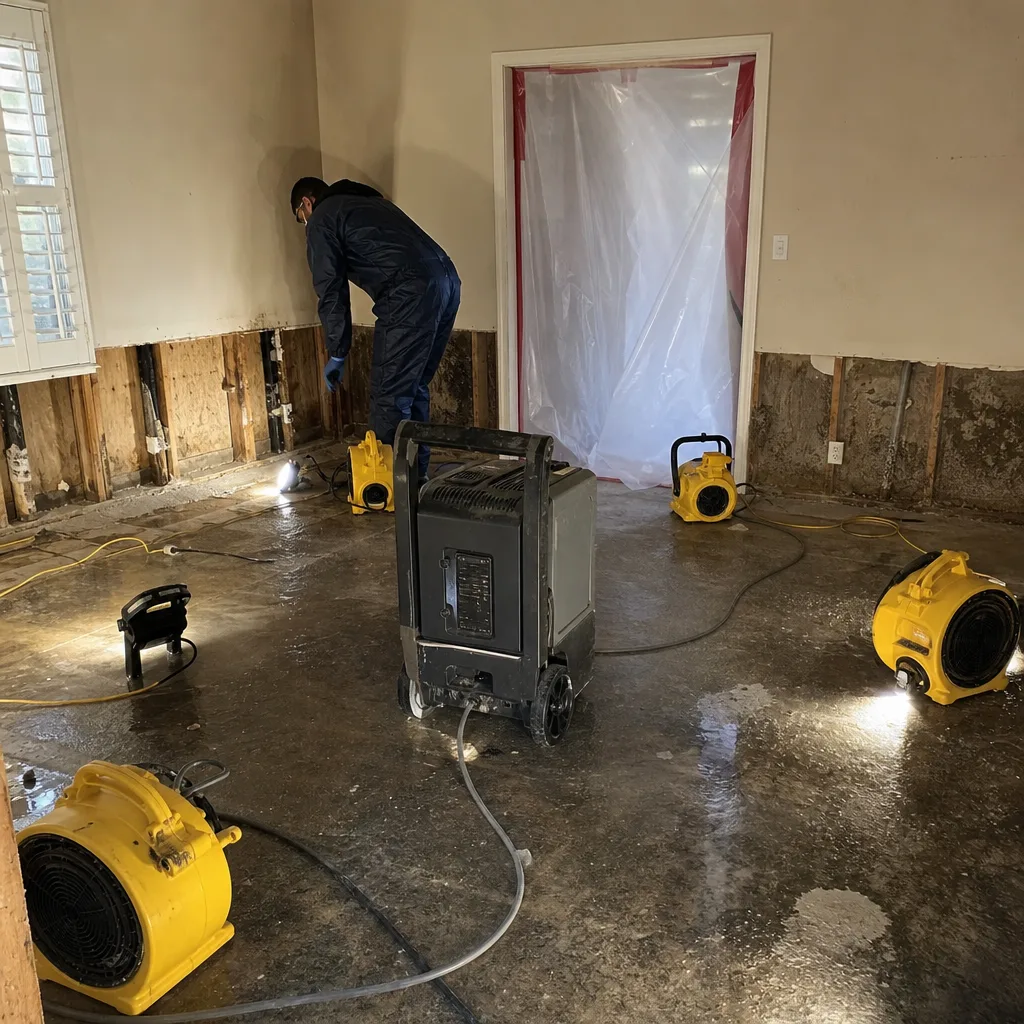
Insurance claims succeed or fail on documentation, and most disputes we see trace back to gaps in the first 72 hours. Our process starts with a photo record on every visit - not as an upsell, but as standard practice. We produce industry-standard estimates in Xactimate, the same platform adjusters use, and we coordinate directly with your carrier’s representative rather than handing you a bill to fight alone.
Green Valley’s HOA-governed communities add a layer: many insurers require proof that secondary damage during the board-approval window was unavoidable, not negligent delay. Our timestamped moisture logs, thermal images, and written damage assessments submitted to your HOA create that proof chain from day one.
What We Provide Your Insurer
- Thorough documentation of the loss
- Photos of all damage, room by room
- Moisture readings and drying logs
- A detailed, line-item scope of work
- Direct coordination with your carrier
Built for Green Valley’s Loss Calendar
January through March brings the coldest nights, and while Green Valley’s hard freezes are brief, they’re sharp enough to split outdoor hose bibs and attic-mounted water heaters in homes whose original 1980s-1990s insulation has settled. April and May see irrigation system startups, with cracked PVC from winter ground shift pressurizing for the first time. June through August is the critical zone: 110°F+ heat bakes roofing underlayment and stucco expansion joints to brittleness, then July-September monsoon cells dump concentrated rainfall on pre-conditioned entry points. September and October bring the highest call volume - homeowners discover the damage that July’s storms seeded behind walls.
Green Valley’s position in the Pittman Wash drainage basin means localized storm surge during these events pushes water into garages and ground-floor slabs on lower-lying eastern streets, even in homes whose roofs held. The Regional Flood Control District’s channel capacity is engineered for desert averages, not monsoon extremes. November through December is quieter for new losses but busy for discovered damage - the temperature drop makes homeowners notice odors and stains that summer’s dry air kept invisible.
Water Damage Restoration Across Green Valley’s Neighborhoods
Green Valley North, the original 1970s-1980s phase, shows the most consistent pattern of simultaneous roof failures across entire HOA blocks - same builder, same tile-roof underlayment batch, same 40-year degradation curve. When monsoon rain penetrates, we often schedule multiple homes on the same cul-de-sac in the same week, each requiring identical documentation packages for the same property manager.
Green Valley South’s 1990s phases added two-story models with upstairs laundry rooms and master baths whose supply lines run through interior walls. The field vignette we return to: our crew got the call after a July monsoon cell rolled over the 1990s two-story homes near Pittman Wash, where a second-floor master bath supply line had been weeping behind the interior wall for days in the low-humidity air that hides odors. We pulled moisture readings in the upstairs bath, mapped saturation down through the wall cavity, and started water extraction on the ground-floor slab where the failure finally showed. Because the subdivision is HOA-governed, we submitted a written damage assessment and Scope of Work for board approval before cutting drywall, keeping our drying logs timestamped through the 48-hour approval window so the homeowner had documented pre-loss condition before any demolition.
Green Valley Ranch, the golf-course-adjacent development, presents a different challenge: higher-end finishes mean longer drying curves for dense materials, and the community’s stricter architectural review board requires material-match samples before any exterior stucco repair. The Paseo Verde corridor, running along the western edge, catches runoff from the developed slope above, and we’ve seen repeated garage slab intrusion in townhome units where the grade was insufficiently compacted during original construction.
Specialized Water Damage Restoration Services We Offer in Green Valley
Emergency Water Extraction
Standing water in Green Valley’s single-story homes with slab-on-grade construction spreads fast across tile and concrete surfaces. Our truck-mounted extraction systems remove bulk water in the first hour, with portable units for townhome garages and second-story bathrooms where access is limited. Typical extraction for a Green Valley home runs $1,200-$2,400 depending on affected square footage and water depth.
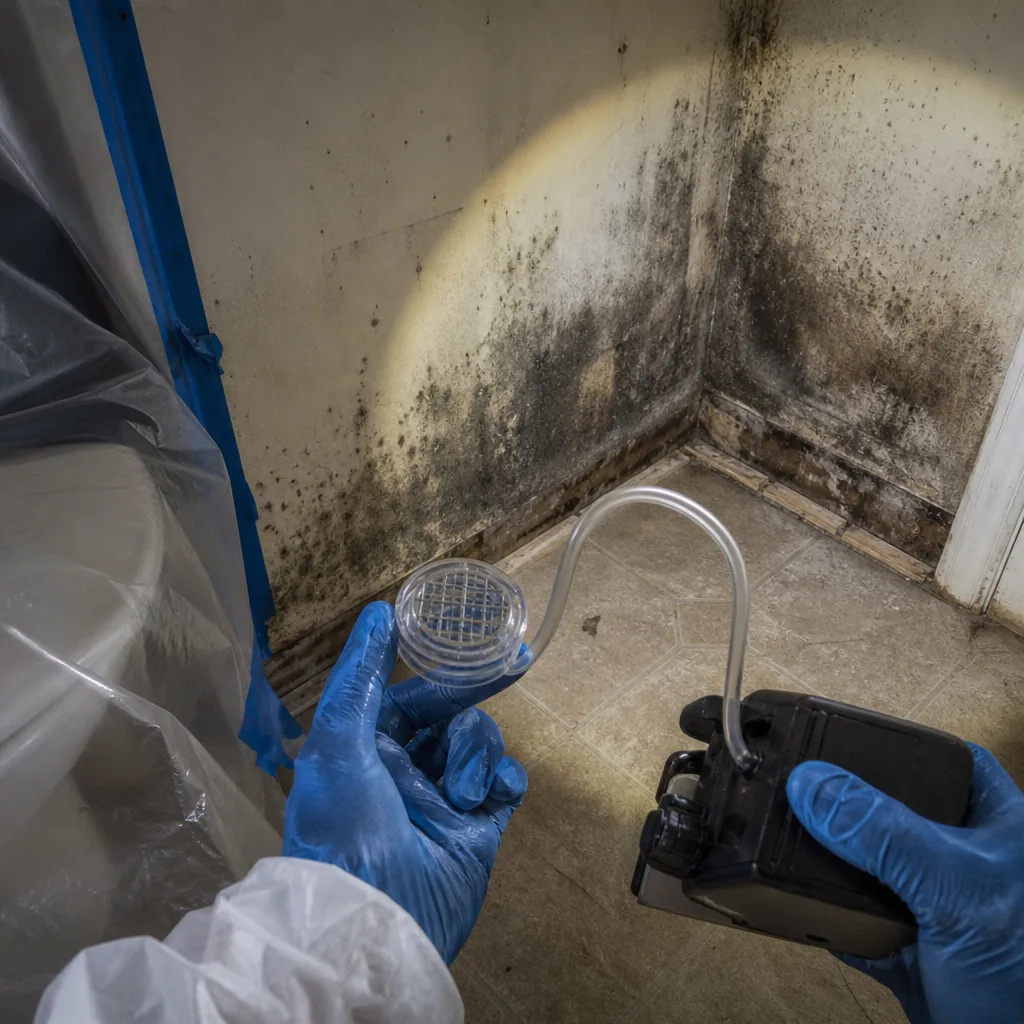
Structural Drying & Dehumidification
This is where Green Valley’s stucco-and-frame construction demands specialized technique. We use Injectidry cavity drying systems to force dry air into wall voids without removing stucco exterior, preserving HOA-mandated finishes while achieving sub-16% moisture content on structural lumber. Full structural drying for a 2,000-square-foot Green Valley home typically ranges $3,200-$5,800, with daily moisture logs provided to your insurer.
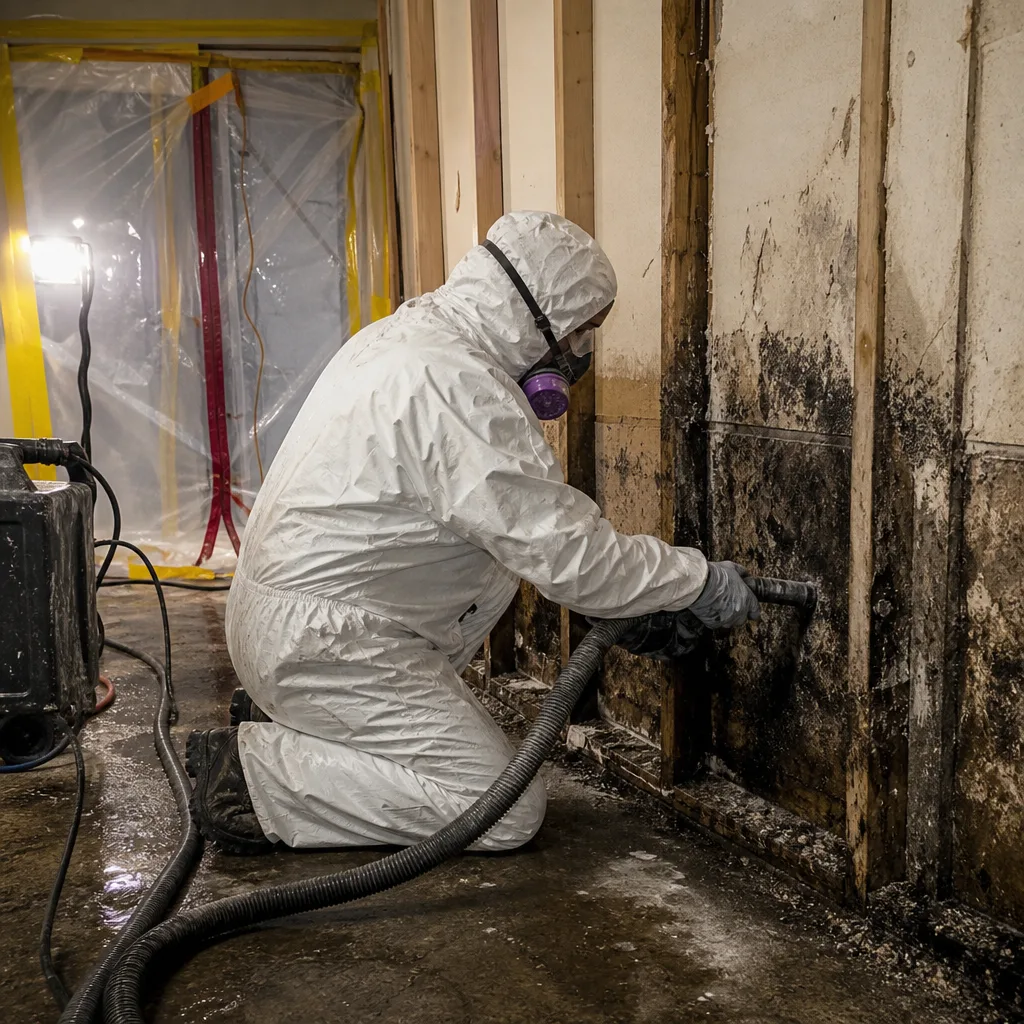
Flood Cleanup
Green Valley’s position in the Pittman Wash basin means garage and ground-floor flooding from storm surge, not just roof leaks. Flood cleanup involves category 3 protocol: full PPE, antimicrobial application, and disposal of porous materials that contacted ground water. We coordinate with Clark County flood control documentation requirements for any FEMA-related claims.
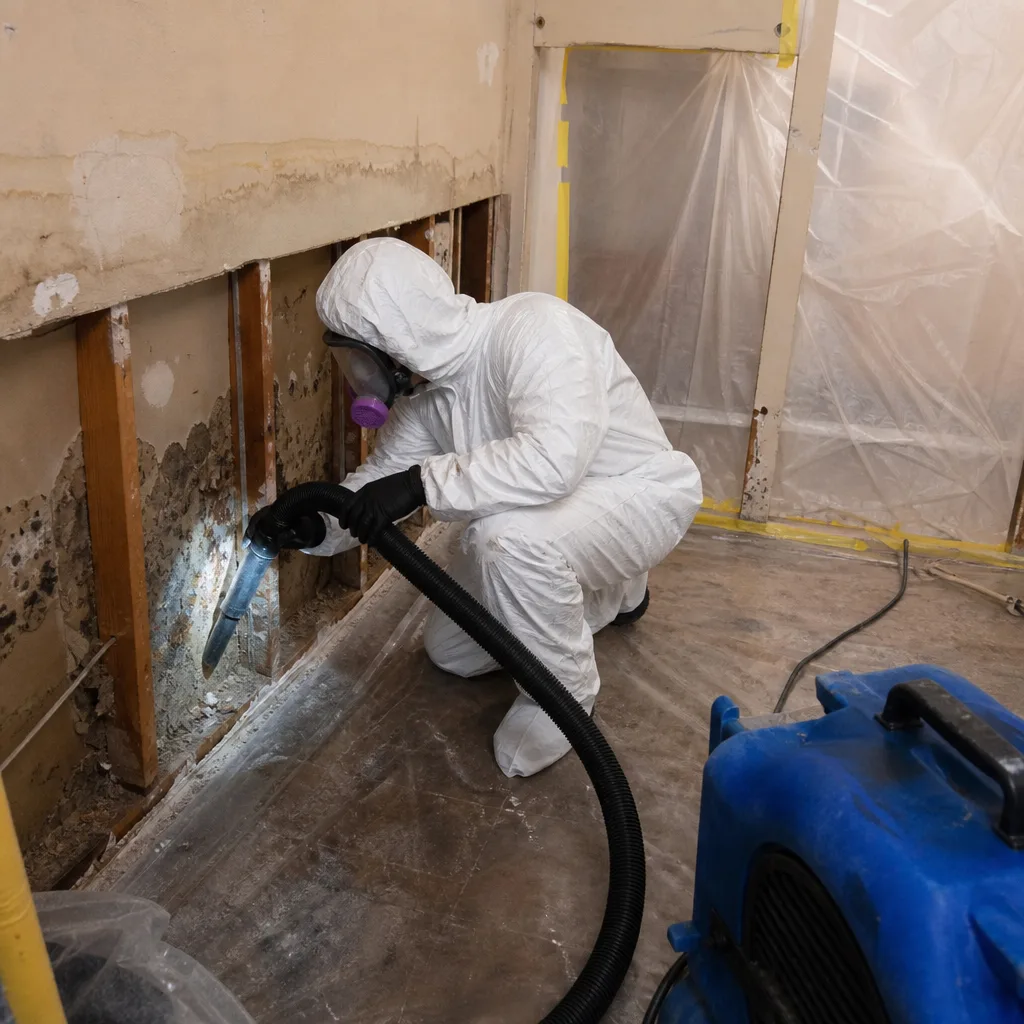
Burst Pipe Restoration
Green Valley’s original 1980s copper and early-1990s polybutylene supply lines are reaching end of service life, with pinhole corrosion accelerated by the region’s mineral-heavy water. Our burst pipe restoration includes not just water mitigation but plumber coordination, with the full repair scoped and priced in writing before any wall is opened - Haven Standard, Clause 1.
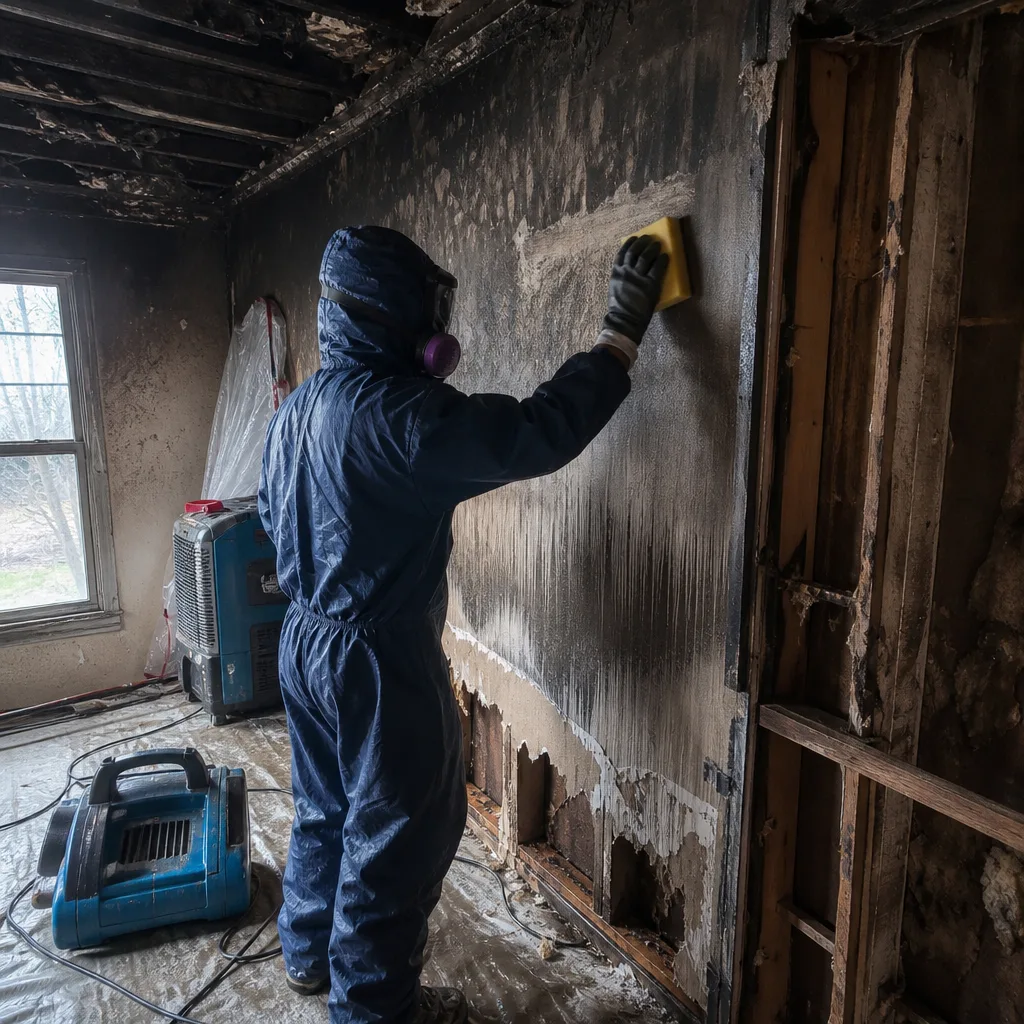
Basement Water Removal
True basements are rare in Green Valley’s desert construction, but partial daylight basements and sunken garages in hillside phases of Green Valley Ranch require submersible pump deployment and engineered drying for below-grade concrete that wicks moisture differently than slab-on-grade.
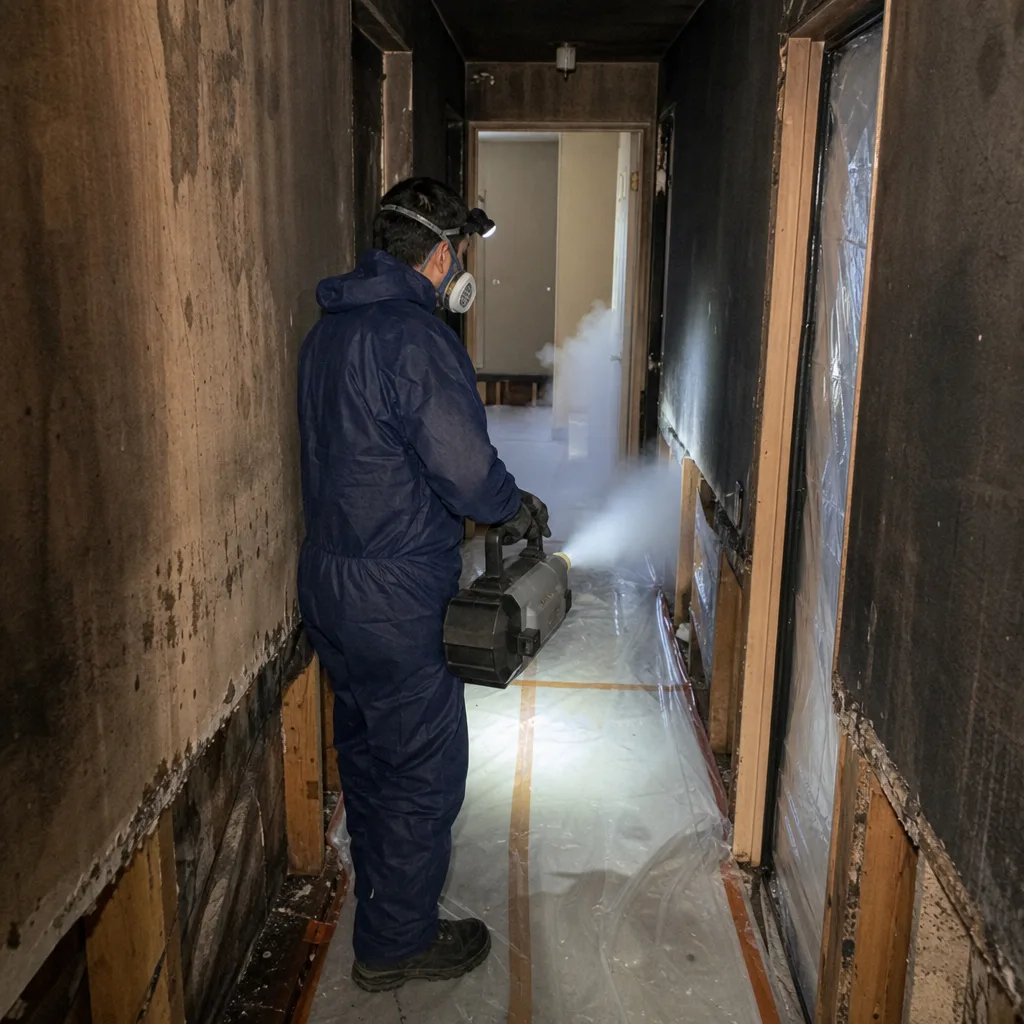
Ceiling & Roof Leak Water Damage
This is Green Valley’s most common call from July through September. Degraded tile-roof underlayment lets monsoon water penetrate at valleys and penetrations, then travel laterally along ceiling joists before dropping through drywall. We trace the actual entry point with thermal imaging, document the roof system failure for your insurance adjuster, and dry the affected cavity with Injectidry or controlled demolition depending on saturation extent.
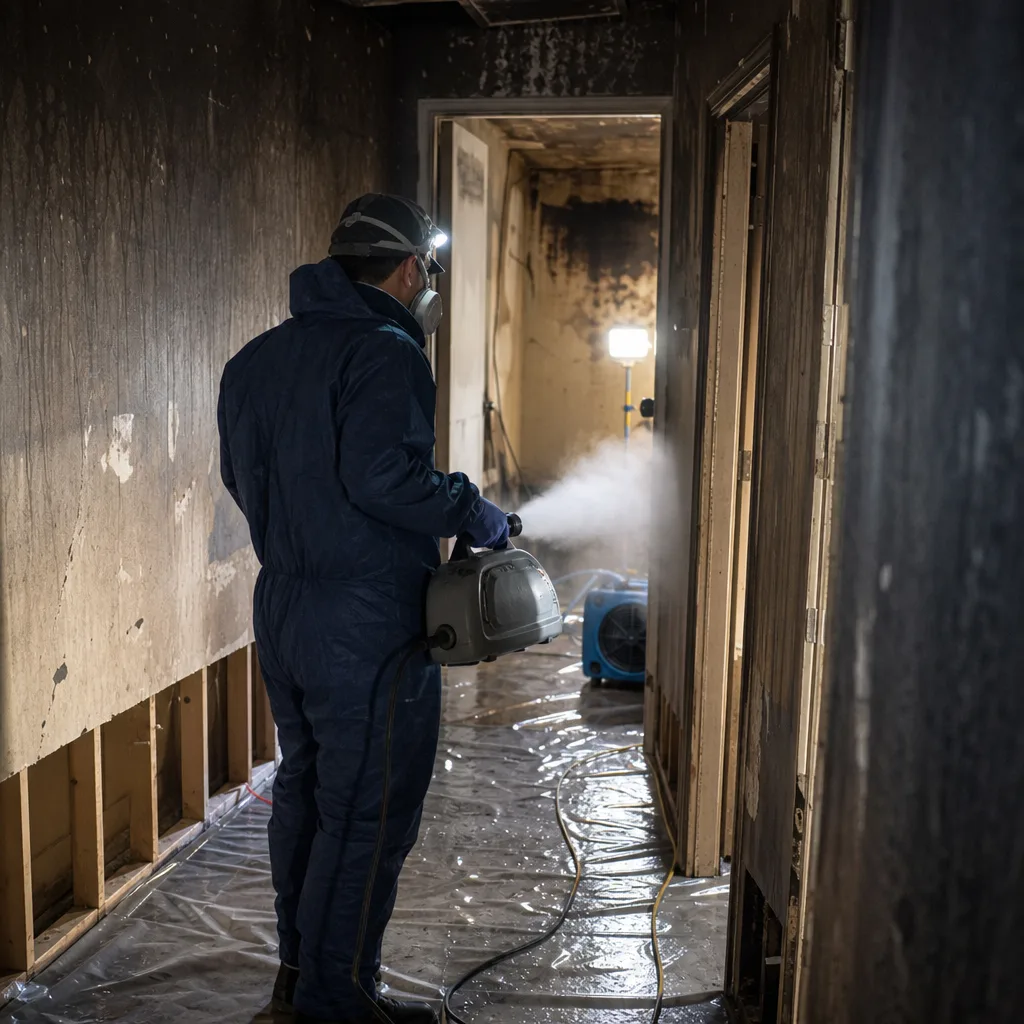
What happens when you call
- 1
A real person answersNo phone trees - you reach a local pro.
- 2
You get an upfront price rangeHonest numbers before anyone is dispatched.
- 3
A background-checked tech heads outLicensed & insured, dispatched right away.
- 4
You approve before work beginsNothing starts until you say go.
Water Damage Restoration Costs in Green Valley, NV
Water damage restoration pricing in Green Valley runs slightly below the national metro average due to competitive contractor density, but the HOA documentation requirements and material-matching standards can add cost in the reconstruction phase. Here’s what we see in our local market:
- Emergency water extraction: $1,200-$2,400
- Structural drying & dehumidification (2,000 sq ft): $3,200-$5,800
- Category 2-3 cleanup with antimicrobial treatment: $4,500-$8,200
- Ceiling and roof leak damage repair (including stucco match): $2,800-$6,500
- Full burst pipe restoration with wall repair: $3,500-$9,000
What moves the price: affected square footage, water category (clean vs. gray vs. black), whether the HOA requires architectural review for exterior repairs, and whether mold remediation is needed due to delayed detection. Insurance typically covers sudden and accidental water damage from burst pipes or storm intrusion; gradual leaks from maintenance-deferred roofs may be denied. We provide a written price before any work begins, every time - Haven Standard, Clause 1 - and we offer a Free Second Opinion on any competitor’s written estimate.
We Also Serve Cities Near Green Valley
Our crews respond throughout the eastern Las Vegas Valley, including Green Valley and neighboring communities. We maintain the same 45-minute response commitment to North Las Vegas, Aliante, Nellis AFB, and Sunrise Manor, with the same live-answer dispatch and documented drying protocols.
Serving Green Valley, NV - Our Local Coverage Area
We’re based in the Green Valley area and know this community well. Use the map below to see our service coverage - if you’re nearby, we can almost certainly help.
Green Valley Water Damage Restoration Questions, Answered
How fast does mold start behind Green Valley’s stucco walls after a monsoon roof leak?
Mold colonization begins 24-48 hours after water contacts organic material, and Green Valley’s stucco-clad walls provide ideal hidden conditions.
The low ambient humidity masks musty odors that would alert homeowners in wetter climates, while air-conditioned interiors create a vapor pressure differential that draws moisture deeper into wall cavities. We’ve opened stucco walls in Green Valley homes where mold was well-established after a three-day undetected leak, with no visible interior staining until the colony released enough metabolic byproduct to penetrate the paint film. Thermal imaging during our free inspection catches this before demolition. Call (725) 726-3239 to schedule.
Does our Green Valley HOA really have to approve the restoration scope before you can dry the house?
Most Green Valley master-planned communities require written damage assessment and scope-of-work submission to the property manager or board before structural drying equipment is deployed or demolition begins.
This adds 24-72 hours to mitigation timelines, which is why we submit comprehensive initial moisture mapping with timestamped documentation the same day we inspect. Our drying logs through that approval window prove pre-loss condition and prevent category escalation disputes. We handle HOA communication directly, with scope documents formatted to each community’s requirements. Call (725) 726-3239 and we’ll confirm your specific HOA’s process.
My 1990s Green Valley two-story has a second-floor laundry - why did the leak go unnoticed so long?
Green Valley’s desert climate keeps ambient humidity low enough that slow leaks from second-floor supply lines evaporate from surfaces before pooling visibly.
The water instead wicks into wall cavities and subflooring, where air conditioning creates a condensation differential that keeps materials damp but not obviously wet. By the time a stain appears on the ceiling below, the upstairs subfloor and wall cavity may have been saturated for a week or more. We recommend annual inspection of second-floor laundry pan drains and supply line connections, especially in 1990s-phase homes where original hoses and valves are now 30 years old. Call (725) 726-3239 for a moisture-mapping inspection.
Does living in the Pittman Wash basin change how Green Valley storm water gets handled?
Yes - Green Valley’s position in the Clark County Regional Flood Control District’s Pittman Wash drainage basin means localized storm surge during monsoon events can exceed street and channel capacity designed for desert-average rainfall.
An inch of rain in under an hour, common in July-September cells, pushes water into garages and ground-floor slabs on lower-lying eastern streets even in homes with intact roofs. Our flood cleanup protocol accounts for potential category 3 contamination from street runoff and soil contact, with full antimicrobial treatment and disposal documentation for insurance claims. If your Green Valley home has flooded from storm surge, call (725) 726-3239 for immediate extraction.
Why does an entire Green Valley cul-de-sac sometimes need restoration at once?
Green Valley’s phased construction means entire neighborhoods share the same original roofing underlayment, stucco expansion-joint sealants, and window flashings installed in the same year by the same builder.
When these materials reach end of service life simultaneously - typically 25-45 years for tile-roof underlayment in Green Valley’s heat cycle - a single monsoon storm can breach multiple homes on the same block. We’ve responded to five-home clusters in Green Valley North where every roof on the cul-de-sac failed at valleys and pipe penetrations during the same July storm. Each home requires individual documentation, but our crew familiarity with that phase’s construction speeds assessment and scope preparation. Call (725) 726-3239 if your Green Valley neighborhood has experienced clustered failures.
How long does structural drying take in Green Valley’s climate?
Standard structural drying runs 3-5 days for category 1 water in Green Valley’s low-humidity environment, but stucco-clad homes with cavity saturation often need 5-7 days.
The desert air accelerates surface drying, which can create a false “dry” reading while wall voids remain saturated. We verify completion with pin-type moisture meters at multiple depths, not just surface readings, and we provide daily drying logs showing specific humidity, grains per pound, and vapor pressure differential. Homes requiring HOA approval before cavity drying begins may see extended timelines. Call (725) 726-3239 for a timeline estimate specific to your loss.
Can we stay in the house during water damage restoration?
Occupancy depends on water category, affected areas, and equipment deployment.
Category 1 clean water losses confined to non-sleeping areas may allow continued occupancy with noise accommodation for air movers and dehumidifiers. Category 2-3 losses, or any loss affecting HVAC systems, typically require relocation for health and safety. In Green Valley’s summer months, the heat load from dehumidification equipment can push interior temperatures above comfortable levels even with air conditioning. We discuss occupancy with you during the initial assessment and coordinate with your insurer on additional living expense documentation if relocation is necessary. Call (725) 726-3239 to discuss your specific situation.
What certifications do your water damage restoration crews hold?
Our lead technicians hold IICRC WRT (Water Damage Restoration Technician) and ASD (Applied Structural Drying) certifications, with AMRT (Applied Microbial Remediation Technician) specialists on-call for category 2-3 escalations and mold concerns.
All work is documented to IICRC, RIA, and IFA standards, producing the daily moisture logs and psychrometric data that turn restoration invoices into payable insurance claims. Our Water Damage Restoration team trains quarterly on equipment updates from Dri-Eaz, Phoenix, and Injectidry. We do not send untrained labor to water losses - every technician on your job is named, licensed, and insured, with verification available on request. Call (725) 726-3239 for credential confirmation.
Water damage in Green Valley doesn’t follow the same patterns as wet-climate losses, and restoration that treats it like it does misses the documentation your insurer needs and your HOA demands. Our Water Damage Restoration in Green Valley combines local construction knowledge with the drying logs, photo records, and written scopes that keep claims payable and projects moving.
Written by Alicia Brennan, Owner at Back to Dry Restoration, serving Green Valley since 2011.