
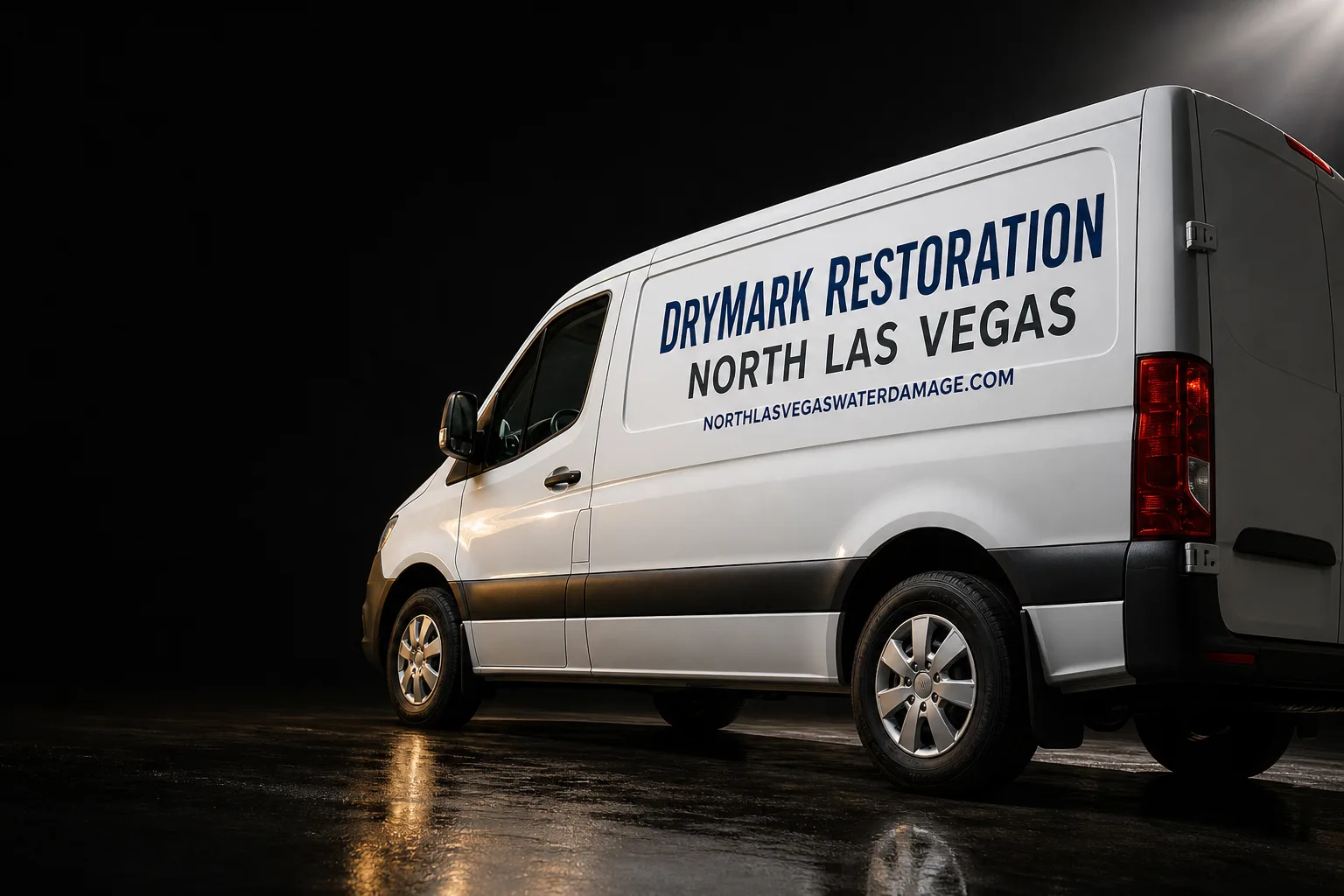
Free visual inspection and a written scope of work before any mitigation begins - photos, moisture readings, and drying logs go in your claim file
The scope we write is the scope we bill. Anything new gets shown to you, in writing, before we touch it.
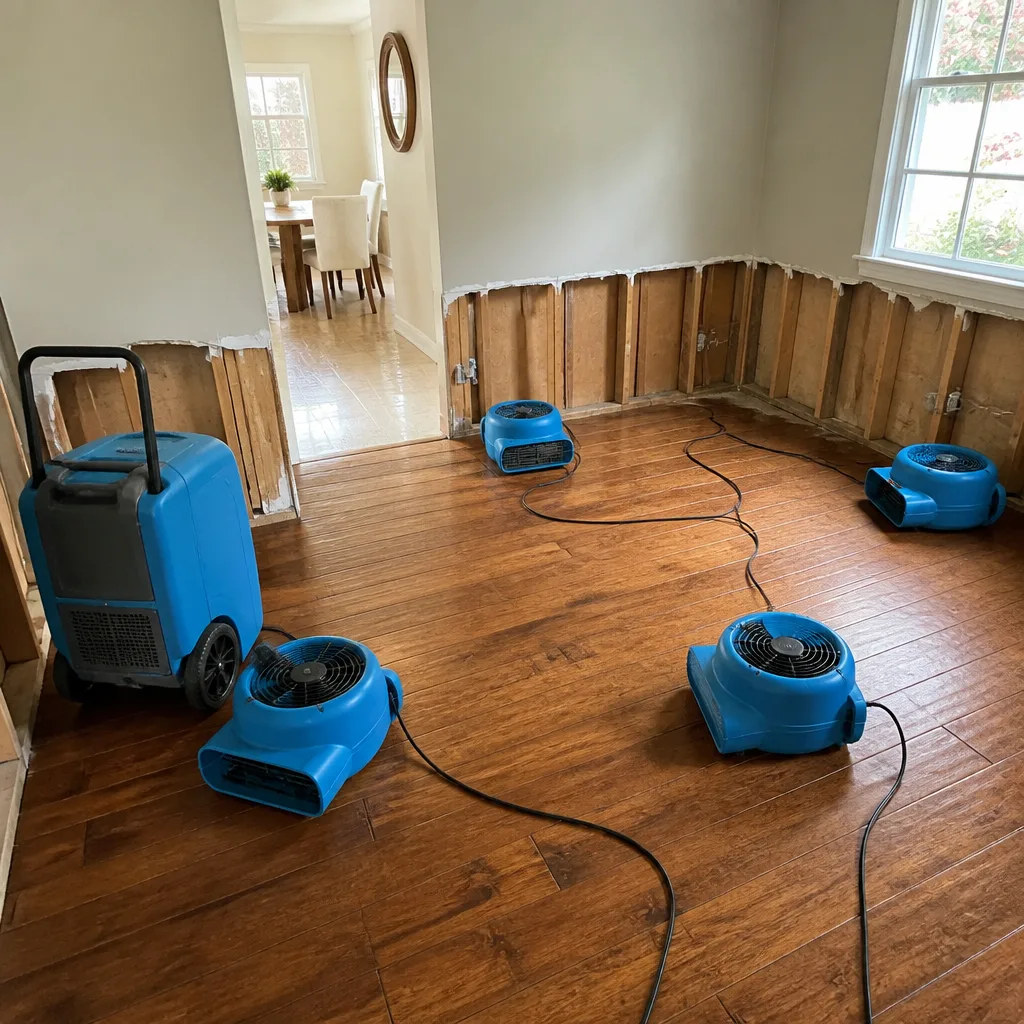
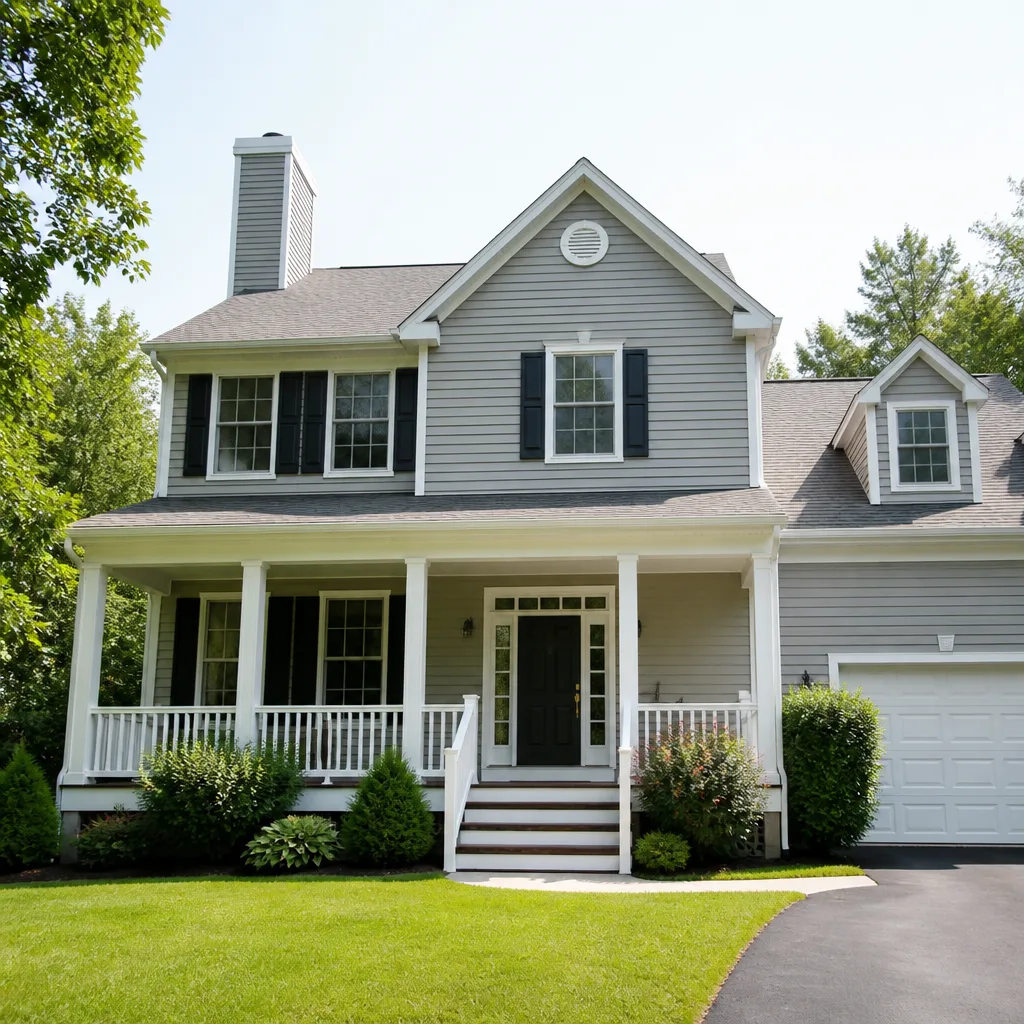
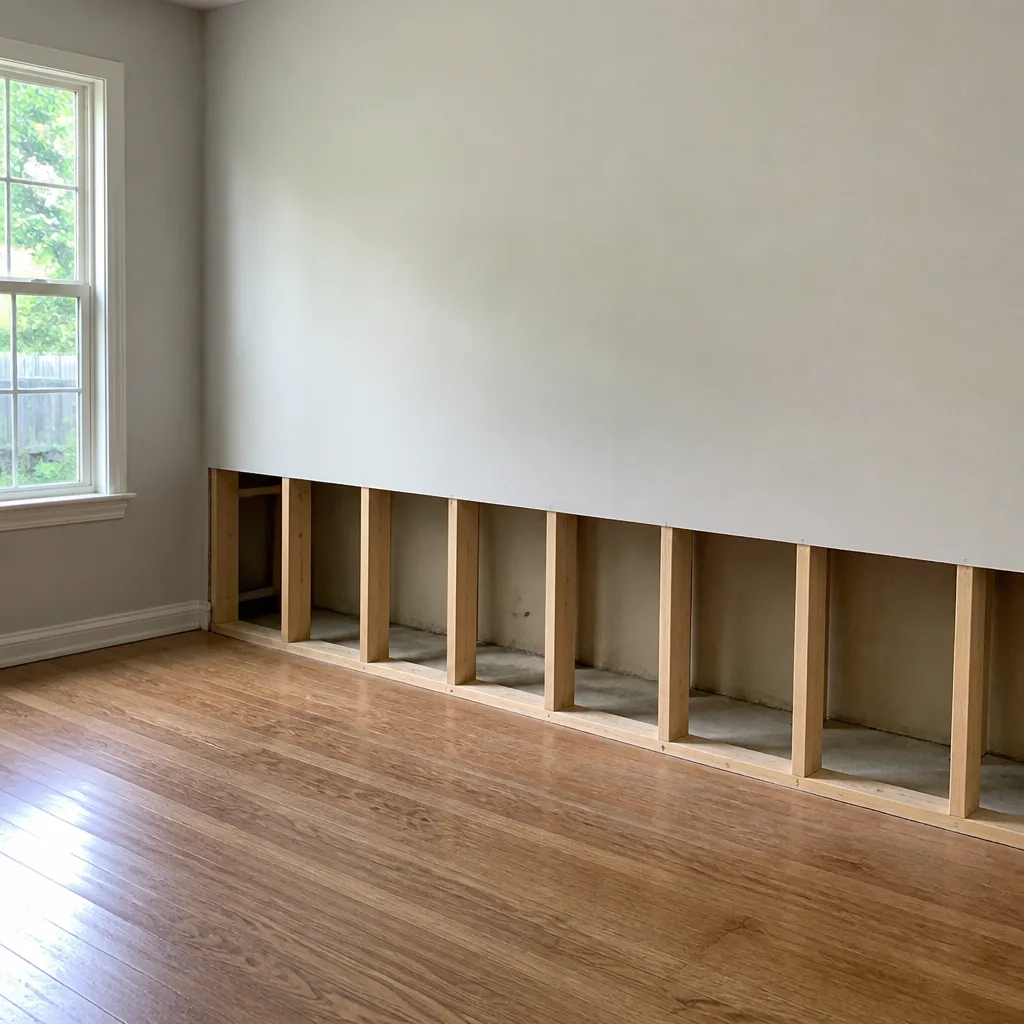
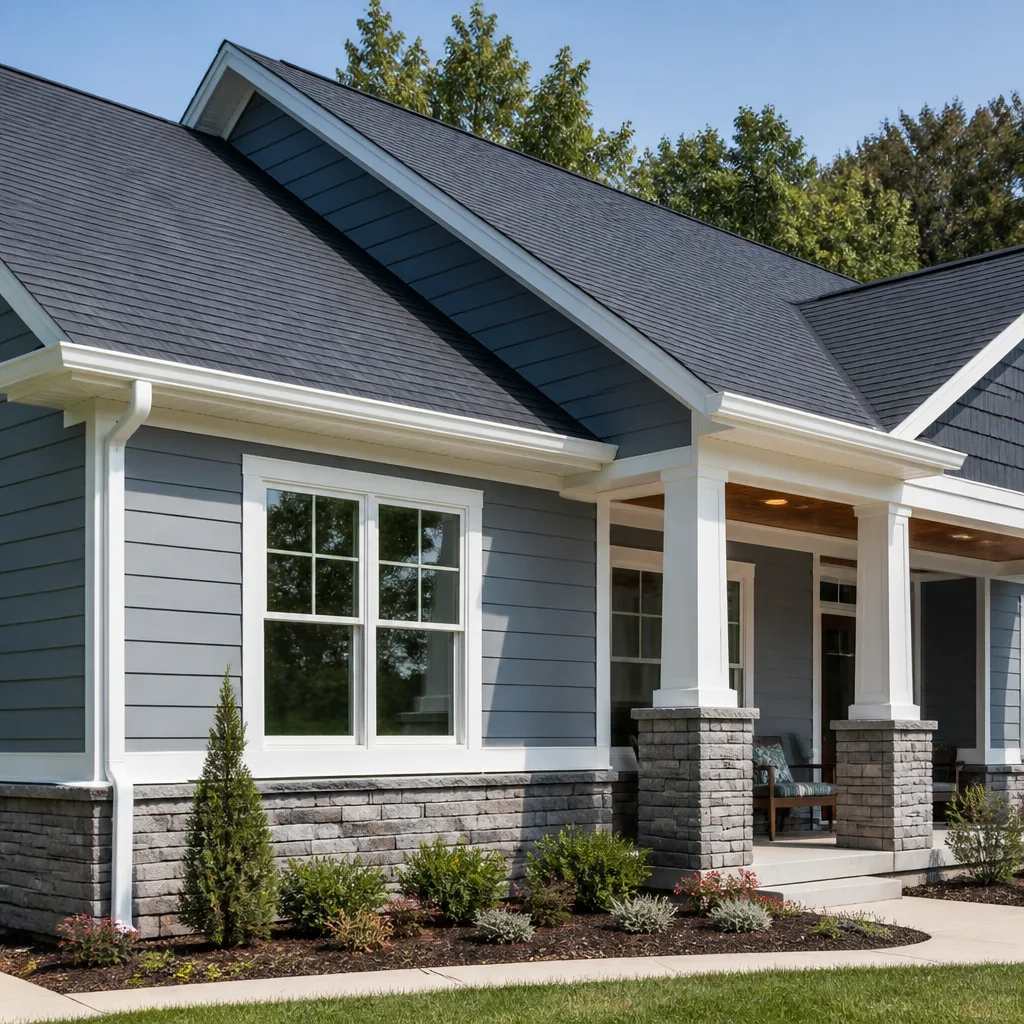
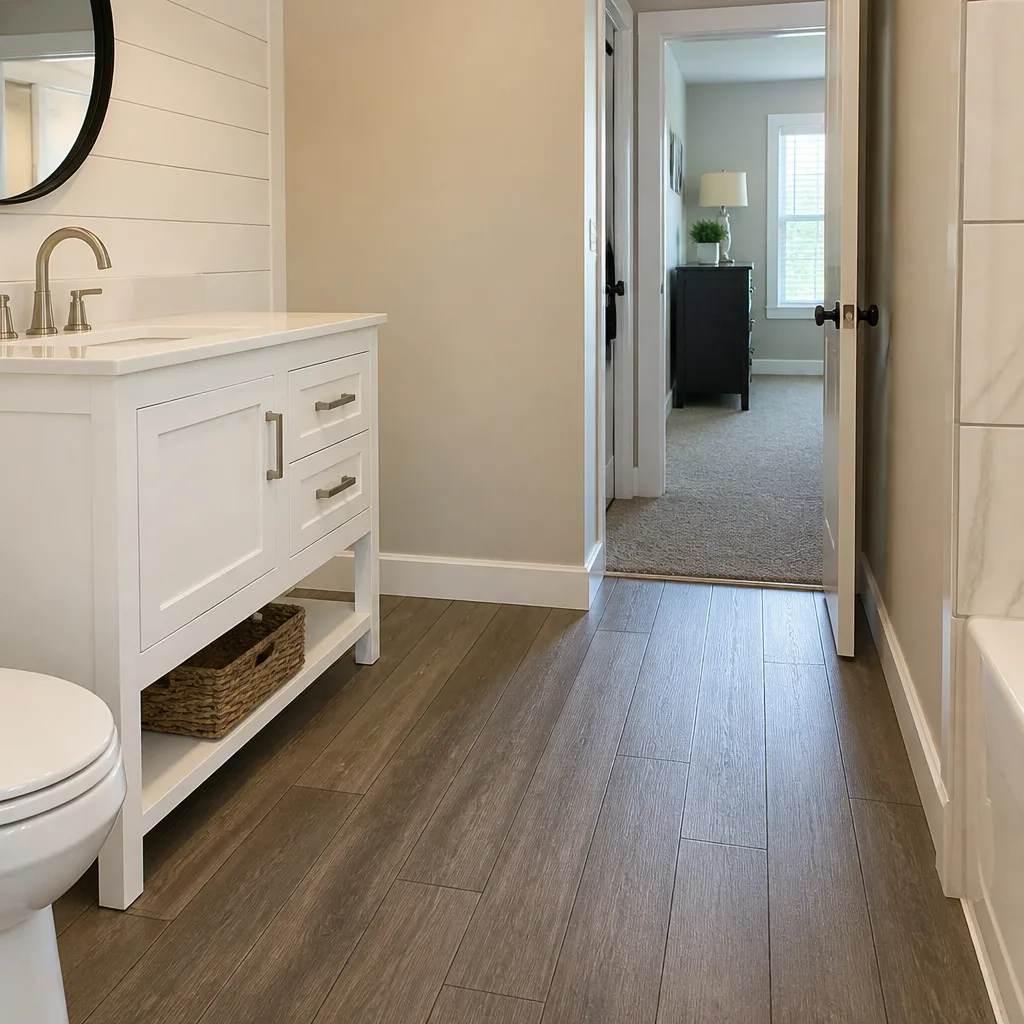
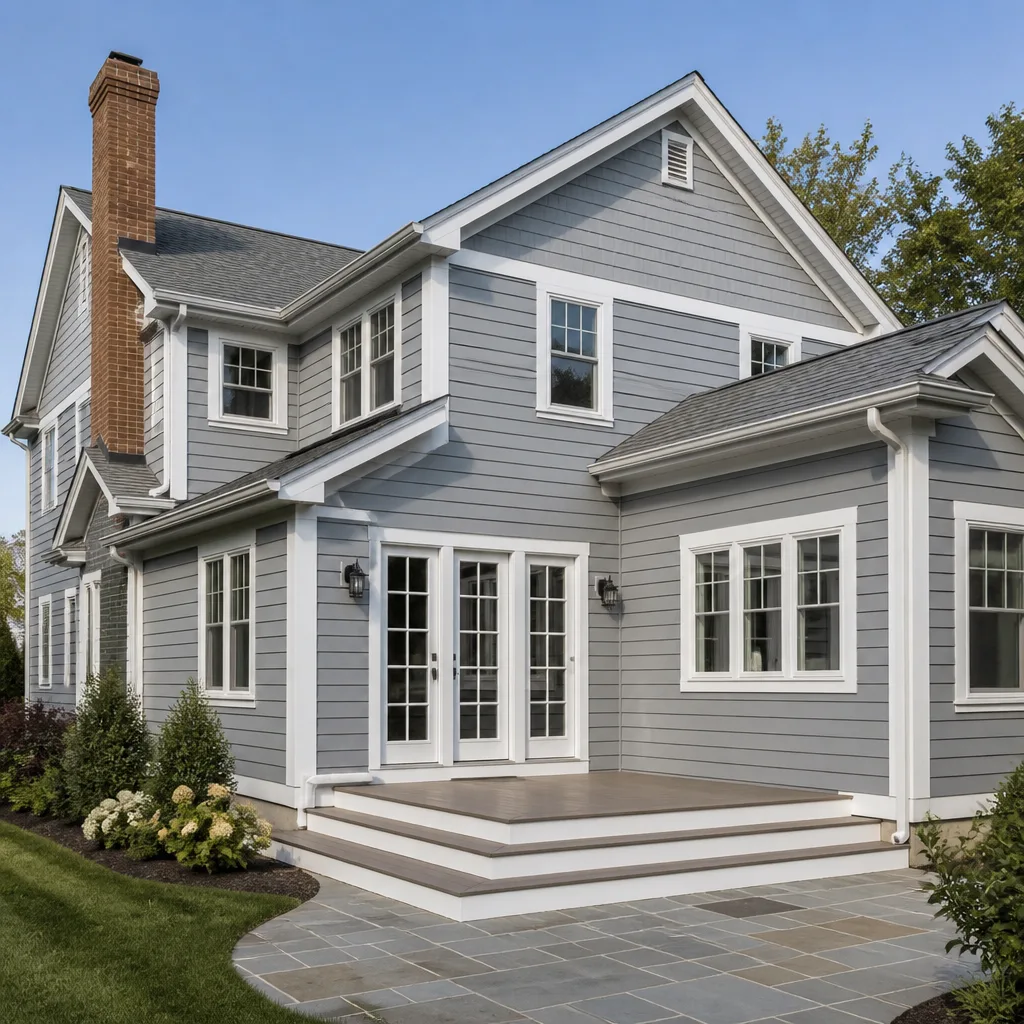
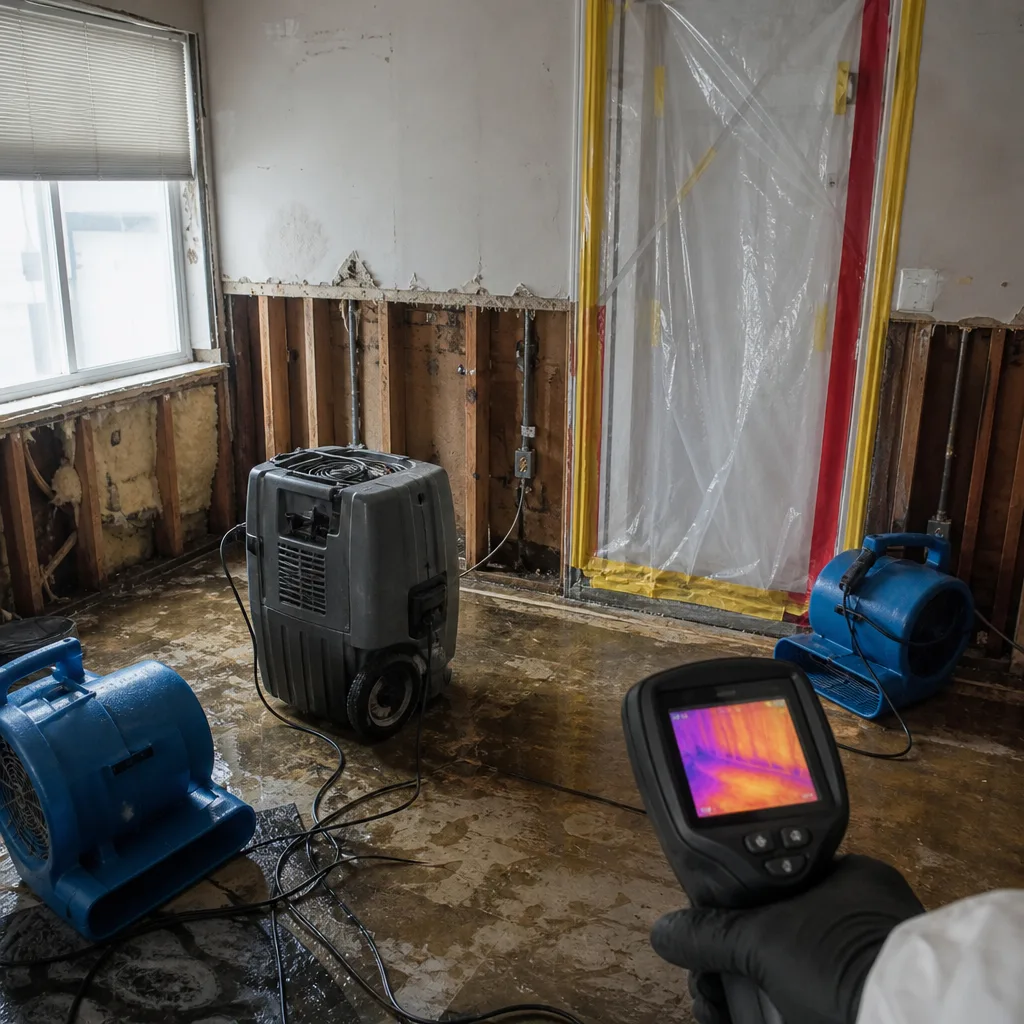 Before
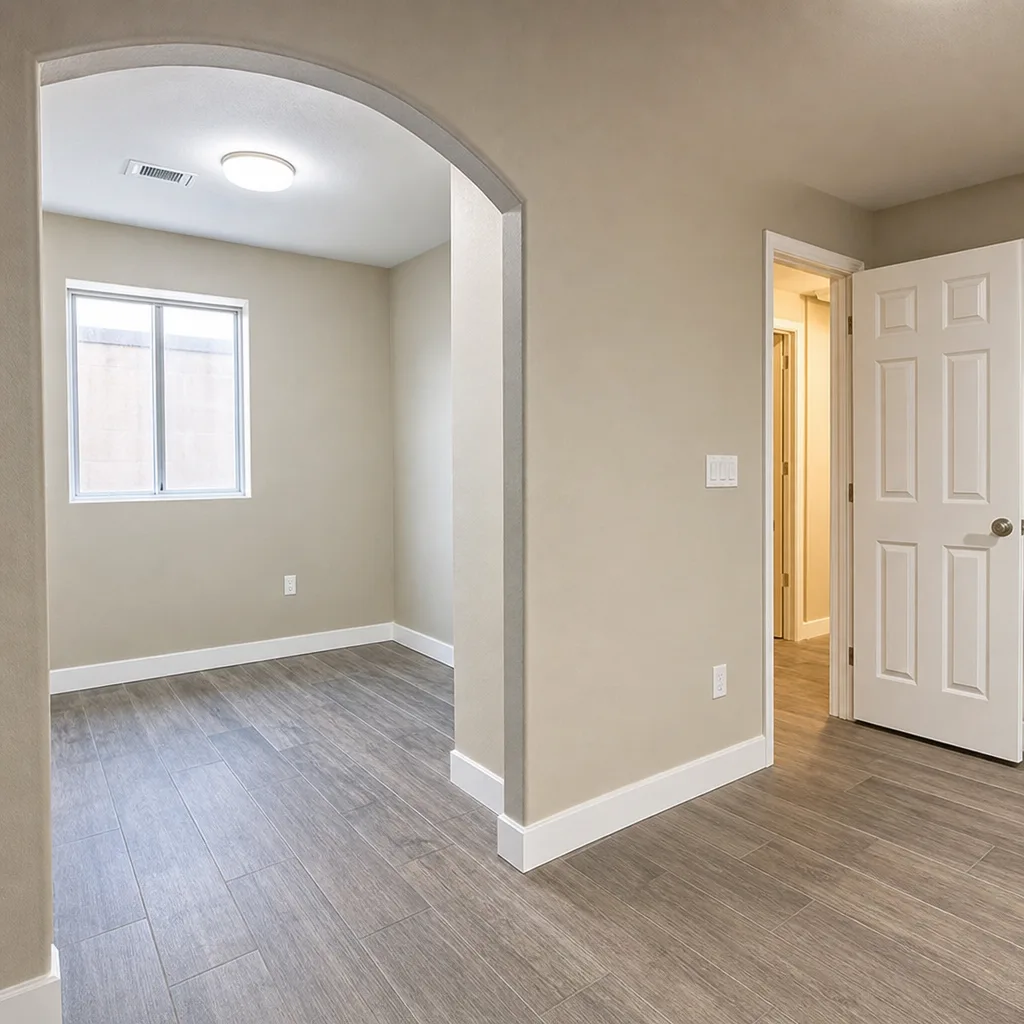 After
After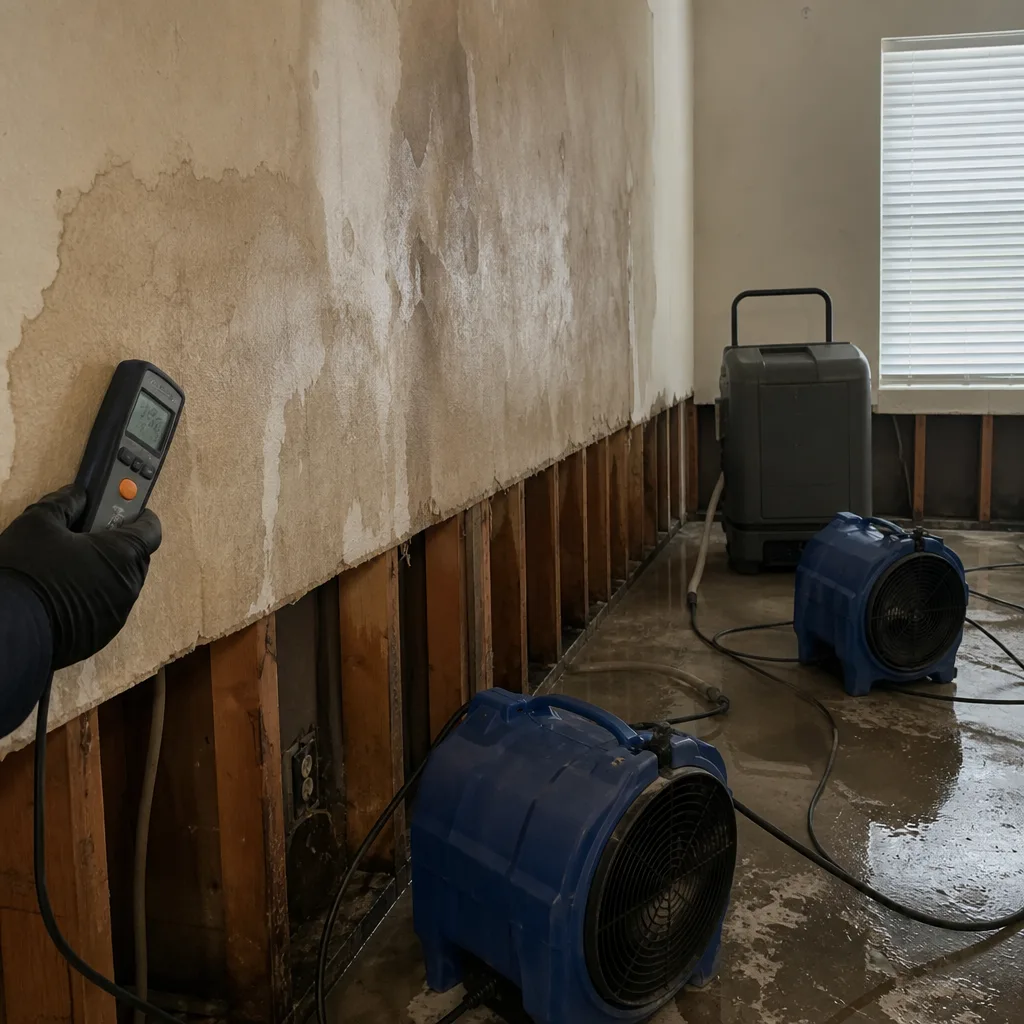 Before
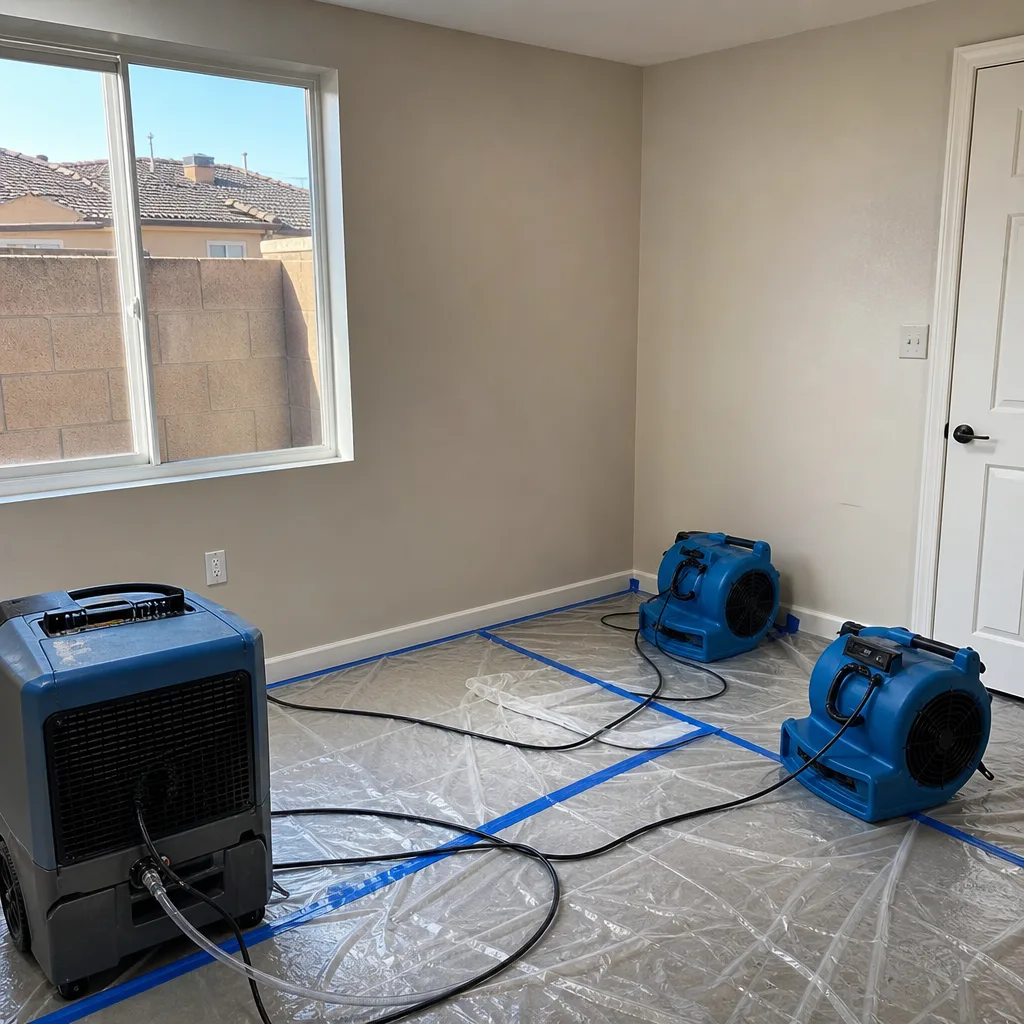 After
After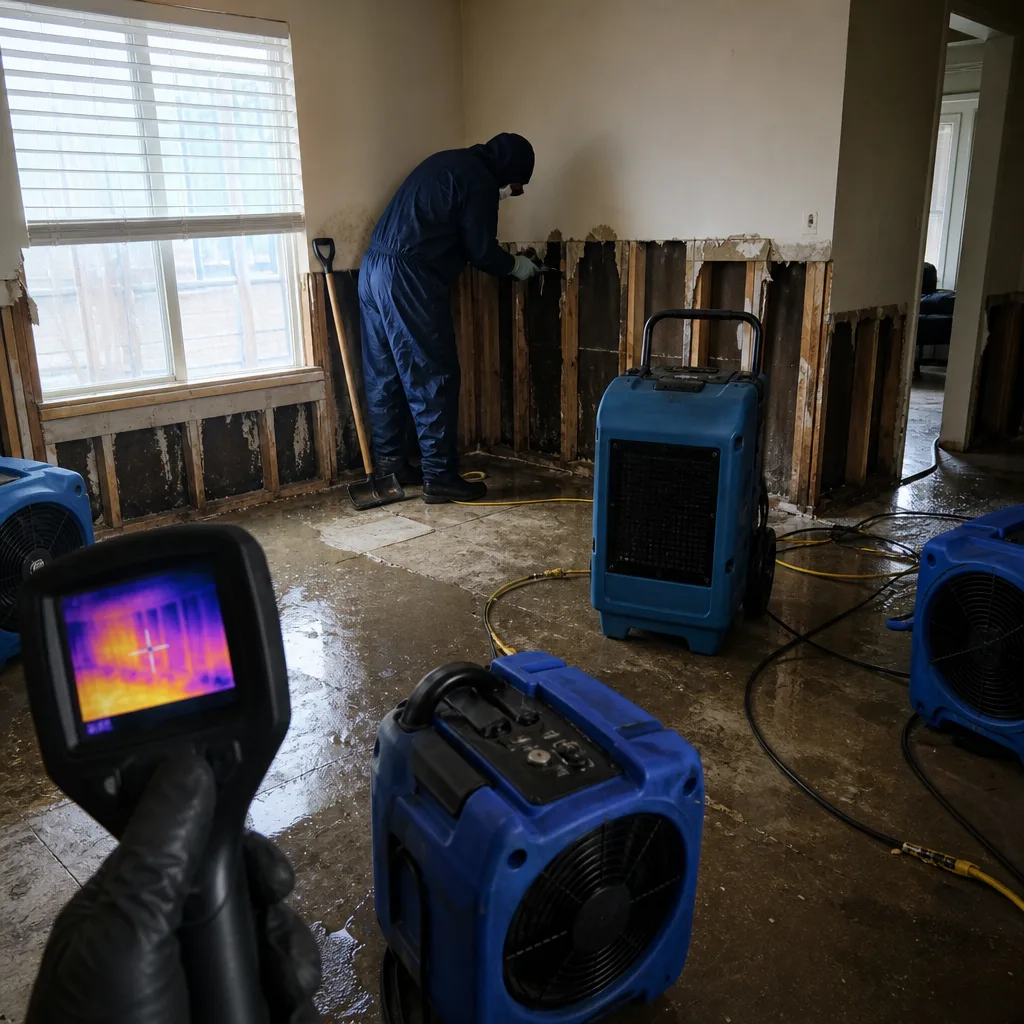 Before
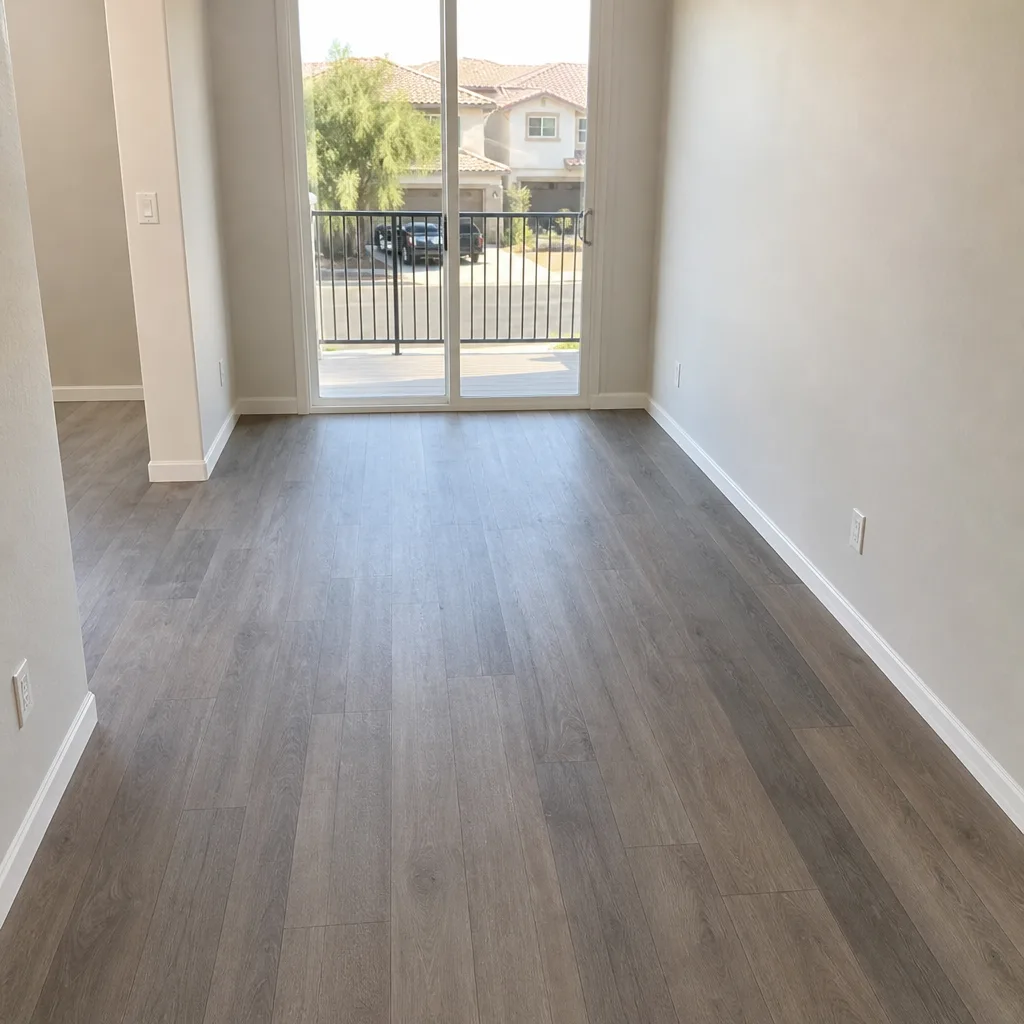 After
After24/7 Emergency Water Damage Restoration in Whitney
Water damage restoration in Whitney, NV typically costs between $1,800 and $6,500 for a standard residential mitigation, with emergency extraction starting around $350 and full structural drying running $2,200-$4,800 depending on affected square footage and material classification. Most Whitney homeowners see crews on-site within 45 minutes of calling, and same-day extraction prevents the secondary damage that doubles restoration costs. Call (725) 726-3239 now - a live person answers, 24 hours a day, no voicemail, no callback queue while water keeps moving through your walls.
Whitney sits on caliche-heavy soil that sheds water like pavement. When monsoon cells hit, that runoff has nowhere to go. The first hour determines whether you’re looking at extraction and drying, or whether moisture has already reached original drywall, vermiculite insulation, or asbestos-wrapped ductwork in a 1970s tract home - materials that trigger hazmat protocols and expand scope dramatically. Our crews dispatch from our Las Vegas office and carry Clark County permit applications, not City of Las Vegas paperwork. That distinction matters in Whitney, and out-of-area contractors get it wrong routinely.
Understanding Water Damage Restoration Severity in Whitney Properties
Water damage classification follows IICRC standards: Category 1 is clean water from a supply line, Category 2 carries significant contamination from washing machines or dishwasher drains, and Category 3 is grossly contaminated sewage or ground flooding. In Whitney, monsoon-driven lateral intrusion under slab foundations frequently starts as Category 2 - stormwater mixed with soil and whatever the caliche hardpan has collected - then degrades to Category 3 if it sits past 48 hours.
Moisture mapping with thermal imaging and pinless meters tells us what the eye cannot. A 1978 stucco tract home on Whitney Avenue might show a two-foot ceiling stain while moisture readings three rooms away reveal vapor pressure differential has driven water through slab cracks into wall cavities. We document psychrometric data - temperature, relative humidity, and specific humidity - to calculate the exact dehumidification load. Tertiary drying, the final phase where bound moisture releases from dense materials, takes longest in Whitney’s older homes because original drywall and plaster lathe hold water differently than modern materials.
The age of Whitney’s housing stock changes everything. Galvanized supply lines installed in the 1970s and 1980s corrode from the inside; they fail catastrophically without warning. Flat or low-pitched roofs common in the area pool water during rare intense downpours. Once the building envelope fails, original materials wick moisture aggressively. We test for lead-based paint on any pre-1978 build and vermiculite insulation in attics before demolition begins - not after we’ve opened walls and triggered Clark County hazmat notification requirements.
Why Whitney Property Owners Choose DryMark Restoration North Las Vegas
- 45-minute response commitment to Whitney addresses - our crews know the difference between Boulder Highway surface streets and the I-515 corridor at rush hour.
- 24/7 live answer: a real person, never an automated system, never a callback promise while your subfloor keeps soaking.
- IICRC-certified crews holding WRT (Water Damage Restoration Technician) and AMRT (Applied Microbial Remediation Technician) credentials - license numbers provided on request.
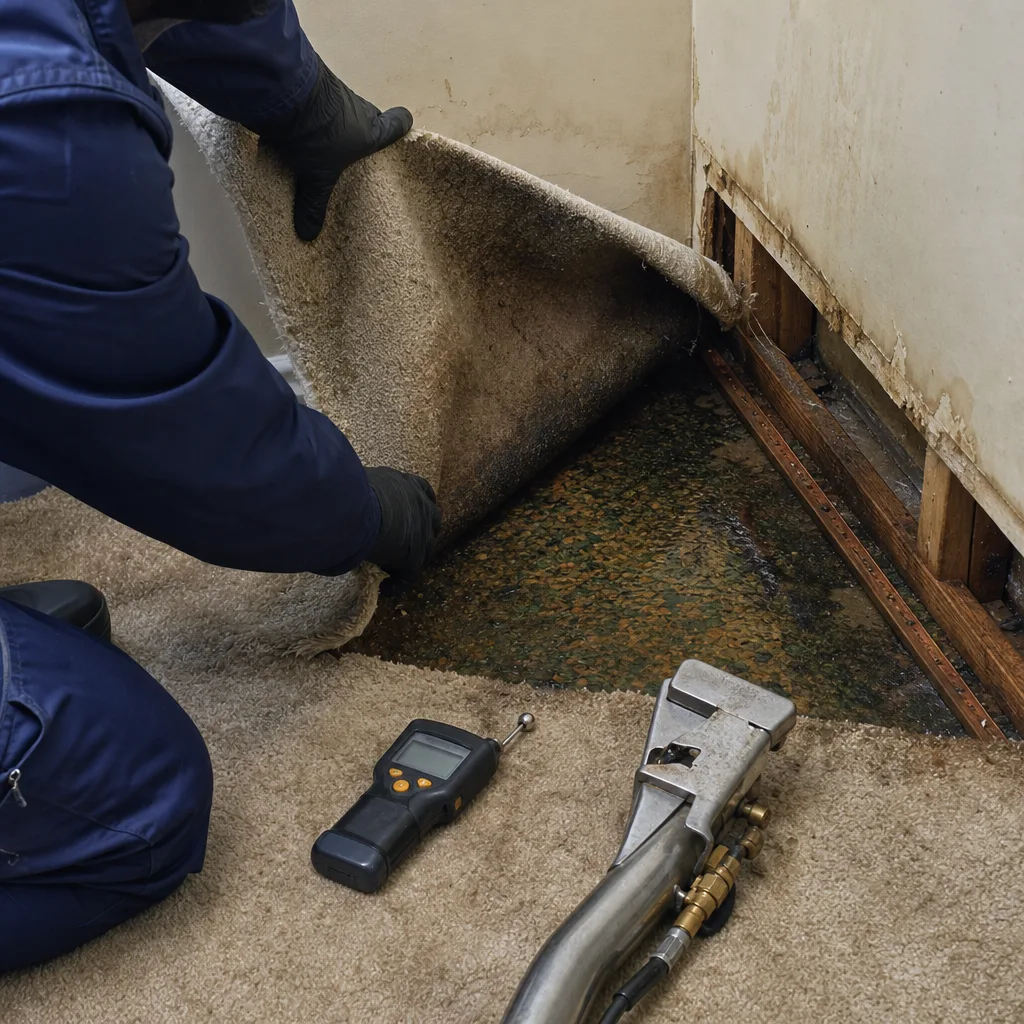
- Free visual inspection with moisture readings, documented before any work is discussed.
- Direct insurance billing with photo-documented scopes that adjusters pay without dispute.
- One team from extraction through reconstruction - no handoffs between mitigation and rebuild contractors who blame each other for gaps.
 Before
 After
AfterOur Water Damage Restoration Process
1. Inspection & Assessment
We arrive with thermal imaging cameras, pin and pinless moisture meters, and hygrometers. In Whitney, we always check foundation edges for lateral intrusion - the caliche hardpan under many homes forces stormwater sideways under slabs. We document pre-loss condition with dated photos, test for lead-based paint on pre-1978 builds, and deliver a written scope with a firm price before any equipment runs.
2. Water Extraction & Stabilization
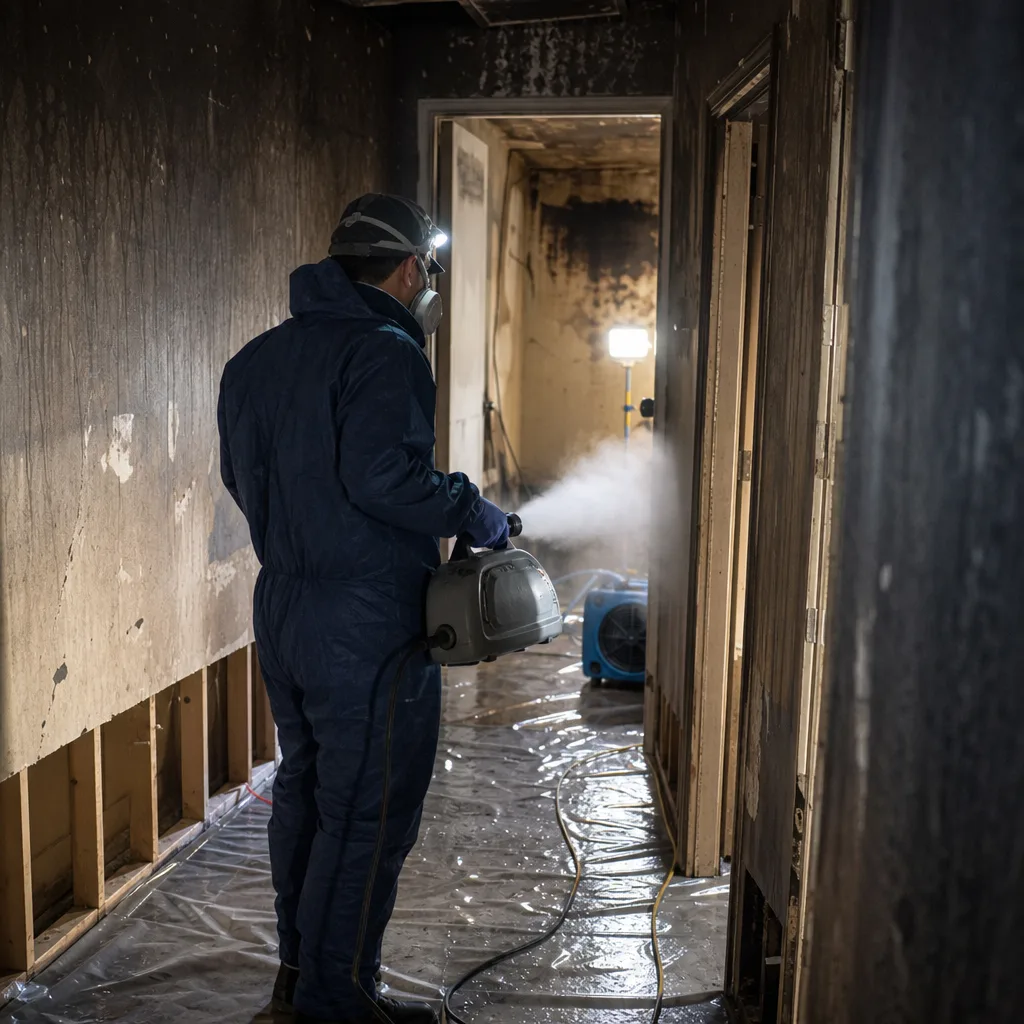
Truck-mounted extraction units remove standing water; portable units access crawl spaces and second stories. For Category 2 or 3 losses, we establish containment with 6-mil polyethylene barriers and negative air pressure using HEPA-scrubbed exhaust. We log water classification, affected square footage, and material porosity for your insurer from hour one.
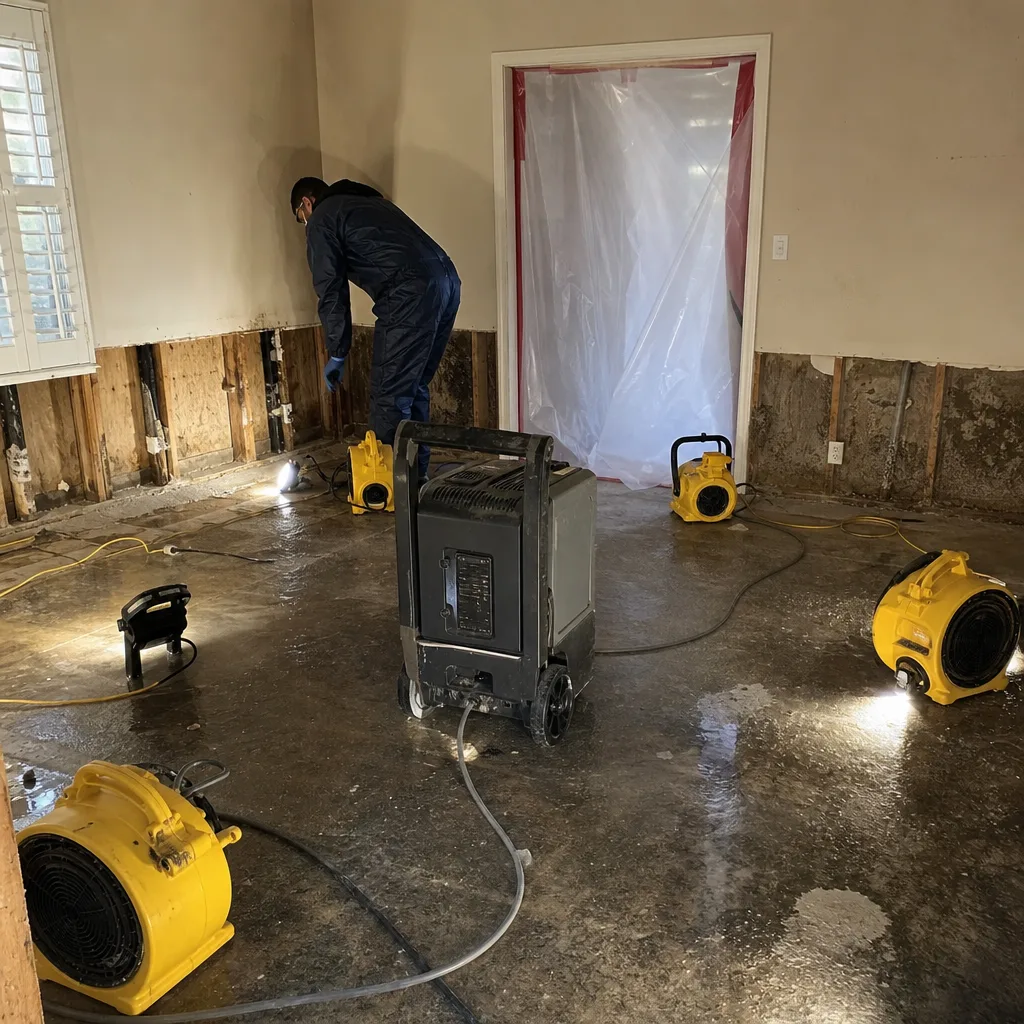
3. Structural Drying & Dehumidification
We deploy Dri-Eaz and Phoenix LGR dehumidifiers sized to the psychrometric load, paired with Injectidry cavity-drying systems for wall voids and B-Air axial air movers for open areas. Daily moisture logs track specific humidity and grain depression until materials reach dry standard - typically 12-16% moisture content for wood framing in Whitney’s arid climate.
4. Cleaning & Sanitization
Antimicrobial treatment follows IICRC S520 guidelines for water-damaged structures. In Category 2 and 3 losses, we apply botanical or synthetic disinfectants to all affected surfaces, including subfloors and wall cavities accessed through strategic drywall removal. We document product names, dilution rates, and application methods for your adjuster.
5. Hazardous Material Protocols
Whitney’s 1970-1990 tract homes frequently contain asbestos floor tile, vermiculite insulation, or lead-based paint. When our pre-demolition testing returns positive, we pause standard mitigation and engage Clark County-permitted abatement contractors. We coordinate the dual permitting path - water damage restoration plus hazmat removal - so neither timeline stalls the other.
6. Repairs & Restoration
Once drying logs confirm equilibrium moisture content, our reconstruction team replaces drywall, insulation, flooring, and trim to match existing finishes. We submit final documentation - photo record, drying logs, material invoices, and signed completion certificate - to your insurer and provide you a 365-Day Done Right Promise under The Haven Standard.
Need Emergency Water Damage Restoration in Whitney Now?
Crews minutes away, answering live 24 hours a day. The sooner we start, the less it costs.
Working With Your Insurance Company
Insurance claims fail on documentation gaps. We close those gaps from the first hour. Every DryMark crew carries digital cameras with automatic timestamp and geotag; every moisture reading is logged with location, date, and equipment serial number. We produce industry-standard estimates formatted to Xactimate, the pricing platform most carriers require, and we speak directly with your adjuster rather than handing you a bill to fight alone.
Our founder built this company as a former claims adjuster who watched homeowners lose coverage because contractors couldn’t produce proof of loss severity. We don’t let that happen to our Whitney customers. The photo record, the drying log, the written scope - these are standard deliverables, never upsells.
What We Provide Your Insurer
- Thorough documentation of the loss
- Photos of all damage, room by room
- Moisture readings and drying logs
- A detailed, line-item scope of work
- Direct coordination with your carrier
Built for Whitney’s Loss Calendar
January through March brings the coldest nights - rare hard freezes that split copper supply lines in unconditioned attic spaces and exterior walls. April and May see aging HVAC condensate lines clog with dust and algae; the 110°F summer that follows forces systems to overwork, and overflow pans fail. July through September is monsoon season: short, violent cells drop inches of rain onto caliche that cannot absorb it. Streets flood. Low-lying blocks near Whitney Avenue and Boulder Highway see water migrate under slabs and wick upward through foundation cracks.
October and November bring relative calm - the best window for planned plumbing upgrades and roof maintenance before the next cycle. December’s cold snaps finish the year. We schedule preventive inspections during these quieter months, but our emergency lines stay live. The condensate-line failures of August often start in June, unnoticed, and mold is established by the time a homeowner spots the ceiling stain.
Water Damage Restoration Across Whitney’s Neighborhoods
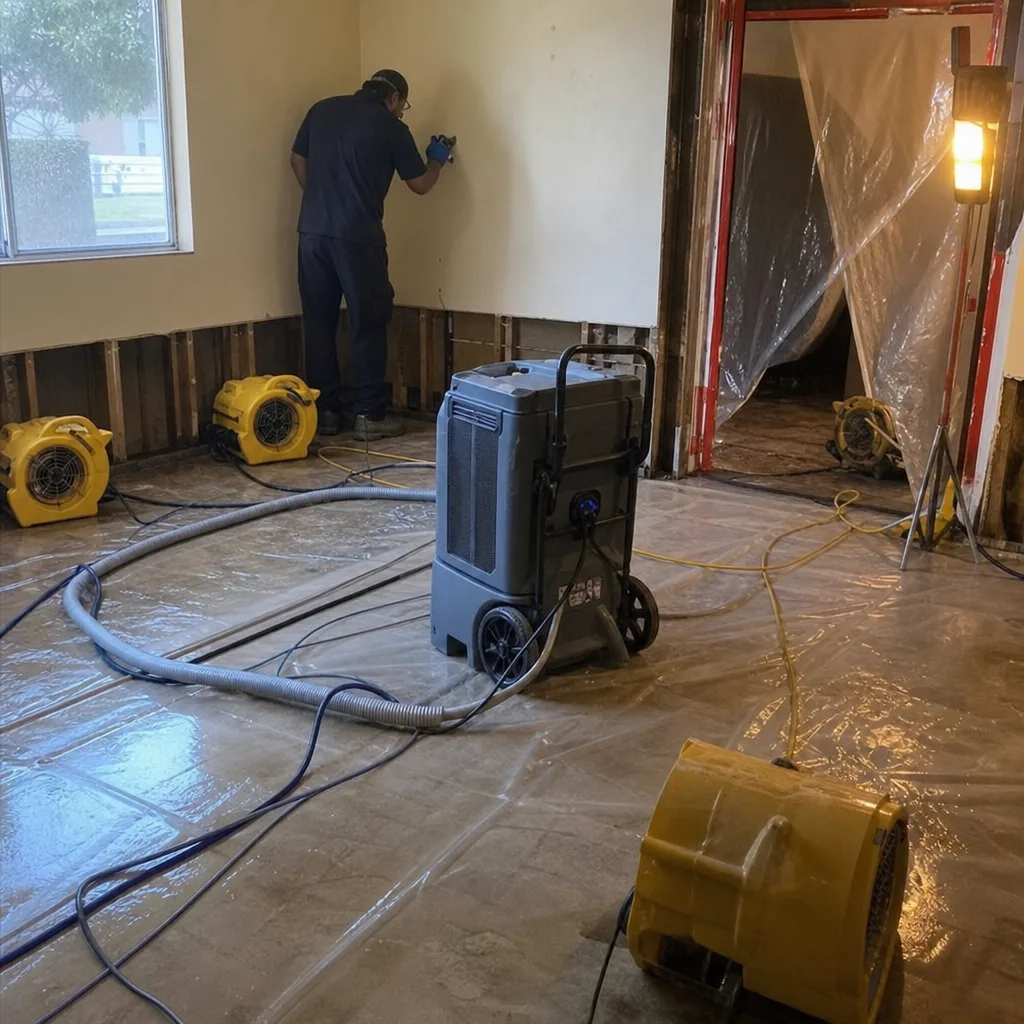
Near the intersection of Whitney Avenue and Boulder Highway, 1970s stucco tracts sit on some of the lowest ground in the CDP. Monsoon runoff pools here first. We’ve responded to homes where the visible damage was a bedroom corner, but moisture mapping revealed lateral intrusion had traveled twelve feet under the slab. Caliche hardpan prevents downward drainage; water moves sideways until it finds a crack.
West of Nellis Boulevard, the housing stock trends slightly newer - late 1980s builds with early PVC supply lines and raised-slab construction that offers some protection. But these homes still carry original galvanized branch lines and flat roofs with aging membrane. We see more slow leaks here: ice maker lines, dishwasher supply valves, washing machine hoses that fatigue in the dry heat.
Along Lake Mead Boulevard corridors, proximity to the wash means flash flooding reaches property lines faster than interior drainage systems can handle. We’ve extracted water from garages and converted carports where stormwater overtopped foundation stem walls. The soil composition changes slightly here - less caliche, more sandy loam - but the slope still drives water toward structures.
Near the Clark County Wetlands Park edge, higher water tables complicate drying. Standard dehumidification loads calculated for arid desert conditions fall short; we upsize equipment and extend drying timelines, documented daily for your insurer. Every Whitney neighborhood has its own failure pattern. We don’t guess.
Specialized Water Damage Restoration Services We Offer in Whitney
Emergency Water Extraction
Truck-mounted and portable extraction units remove standing water within hours of your call. In Whitney’s older homes with original hardwood or early laminate flooring, speed determines whether boards can be salvaged or must be demolished. We extract before we discuss - stopping migration is the priority.
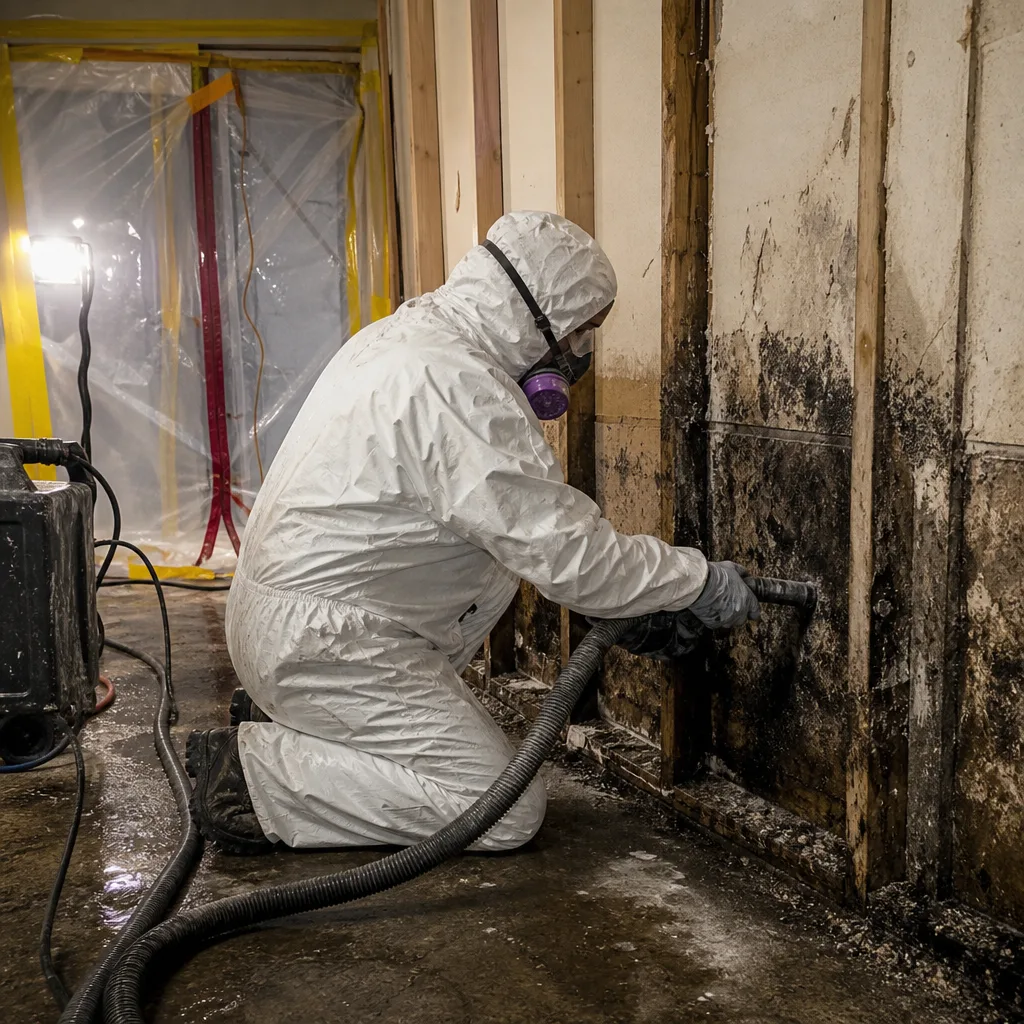
Structural Drying & Dehumidification
Dri-Eaz and Phoenix LGR dehumidifiers, Injectidry cavity-drying systems, and B-Air air movers deployed in calculated ratios based on psychrometric data. We don’t guess at equipment counts; we measure the space, the moisture load, and the vapor pressure differential, then size accordingly. Daily logs go to your adjuster.
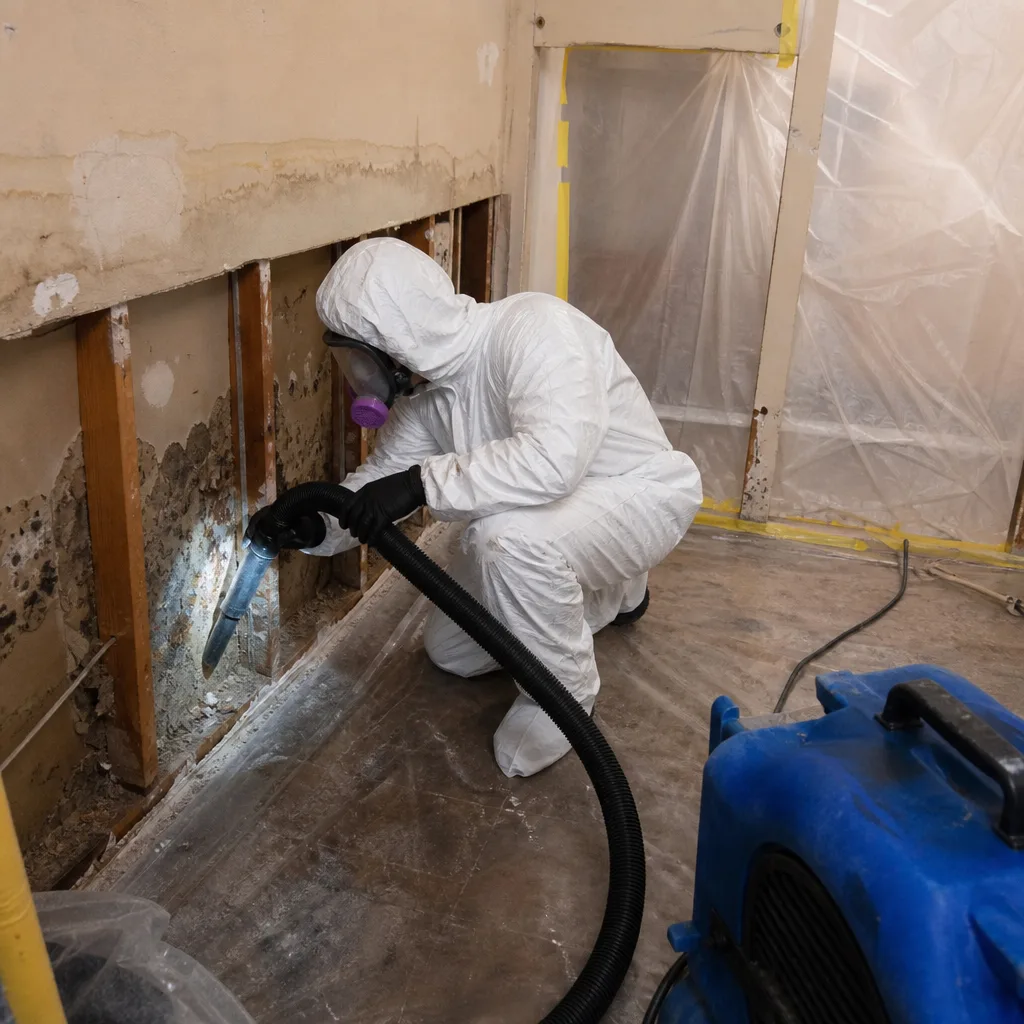
Flood Cleanup
Monsoon flash flooding in Whitney frequently carries Category 2 or 3 contamination - soil, debris, and whatever the caliche hardpan has collected. We extract, establish containment, remove porous materials that cannot be sanitized, and document hazmat conditions before Clark County disposal requirements kick in.
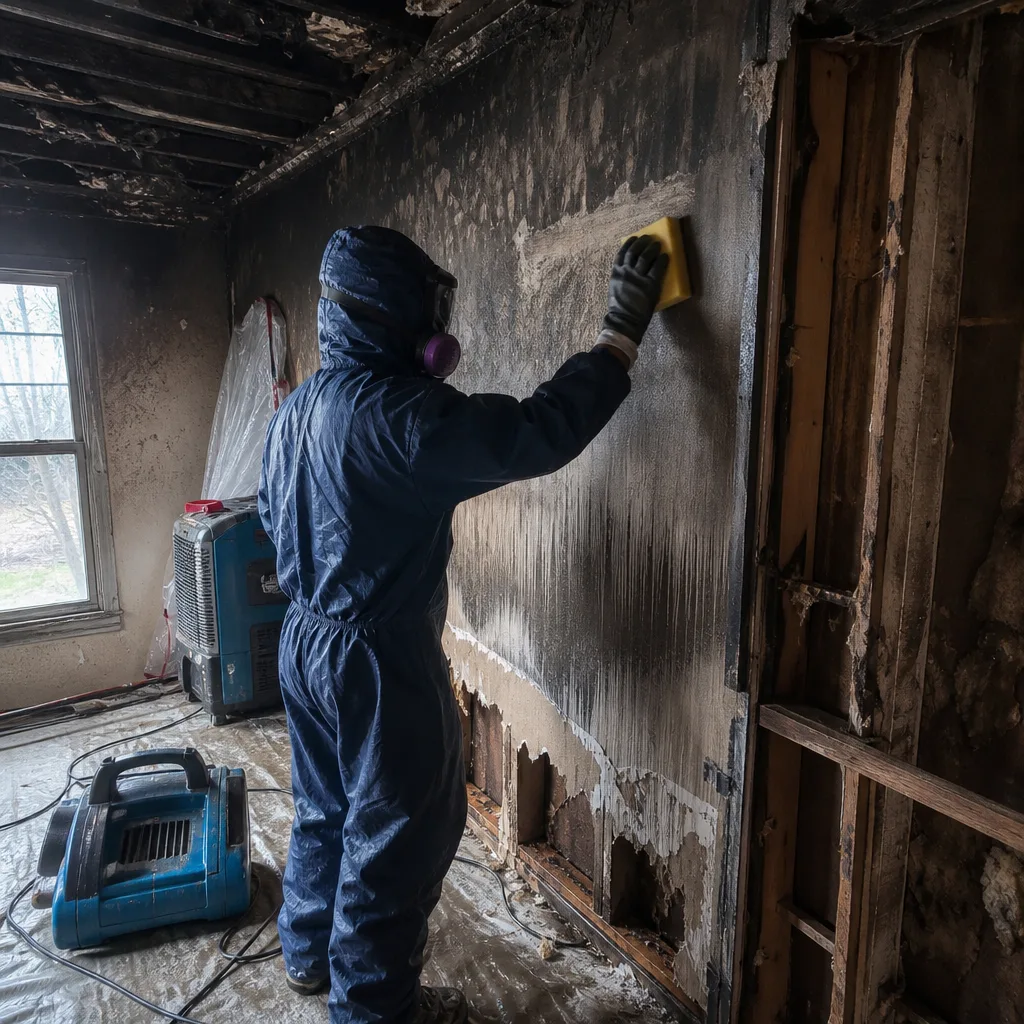
Burst Pipe Restoration
Galvanized lines in Whitney’s 1970-1990 housing stock corrode from the inside until they fail without warning. We extract the water, dry the structure, and coordinate with licensed plumbers for repiping - documenting the line failure cause for your insurance claim.
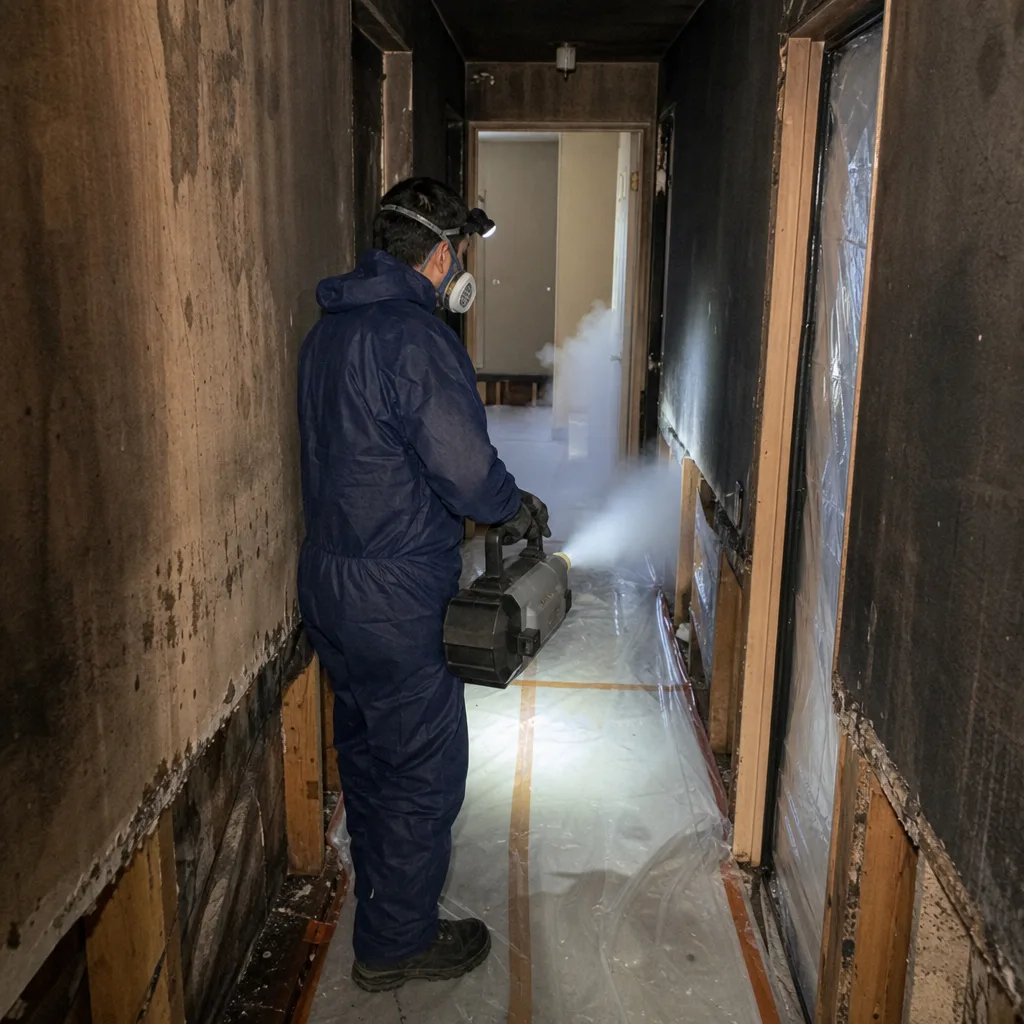
Basement Water Removal
True basements are rare in Whitney’s desert construction, but partial excavations and converted crawl spaces exist near older Boulder Highway commercial-residential mixed buildings. We deploy submersible pumps and portable extraction, then address the unique vapor drive issues of below-grade spaces in arid climates.
Ceiling & Roof Leak Water Damage
Flat and low-pitched roofs common in Whitney’s tract housing pool water during intense downpours. We trace the leak path - often not directly above the visible stain - extract insulation, dry the cavity with Injectidry systems, and document roof membrane condition for your adjuster’s coverage determination.
What happens when you call
- 1
A real person answersNo phone trees - you reach a local pro.
- 2
You get an upfront price rangeHonest numbers before anyone is dispatched.
- 3
A background-checked tech heads outLicensed & insured, dispatched right away.
- 4
You approve before work beginsNothing starts until you say go.
Water Damage Restoration Costs in Whitney, NV
Emergency water extraction in Whitney runs $350-$850 for a standard residential loss, with truck-mounted extraction at the higher end for Category 2 or 3 contamination requiring protective protocols. Structural drying and dehumidification typically costs $2,200-$4,800 for 1,000-2,500 square feet affected, depending on material porosity and whether cavity drying is needed. Full mitigation including limited demolition, antimicrobial treatment, and drying to completion generally ranges $3,800-$6,500 in Whitney’s market.
What moves the price: category of water (Category 3 adds protective equipment and disposal costs), affected square footage, whether hazmat testing is triggered by home age, and whether lateral slab intrusion requires extended drying timelines. Insurance typically covers sudden and accidental water damage; gradual leaks and maintenance neglect are excluded. We provide a written price before work begins, every time - Haven Standard, Clause 1 - and offer a Free Second Opinion on any competitor’s written estimate. Call (725) 726-3239 for your exact scope.
We Also Serve Cities Near Whitney
Our crews respond throughout the Las Vegas Valley from our Las Vegas office, with dedicated dispatch to Whitney, North Las Vegas, Aliante, Nellis AFB, and Sunrise Manor. Each community has its own building department requirements, soil conditions, and housing stock patterns. We carry the right permits for each jurisdiction.
Serving Whitney, NV - Our Local Coverage Area
We’re based in the Whitney area and know this community well. Use the map below to see our service coverage - if you’re nearby, we can almost certainly help.
Whitney Water Damage Restoration Questions, Answered
Does a water damage restoration project in Whitney, NV need a City of Las Vegas permit?
No. Whitney is an unincorporated Clark County CDP, not part of the City of Las Vegas. All permits, inspections, and drywall or insulation disposal sign-offs run through the Clark County Building Department. Contractors who pull City of Las Vegas permits for Whitney addresses create paperwork deadlocks that stall mitigation. We file Clark County permits from the start. Call (725) 726-3239 if you’ve hit this snag with another contractor.
Why did my Whitney home flood from the walls instead of the roof after a monsoon storm?
Caliche hardpan under many Whitney homes prevents stormwater from absorbing downward. Water migrates laterally under slab foundations and wicks up through cracks, surfacing on interior walls feet from the foundation edge. Moisture mapping reveals the true source; treating it as a roof leak misses the slab intrusion entirely and leaves water continuing to migrate. We check foundation edges on every Whitney loss.
How fast does mold start after water intrusion in a Whitney tract home?
Mold colonization begins 24-48 hours after water intrusion in the desert climate, faster in wall cavities with limited airflow. Whitney’s 1970-1990 tract homes with original drywall and vermiculite insulation provide ideal substrates. By hour 72, visible growth is likely. We deploy antimicrobial treatment within the extraction phase and establish containment if mold is suspected. Speed of response is the only variable you control.
Does the age of Whitney’s housing stock change what water damage restoration involves?
Yes. Pre-1990 homes frequently contain asbestos floor tile, vermiculite insulation, or lead-based paint. Demolition without testing triggers Clark County hazmat protocols and potential fines. We test before we cut, coordinate abatement when needed, and document everything for your insurer. The mitigation timeline extends, but it’s legally required and coverage-dependent. Call (725) 726-3239 to discuss your home’s specific build year.
What’s the difference between category 1, 2, and 3 water, and why does it matter for my Whitney home?
Category 1 is clean water from a supply line. Category 2 carries contamination from appliances or ground seepage. Category 3 is sewage or grossly contaminated flooding. In Whitney, monsoon lateral intrusion often starts Category 2 and degrades to Category 3 if it sits past 48 hours. Category determines protective equipment, disposal requirements, which materials can be salvaged, and whether antimicrobial treatment is mandatory. We classify and document in our first hour on site.
How long does structural drying take in Whitney?
Standard residential drying runs 3-5 days for Category 1 losses in modern materials. Whitney’s older homes with original drywall, plaster, or dense stucco may need 5-8 days for tertiary drying - the phase where bound moisture releases from dense materials. Lateral slab intrusion adds time because moisture source is ongoing until the perimeter is sealed. We don’t declare dry until moisture readings hit equilibrium, documented daily.
Can my family stay in the home during water damage restoration?
For Category 1 losses affecting one room, often yes. For Category 2 or 3, or when hazmat abatement is triggered, temporary relocation is safer and sometimes required by Clark County. We discuss this during our free visual inspection and document any relocation costs for your adjuster. Our containment systems minimize disruption when occupancy is possible.
What should I do in the first 30 minutes after discovering water damage?
Shut off the water source if it’s a supply line break. Turn off electricity to affected areas if water has reached outlets or switches. Move small valuables and documents to dry areas. Then call (725) 726-3239. Don’t wait for visible spreading - by the time you see it, moisture has traveled further in wall cavities. Our live dispatcher will guide you through immediate safety steps while crews mobilize.
Whitney’s unincorporated status, caliche geology, and aging housing stock create a restoration environment that out-of-area contractors misunderstand. Our Water Damage Restoration team has documented thousands of losses since 2011, and we built our systems around the documentation gap that costs homeowners their claims. Every job gets a written price before work begins, a photo record on every visit, and the 365-Day Done Right Promise under The Haven Standard.
Written by Alicia Brennan, Owner at Back to Dry Restoration, serving Whitney since 2011.
Water Damage Restoration in Nearby Areas