
Free visual inspection and a written scope of work before any mitigation begins - photos, moisture readings, and drying logs go in your claim file
The scope we write is the scope we bill. Anything new gets shown to you, in writing, before we touch it.
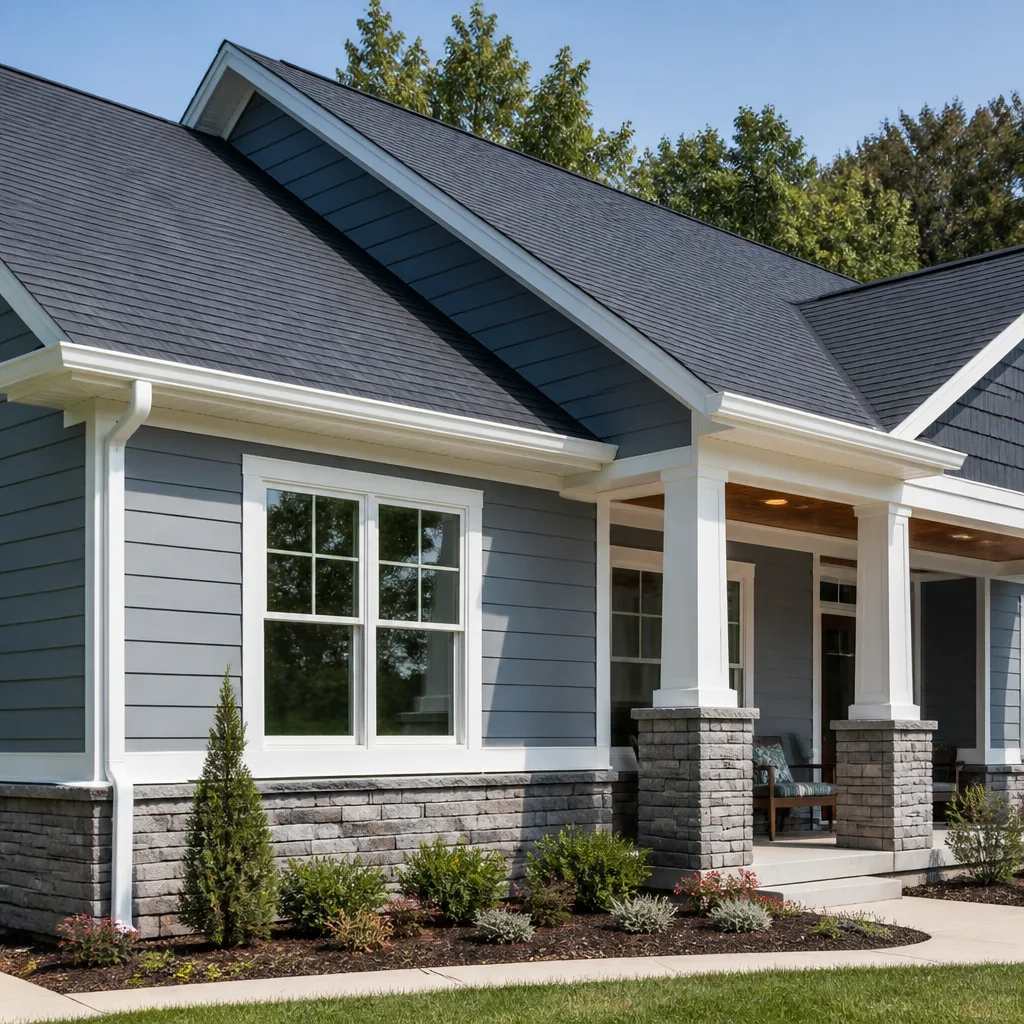
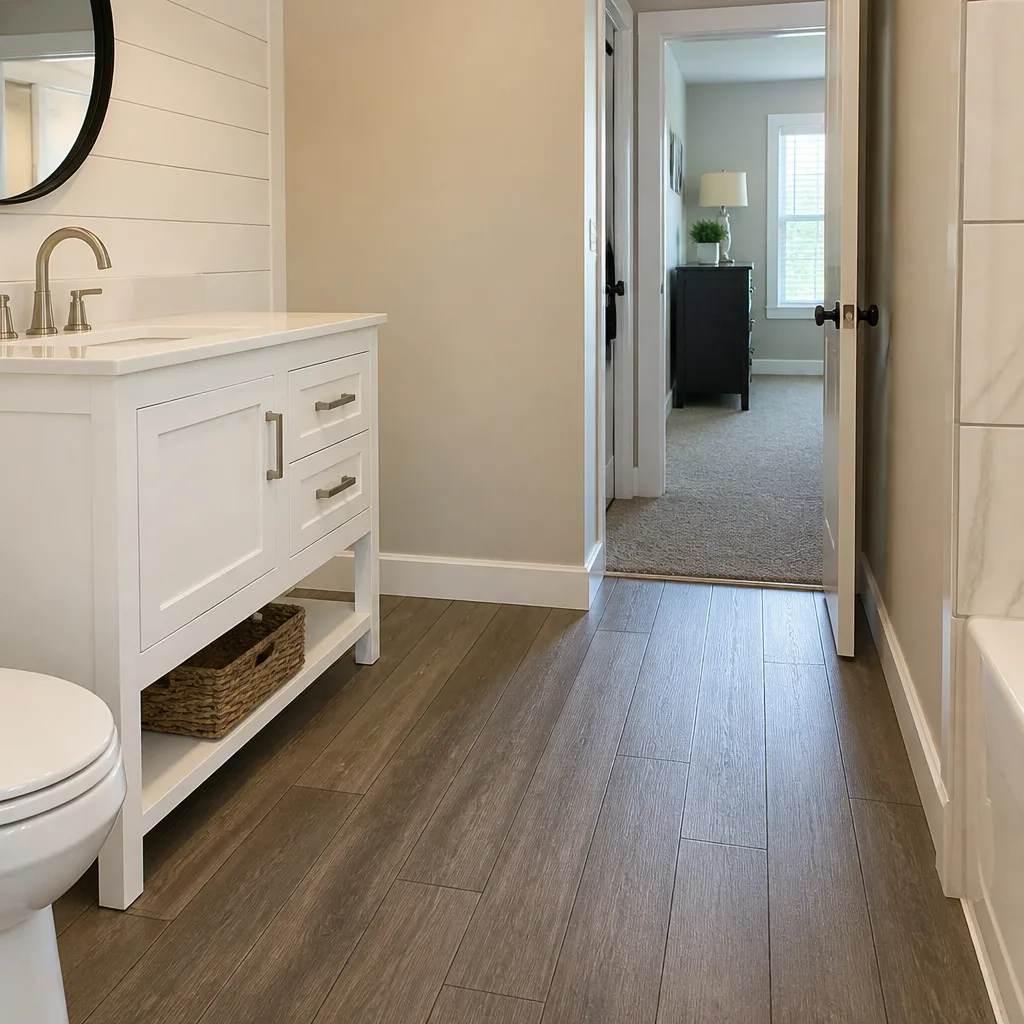
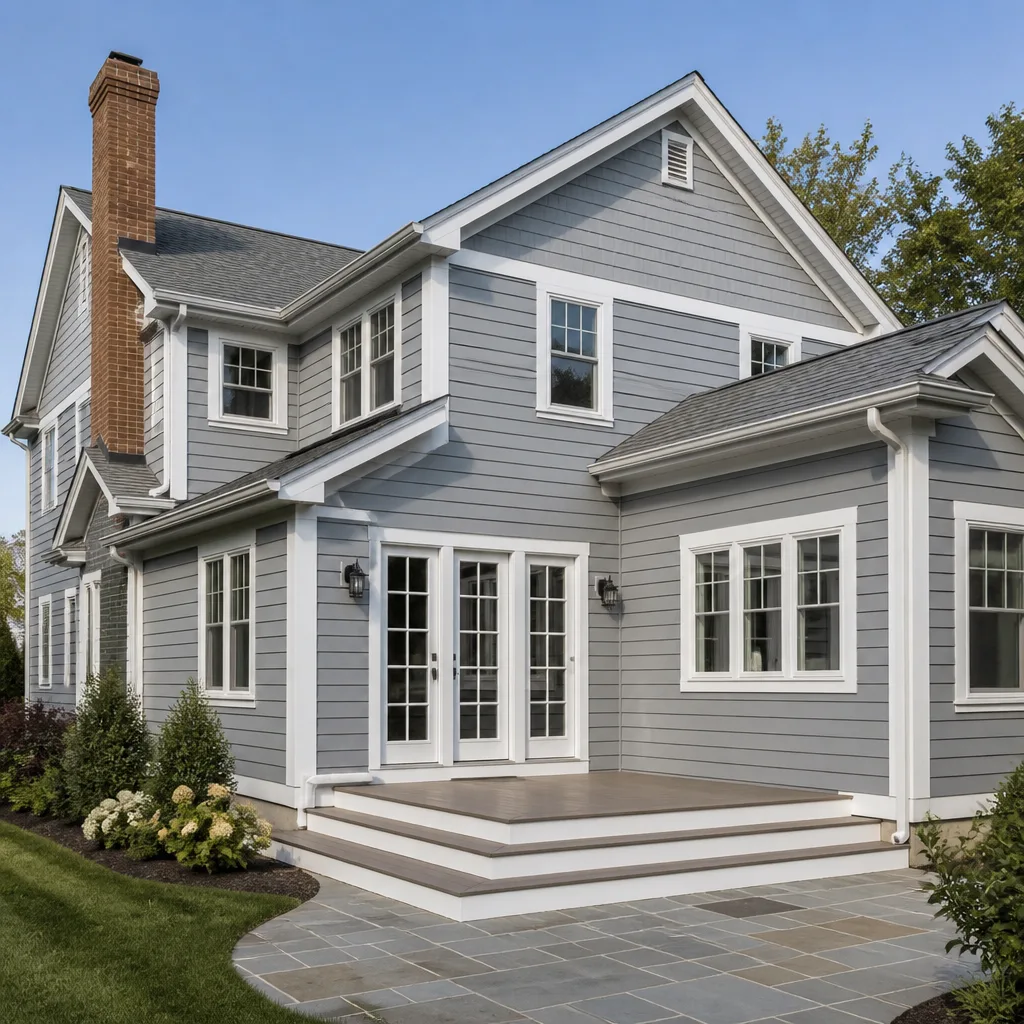
 Before
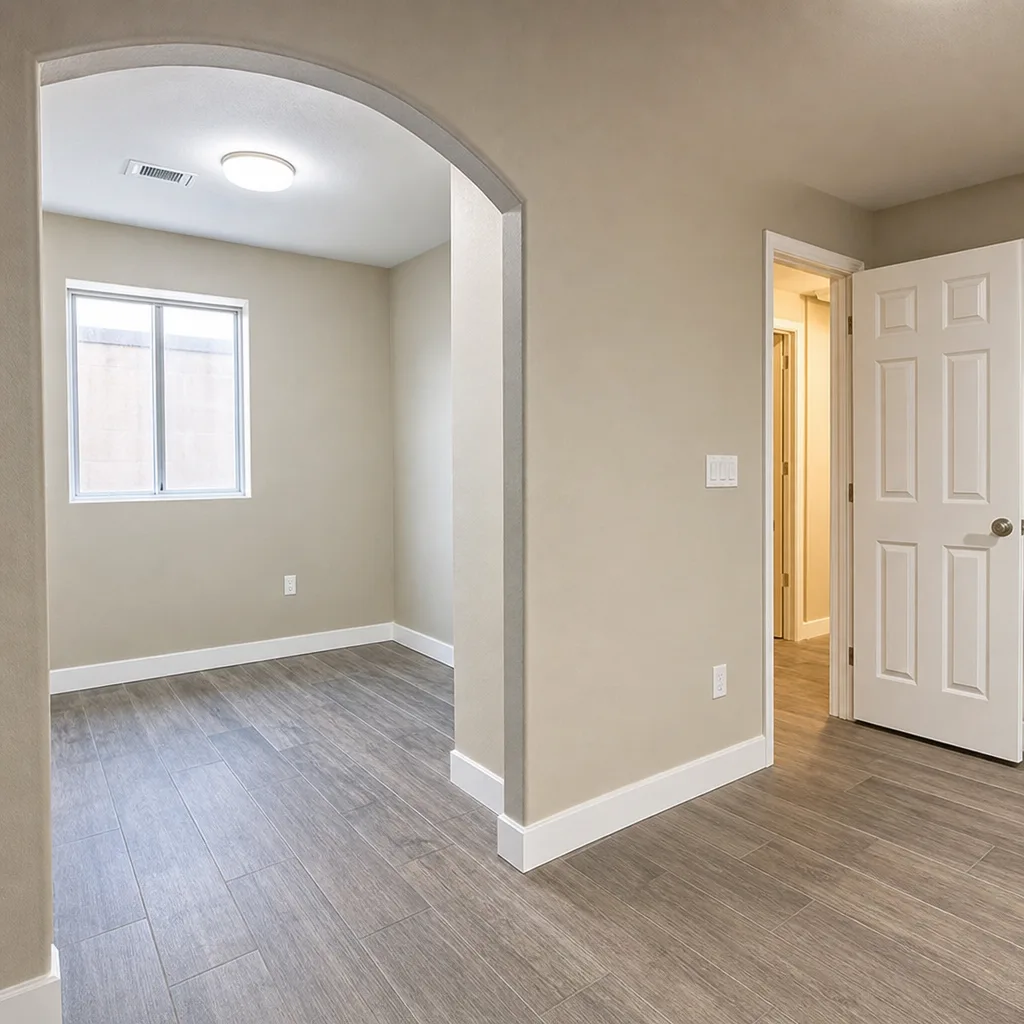 After
After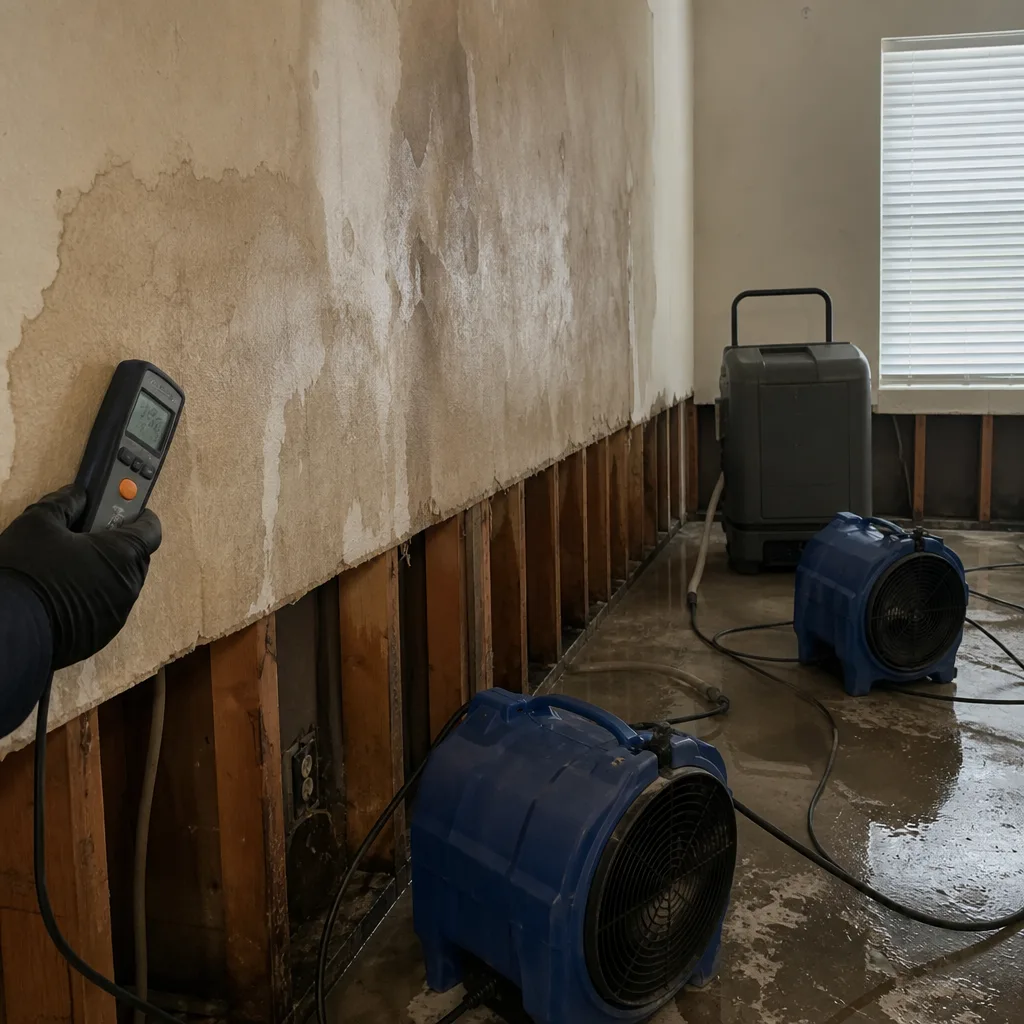 Before
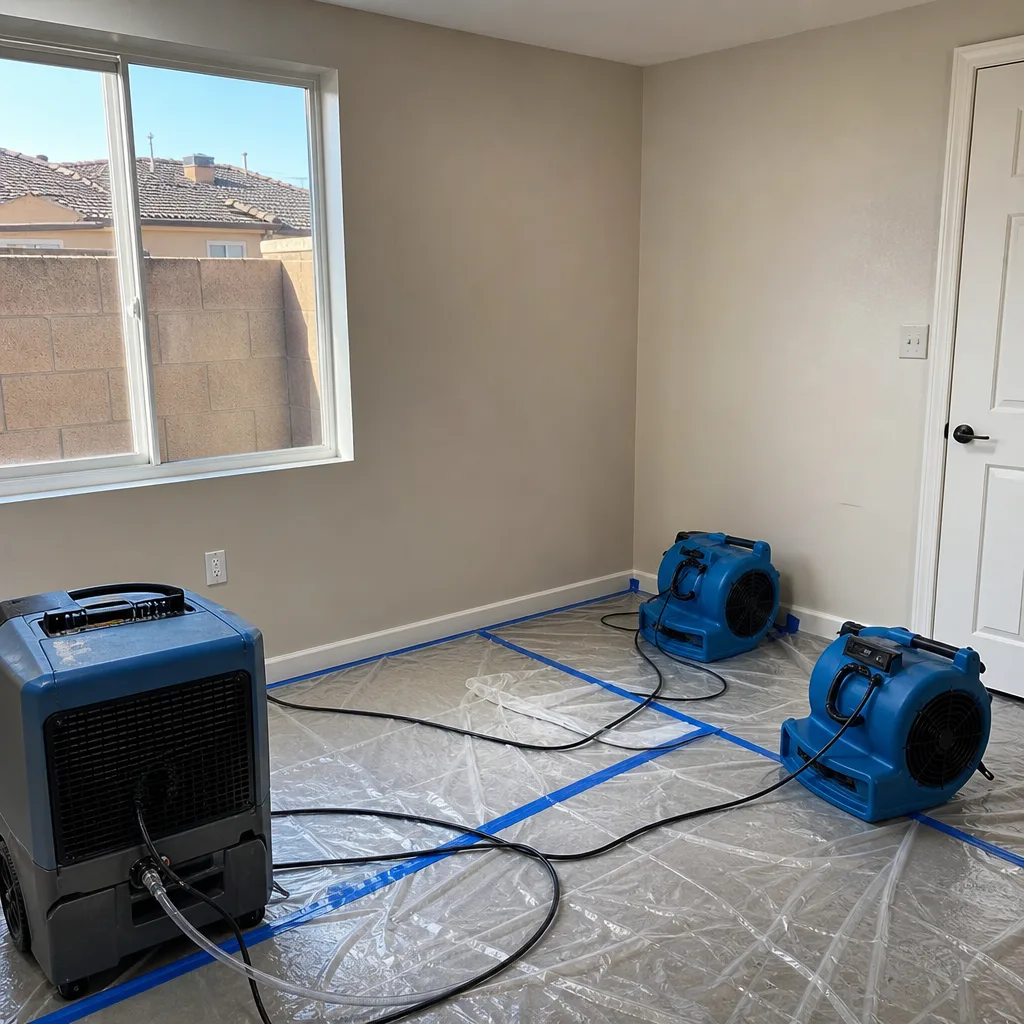 After
After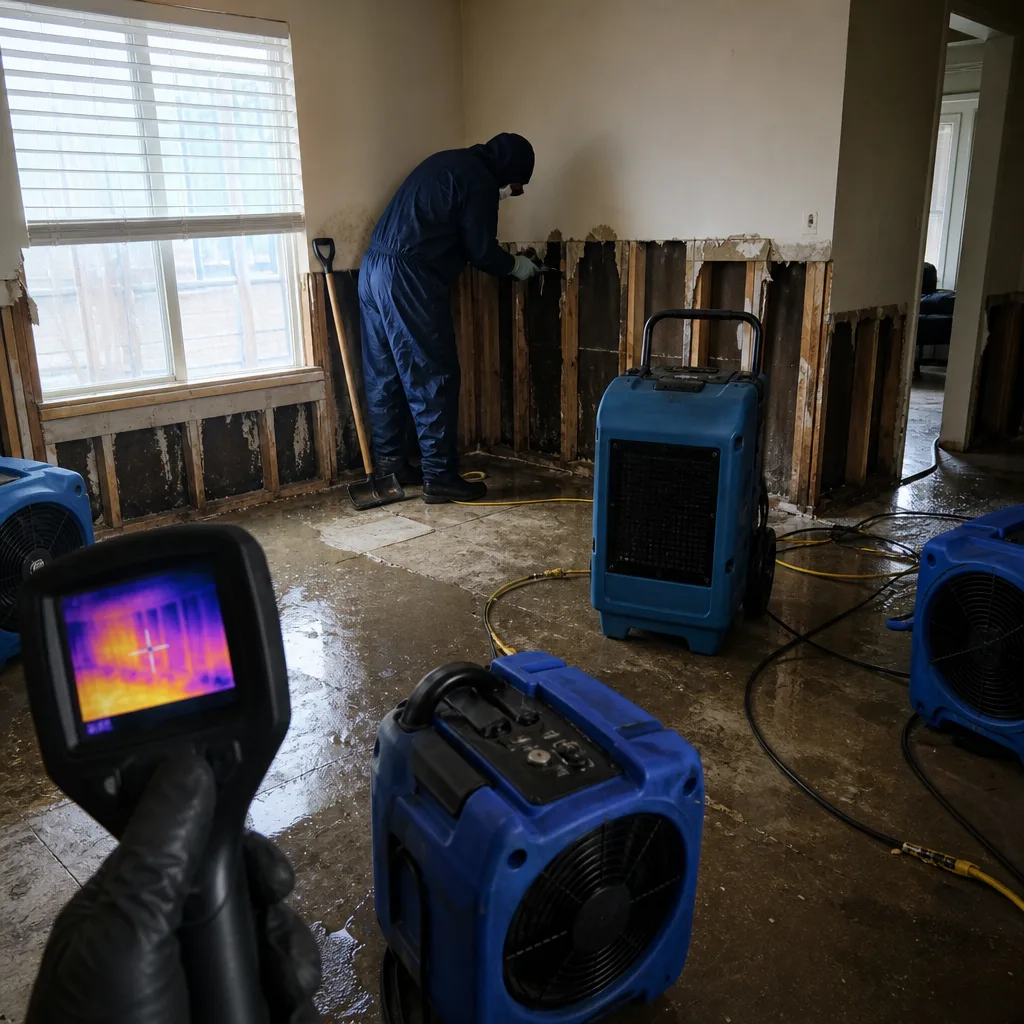 Before
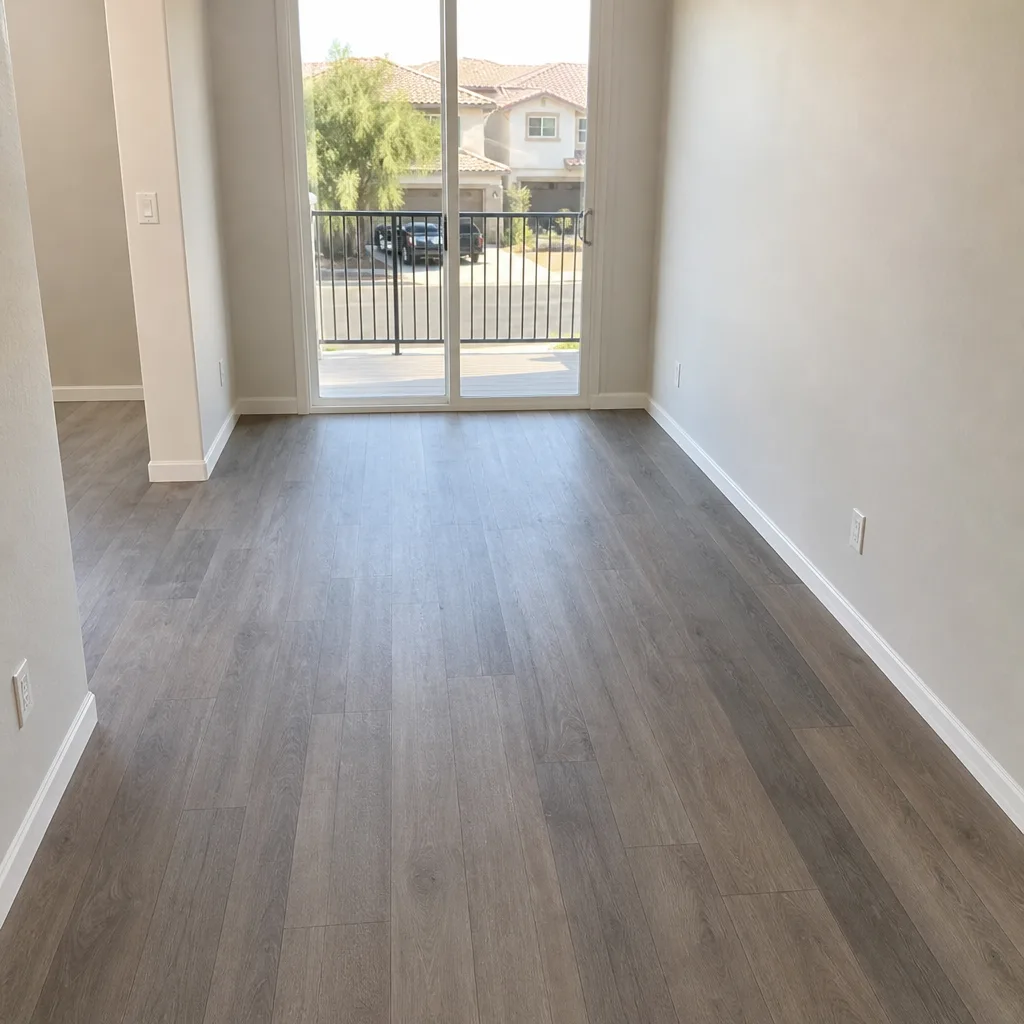 After
After24/7 Emergency Fire & Smoke Damage Restoration in Southern Highlands
A fire in your Southern Highlands home demands immediate action. Call (725) 726-3239 now and a live person will answer, 24 hours a day, every day. Our crews dispatch directly into the Southern Highlands area, and we arrive with thermal imaging cameras, moisture meters, and HEPA filtration equipment to stop secondary damage before it spreads. The first hour after suppression is when water from hoses penetrates stucco wall cavities and smoke residue sets into porous surfaces. Wait, and you’re looking at mold colonization inside wall assemblies and permanent odor embedding in attic insulation.
We provide a free visual inspection on arrival, document everything with photos, and deliver a written scope and price before any work begins. That’s Haven Standard, Clause 1. No exceptions.
Understanding Fire & Smoke Damage Restoration Severity in Southern Highlands Properties
Fire damage in Southern Highlands follows patterns shaped by this community’s specific construction era and elevation. Nearly every home here was built between 1998 and 2012 as part of a master-planned development: stucco-over-wood-frame, tile roofs, open floor plans, slab foundations. These assemblies create concealed channels where smoke migrates and suppression water hides.
We classify fire and smoke damage by residue type and migration path. Dry smoke from fast-burning, high-heat fires produces powdery, non-smeary residues that cling to horizontal surfaces. Wet smoke from slow, oxygen-starved burns leaves sticky, odorous films that penetrate deeply into porous materials. Protein fires, common in kitchen incidents, leave nearly invisible but pungent residues that standard cleaning misses entirely.
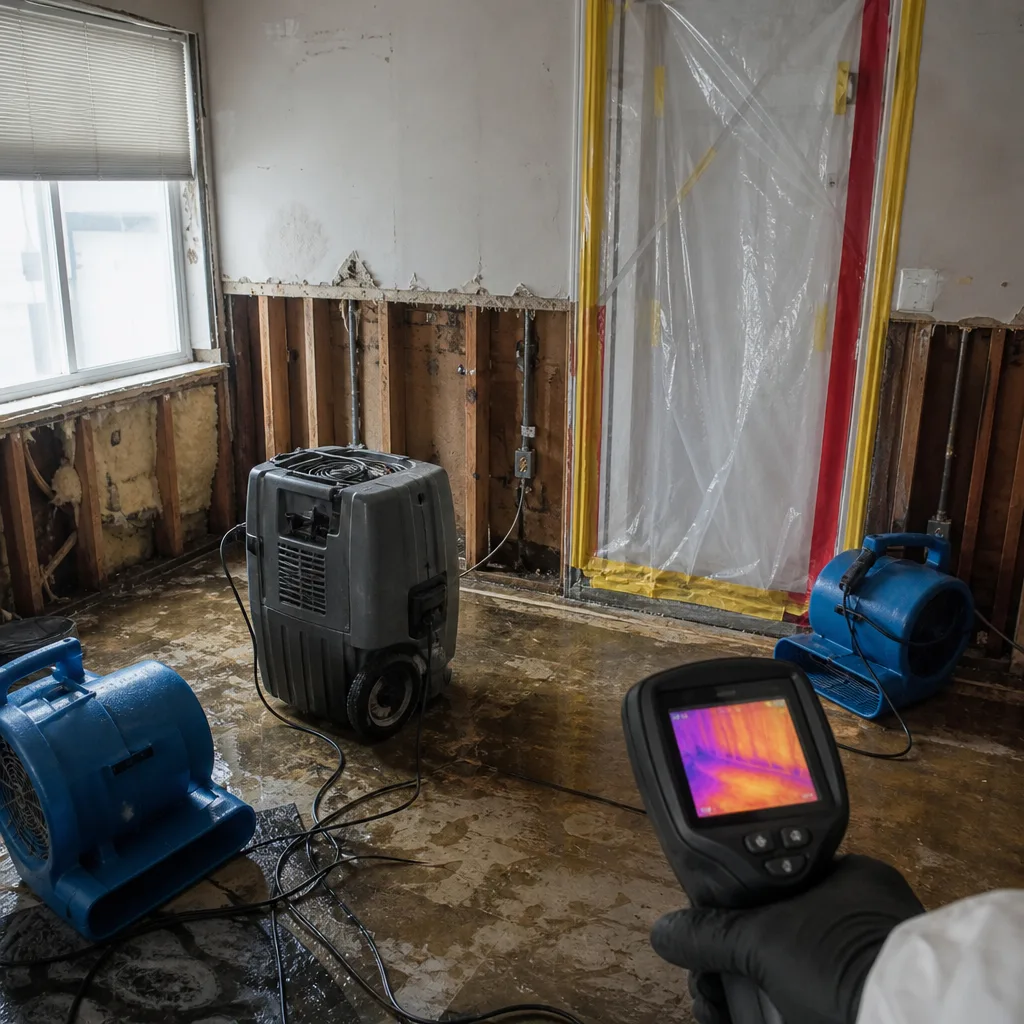
In Southern Highlands homes, the critical variable is the combination effect: smoke infiltration plus water intrusion. The same 5/8-inch drywall on metal track framing, large-format tile over slab, and spray-foam attic insulation that our crews see repeatedly here traps both residues and moisture. Without psychrometric data, vapor pressure differential readings, and documented moisture mapping, you cannot distinguish surface damage from concealed contamination. That’s why our assessments include thermal imaging to trace migration through open floor plans and attic cavities where smoke and water travel together.
Why Southern Highlands Property Owners Choose DryMark Restoration North Las Vegas
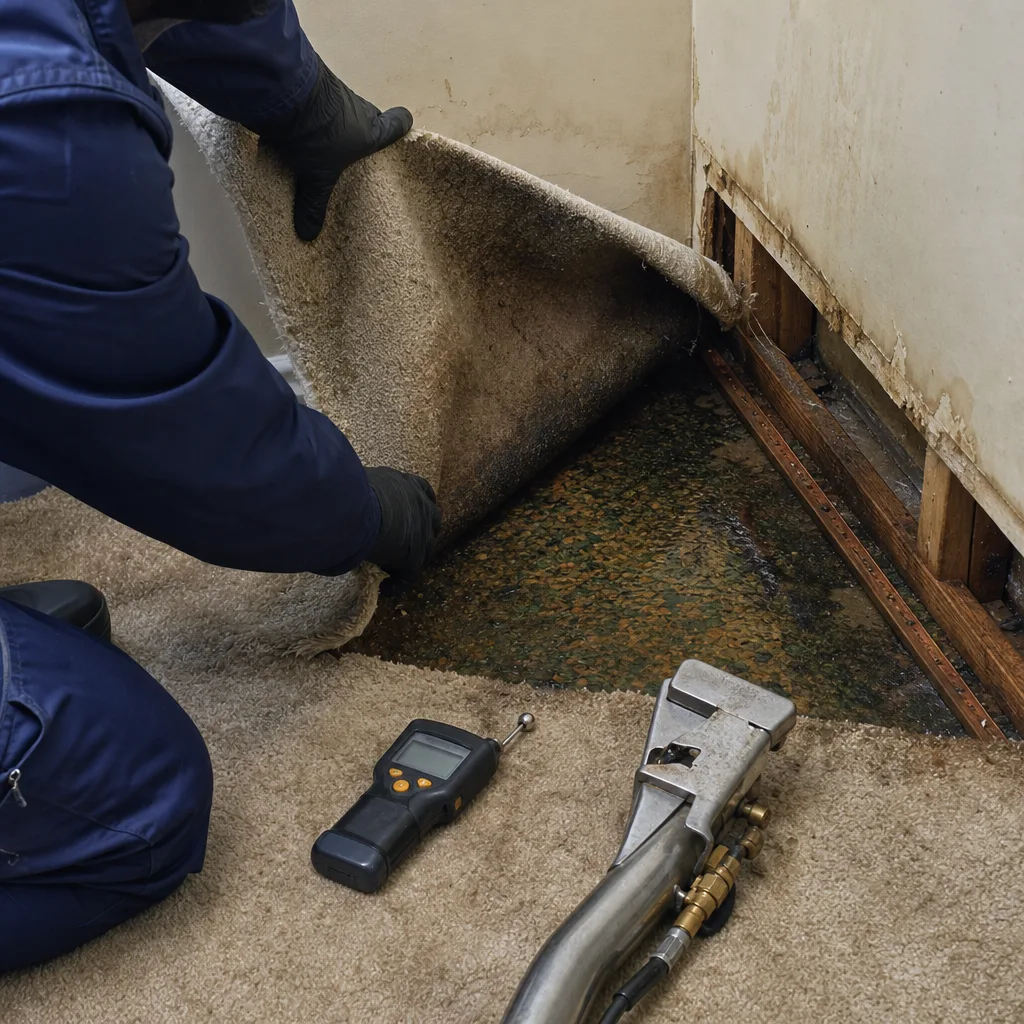
- 45-minute response commitment to the Southern Highlands area, with crews staged for immediate dispatch.
- 24/7 live answer - a real person, never an automated system or voicemail tree, on every call.
- IICRC-certified crews holding FSRT (Fire and Smoke Restoration Technician) and WRT (Water Damage Restoration Technician) certifications, with documented training to RIA and IFA standards.
- Free visual inspection with photo documentation before any commitment or charge.
- Direct insurance billing and adjuster coordination, with every invoice supported by room-by-room photo records and drying logs.
- One team from emergency board-up through final reconstruction, eliminating handoff gaps that lose documentation and delay claims.
 Before
 After
AfterOur Fire & Smoke Damage Restoration Process
1. Inspection & Assessment
We arrive with thermal imaging cameras, hygrometers, and moisture meters to map both visible fire damage and concealed smoke-water combination effects. Every room is photographed, moisture readings are logged, and we identify which materials are restorable versus which require removal. In Southern Highlands’s open-plan homes, this step often reveals smoke migration into attic cavities and water penetration behind stucco that surface inspection would miss.
2. Emergency Board-Up & Tarping
Broken windows, compromised roof sections, and damaged doors are secured immediately to prevent weather intrusion and unauthorized entry. We use wind-rated materials where structural integrity demands it, and document every board-up with photos for your adjuster.
3. Water Extraction & Structural Drying
Suppression water is extracted using truck-mounted systems, then we deploy Dri-Eaz and Phoenix dehumidifiers with calculated air mover placement based on psychrometric targets. Daily moisture logs track progress to IICRC S500 standards, producing the documentation that turns restoration invoices into payable claims.
4. Smoke & Soot Removal
Dry, wet, and protein residues require distinct cleaning chemistry and mechanical action. We match the method to the residue type, using HEPA vacuums, ultrasonic cleaning for contents, and specialized sponges for delicate surfaces. In Southern Highlands homes with spray-foam attic insulation, we test for smoke particle infiltration that standard surface cleaning cannot reach.
5. Odor Removal & Deodorization
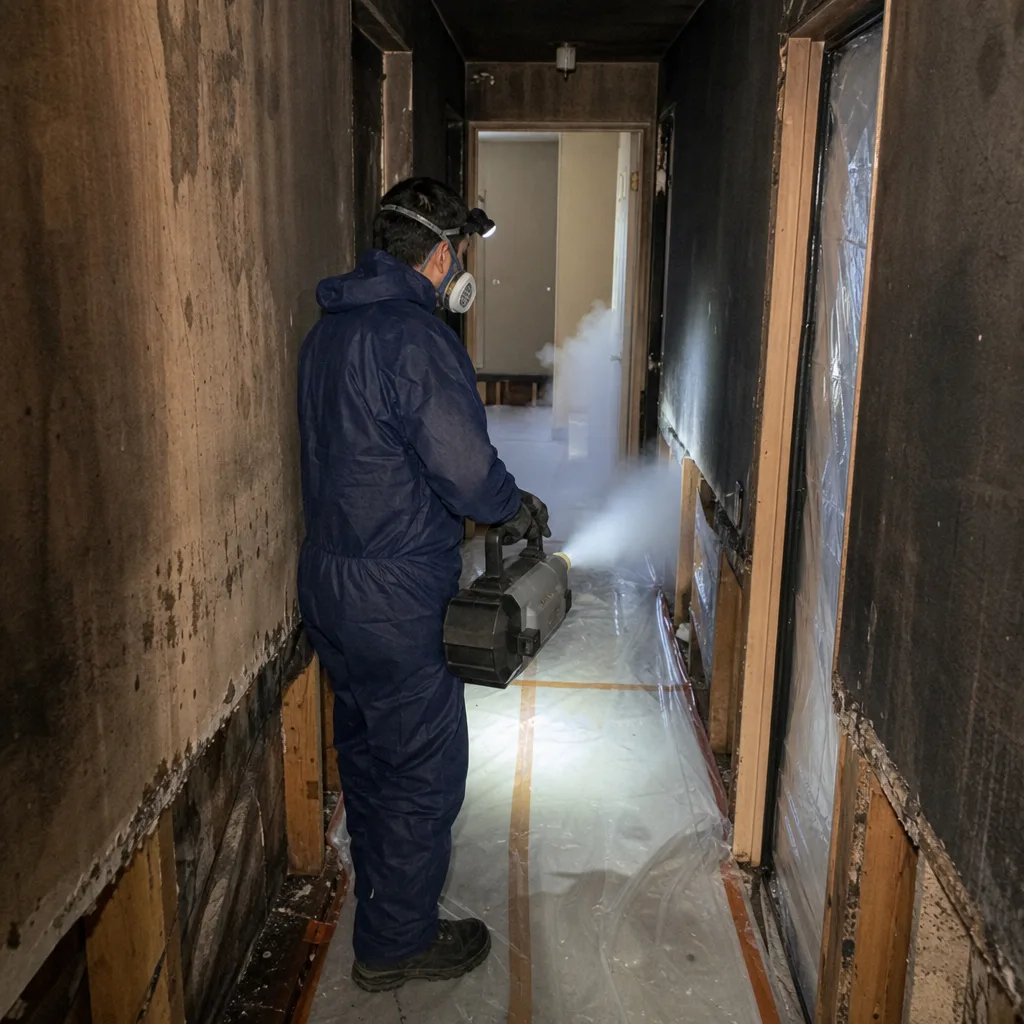
Smoke odor that persists after cleaning indicates hidden contamination. We deploy hydroxyl generators and ozone treatment where appropriate, plus thermal fogging and duct cavity deodorization. For Southern Highlands properties with combined smoke-water damage, we verify that odor sources aren’t also moisture sources before declaring the treatment complete.
6. Repairs & Restoration
Final reconstruction returns damaged areas to pre-loss condition. We provide a written scope and price before any rebuild work begins, backed by our 365-Day Done Right Promise under The Haven Standard.
Need Emergency Fire & Smoke Damage Restoration in Southern Highlands Now?
Crews minutes away, answering live 24 hours a day. The sooner we start, the less it costs.
Working With Your Insurance Company
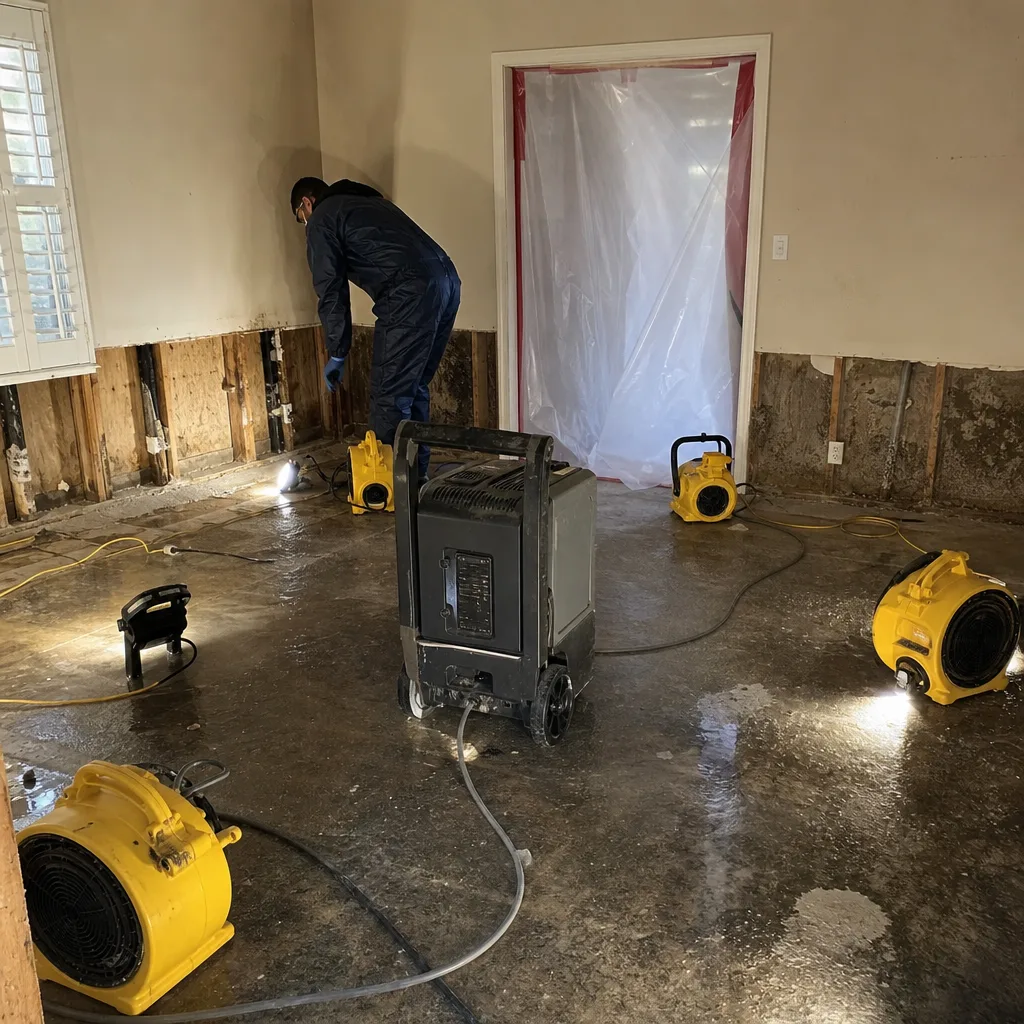
Fire claims succeed or fail on documentation. We know this because our founder, Alicia Brennan, built Back to Dry Restoration in 2011 after working as a claims adjuster and watching homeowners lose legitimate payouts to incomplete files. Every Southern Highlands job we handle produces the evidence your carrier needs from hour one.
We photograph all damage room by room, log moisture readings and drying progress daily, and deliver a detailed line-item scope written to industry-standard estimating platforms. Your adjuster receives direct communication from our team, not a stack of invoices requiring interpretation. The photo record, drying log, and written scope are standard deliverables on every visit, never upsells.
Bring us a competitor’s written estimate and we’ll provide a Free Second Opinion at no charge.
What We Provide Your Insurer
- Thorough documentation of the loss
- Photos of all damage, room by room
- Moisture readings and drying logs
- A detailed, line-item scope of work
- Direct coordination with your carrier
Built for Southern Highlands’s Loss Calendar
Southern Highlands’s position 2,800-3,500 feet above central Las Vegas creates a distinct damage calendar that lower-elevation restoration crews rarely encounter. July through September, monsoon thunderstorm cells intensify as they push up the terrain from the valley floor, generating wind-borne debris that strips tile roof edges and clogs drainage paths. When fire follows wind damage, whether from lightning strike, electrical fault, or debris ignition, suppression water penetrates behind compromised stucco and saturates wall cavities where hidden smoke residue and moisture combine.
Winter brings the second peak. Below-freezing nights crack aging CPVC supply lines in homes built during the 1998-2012 construction wave, and the resulting Category 2 or 3 water migrates under slab foundations and into wall cavities. Fire cleanup crews focused on soot and odor can miss this second front entirely without moisture mapping and thermal imaging.
The same elevation that drives these dual seasonal peaks also shapes how smoke behaves in Southern Highlands homes. Cold-front winds pressurize structures differently than valley-floor conditions, driving smoke deeper into spray-foam attic insulation and open floor plan cavities where it remains trapped without specialized extraction and deodorization.
Fire & Smoke Damage Restoration Across Southern Highlands’s Neighborhoods
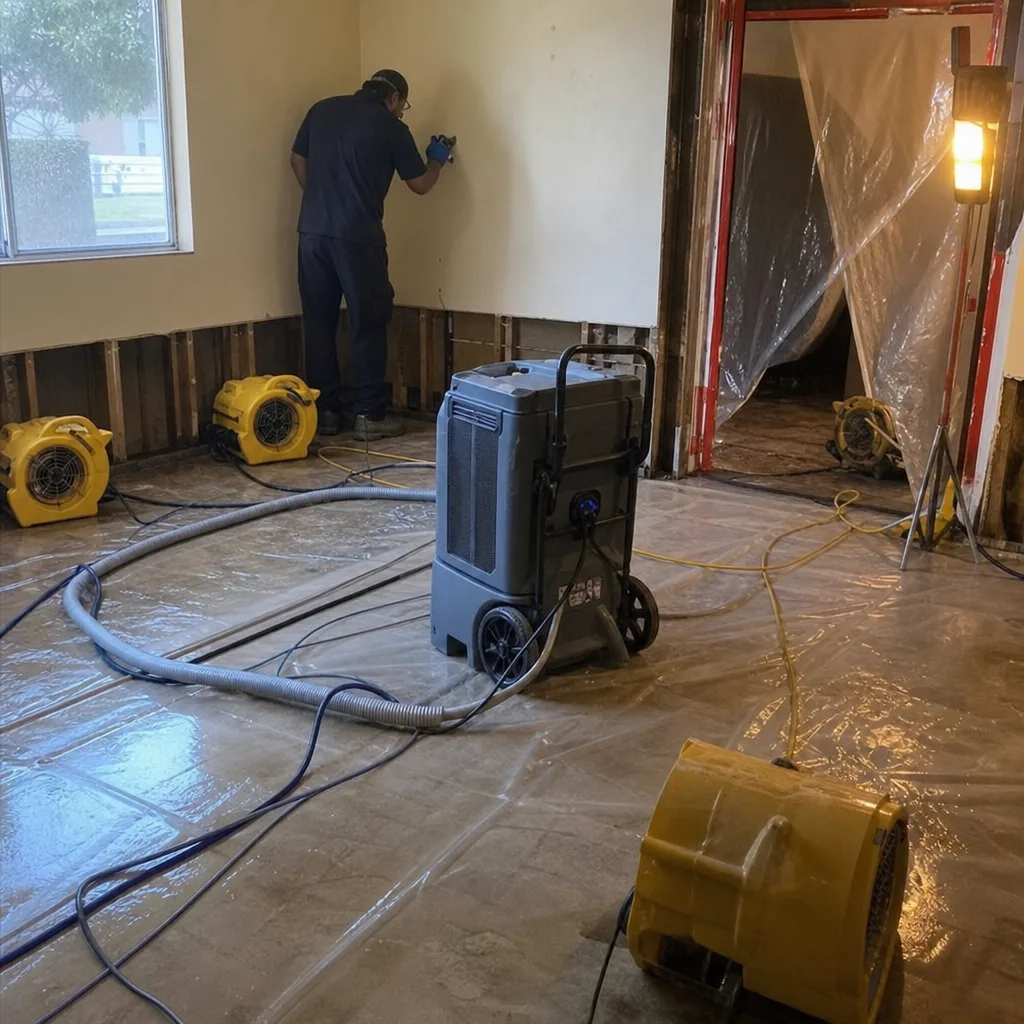
Our crews know the response routes into Southern Highlands’s distinct neighborhoods, and each area presents characteristic loss patterns tied to its placement and build phase.
Homes near the Southern Highlands Golf Club, particularly along the fairway edges, show a repeat-call pattern we document carefully: subsurface irrigation from drip and spray-head systems migrates laterally under stucco slabs and into first-floor wall cavities, producing hidden moisture that homeowners consistently misattribute to monsoon intrusion. After a fire in these properties, we always test whether odor persistence is smoke residue, moisture-activated microbial growth, or both.
The higher-elevation sections above 3,200 feet, toward the western ridgeline, experience more severe freeze-thaw cycling on exposed plumbing. Fire suppression in these homes during winter months nearly always reveals pre-existing moisture from pipe fatigue, complicating the restoration scope.
Interior neighborhoods with the earliest construction phases, 1998-2004, show the most CPVC supply line failures and the least attic ventilation, making smoke odor retention in roof assemblies particularly stubborn. Newer sections with spray-foam insulation require more invasive cavity access for complete deodorization.
Properties along Southern Highlands Parkway and the main arterial corridors face greater wind exposure during monsoon outflows, with more frequent roof-edge damage and subsequent water intrusion paths that intersect with any fire event.
Specialized Fire & Smoke Damage Restoration Services We Offer in Southern Highlands
Fire Damage Cleanup
We remove damaged materials, clean restorable surfaces, and document salvage decisions with photos for your adjuster. In Southern Highlands’s stucco-over-frame construction, we pay particular attention to the gap between exterior cladding and structural sheathing where smoke and water both migrate.
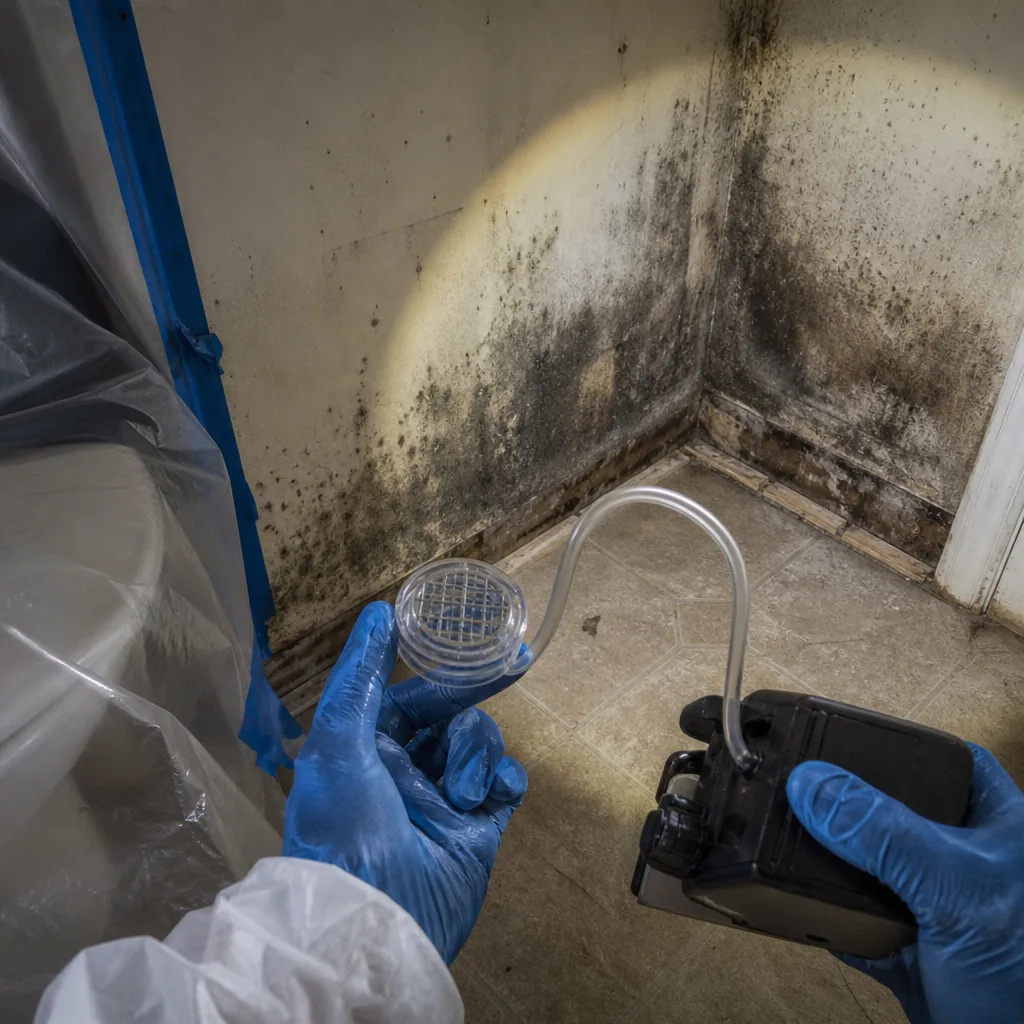
Smoke & Soot Removal
Dry, wet, and protein residues each demand specific chemistry and technique. Our FSRT-certified crews identify residue types through field testing, then select the appropriate cleaning method. For Southern Highlands homes with combined fire-water losses, we sequence smoke removal after structural drying to prevent setting residues deeper into damp materials.
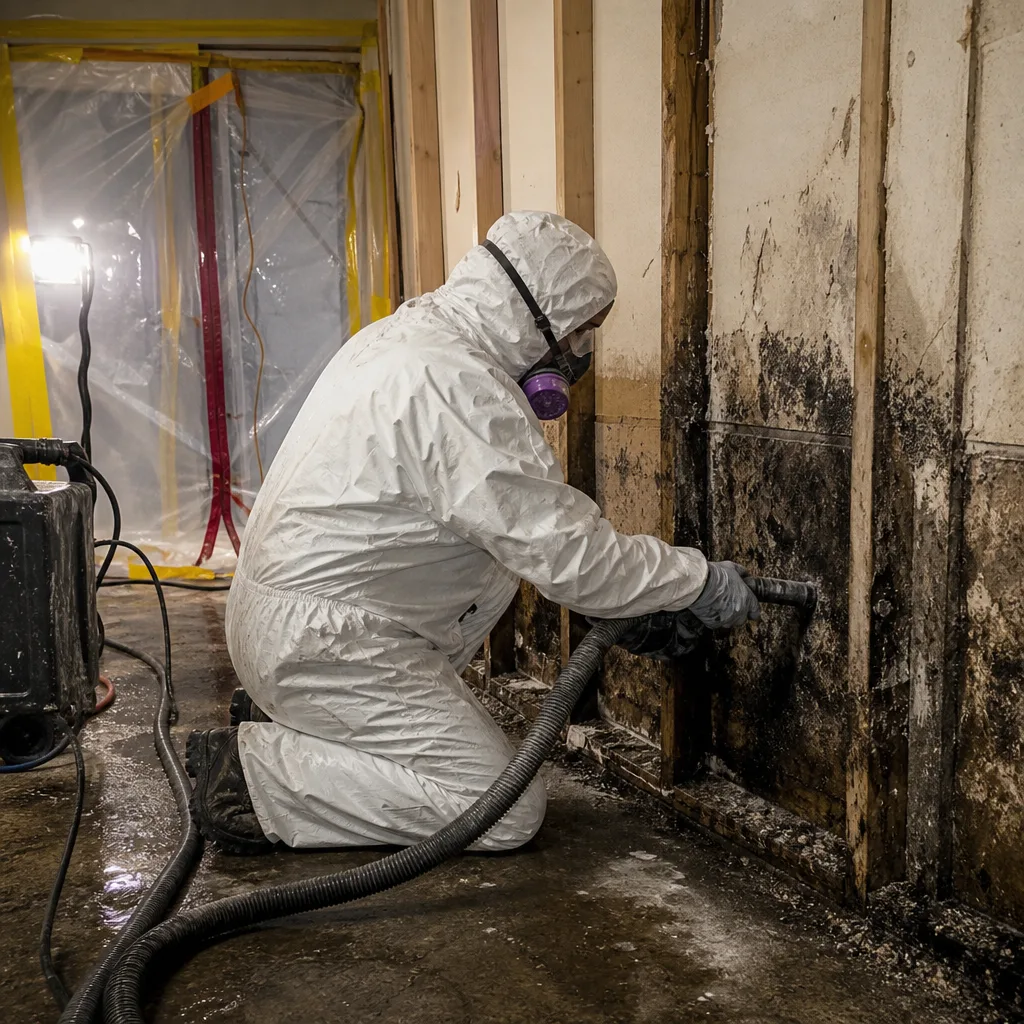
Odor Removal & Deodorization
Persistent smoke odor indicates hidden contamination. We deploy hydroxyl generators for occupied spaces, ozone treatment for unoccupied areas, and thermal fogging for duct and cavity work. In Southern Highlands properties with spray-foam attic insulation, we verify that foam hasn’t absorbed smoke particles that will re-release during summer heat cycles.
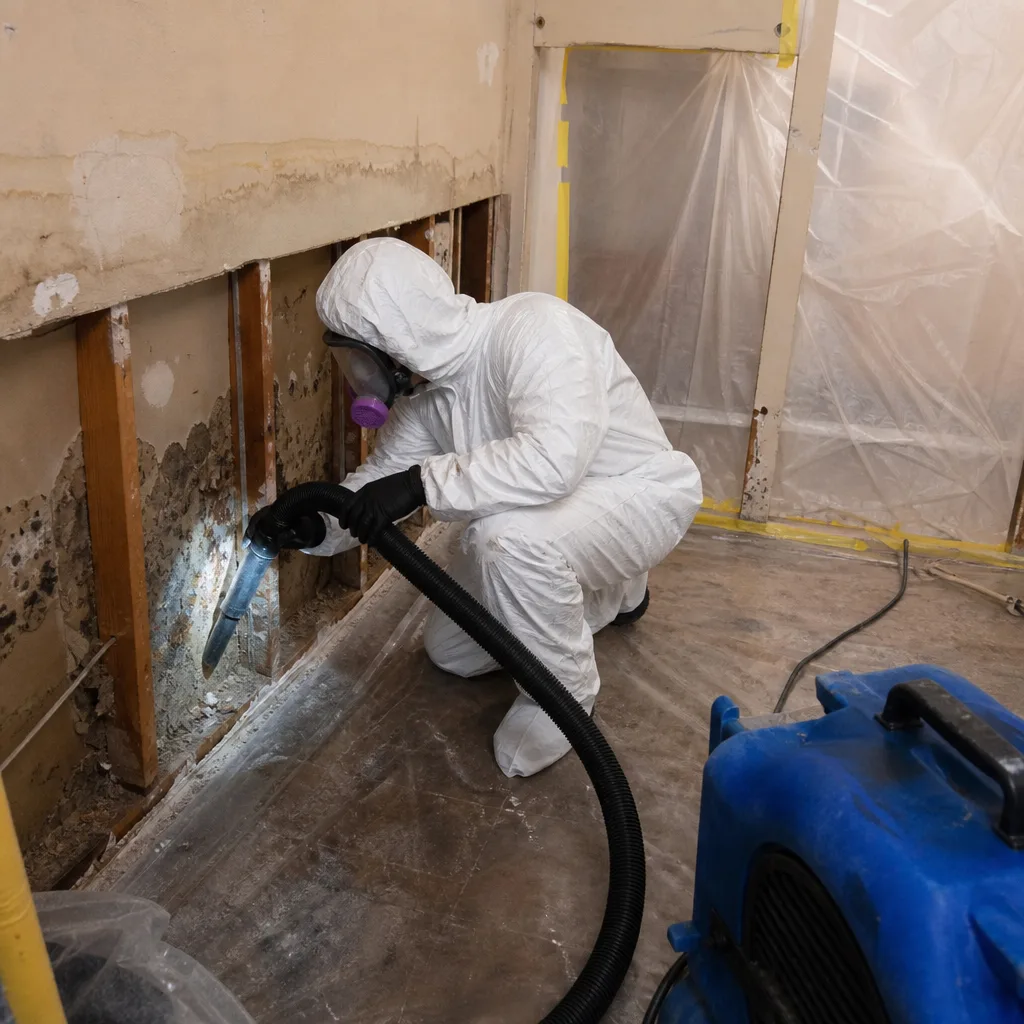
Contents Cleaning & Pack-Out
Restorable belongings are inventoried, photographed, and transported to our facility for ultrasonic cleaning, ozone treatment, or specialized textile restoration. We provide a detailed contents list with condition documentation for your insurance claim.
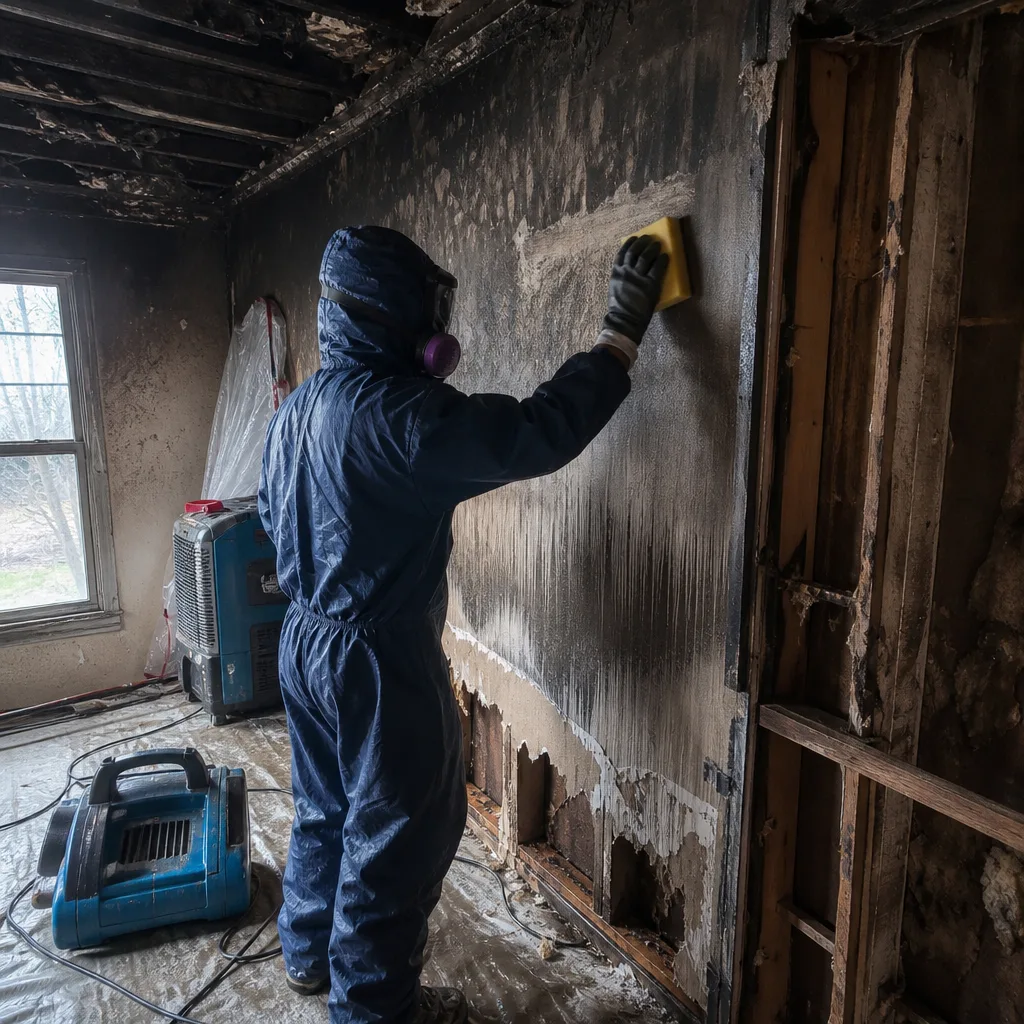
Emergency Board-Up & Tarping
Wind-damaged roof sections and fire-compromised openings are secured immediately with materials rated for Southern Highlands’s wind exposure. We document every temporary repair with photos and measurements, and we remain liable for the security of your property until permanent repairs are complete.
What happens when you call
- 1
A real person answersNo phone trees - you reach a local pro.
- 2
You get an upfront price rangeHonest numbers before anyone is dispatched.
- 3
A background-checked tech heads outLicensed & insured, dispatched right away.
- 4
You approve before work beginsNothing starts until you say go.
Fire & Smoke Damage Restoration Costs in Southern Highlands, NV
Fire and smoke damage restoration in Southern Highlands typically runs higher than valley-floor Las Vegas due to the combined damage patterns this elevation produces. Emergency board-up and tarping for a standard single-family home ranges from $800-$2,400 depending on roof access complexity and wind-damage extent. Smoke and soot removal for contained kitchen or room fires generally falls between $2,800-$7,500. Whole-structure odor removal and deodorization, including duct and attic cavity work, ranges from $4,500-$12,000.
Water damage from suppression adds a separate line: extraction and structural drying runs $3,200-$8,500 for typical Southern Highlands open-plan homes where water spreads across slab foundations. Contents pack-out and cleaning adds $1,800-$5,500 depending on volume.
What moves the price: square footage affected, residue type (protein fires cost more to deodorize), whether spray-foam attic insulation requires replacement, and the extent of combined water damage. Most homeowner policies cover fire and smoke restoration minus your deductible, and we bill your carrier directly. Out-of-pocket costs typically apply to deductible amounts and any upgrade selections beyond like-kind replacement.
We provide a free visual inspection and written scope before any work begins. Call (725) 726-3239 for your exact estimate.
We Also Serve Cities Near Southern Highlands
Our Las Vegas office dispatches crews throughout the metro area. We also provide fire and smoke damage restoration in Southern Highlands and surrounding communities including North Las Vegas, Aliante, Nellis AFB, and Sunrise Manor. Each area receives the same documented assessment process and written pricing guarantee.
Serving Southern Highlands, NV - Our Local Coverage Area
We’re based in the Southern Highlands area and know this community well. Use the map below to see our service coverage - if you’re nearby, we can almost certainly help.
Southern Highlands Fire & Smoke Damage Restoration Questions, Answered
After a monsoon or windstorm knocks debris into our Southern Highlands home and a small fire starts, how fast should we act to avoid mold?
You should have a restoration crew on site within hours, not days. In Southern Highlands’s stucco-over-frame construction, suppression water penetrates behind exterior cladding and sits in wall cavities where mold colonization begins in 48-72 hours. Our crews arrive with moisture meters and thermal imaging to locate hidden water, set up containment, and begin structural drying immediately. The fire cleanup can proceed in parallel, but water documentation must start first to preserve your insurance claim. Call (725) 726-3239 for immediate dispatch.
Our Southern Highlands home backs the golf course, and after a fire we notice lingering musty odors - could irrigation be involved?
Yes, and we see this pattern repeatedly in Southern Highlands. Subsurface drip and spray-head irrigation from the golf course migrates laterally under slabs and into wall cavities, creating hidden moisture that activates after fire suppression adds more water. The musty odor may be microbial growth in damp wall assemblies rather than residual smoke. We test for both and document the source with moisture readings and thermal imaging so your adjuster understands the full scope. Call (725) 726-3239 for a free inspection.
What makes fire and smoke damage restoration different in Southern Highlands compared to lower-elevation Las Vegas?
Southern Highlands’s 2,800-3,500 foot elevation drives distinct wind and freeze cycles that shape fire damage patterns. Monsoon outflows intensify on the upslope, driving wind-borne debris that compromises roofs before fire even starts. Winter freeze-thaw cycles crack aging CPVC supply lines, creating pre-existing moisture that complicates fire restoration. The master-planned tract construction, nearly uniform across 1998-2012 builds, means our crews encounter the same material assemblies repeatedly: stucco channels, spray-foam attic insulation, and open floor plans that allow smoke and water to migrate far from the origin point. Documentation and containment protocols must account for these combined effects.
Can smoke odor come back after fire cleanup in Southern Highlands homes with spray-foam attic insulation?
It can if the initial scope didn’t include foam testing and cavity deodorization. Spray-foam insulation in newer Southern Highlands sections can absorb smoke particles during a fire, then re-release odor during summer attic temperature peaks. Our process includes vapor pressure differential testing and, when indicated, targeted foam removal with HEPA containment and replacement. We warranty our odor removal work under the 365-Day Done Right Promise. If odor returns, we return. Call (725) 726-3239 to discuss your specific situation.
What should a Southern Highlands homeowner have ready for a fire damage claim after a storm?
Gather your insurance policy declarations page, any photos you took of the damage before emergency crews arrived, and the fire department incident report number if available. Document your immediate expenses for temporary lodging and emergency purchases. We handle the rest: our photo record, moisture logs, drying documentation, and line-item scope are formatted for direct adjuster submission. We also coordinate directly with your carrier’s field adjuster and provide a Free Second Opinion on any competitor’s estimate. Call (725) 726-3239 and we’ll guide you through the documentation step by step.
How fast can your crew actually get to Southern Highlands?
We maintain a 45-minute response commitment to the Southern Highlands area with crews staged for immediate dispatch. A live person answers every call, 24 hours a day, with no voicemail trees. Crews arrive with thermal imaging, moisture meters, HEPA equipment, and temporary power if needed. The exact arrival time depends on your specific location within Southern Highlands and current call volume, but we communicate our ETA when you call and update you if conditions change. Call (725) 726-3239 now for current dispatch status.
Do we need to move out during fire and smoke restoration?
It depends on the extent of damage and which restoration phases are active. During emergency board-up, water extraction, and initial smoke removal with ozone or hydroxyl generators, temporary relocation is often necessary for safety and equipment effectiveness. Once structural drying is established and air quality testing confirms safe conditions, many homeowners return for limited occupancy while reconstruction proceeds. We provide a written schedule showing which phases require vacating and for how long, so you can plan accordingly. Your homeowner policy may cover additional living expenses during displacement.
What certifications do your fire restoration technicians hold?
Our lead technicians hold IICRC FSRT (Fire and Smoke Restoration Technician) and WRT (Water Damage Restoration Technician) certifications, with additional training documented to RIA and IFA standards. All technicians are background-checked, licensed, and insured, with license numbers available on request. Equipment operation and safety protocols follow manufacturer certification for Dri-Eaz, Phoenix, and Injectidry systems. We do not send untrained labor to fire damage sites; every crew member has documented classroom and field hours in fire and smoke restoration specifically.
Fire and smoke damage in Southern Highlands demands more than standard cleanup. The elevation, wind exposure, and specific construction era of this community create combined damage patterns that require documented assessment, specialized equipment, and crews who know the local housing stock. Our Fire & Smoke Damage Restoration team delivers written pricing before work begins, photo documentation on every visit, and direct insurance coordination that protects your claim.
Written by Alicia Brennan, Owner at Back to Dry Restoration, serving Southern Highlands since 2011.
Fire & Smoke Damage Restoration in Nearby Areas