
Free visual inspection and a written scope of work before any mitigation begins - photos, moisture readings, and drying logs go in your claim file
The scope we write is the scope we bill. Anything new gets shown to you, in writing, before we touch it.
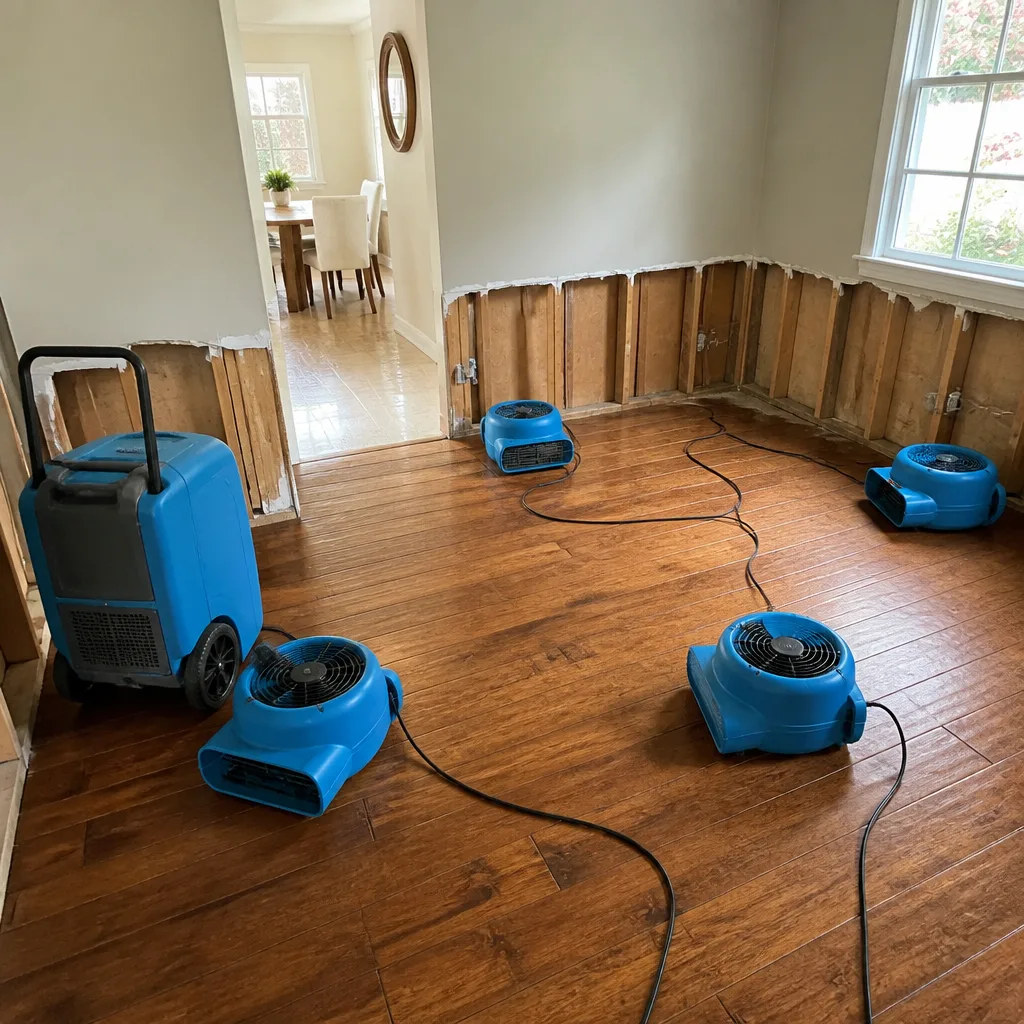
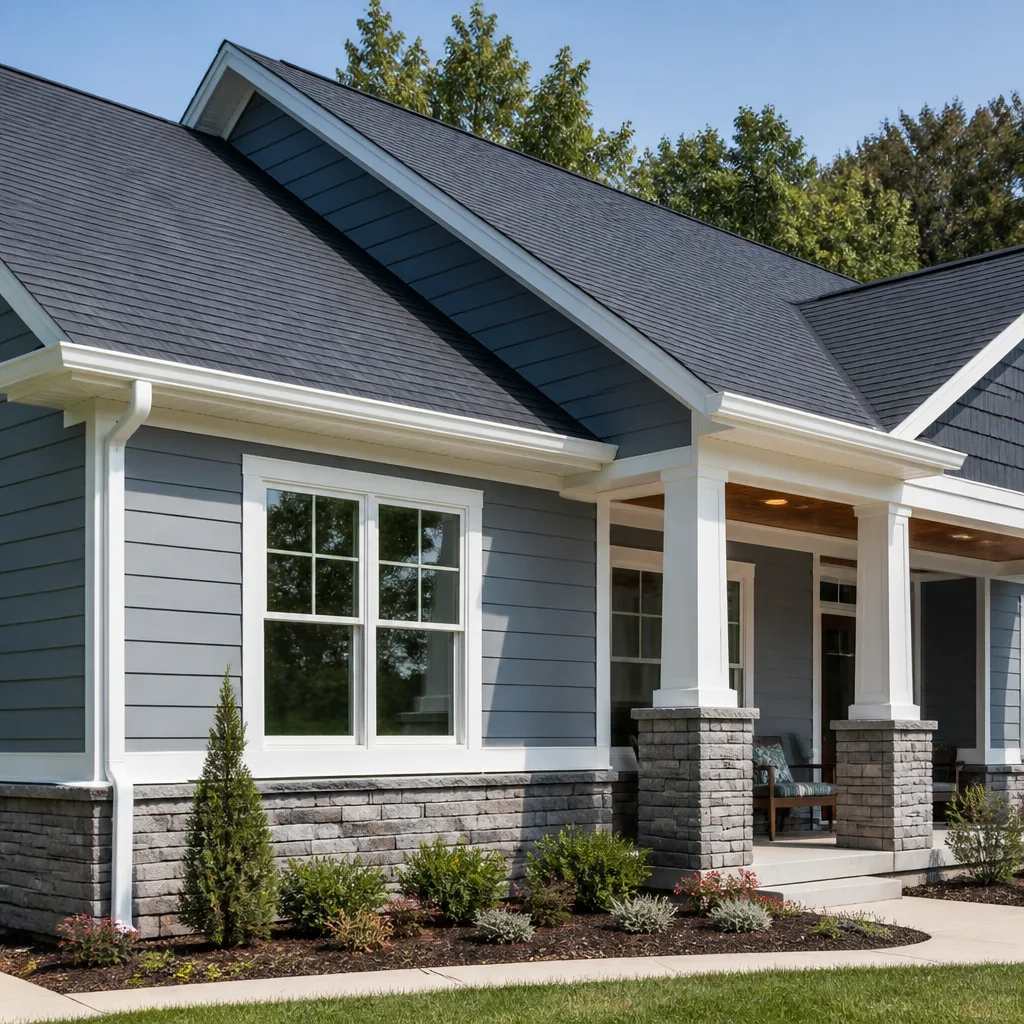
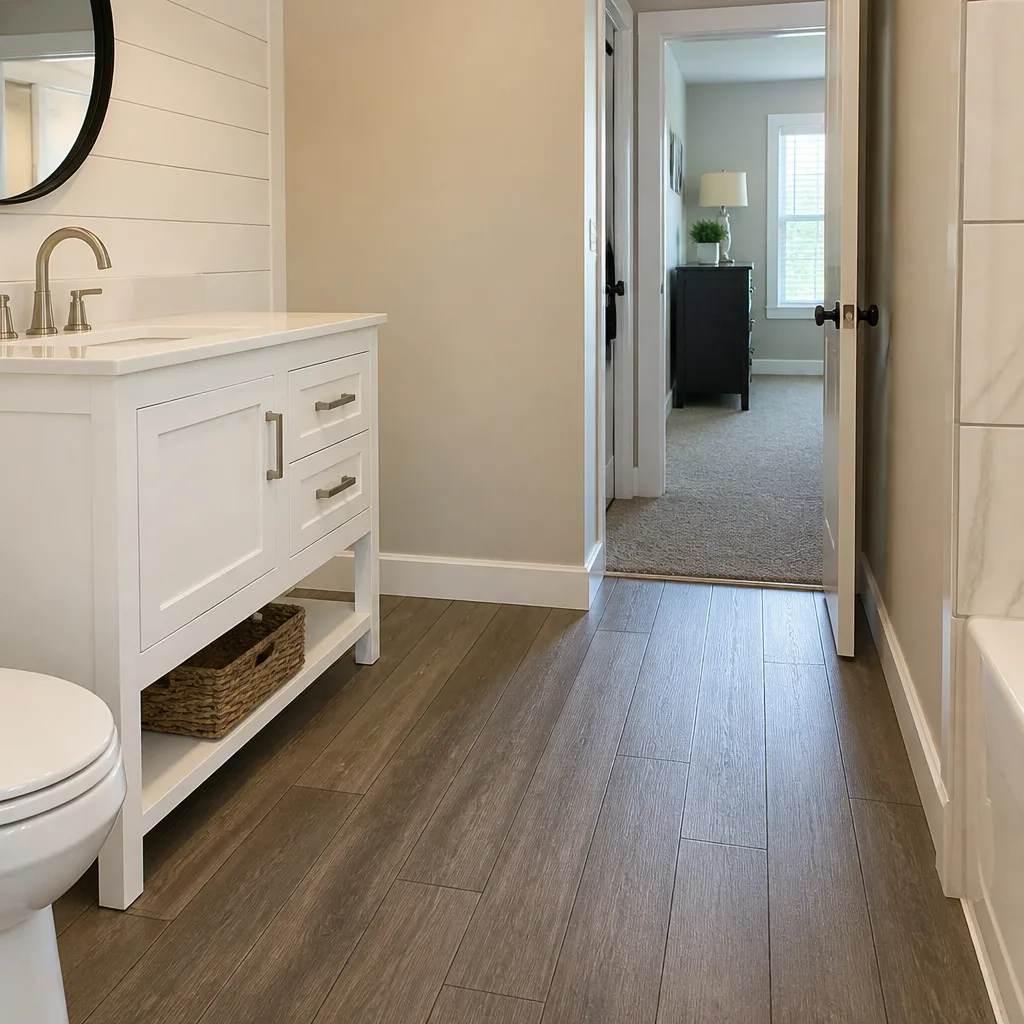
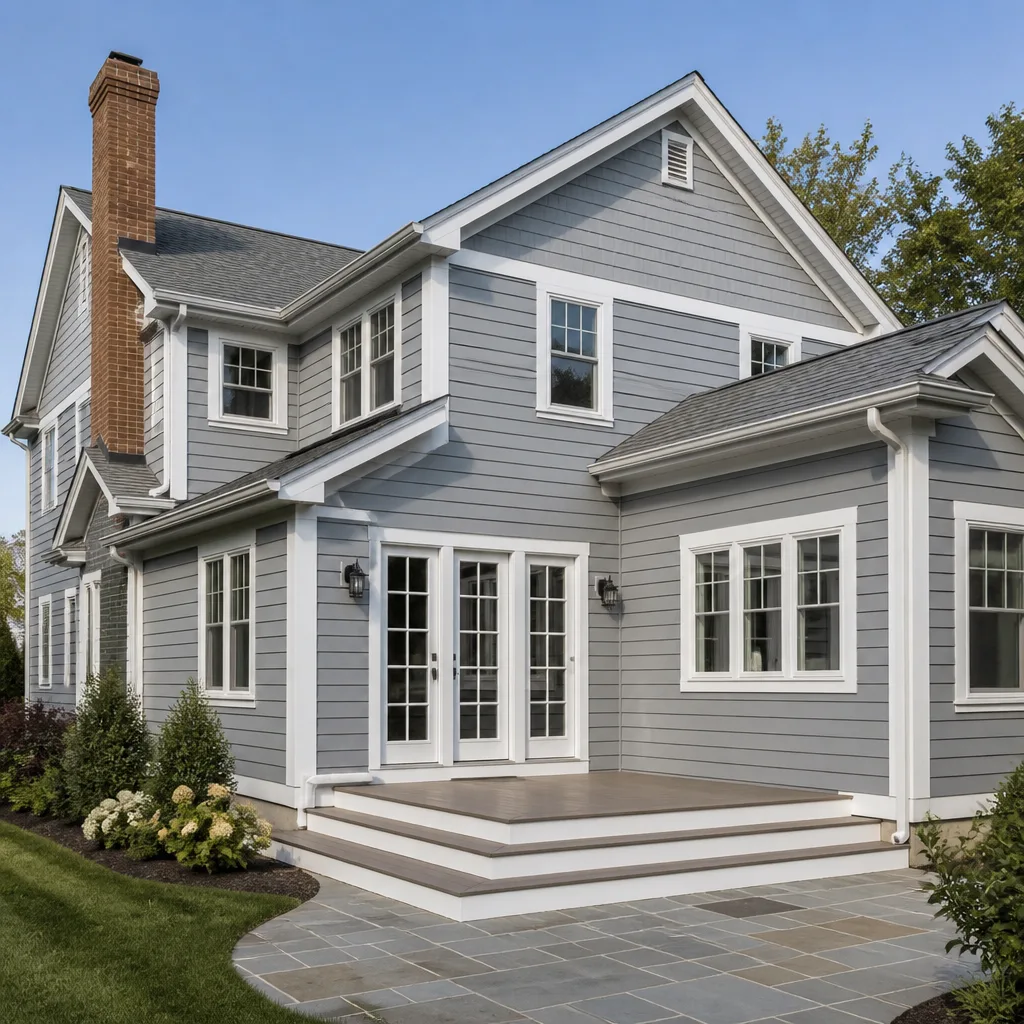
 Before
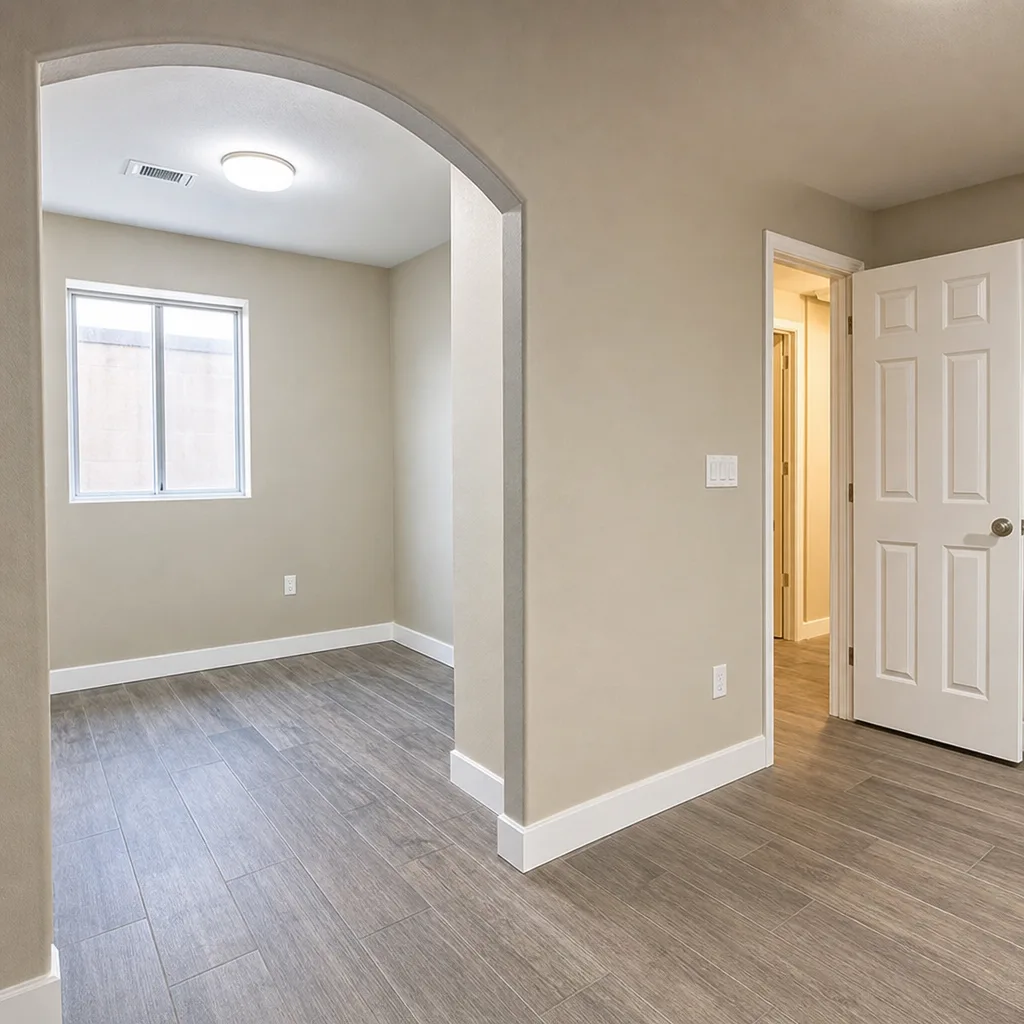 After
After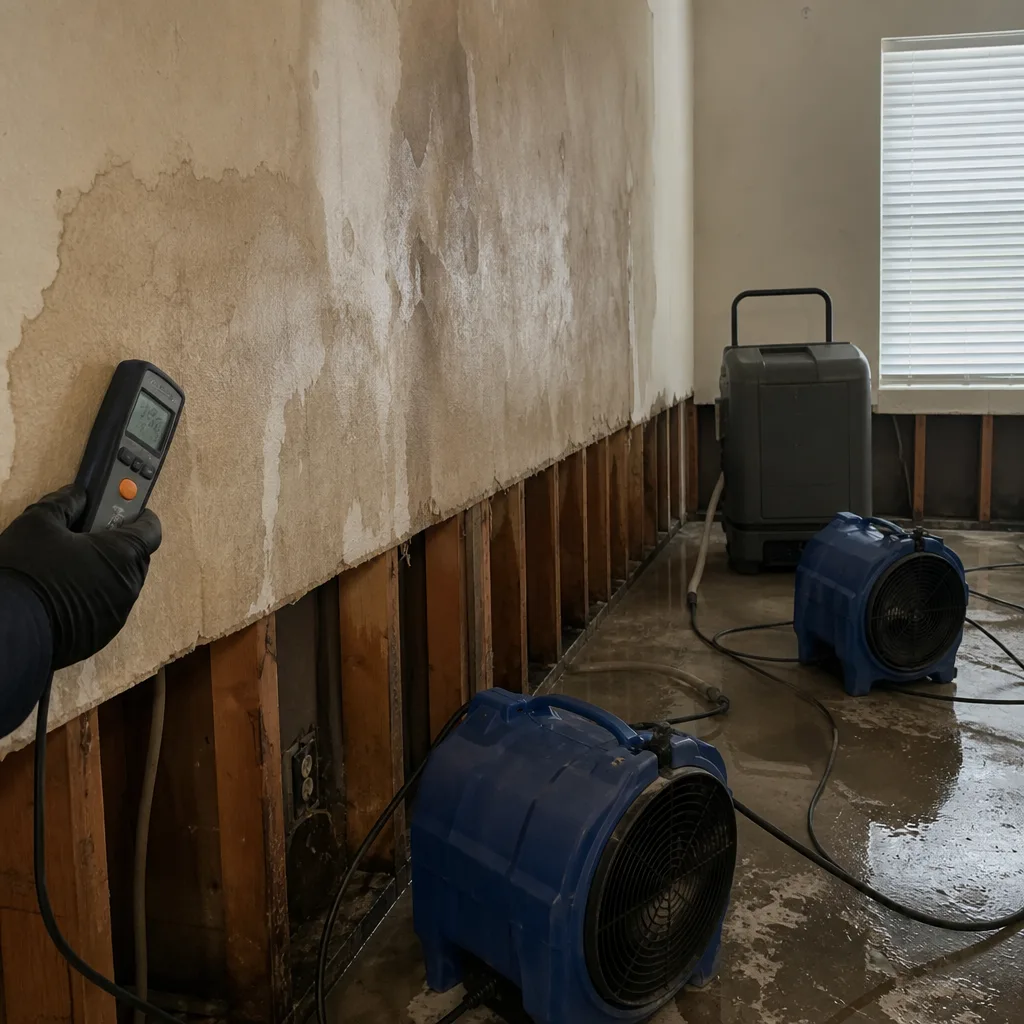 Before
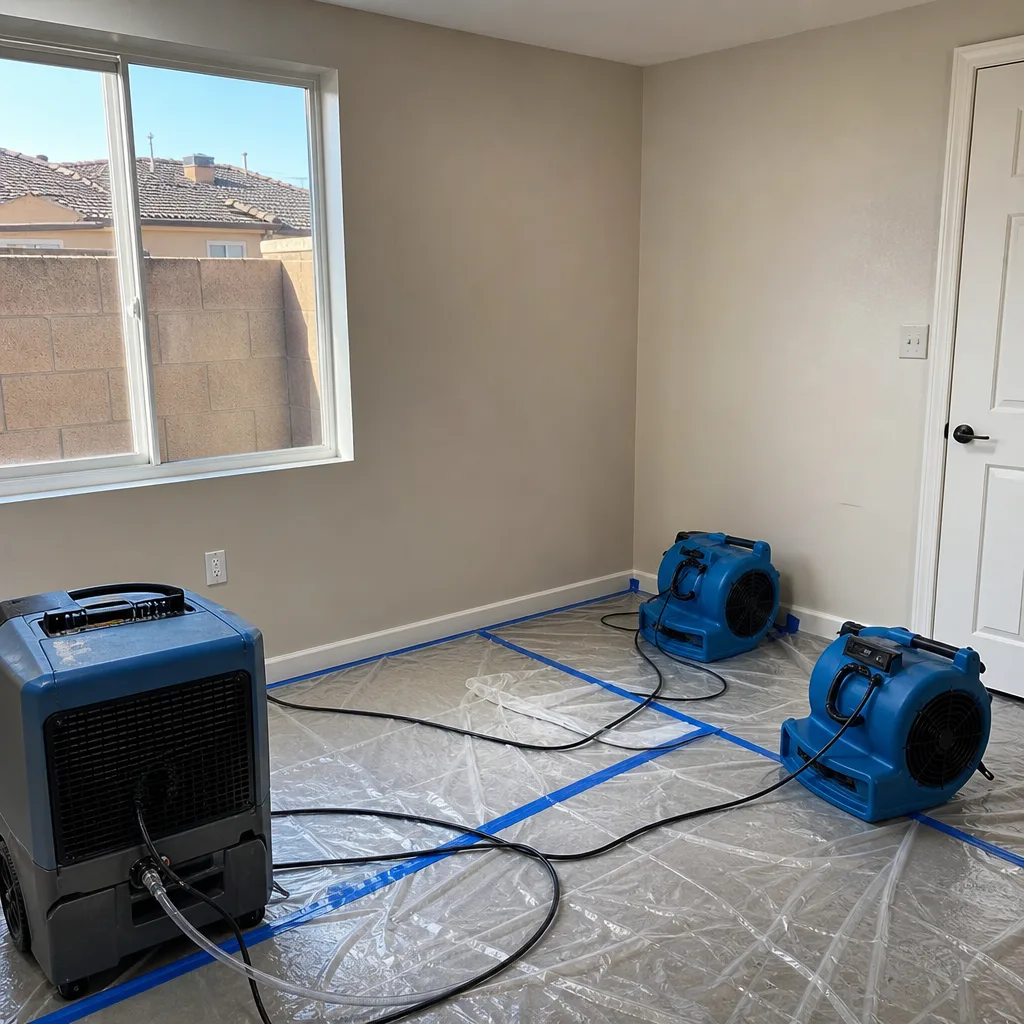 After
After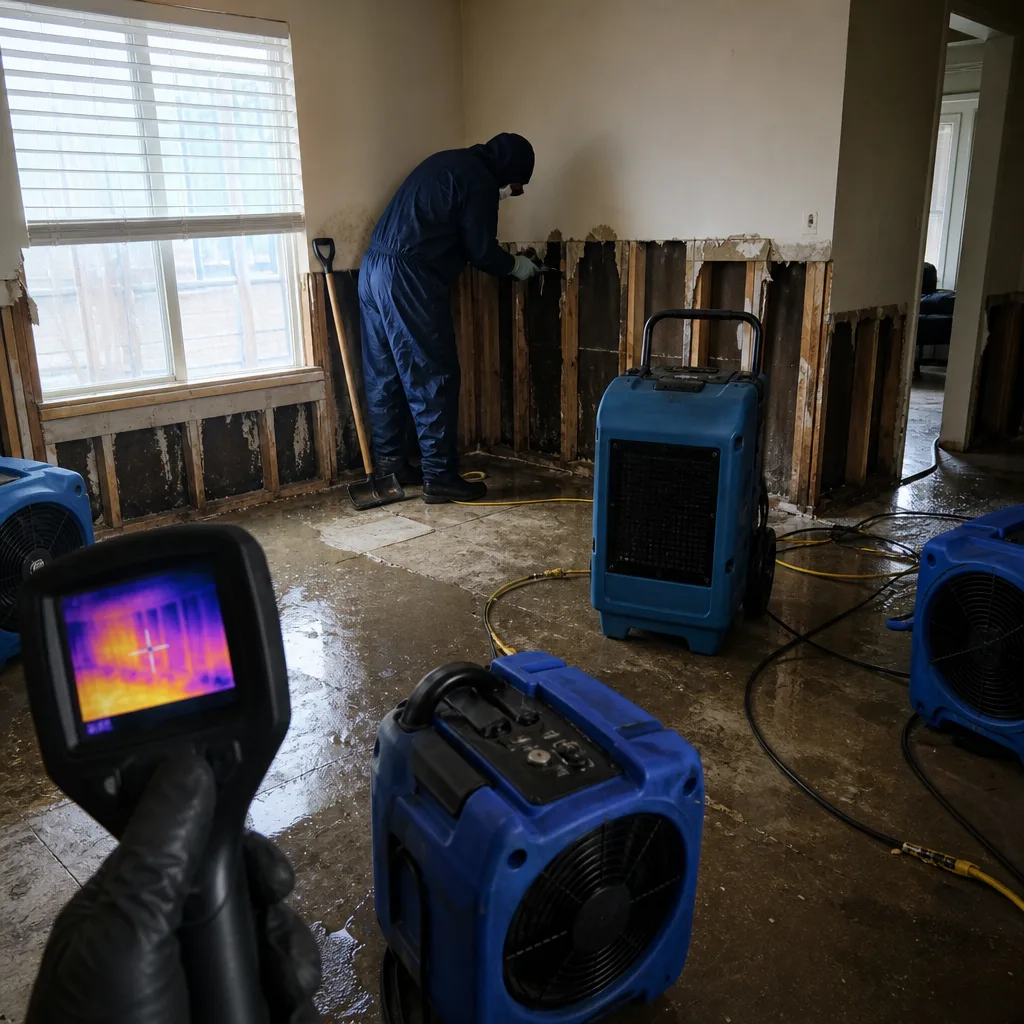 Before
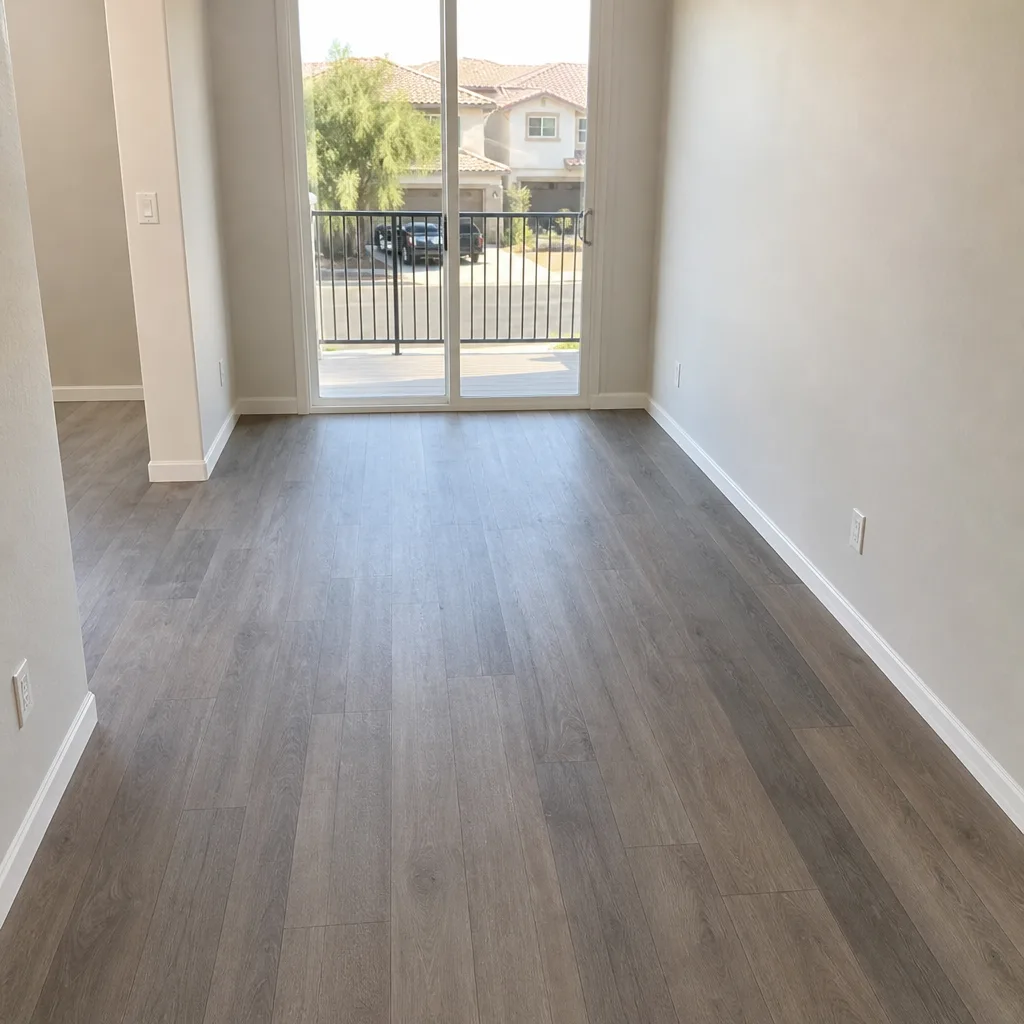 After
After24/7 Emergency Fire & Smoke Damage Restoration in Centennial Hills
Fire and smoke damage restoration in Centennial Hills typically runs $3,800-$12,500 depending on square footage and water intrusion from suppression, with emergency board-up and stabilization usually underway within 45 minutes of your call. Our crews are dispatched from our Las Vegas office and serve Centennial Hills directly, carrying IICRC FSRT and WRT certifications on every truck. Call (725) 726-3239 now - a live person answers, 24 hours a day, with no voicemail tree.
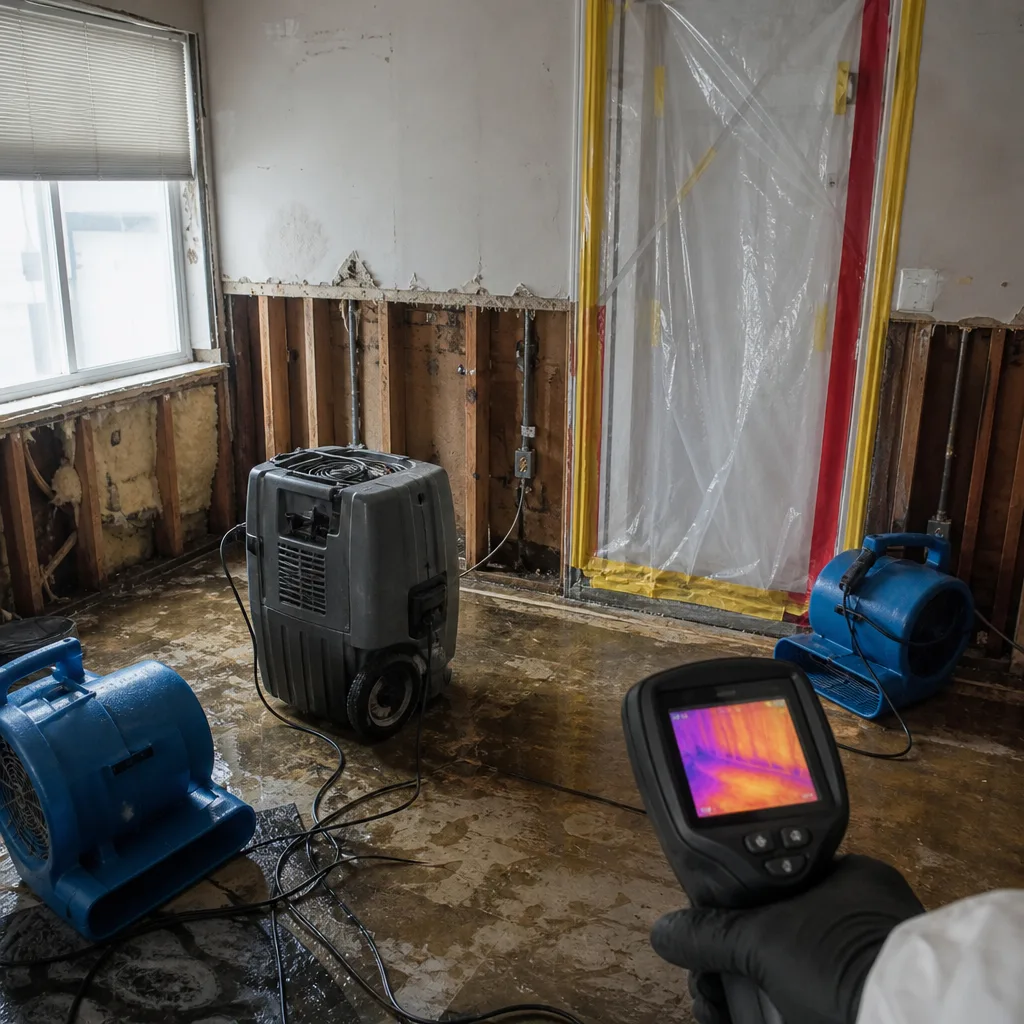
The first hour after a fire is when most of the salvageable damage becomes permanent. Smoke migrates through HVAC ducts and open great-room plans common to 2000s-era Centennial Hills construction, while suppression water - often thousands of gallons - begins wicking into slab perimeters and stucco wall cavities. Heat in Centennial Hills routinely hits 108-115°F in summer, compressing the window for safe mold prevention to under 24 hours once wall cavities are wetted. We arrive with thermal imaging, moisture meters, and containment equipment to document everything before the adjuster sees it.
Understanding Fire & Smoke Damage Restoration Severity in Centennial Hills Properties
Fire damage in Centennial Hills breaks into three severity tiers, each demanding different documentation and drying protocols. Light smoke intrusion - limited to a single room with no structural compromise - typically involves dry soot (carbon particulate) on surfaces and odor adsorption into porous materials. Moderate damage adds water intrusion from suppression, requiring moisture mapping of slab perimeters and wall cavities to IICRC S500 standards. Heavy damage involves structural compromise, active charring, and Category 3 water from compromised supply lines or firefighter overhaul, triggering full containment, air scrubbing with HEPA filtration, and tertiary drying protocols.
Centennial Hills housing stock complicates every tier. The 2004-2007 Nevada construction surge produced thousands of homes with Chinese-manufactured drywall, which off-gasses sulfur compounds when heated or wetted, requiring full-cavity abatement rather than standard cleaning. Slab-on-grade foundations with tile roofs and stucco exteriors - the dominant typology here - allow smoke and water to travel far before detection. Open great-room plans mean a kitchen fire can contaminate 2,000 square feet of living space through a single HVAC return. Our crews document each room with photo records and moisture readings before any demolition begins, producing the line-item scope that turns restoration invoices into payable claims.
Why Centennial Hills Property Owners Choose DryMark Restoration North Las Vegas
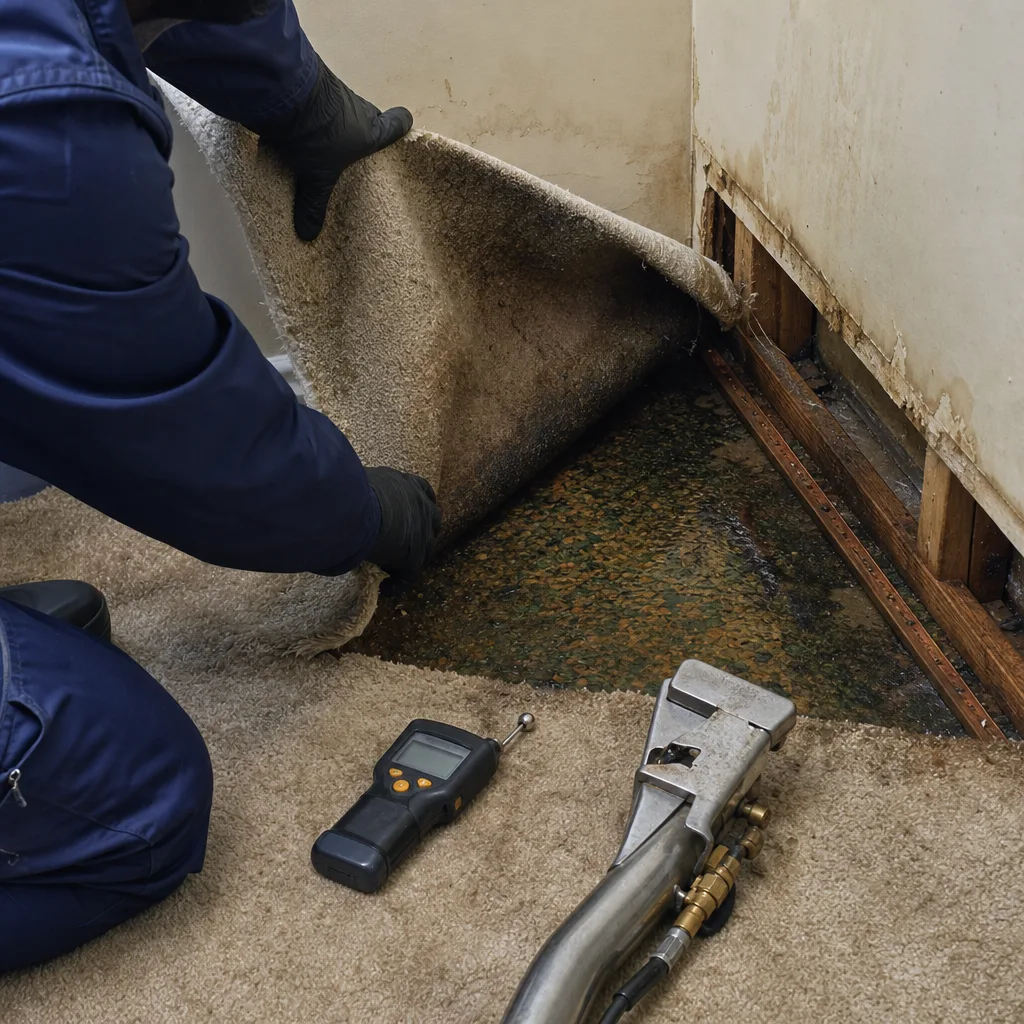
- 45-minute response commitment to Centennial Hills, with crews staged for the northwest valley.
- 24/7 live answer - a real person, never an automated system or callback queue.
- IICRC-certified crews carrying FSRT (Fire and Smoke Restoration Technician), WRT (Water Damage Restoration Technician), and AMRT (Applied Microbial Remediation Technician) credentials.
- Free visual inspection and written scope before any work begins, every time.
- Direct insurance billing with photo-documented estimates your adjuster can process without dispute.
- One team from emergency board-up through structural fire repair - no handoffs to unknown subcontractors.
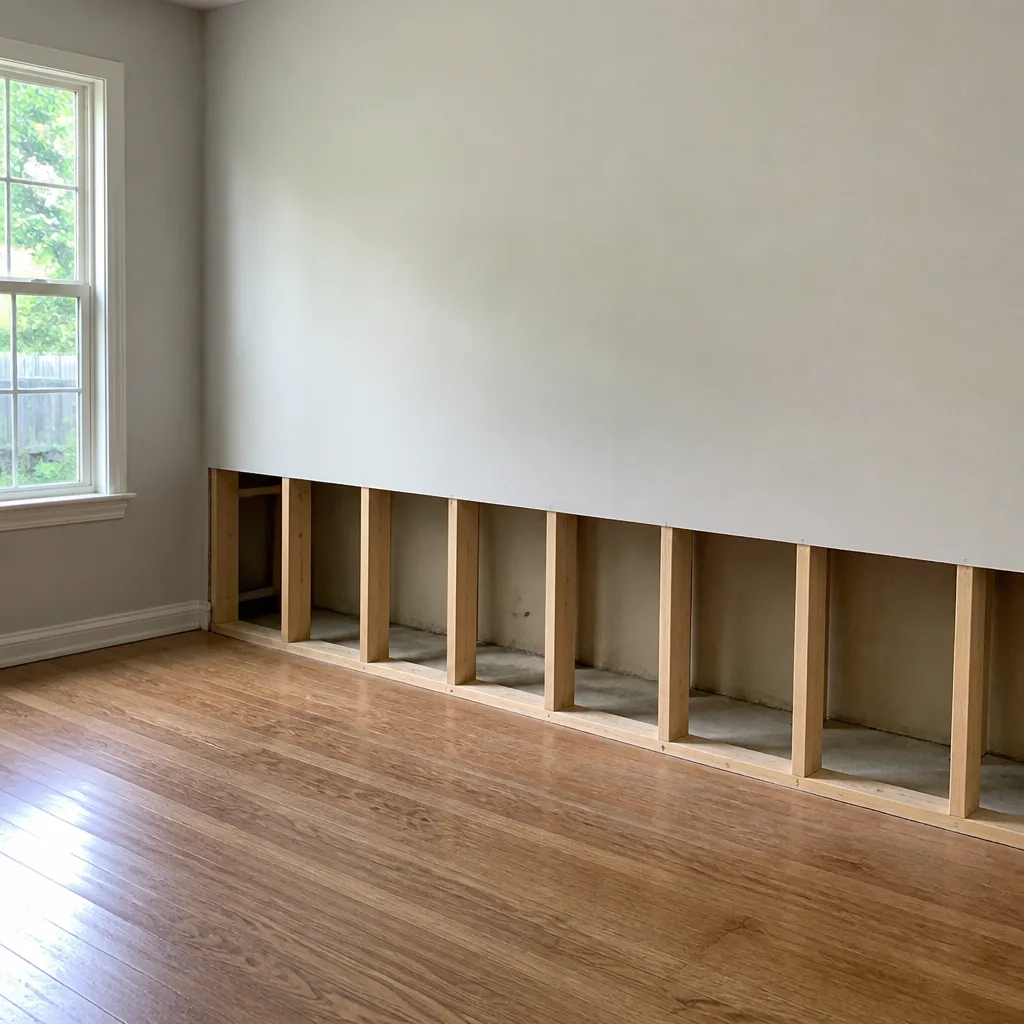
 Before
 After
AfterOur Fire & Smoke Damage Restoration Process
1. Inspection & Assessment
We arrive with thermal imaging cameras, hygrometers, and moisture meters to map smoke migration and water intrusion across the full footprint. Every room is photo-documented before any equipment touches it. In Centennial Hills, we specifically scope for Chinese drywall in 2004-2007 builds and test slab perimeter moisture at multiple points - especially in Tule Springs, where subsurface spring activity prolongs drying.
2. Emergency Board-Up & Tarping
Wind-driven monsoon rain in Centennial Hills can breach compromised door and window seals within minutes. We secure openings with impact-rated plywood and weatherproof tarps, documenting each seal with photos for your adjuster. If sliding door tracks are damaged from wind load, we note structural repair needs in the written scope before water intrusion worsens.
3. Water Extraction & Structural Drying
Suppression water is extracted with truck-mounted systems, then we deploy Dri-Eaz and Phoenix dehumidifiers with XPOWER and Injectidry air movers under containment. In Tule Springs and other slab-on-grade neighborhoods, we run extended drying protocols - moisture readings at slab perimeters often persist for 2-3 weeks, requiring dehumidifier runtimes that identical Summerlin jobs don’t need.
4. Smoke & Soot Removal
Dry soot (carbon particulate) is HEPA-vacuumed before wet-cleaning spreads it. Protein fires from kitchen grease require enzymatic cleaners that break molecular bonds. We clean to IICRC S720 standards, with air scrubbers running negative pressure to prevent cross-contamination through open floor plans common in Centennial Hills great-room layouts.
5. Odor Removal & Deodorization
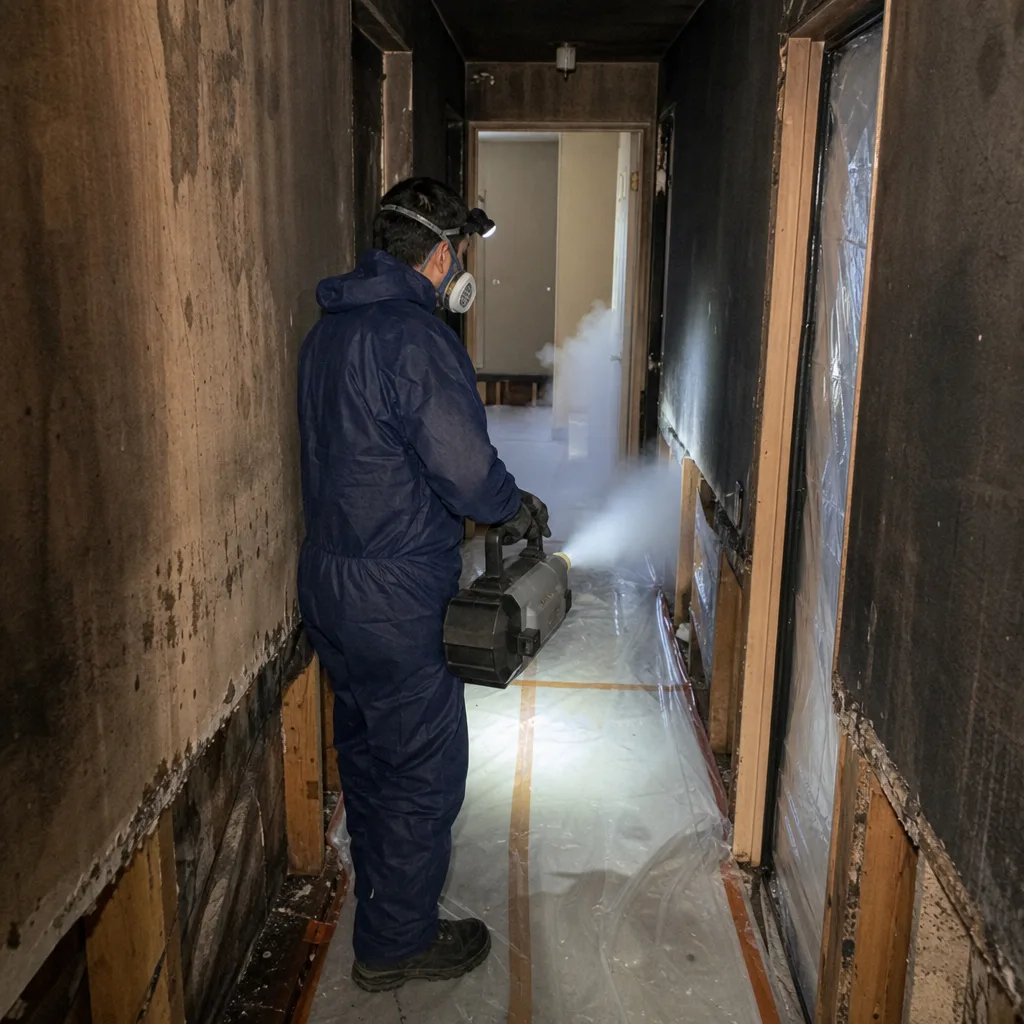
Thermal fogging and ozone treatment neutralize odor at the molecular level, but only after structural drying is complete. In Centennial Hills, crews that skip extended slab drying see odor reactivation within weeks as residual moisture releases trapped smoke compounds. We verify dryness with psychrometric data - temperature, relative humidity, and vapor pressure differential - before any deodorization begins.
6. Structural Fire Repair & Reconstruction
Charred framing is replaced to code; compromised stucco and sheathing are removed and rebuilt with proper weep screed drainage. For 2000s-era homes, we inspect and replace Chinese drywall where found. Every repair is photo-documented and covered by our 365-Day Done Right Promise under The Haven Standard.
Need Emergency Fire & Smoke Damage Restoration in Centennial Hills Now?
Crews minutes away, answering live 24 hours a day. The sooner we start, the less it costs.
Working With Your Insurance Company
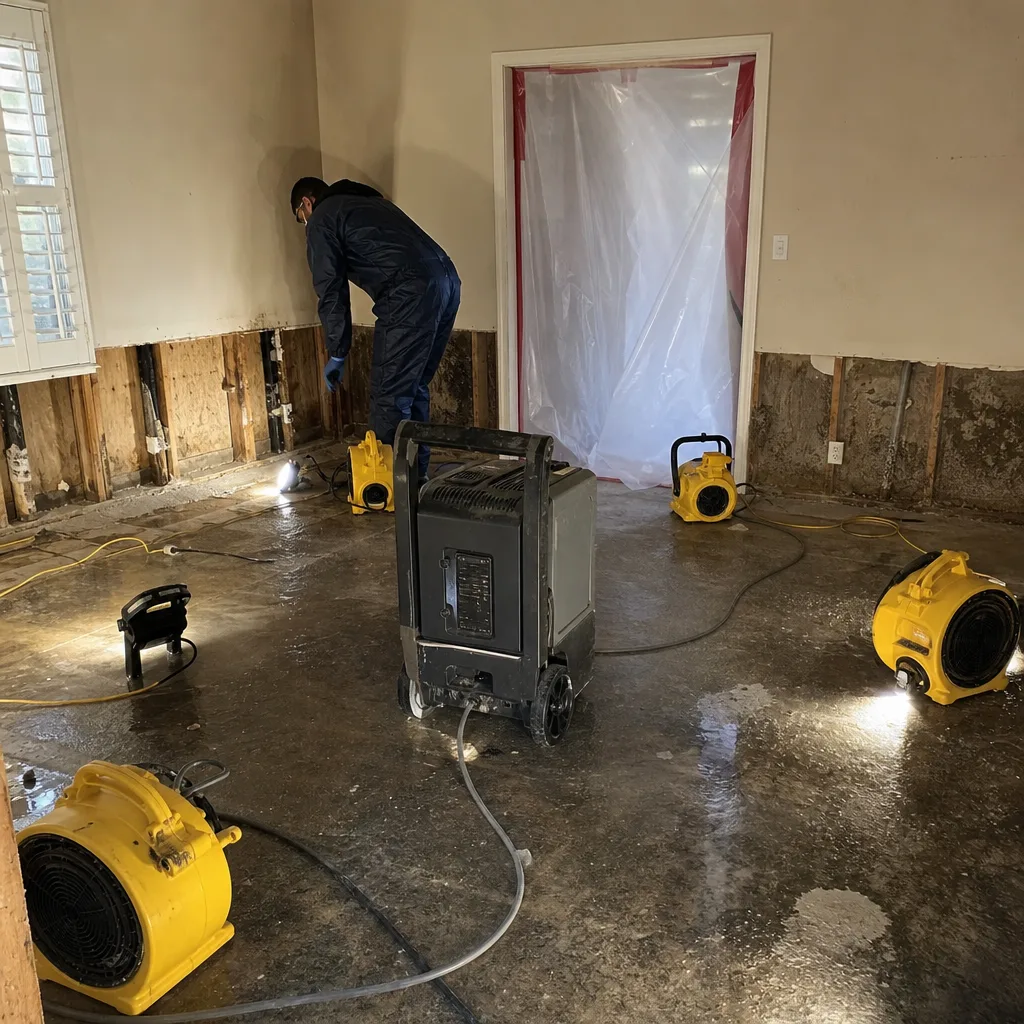
Insurance claims on fire losses live or die on documentation. We begin photo records from the first hour, before any equipment is placed, and maintain them on every visit. Our estimates follow Xactimate or Symbility industry standards, with line-item scopes that separate emergency mitigation from structural repair. We speak directly with your adjuster, providing moisture logs, drying charts, and material classifications by trade name so the claim processes without dispute.
Centennial Hills homes built during the 2004-2007 surge present a specific documentation need: Chinese drywall abatement is not always covered under standard policies without proper material testing and scope justification. We photograph suspect drywall, document manufacturer markings where visible, and build the case for full-cavity replacement when sulfur off-gassing is present. This is the documentation gap that costs homeowners their claims - and it’s why we treat every photo as evidence.
What We Provide Your Insurer
- Thorough documentation of the loss
- Photos of all damage, room by room
- Moisture readings and drying logs
- A detailed, line-item scope of work
- Direct coordination with your carrier
Built for Centennial Hills’s Loss Calendar
January through March brings the lowest fire call volume but the highest severity - space heater and fireplace incidents in great-room layouts with full-height ceilings that allow smoke to stratify above reach of standard cleaning. April through June sees electrical fires from aging HVAC compressors working harder as temperatures climb. July through September is monsoon season: lightning strikes, downed power lines, and the unique Centennial Hills pattern of wind-driven rain entering through fire-compromised door and window seals while suppression water simultaneously floods slab perimeters.
October through December returns to cooking and heating-related fires, with holiday lighting overload on 2000s-era electrical panels that were never sized for modern load demands. The 108-115°F heat that follows any summer fire compresses every timeline. Mold prevention in wall cavities becomes critical within 24 hours of wetting. Tule Springs homes add the complication of elevated subsurface moisture that keeps slabs wet for weeks. We schedule drying log reviews every 48 hours in summer, not the 72-hour standard cooler markets allow.
Fire & Smoke Damage Restoration Across Centennial Hills’s Neighborhoods
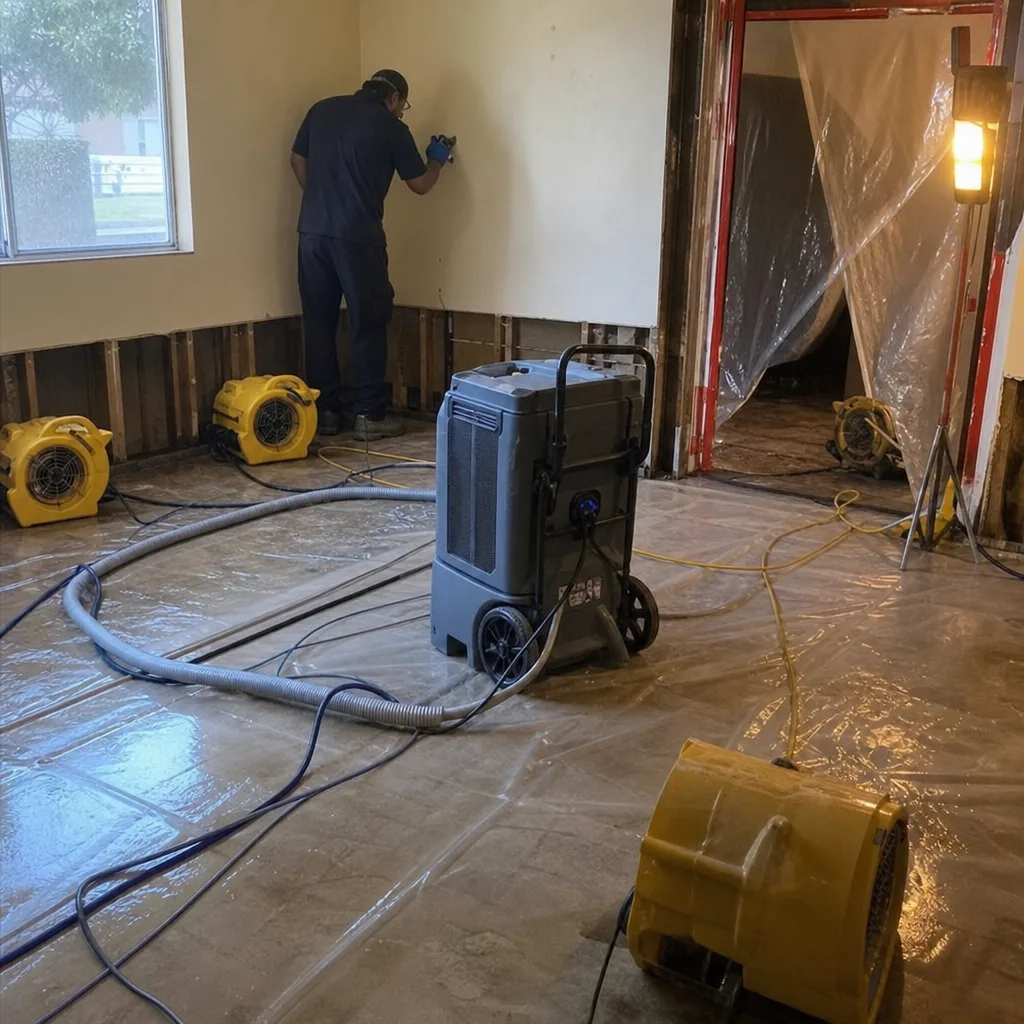
Centennial Springs, Rancho, and Spring Mountain Ranch each present distinct fire and smoke restoration challenges tied to their construction era and geography. In Centennial Springs, homes clustered near North Hualapai Way and West Cheyenne Avenue are predominantly 2002-2006 builds with the open floor plans and Chinese drywall risk that demands pre-drying material inspection. We were called to a home on North Durango Drive in Centennial Springs after a monsoon microburst forced rain through a failed sliding door seal during a kitchen fire loss, leaving Category 2 water wicking up the stucco and into the great-room slab. Our techs pulled moisture readings at the slab perimeter that stayed elevated for 19 days - a Tule Springs legacy we routinely see - so we ran Dri-Eaz and Phoenix dehumidifiers with XPOWER air movers under containment far beyond the standard dry-out. Because the home was 2005 build, we also scoped for Chinese drywall in the affected wall cavity before any structural drying began.
Rancho properties, closer to Purple Heart Highway, see higher wind exposure from unobstructed desert fetch, meaning post-fire board-ups must withstand stronger gusts until permanent repair. Spring Mountain Ranch’s elevation against the Spring Mountains catches microburst runoff that pools against slab perimeters after suppression water is already present, compounding the Tule Springs moisture retention problem. The Cimarron Rose Community Center area marks a transition zone where 1990s builds give way to 2000s construction, and our crews know to shift inspection protocols at the property line - older homes need asbestos testing where 2000s homes need Chinese drywall screening. Andreas Probst and the surrounding corridor see the highest concentration of slab-on-grade homes with tile roofs, where attic smoke migration is minimal but lateral spread through open plans is maximal.
Specialized Fire & Smoke Damage Restoration Services We Offer in Centennial Hills
Fire Damage Cleanup
We remove charred materials to IICRC S720 standards, separating structural elements from contents for separate salvage assessment. In Centennial Hills, this means documenting Chinese drywall presence before demolition begins and testing slab moisture at multiple perimeter points to determine if standard dry-out or extended protocol is needed.
Smoke & Soot Removal
Dry, wet, and protein soot each require distinct cleaning chemistry and mechanical action. We HEPA-vacuum before wet-cleaning to prevent smearing, and we treat HVAC ductwork as a separate smoke migration pathway - critical in open-plan Centennial Hills homes where a single return can contaminate the entire system.
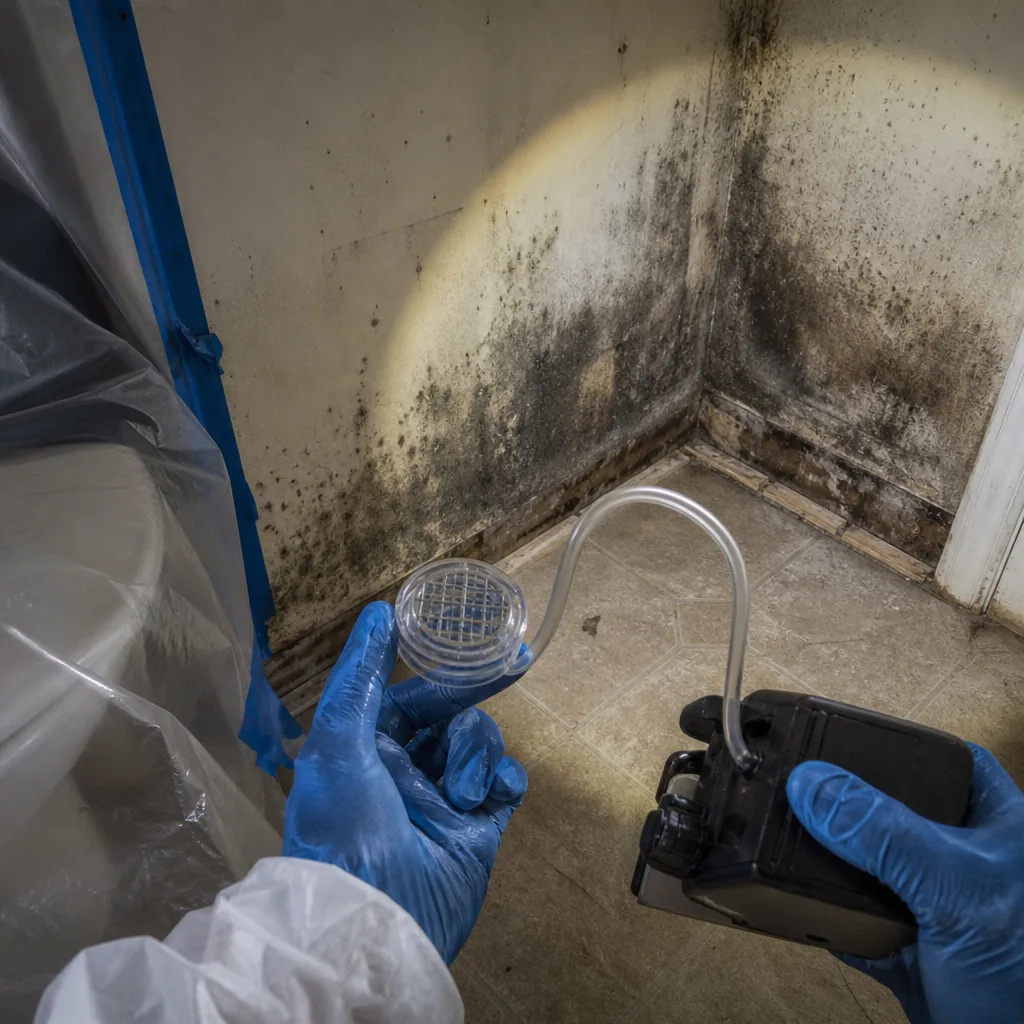
Odor Removal & Deodorization
Thermal fogging, ozone, and hydroxyl generators each have specific applications and safety protocols. We never deodorize over wet structure - the odor returns when residual moisture reactivates. In Tule Springs and other extended-drying zones, we verify slab perimeter dryness with psychrometric data before any odor treatment begins.
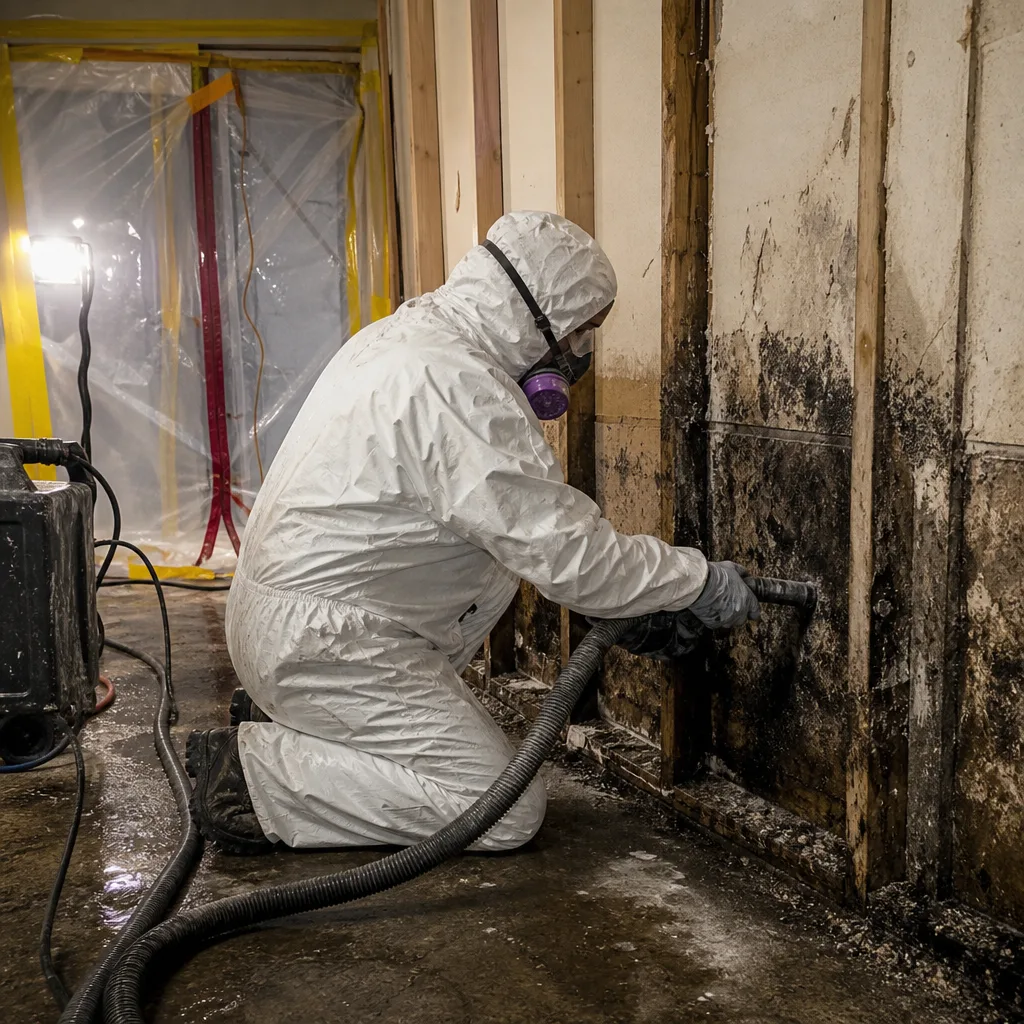
Contents Cleaning & Pack-Out
Salvageable items are inventoried, photographed, and transported to our facility for ultrasonic, dry-cleaning, or ozone treatment. Non-salvageable items are documented for replacement-value claims with brand, model, and condition notes. Your adjuster receives the complete inventory, not a summary.
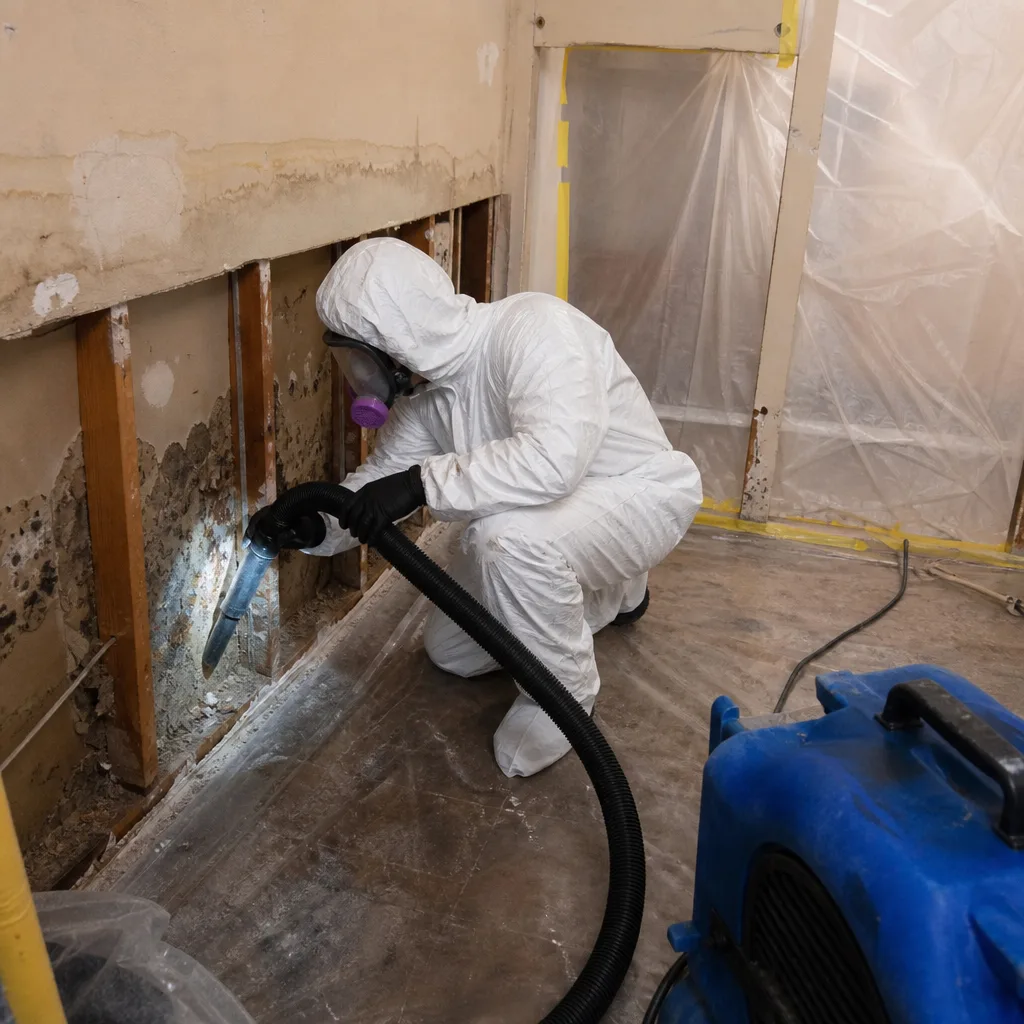
Emergency Board-Up & Tarping
Monsoon wind in Centennial Hills can breach standard plywood in hours. We use wind-rated fastening patterns and inspect door and window frames for microburst damage that would compromise any temporary seal. If sliding door tracks are bent from wind load, we document structural repair needs in the written scope - board-up alone won’t stop water intrusion if the frame is failed.
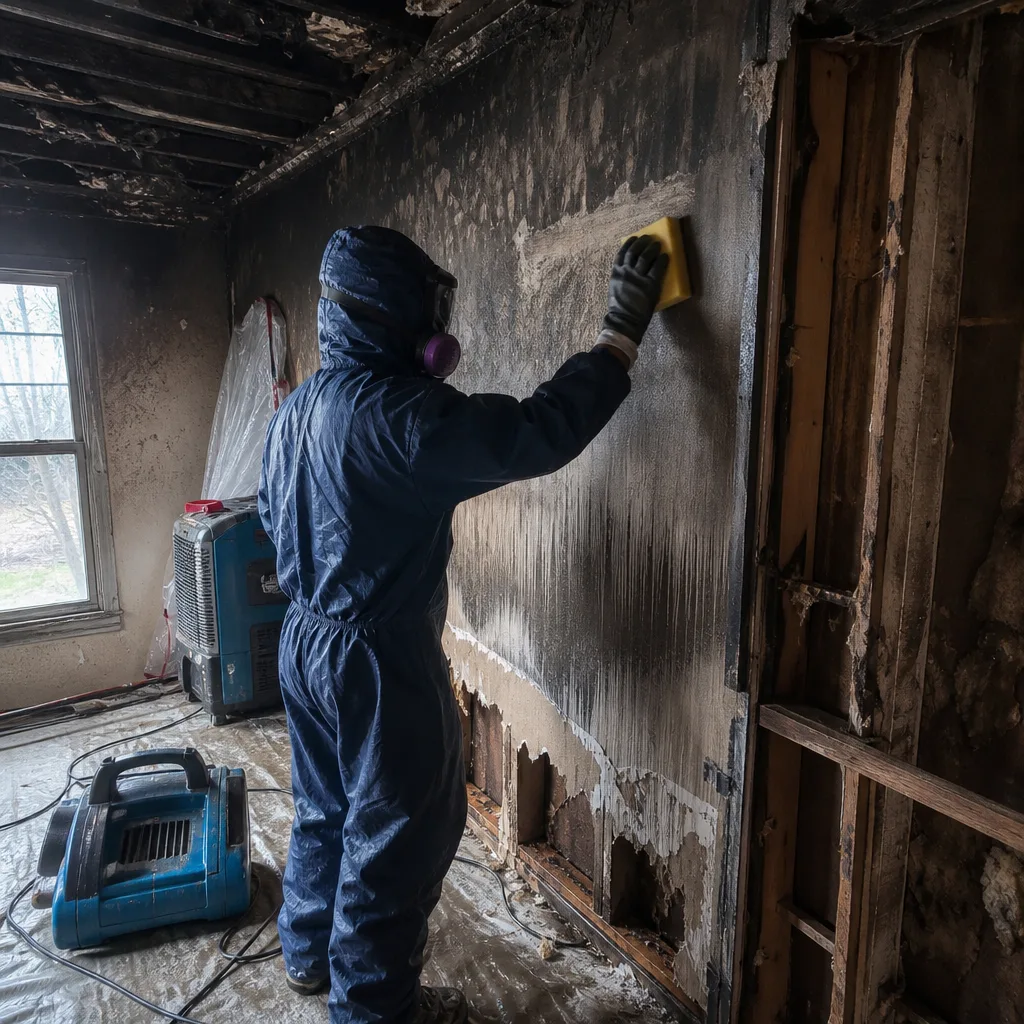
Structural Fire Repair
Charred framing is sistered or replaced to current code; stucco is removed to expose and replace compromised sheathing, with proper weep screed installation for drainage. For 2004-2007 builds, we replace Chinese drywall in full cavities, not patches, to prevent sulfur off-gassing recurrence. Every repair is photo-documented and warrantied under The Haven Standard.
What happens when you call
- 1
A real person answersNo phone trees - you reach a local pro.
- 2
You get an upfront price rangeHonest numbers before anyone is dispatched.
- 3
A background-checked tech heads outLicensed & insured, dispatched right away.
- 4
You approve before work beginsNothing starts until you say go.
Fire & Smoke Damage Restoration Costs in Centennial Hills, NV
Light smoke damage with limited water intrusion in Centennial Hills typically runs $3,800-$6,200. Moderate damage with full-room involvement and suppression water extraction ranges $6,500-$10,500. Heavy structural damage with extended drying, Chinese drywall abatement, or reconstruction starts at $11,000 and scales with square footage and material specifications.
What moves the price: square footage affected, smoke migration distance through open plans, water intrusion volume and duration, Chinese drywall presence requiring full-cavity replacement, and Tule Springs extended drying needs. Insurance typically covers direct fire and suppression damage, plus required code upgrades; gradual deterioration or pre-existing conditions are excluded. We provide a written price before any work begins, every time, with no scope-creep additions once the crew is inside - Haven Standard, Clause 1. Bring any competitor’s written estimate for a free second opinion.
We Also Serve Cities Near Centennial Hills
Our crews respond throughout the northwest Las Vegas Valley, including Centennial Hills, North Las Vegas, Aliante, Nellis AFB, and Sunrise Manor. Dispatch and scheduling are coordinated from our Las Vegas office; crews serve each area locally with the same 45-minute commitment and live-answer availability.
Serving Centennial Hills, NV - Our Local Coverage Area
We’re based in the Centennial Hills area and know this community well. Use the map below to see our service coverage - if you’re nearby, we can almost certainly help.
Centennial Hills Fire & Smoke Damage Restoration Questions, Answered
How quickly do we need to start drying after a fire in Centennial Hills?
Within 24 hours, and faster in summer. Centennial Hills summer heat of 108-115°F accelerates microbial growth in wetted wall cavities, compressing the safe window that cooler markets allow. Our crews arrive with moisture meters and dehumidifiers to begin extraction and documentation immediately. Call (725) 726-3239 for emergency dispatch.
Why does our Tule Springs home stay wet longer after fire suppression water?
Tule Springs sits on historically spring-fed ground with elevated subsurface moisture that standard drying protocols don’t address. Slab perimeters in this area routinely show elevated moisture readings for 2-3 weeks after interior water is resolved, requiring extended dehumidifier runtime and more frequent moisture log reviews. We plan for this from the first inspection. Call (725) 726-3239 for a free visual assessment.
Does a failed sliding door after a monsoon storm mean we need more than board-up?
Usually yes. Monsoon microbursts in Centennial Hills drive rain sideways with enough force to bend sliding door tracks and compromise frame seals. Board-up alone won’t stop water intrusion if the frame is failed; we document structural repair needs in the written scope before any temporary seal is installed. Call (725) 726-3239 for emergency board-up with full damage assessment.
Our Centennial Hills home was built during the 2004-2007 surge - does that affect fire and smoke restoration?
Yes. Homes from this period in our market have a documented incidence of Chinese-manufactured drywall, which off-gasses sulfur compounds when heated or wetted by suppression water. Standard cleaning and drying won’t resolve this; affected cavities require full abatement. We scope for this before any structural drying begins and document findings for your insurer. Call (725) 726-3239 for inspection.
Can smoke odor come back after a fire if the slab perimeter wasn’t dried fully?
Yes, and it does. Residual moisture in slab perimeters - especially in Tule Springs and other areas with elevated subsurface water - reactivates trapped smoke compounds weeks or months after apparent completion. We verify dryness with psychrometric data (temperature, relative humidity, and vapor pressure differential) before any deodorization, and we warranty our work under The Haven Standard. Call (725) 726-3239 if you suspect recurring odor.
How long does full fire and smoke restoration take in Centennial Hills?
Light smoke damage with no water intrusion: 3-5 days. Moderate damage with suppression water: 7-14 days, or 3-4 weeks in Tule Springs with extended slab drying. Heavy structural damage with reconstruction: 6-12 weeks depending on material lead times and insurance approval cycles. We provide a written timeline with the written price before work begins. Call (725) 726-3239 for your specific scope.
Can we stay in our home during fire and smoke restoration?
Sometimes during light smoke damage with isolated containment, but rarely once water intrusion or structural repair is involved. Air scrubbers run negative pressure that creates noise and airflow disruption; demolition and reconstruction generate dust and VOCs. We advise temporary relocation for moderate and heavy damage, and we document this recommendation for your insurer’s additional living expense coverage. Call (725) 726-3239 to discuss your situation.
What certifications do your Centennial Hills fire restoration crews carry?
Every crew carries IICRC FSRT (Fire and Smoke Restoration Technician), WRT (Water Damage Restoration Technician), and AMRT (Applied Microbial Remediation Technician) credentials. All work is documented to IICRC, RIA, and IFA standards, with daily drying logs and photo records that your adjuster can process without dispute. Call (725) 726-3239 to verify current certifications.
When fire or smoke damage hits your Centennial Hills home, you need a team that documents everything from the first hour and delivers a written price before any work begins. Our Fire & Smoke Damage Restoration team serves Centennial Hills with IICRC-certified crews, live 24/7 answer, and the 365-Day Done Right Promise under The Haven Standard. Call (725) 726-3239 now for emergency response or a free written estimate.
Written by Alicia Brennan, Owner at Back to Dry Restoration, serving Centennial Hills since 2011.
Fire & Smoke Damage Restoration in Nearby Areas