Free visual inspection and a written scope of work before any mitigation begins - photos, moisture readings, and drying logs go in your claim file
The scope we write is the scope we bill. Anything new gets shown to you, in writing, before we touch it.
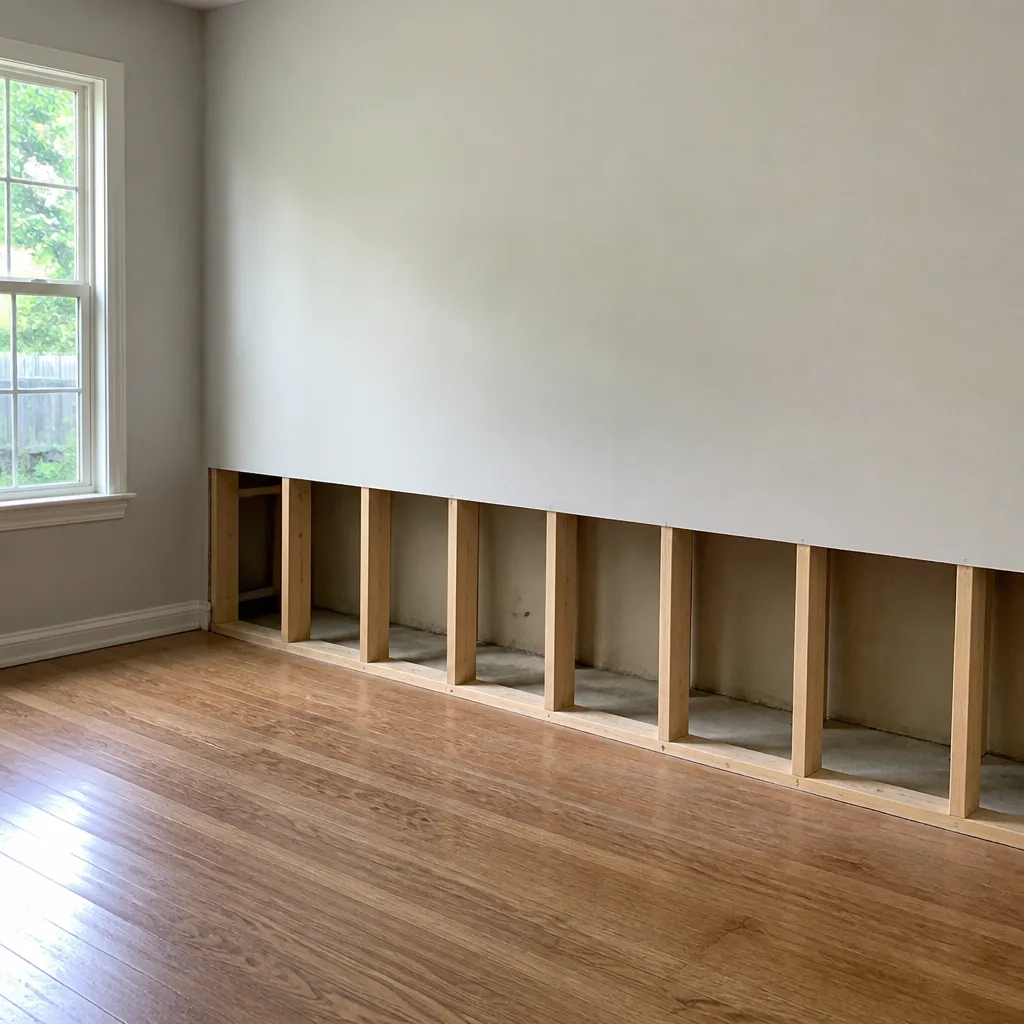
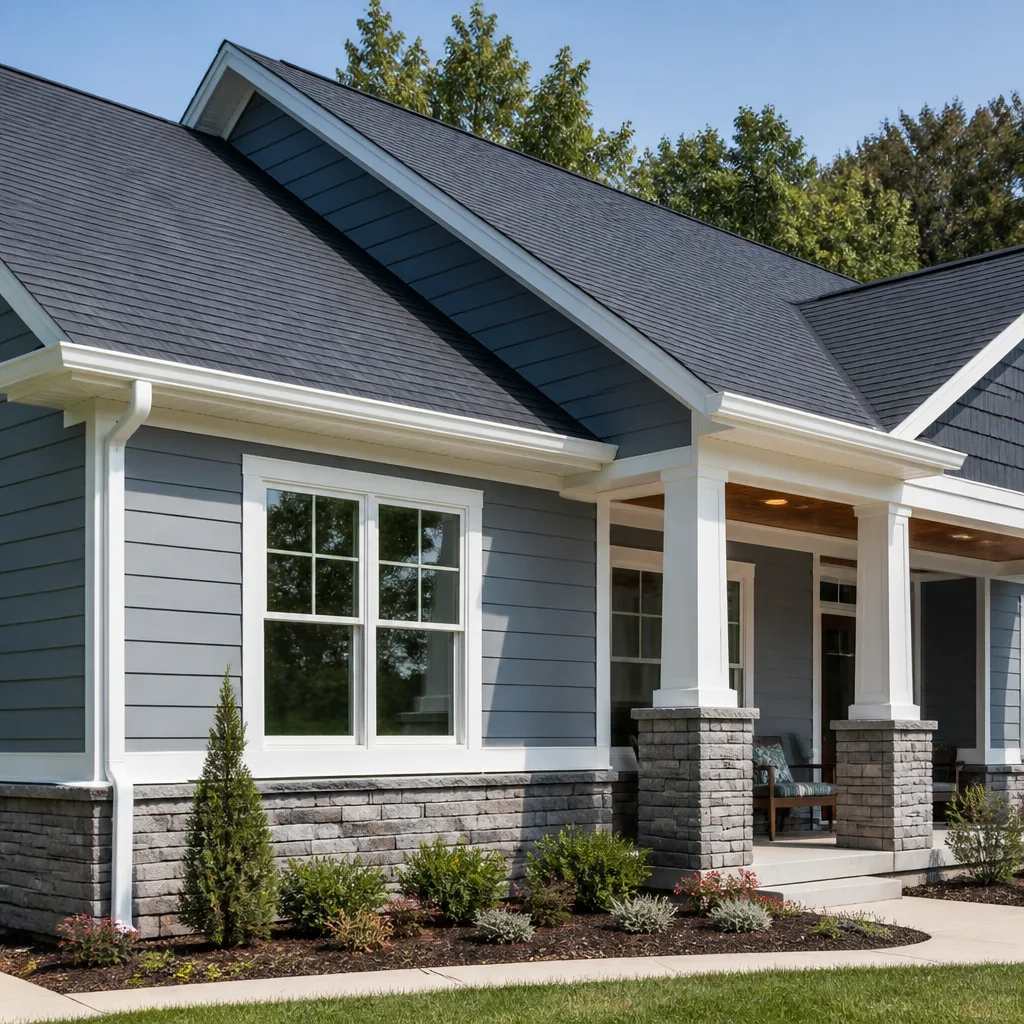
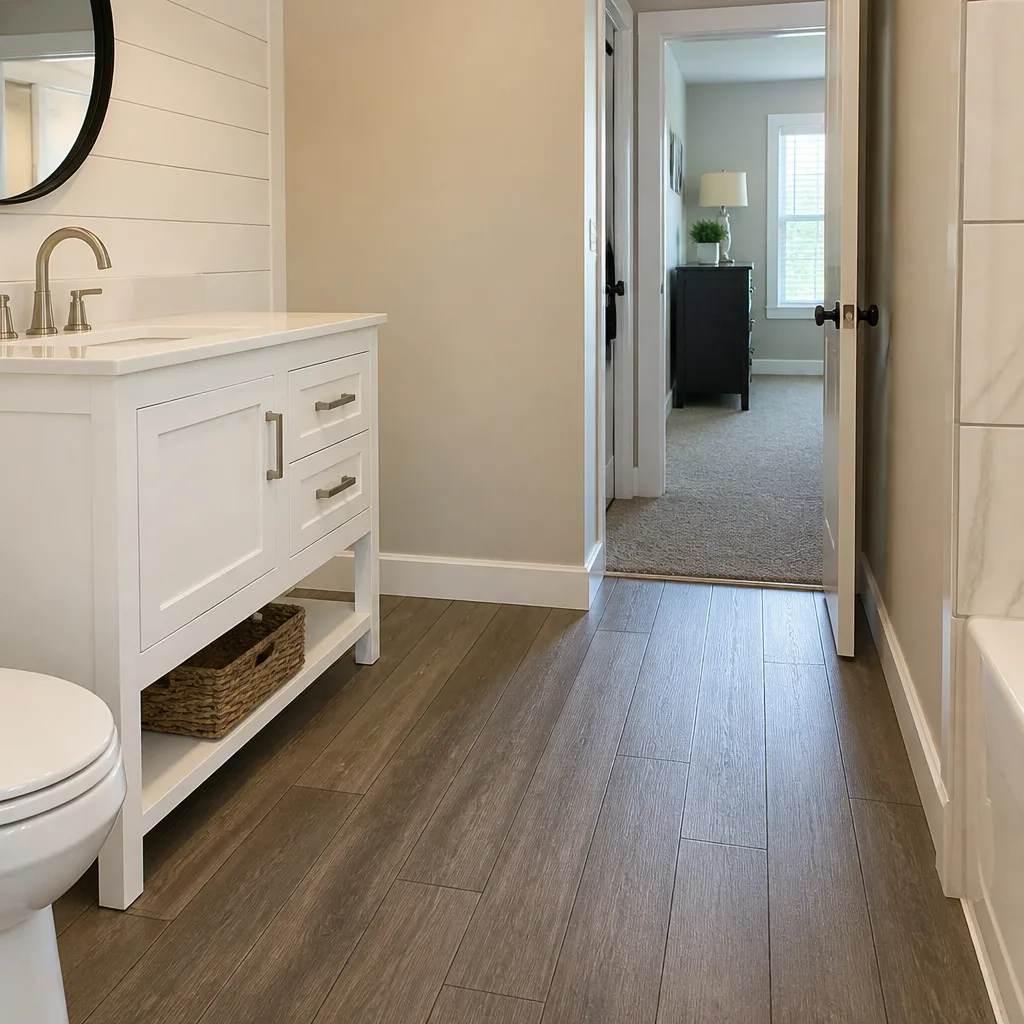
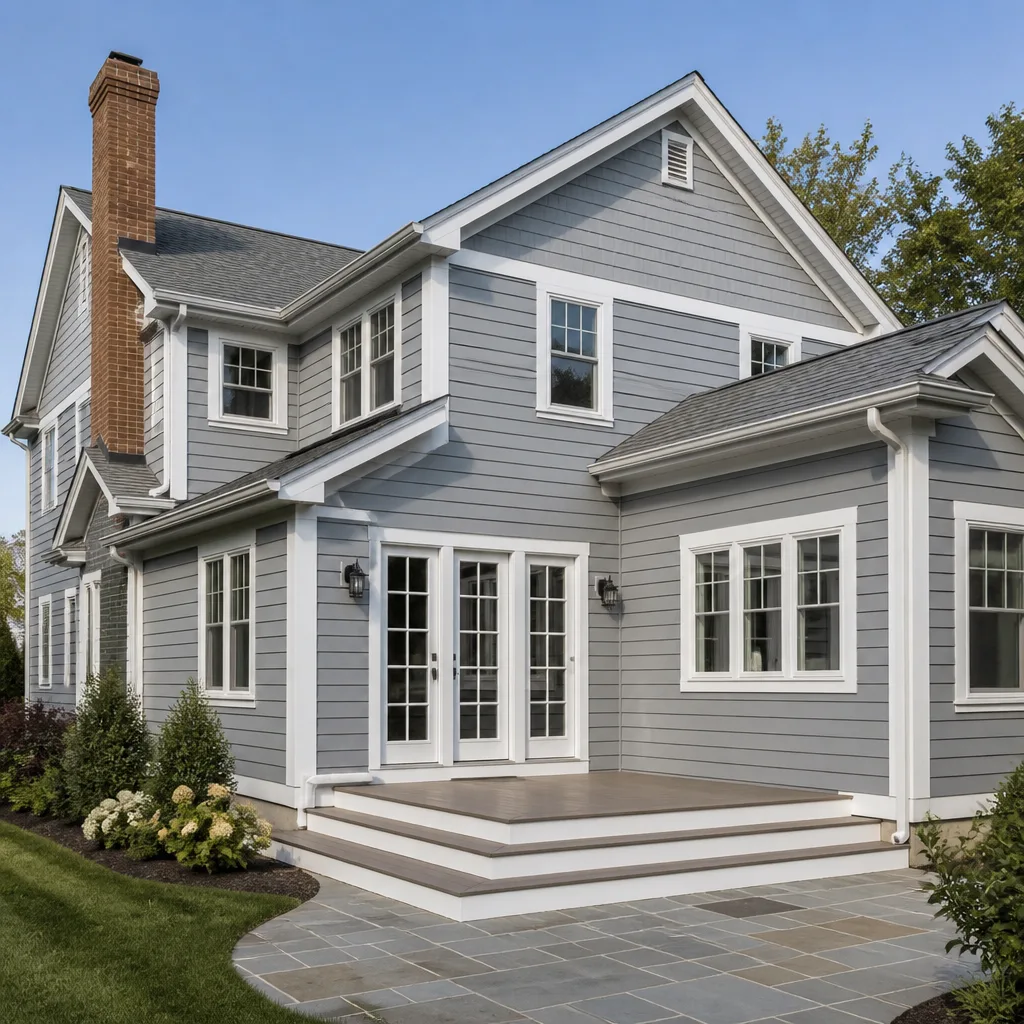
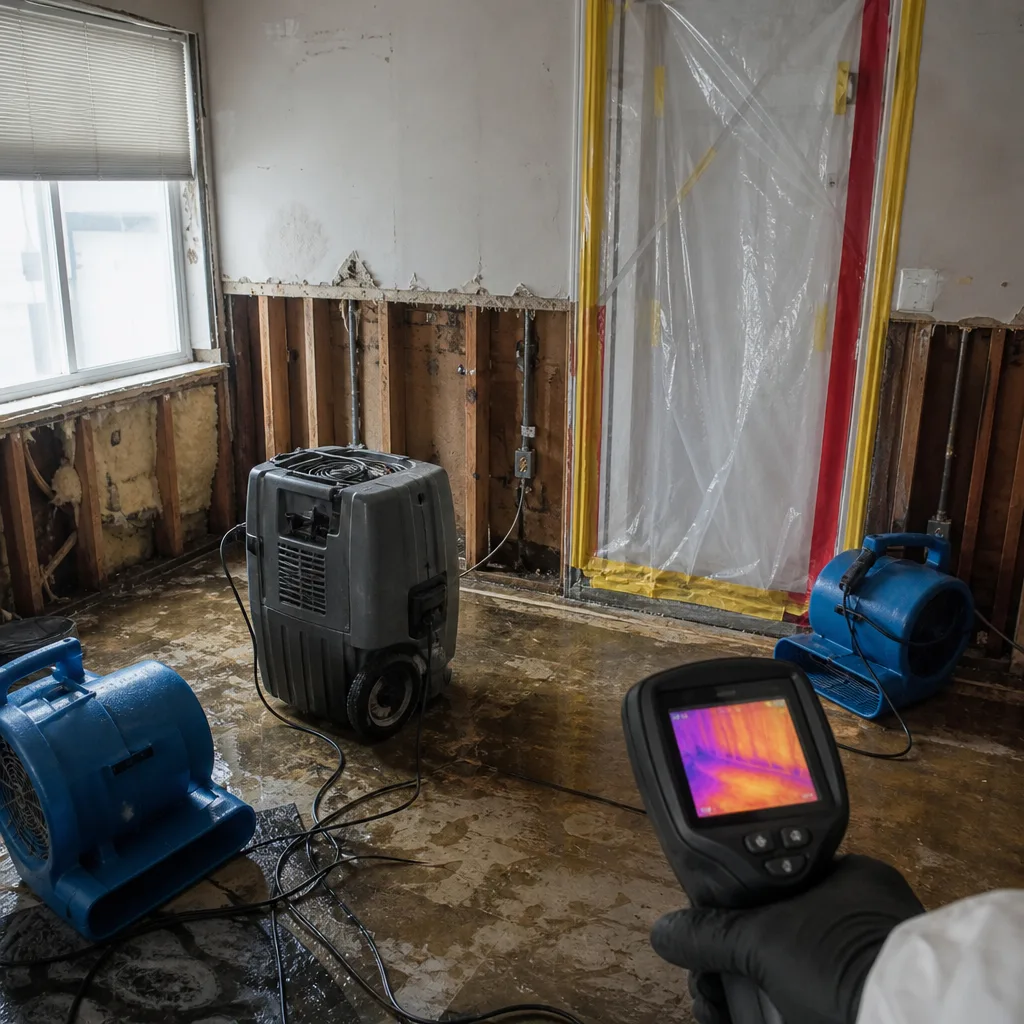 Before
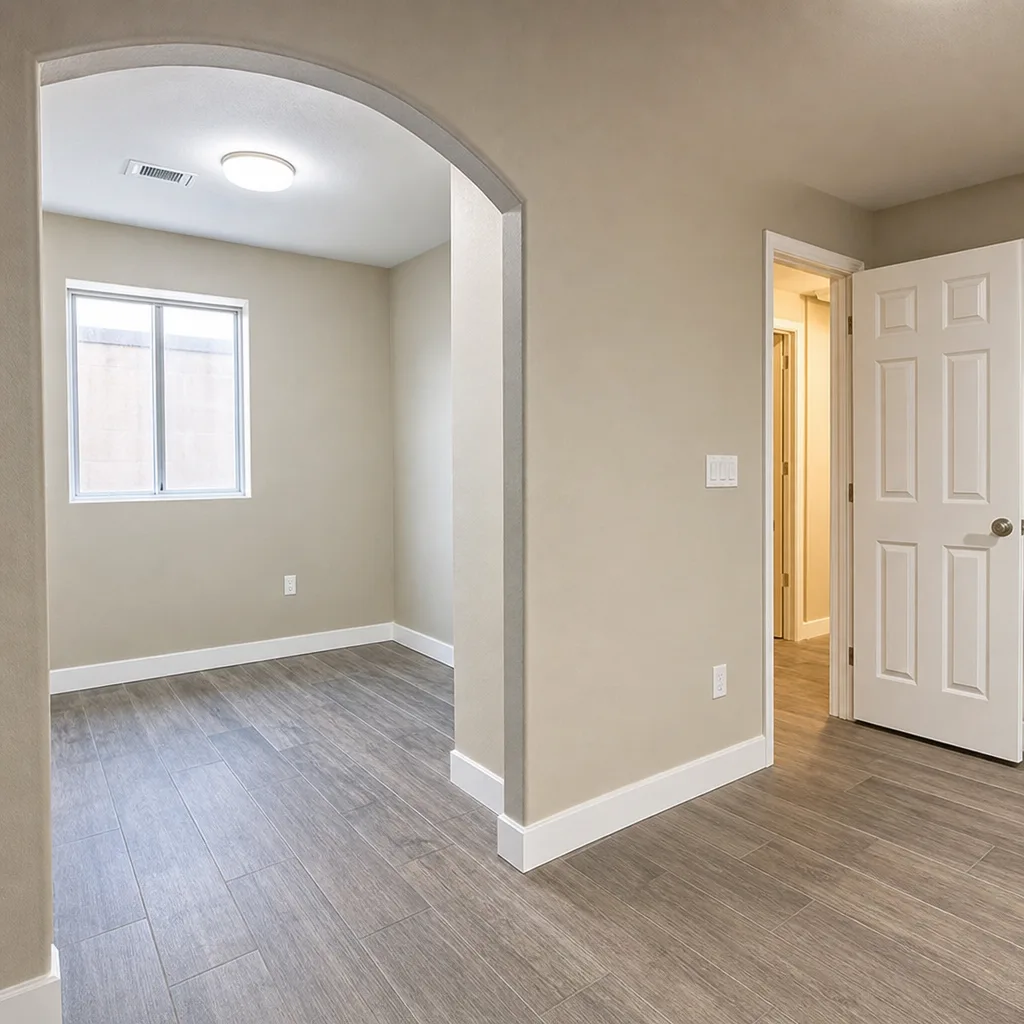 After
After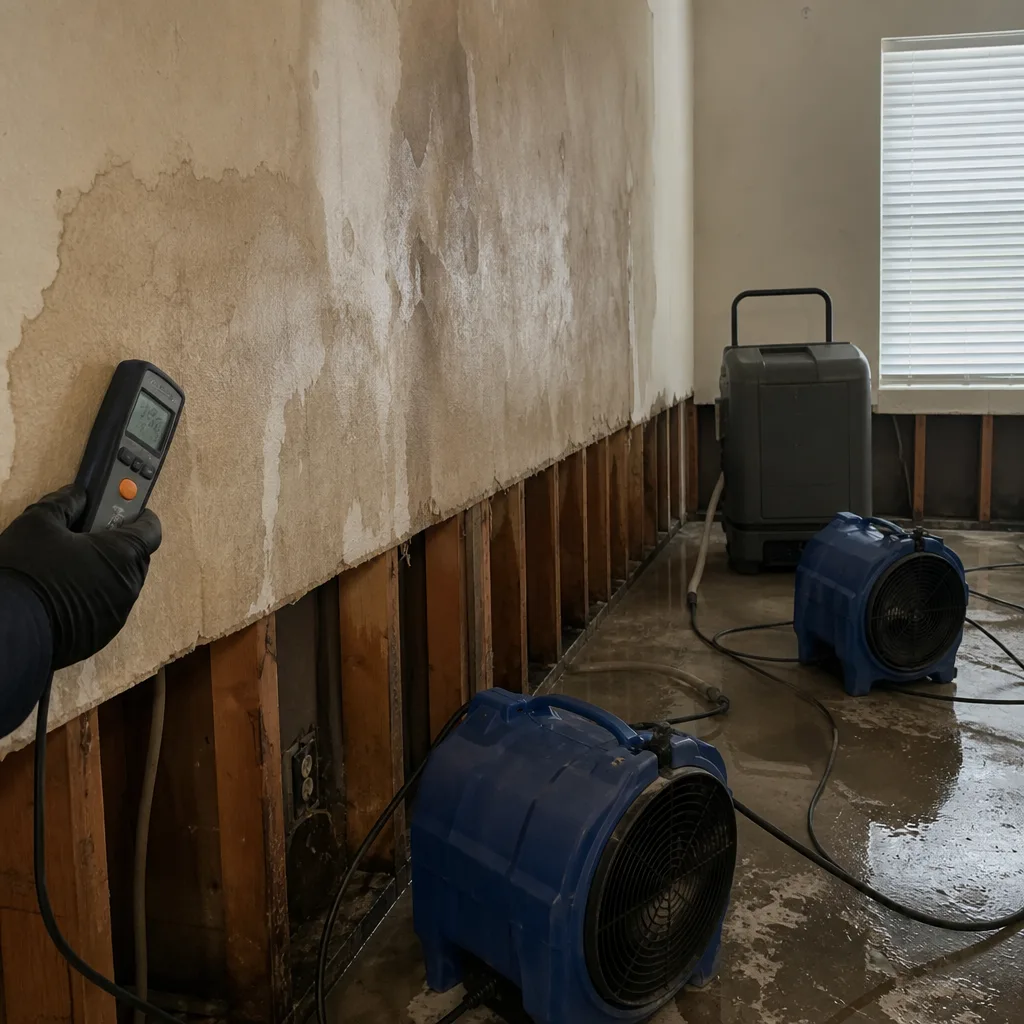 Before
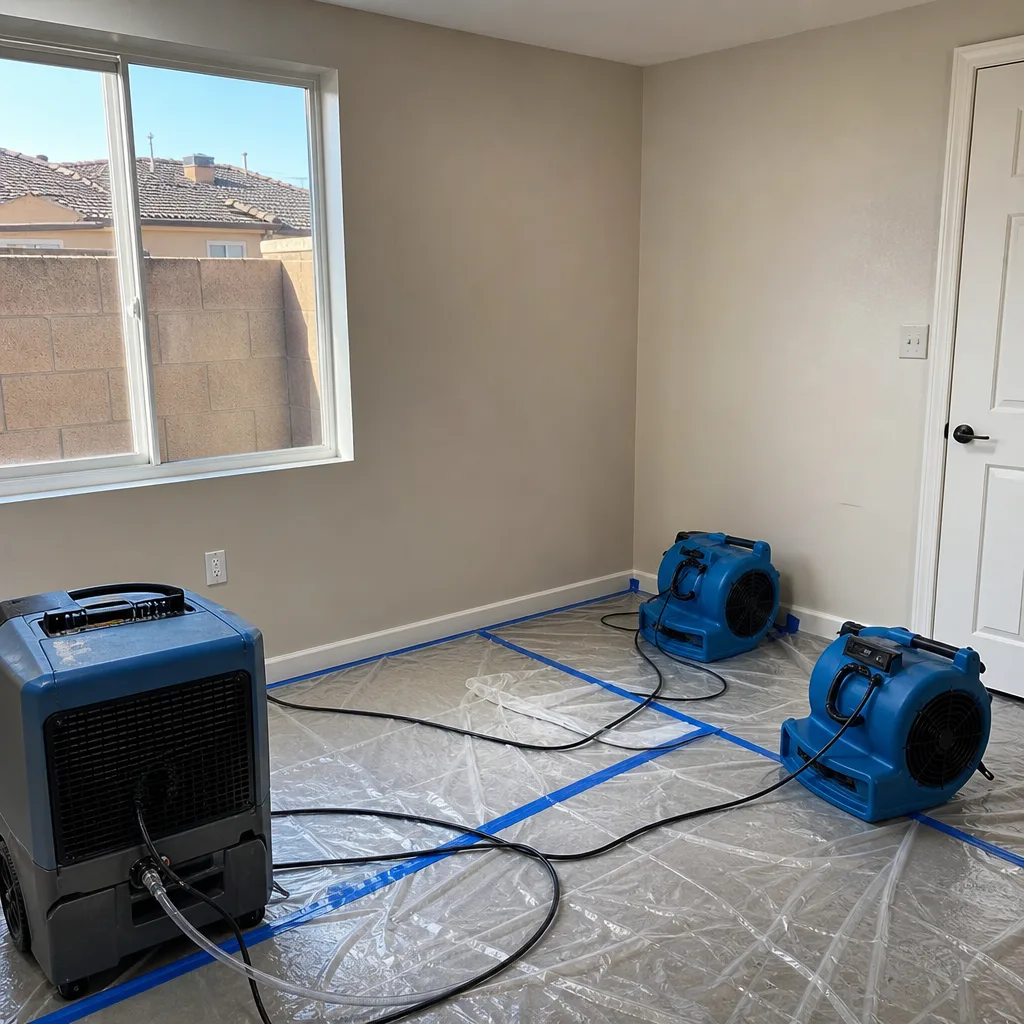 After
After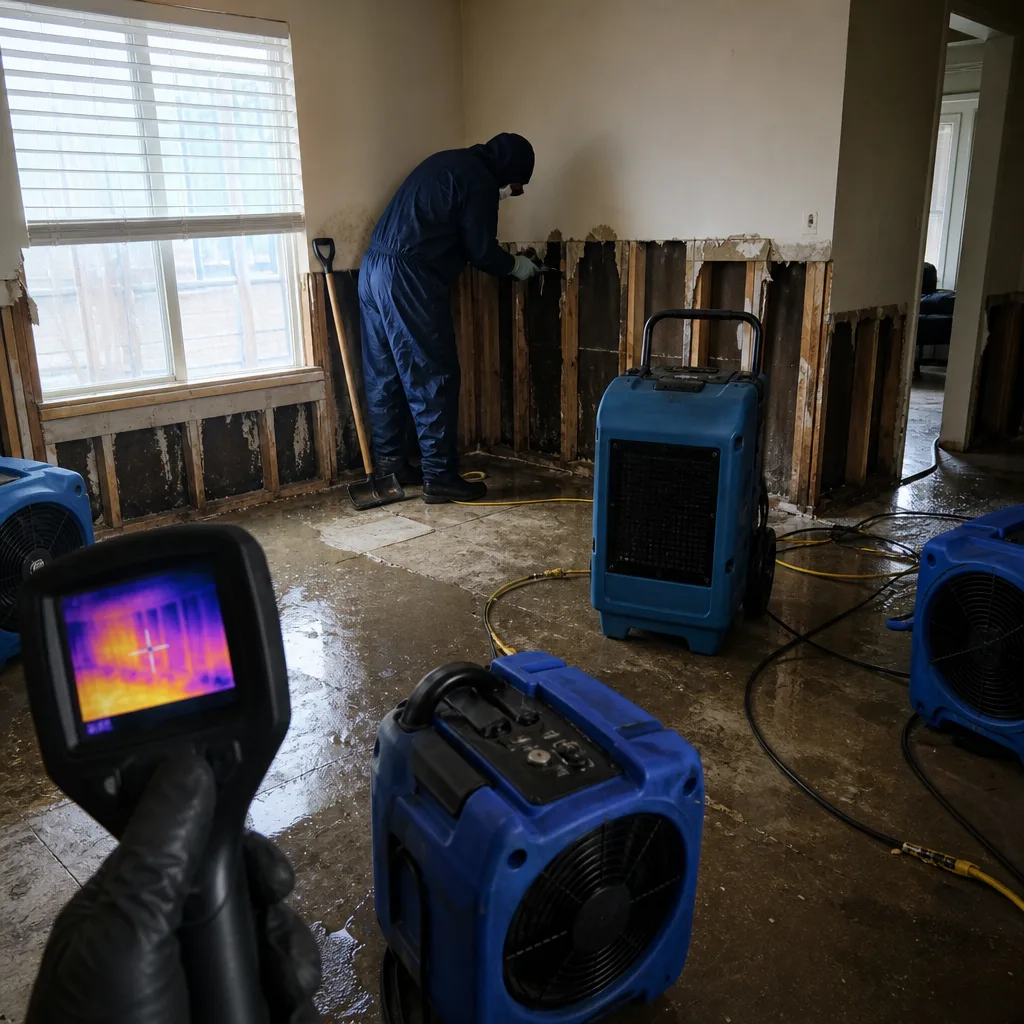 Before
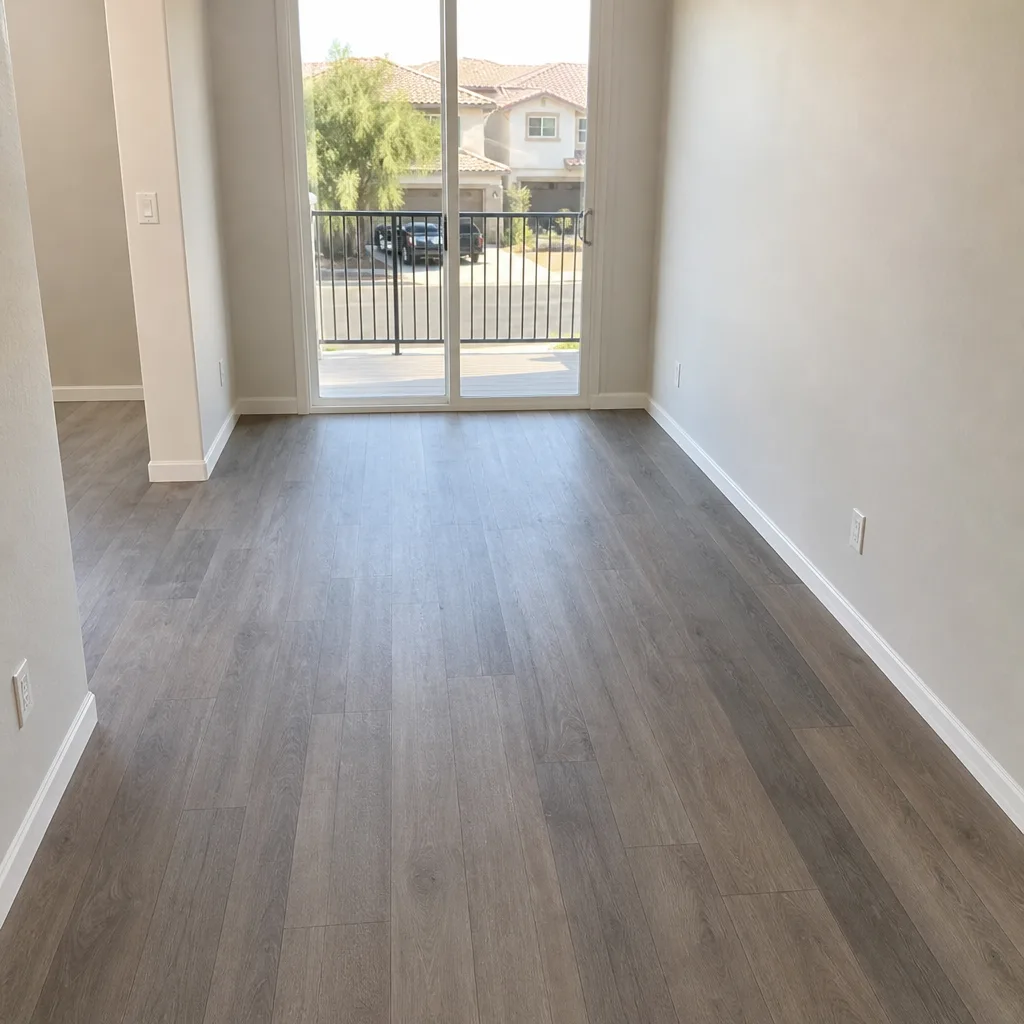 After
After24/7 Emergency Fire & Smoke Damage Restoration in Spring Valley
Fire and smoke damage restoration in Spring Valley typically costs $3,200-$18,500 depending on the affected square footage, with emergency board-up and stabilization starting at $1,400-$2,800. Crews from our Fire & Smoke Damage Restoration in Spring Valley team can be on-site within 45 minutes, and every call is answered live at (725) 726-3239 - no voicemail, no callbacks tomorrow. The first hour after a fire determines whether smoke residues set permanently into drywall and whether water from suppression efforts begins secondary microbial growth in Spring Valley’s extreme heat.
We dispatch from our Las Vegas office with crews carrying IICRC FSRT-certified tools and documentation kits. A free visual inspection begins immediately upon arrival, with a written scope delivered before any work starts. Haven Standard, Clause 1.
Understanding Fire & Smoke Damage Restoration Severity in Spring Valley Properties
Fire damage in Spring Valley breaks into three severity tiers that our Fire & Smoke Damage Restoration team documents on every call. Light smoke damage - protein residues from kitchen fires, dry smoke from fast-burning synthetics - typically affects 200-600 square feet and responds to surface cleaning and HEPA air scrubbing. Moderate damage involves wet smoke from slow, oxygen-starved burns, with sticky soot penetrating porous surfaces; this demands solvent-based cleaning and often requires removal of affected drywall in Spring Valley’s 1980s-1990s tract homes where stucco cladding has developed micro-cracks from decades of thermal cycling. Heavy damage means structural compromise, with charred framing and compromised roof assemblies; here we perform full demolition to structural members, antimicrobial treatment, and reconstruction.
Spring Valley’s housing stock amplifies what each tier requires. The flat or low-slope built-up roofs common in multi-family buildings near Chinatown and Flamingo Heights trap smoke and heat, while the concrete tile roofs in Spanish Hills and Spanish Trail hide failed underlayment that lets smoke and suppression water migrate undetected. Our thermal imaging finds what visual inspection misses in these assemblies.
Why Spring Valley Property Owners Choose DryMark Restoration North Las Vegas
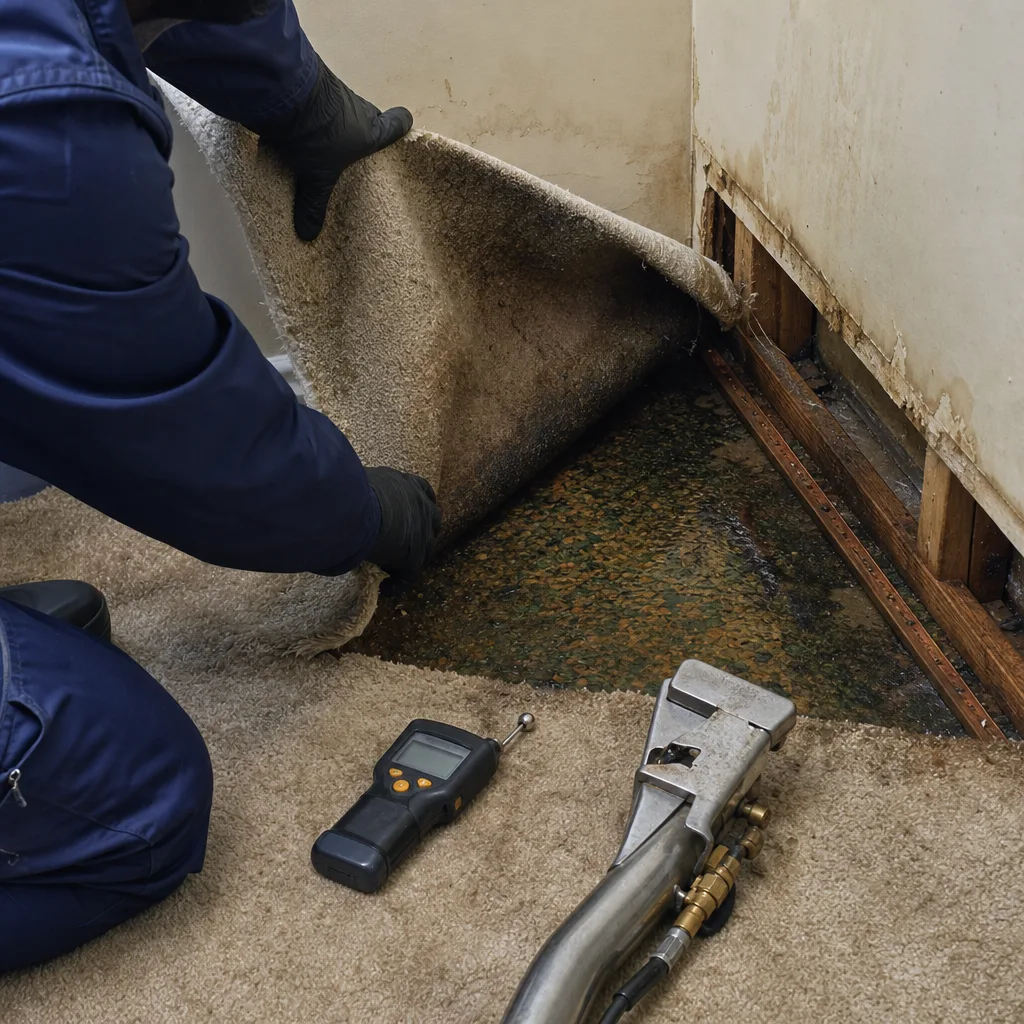
- 45-minute response commitment to any Spring Valley address from our Las Vegas dispatch center, with GPS-tracked crews and real-time arrival updates.
- 24/7 live answer - a real person, never an automated system, picks up every call to (725) 726-3239 within three rings.
- IICRC-certified crews holding FSRT (Fire and Smoke Restoration Technician) and WRT (Water Damage Restoration Technician) credentials, with license numbers documented on every job file.
- Free visual inspection with no obligation; we photograph everything, explain what we found, and leave you with a written scope whether you hire us or not.
- Direct insurance billing with photo-documented estimates formatted to your carrier’s standard, plus direct adjuster coordination from day one.
- One team from board-up to reconstruction - no handoffs between mitigation and rebuild crews, no gaps in documentation.
 Before
 After
AfterOur Fire & Smoke Damage Restoration Process
1. Inspection & Assessment
We document the full loss perimeter with photo records, thermal imaging to find hidden heat and moisture pockets, and moisture mapping of suppression water. In Spring Valley’s tile-roof homes, we specifically inspect attic bypasses and underlayment condition - the exterior may look intact while smoke has saturated the cavity above.
2. Emergency Board-Up & Stabilization
Broken windows, compromised doors, and roof openings get temporary protection using impact-rated materials suited to Spring Valley’s wind loads. On flat or low-slope multi-family roofs, we address failed underlayment beneath concrete tile before tarping, preventing monsoon intrusion at the fire-damaged area.
3. Water Extraction & Structural Drying
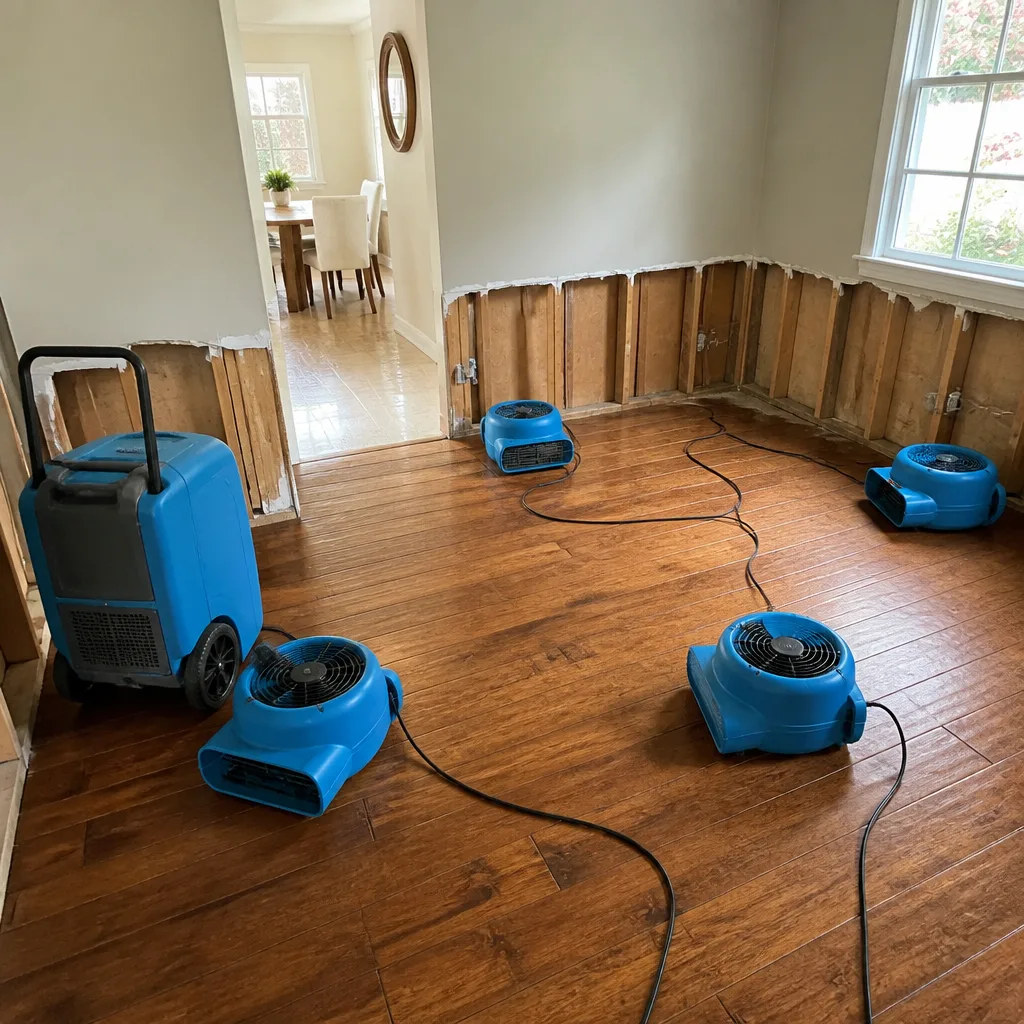
Suppression water gets extracted with truck-mounted systems, then we deploy Dri-Eaz and Phoenix dehumidifiers with air movers positioned for optimal vapor pressure differential - the force that drives moisture from wet materials into the drier air. Daily psychrometric data (temperature, relative humidity, specific humidity) gets logged to IICRC standards.
4. Smoke & Soot Removal
Dry, wet, and protein soot residues each demand specific cleaning chemistry. We use HEPA vacuums, ultrasonic cleaning for contents, and solvent-based agents for synthetic smoke on non-porous surfaces. Spring Valley’s cracked stucco cladding gets special attention - smoke travels through these pathways into wall cavities.
5. Odor Removal & Deodorization
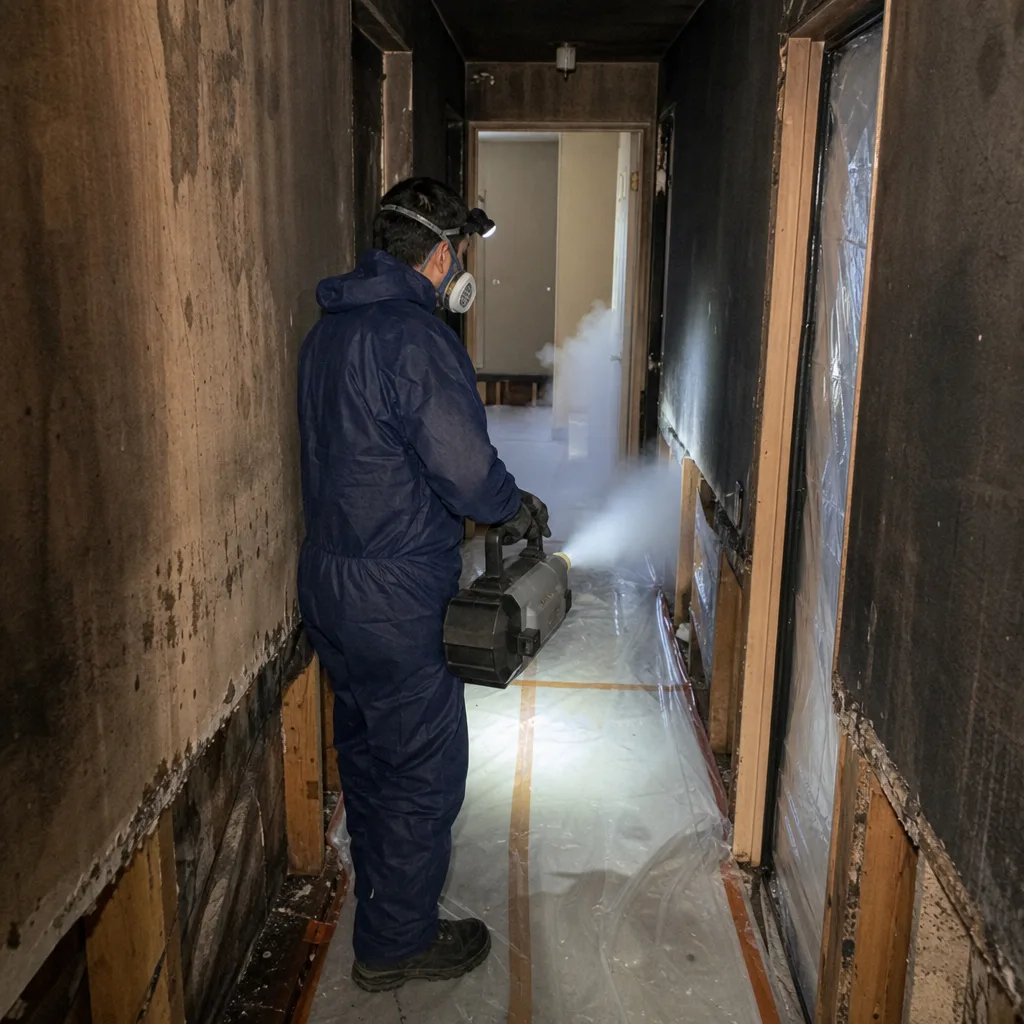
Thermal fogging, ozone treatment, and hydroxyl generators break odor molecules at the source. We don’t mask smells. In Spring Valley’s 1980s-1990s tract homes, this step includes duct cleaning and removal of soot-contaminated insulation - skipping either is why odor returns weeks later.
6. Repairs & Restoration
Reconstruction follows the documented scope: drywall, flooring, cabinetry, roofing, and finish work. Every repair is photo-recorded, moisture-verified, and backed by our 365-Day Done Right Promise under The Haven Standard.
Need Emergency Fire & Smoke Damage Restoration in Spring Valley Now?
Crews minutes away, answering live 24 hours a day. The sooner we start, the less it costs.
Working With Your Insurance Company
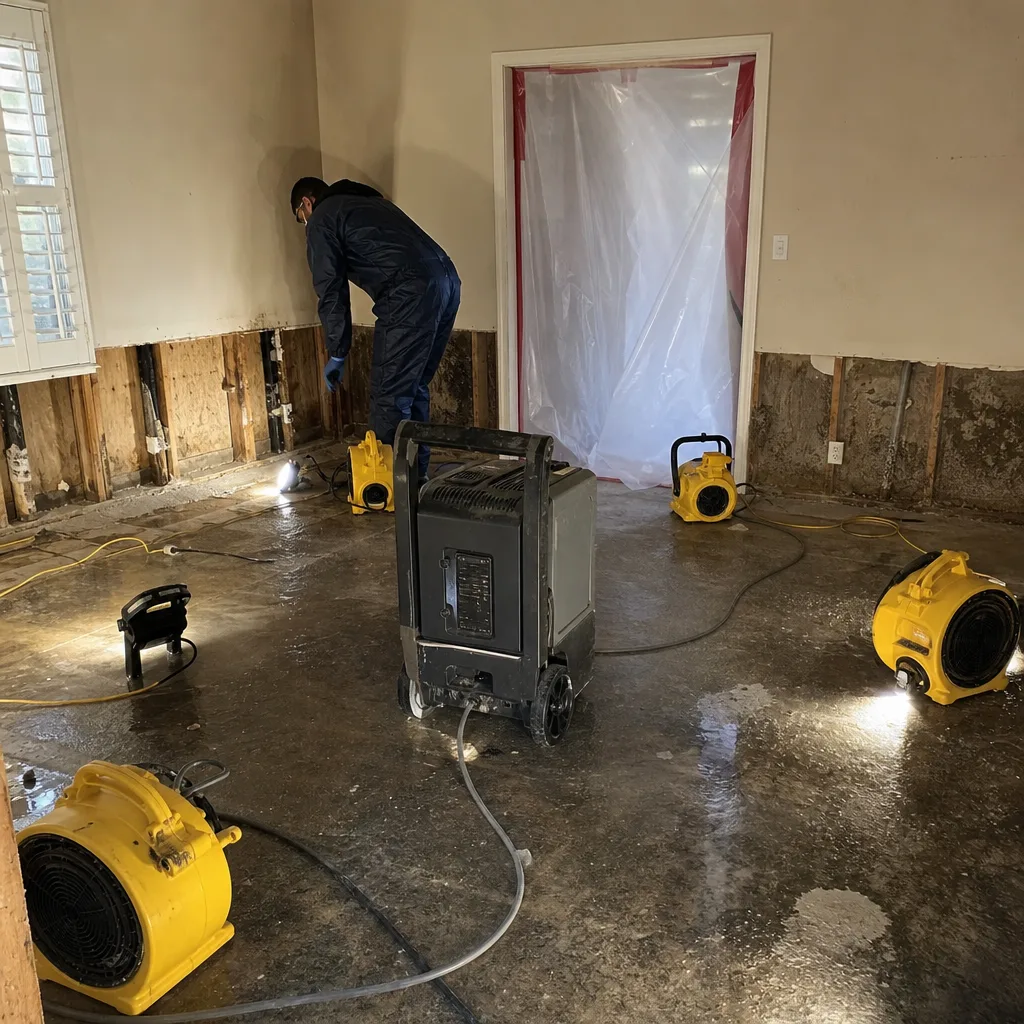
Fire claims succeed or fail on documentation. We begin building your file from the first hour: date-stamped photos, moisture readings, material classifications, and a line-item scope written to Xactimate or Symbility standards. Our estimates include the hidden-layer work that Spring Valley’s building stock demands - failed underlayment removal, attic insulation replacement, duct cleaning - so your adjuster sees the full picture upfront, not as a supplement weeks later.
We coordinate directly with your carrier’s assigned adjuster, attend inspections when requested, and provide the daily drying logs that turn restoration invoices into payable claims. Alicia Brennan founded Back to Dry in 2011 after seeing how documentation gaps cost homeowners their settlements; that origin shapes every file we build.
What We Provide Your Insurer
- Thorough documentation of the loss
- Photos of all damage, room by room
- Moisture readings and drying logs
- A detailed, line-item scope of work
- Direct coordination with your carrier
Built for Spring Valley’s Loss Calendar
Spring Valley’s fire damage calendar runs on three overlapping patterns. Winter heating-system failures peak January through March, when decades-old furnaces in 1980s tract homes ignite accumulated dust or suffer cracked heat exchangers. Kitchen grease fires spike year-round in the dense apartment complexes and extended-stay properties near the Strip - high tenant turnover means unfamiliar equipment and suppressed smoke detectors. The most destructive pattern arrives July through September, when the Mojave monsoon season’s lightning strikes and electrical surges ignite roof assemblies already compromised by failed underlayment.
Monsoon timing matters for restoration. A fire in August often means emergency board-up followed immediately by intense rainfall on exposed structure. Our crews carry tarps rated for wind-driven rain and secure them to substrate, not just tile, because we know the underlayment beneath won’t hold. The 115°F+ days that follow accelerate microbial growth in water-damaged cavities, compressing our drying timeline and demanding more aggressive dehumidification than cooler climates require.
Fire & Smoke Damage Restoration Across Spring Valley’s Neighborhoods
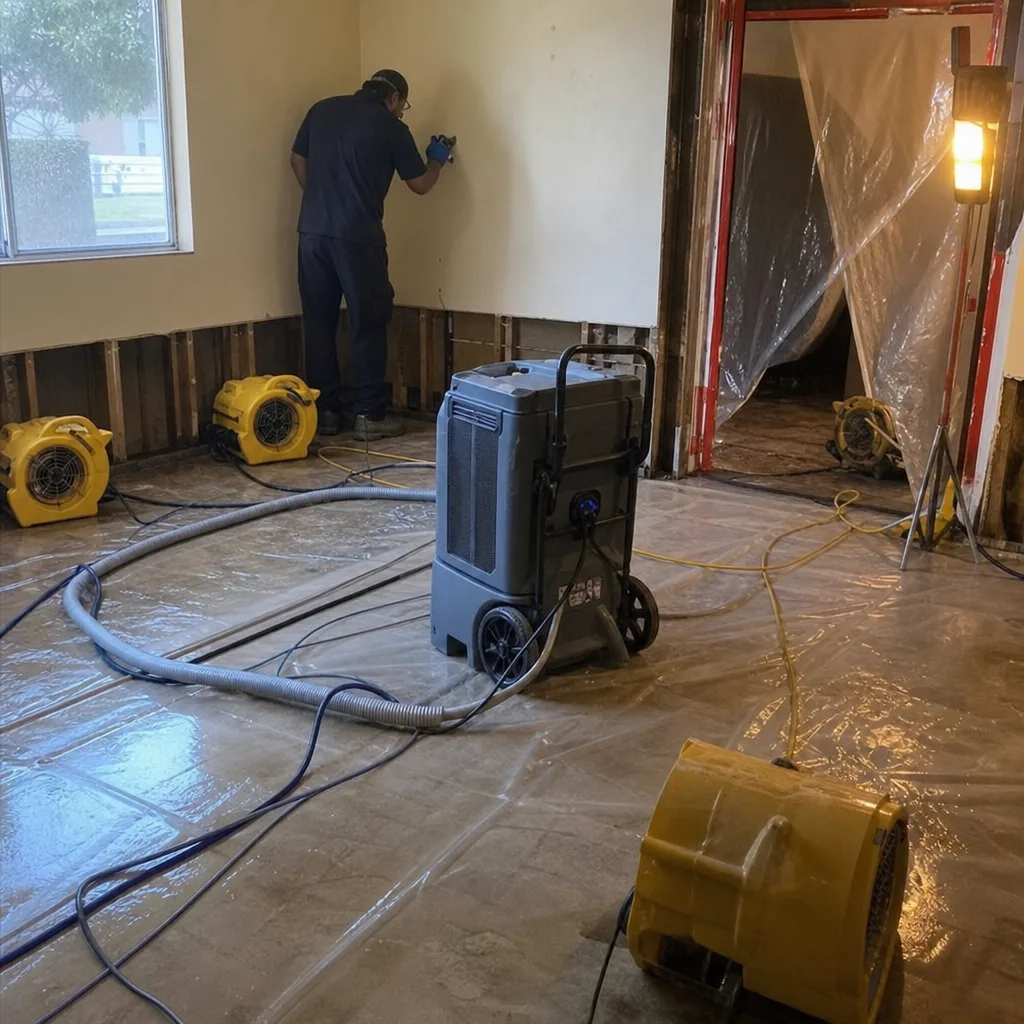
In Chinatown and the corridors along West Flamingo Road, we respond frequently to multi-family buildings with flat built-up roofs and shared attic spaces. A single kitchen fire in one unit sends smoke through common HVAC chases into four or six neighboring units. Our containment strategy seals the fire unit with polyethylene barriers and establishes negative air pressure using HEPA scrubbers before we begin any removal - without this, the entire floor requires deodorization.
Flamingo Heights presents a different profile: older single-story ranch homes with original 1980s ductwork and minimal attic insulation. Smoke travels fast through these systems. We inspect every supply and return register, and we routinely find that “light smoke” calls need full duct cleaning because the original fiberglass liners have trapped soot.
Spanish Hills and Spanish Trail are where our thermal imaging earns its keep. The concrete tile roofs here look pristine from the street. We’ve learned to assume failed underlayment until proven otherwise. We responded to a kitchen fire in Spanish Hills where smoke had traveled through failed 1990s felt underlayment above the concrete tile roof - the exterior looked untouched, but our moisture mapping and thermal scans found soot-laden moisture in the attic insulation and drywall. We set containment, removed the saturated materials, performed antimicrobial treatment, and ran HEPA air scrubbers alongside Dri-Eaz dehumidifiers until drying logs confirmed the structure returned to pre-loss condition.
The short-term rentals and extended-stay properties near Tahiti Suites and WorldMark Las Vegas - Tropicana Avenue add another variable: compressed turnaround expectations. Property managers need documentation that satisfies both the owner’s insurer and the franchise’s loss-prevention protocol. We deliver both formats.
Specialized Fire & Smoke Damage Restoration Services We Offer in Spring Valley
Fire Damage Cleanup
Structural cleaning after fire requires material-specific protocols: dry ice blasting for charred wood, soda blasting for delicate masonry, and controlled demolition for compromised framing. In Spring Valley’s stucco-and-frame construction, we test stucco integrity before deciding whether cleaning or removal is appropriate - heat-fractured stucco will fail even if it looks sound.
Smoke & Soot Removal
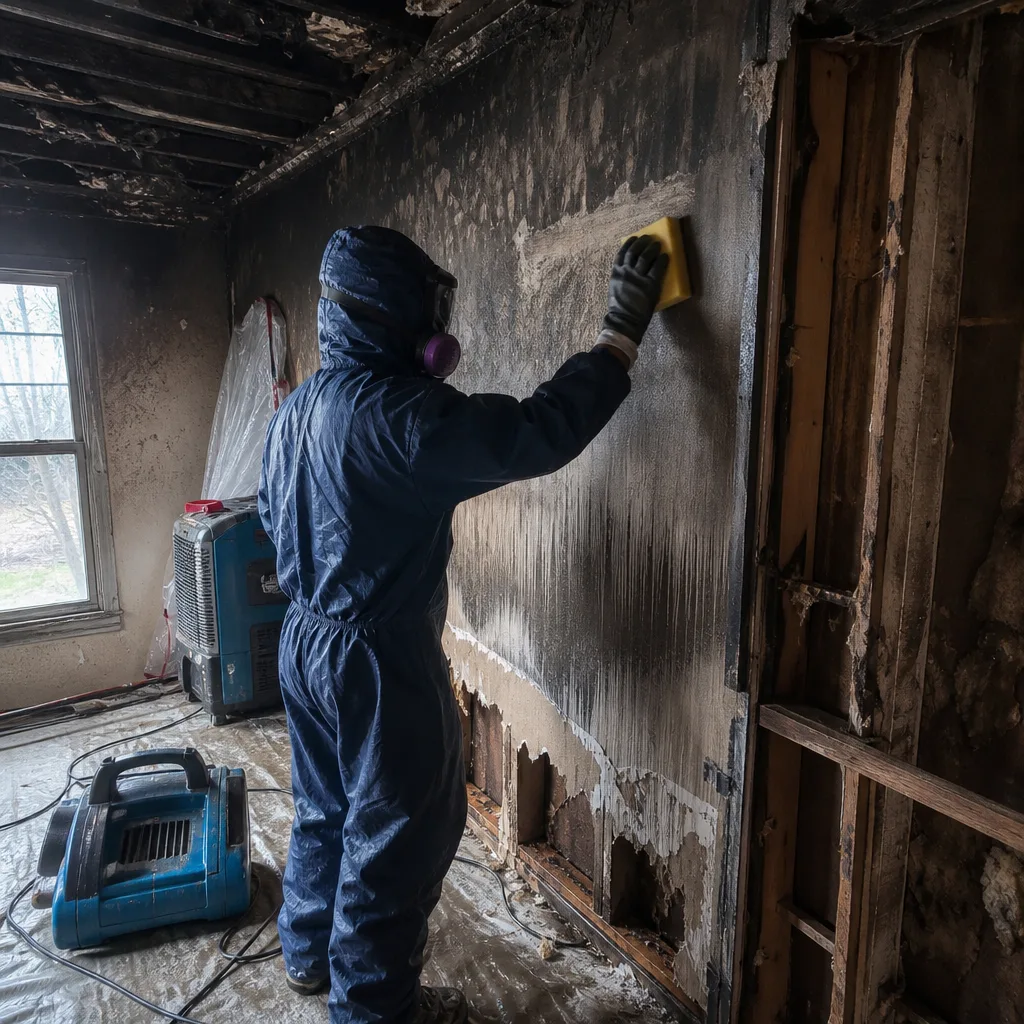
Dry smoke, wet smoke, and protein residues each demand different chemistry and agitation methods. We classify residue type before selecting agents, then test in an inconspicuous area. Spring Valley’s hard water complicates rinsing; we adjust pH and use deionized water for final passes to prevent mineral spotting on glass and metal.
Odor Removal & Deodorization
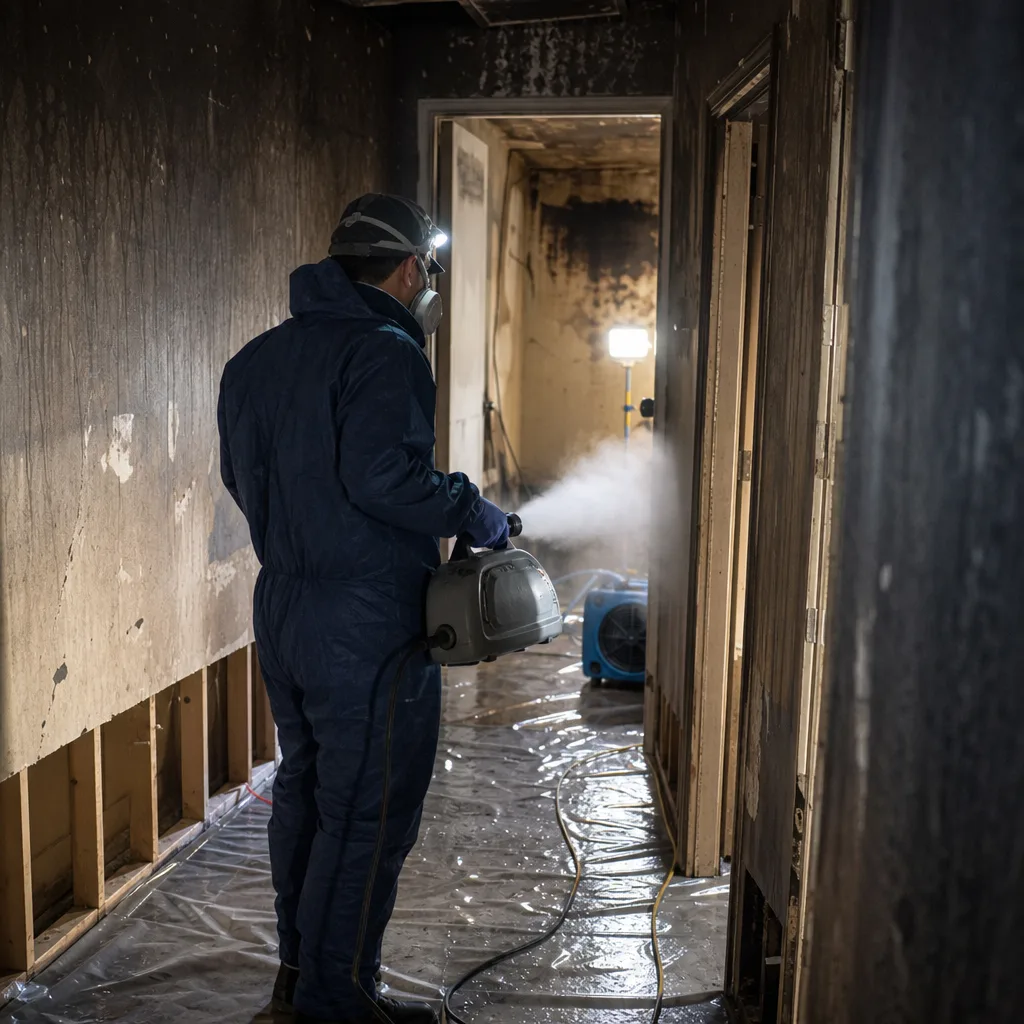
Thermal fogging penetrates where liquid cleaners cannot, following the same vapor pathways smoke traveled. Hydroxyl generators are safe for occupied spaces. Ozone requires evacuation but reaches deeper. We select based on occupancy status, material sensitivity, and odor source depth. In Spring Valley’s apartment complexes, we often sequence all three.
Contents Cleaning & Pack-Out
Salvageable items get inventoried, photographed, and transported to our cleaning facility for ultrasonic, ozone, or specialized textile treatment. Non-salvageable items are documented for insurance with replacement cost research. For Spring Valley’s extended-stay properties, we expedite return of guest essentials.
Emergency Board-Up & Tarping
We secure openings with materials rated for local wind loads, not just visual coverage. On Spanish Hills and Spanish Trail tile roofs, we remove tile to reach solid substrate for anchoring, then replace with temporary weatherproofing that accounts for monsoon intensity. Skipping this step is how secondary water damage turns a fire claim into a mold claim.
What happens when you call
- 1
A real person answersNo phone trees - you reach a local pro.
- 2
You get an upfront price rangeHonest numbers before anyone is dispatched.
- 3
A background-checked tech heads outLicensed & insured, dispatched right away.
- 4
You approve before work beginsNothing starts until you say go.
Fire & Smoke Damage Restoration Costs in Spring Valley, NV
Emergency board-up and stabilization in Spring Valley typically runs $1,400-$2,800. Light smoke damage cleanup for a single room: $3,200-$5,500. Moderate damage with drywall removal and deodorization in a 1,200-square-foot home: $8,500-$14,000. Heavy structural damage requiring reconstruction: $18,500-$45,000+.
What moves the price: affected square footage, smoke residue type (protein residues clean faster than wet smoke), hidden damage extent (failed underlayment and saturated insulation add scope), and whether reconstruction is included. Insurance typically covers direct fire and smoke damage plus necessary water damage from suppression; our written scope separates covered and non-covered items before work begins.
We provide a free visual inspection with a firm, written price. Bring a competitor’s written estimate and we’ll review it at no charge - Haven Standard, Clause 1 applies to every job.
We Also Serve Cities Near Spring Valley
Our crews respond throughout the Las Vegas Valley, including North Las Vegas, Aliante, Nellis AFB, and Sunrise Manor. Dispatch and scheduling are coordinated from our Las Vegas office; crews serve Spring Valley locally with the same 45-minute commitment.
Serving Spring Valley, NV - Our Local Coverage Area
We’re based in the Spring Valley area and know this community well. Use the map below to see our service coverage - if you’re nearby, we can almost certainly help.
Spring Valley Fire & Smoke Damage Restoration Questions, Answered
How does Spring Valley’s concrete tile roofing affect fire and smoke restoration?
Concrete tile roofs in Spring Valley, especially in Spanish Hills and Spanish Trail, often hide failed 1990s felt underlayment that allows smoke and suppression water to migrate into attic spaces undetected.
We remove tile sections to inspect underlayment condition on every fire job in these neighborhoods. Thermal imaging finds heat and moisture signatures that visual inspection misses. Without this step, soot-contaminated insulation remains in place and odor returns within weeks. Call (725) 726-3239 for a free inspection that includes full roof assembly assessment.
Why does smoke odor come back after a fire in Spring Valley apartments?
Odor recurrence almost always means two steps were skipped: removal of soot-contaminated attic insulation and thorough duct cleaning.
Spring Valley’s 1980s-1990s tract homes and apartment complexes have extensive attic bypasses - gaps around plumbing stacks, electrical chases, and top plates that let smoke travel the full structure. Crews who treat only visible surfaces leave these reservoirs intact. Our protocol includes negative-air containment, insulation removal, duct cleaning with HEPA vacuum and agitation devices, and verified odor clearance before we close the job. Haven Standard, Clause 1: written scope before work starts, so you see these steps included upfront.
What should we do right after a fire in a Spring Valley home before your crew arrives?
Ensure everyone is safely outside and do not re-enter until fire department clearance.
Do not attempt to clean soot yourself - improper cleaning sets residues permanently and can spread contamination through HVAC systems. If safe from outside, shut off the HVAC to prevent smoke circulation. Gather insurance policy information and a list of medications or essentials you’ll need for 48-72 hours. Our crew arrives with documentation kits, temporary protective equipment, and a written scope process that begins immediately. Call (725) 726-3239 and we’ll guide you through the next steps while en route.
Does Spring Valley’s monsoon season affect fire damage restoration timelines?
Yes, monsoon season from July through September compresses every phase of fire restoration.
Sudden rainfall on fire-compromised roofs demands immediate, substrate-secured tarping - not just surface coverage - to prevent secondary water intrusion. The extreme heat that follows accelerates microbial growth in water-damaged cavities, requiring more aggressive dehumidification and shorter drying-cycle targets. We adjust equipment deployment accordingly: larger-capacity Dri-Eaz and Phoenix dehumidifiers, more air movers, and daily rather than 48-hour moisture log reviews. Our written scopes account for monsoon conditions so your insurer understands why the timeline differs from standard estimates.
How do you handle smoke damage in short-term rentals and extended-stay properties near the Strip?
We deliver dual-format documentation that satisfies both the property owner’s insurer and the franchise or management company’s loss-prevention requirements.
These properties near Tahiti Suites and WorldMark Las Vegas - Tropicana Avenue operate on compressed turnaround schedules, so we prioritize rapid odor clearance and expedited contents processing. Our photo records include pre- and post-condition documentation for guest-facing areas, and our written scopes separate owner-responsible improvements from insurance-covered restoration. We’ve worked with multiple extended-stay operators in Spring Valley and understand their documentation standards.
How long does fire and smoke restoration typically take in Spring Valley?
Light smoke damage: 2-4 days. Moderate damage with drywall removal and deodorization: 5-10 days. Heavy structural damage requiring reconstruction: 3-8 weeks.
Spring Valley’s building stock often extends these timelines when hidden underlayment failure or attic bypass contamination is discovered. Our daily moisture logs and photo documentation keep you and your insurer informed of progress and any scope adjustments. We never extend timelines without written explanation and adjuster notification when applicable.
Can we stay in our Spring Valley home during fire damage restoration?
Sometimes, but not during the initial 24-72 hours of active deodorization and when structural demolition is underway.
Light smoke damage confined to a single room with isolated HVAC may allow occupancy with HEPA air scrubbers running. Moderate or heavy damage, or any job requiring ozone treatment, requires temporary relocation for safety. We coordinate with your insurer on additional living expense documentation when displacement is necessary. Our written scope specifies occupancy status by phase so you can plan.
What certifications do your Spring Valley fire restoration technicians hold?
Our lead technicians hold IICRC FSRT (Fire and Smoke Restoration Technician) certification, with WRT (Water Damage Restoration Technician) cross-certification required because suppression water is present on nearly every fire job.
All work is documented to IICRC, RIA, and IFA standards. Technicians are background-checked, uniformed, and licensed, with license numbers recorded on every job file. Equipment includes professional-grade Dri-Eaz and Phoenix dehumidification systems, HEPA air scrubbers, and thermal imaging cameras. We don’t send untrained crews to fire losses - the documentation demands are too specific, and the liability too significant.
Written by Alicia Brennan, Owner at Back to Dry Restoration, serving Spring Valley since 2011.
Fire & Smoke Damage Restoration in Nearby Areas