Free visual inspection and a written scope of work before any mitigation begins - photos, moisture readings, and drying logs go in your claim file
The scope we write is the scope we bill. Anything new gets shown to you, in writing, before we touch it.
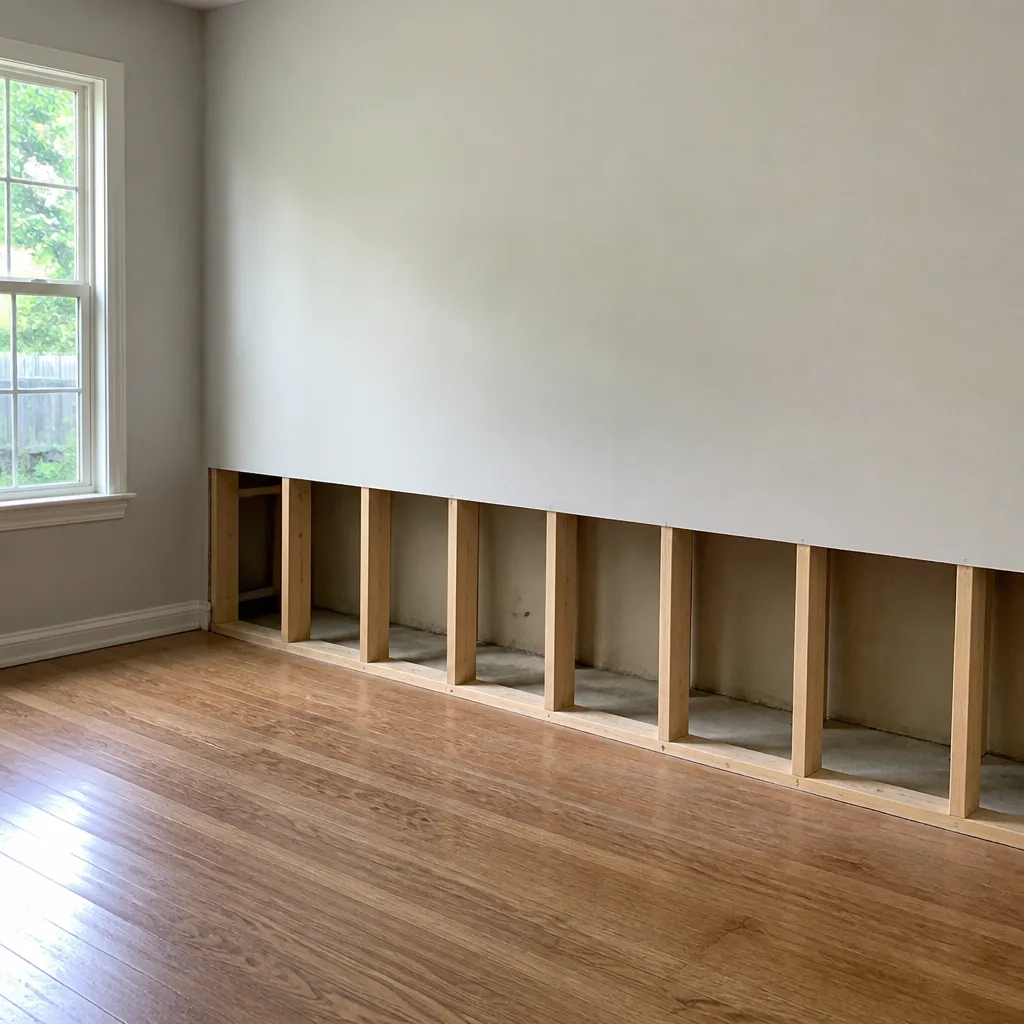
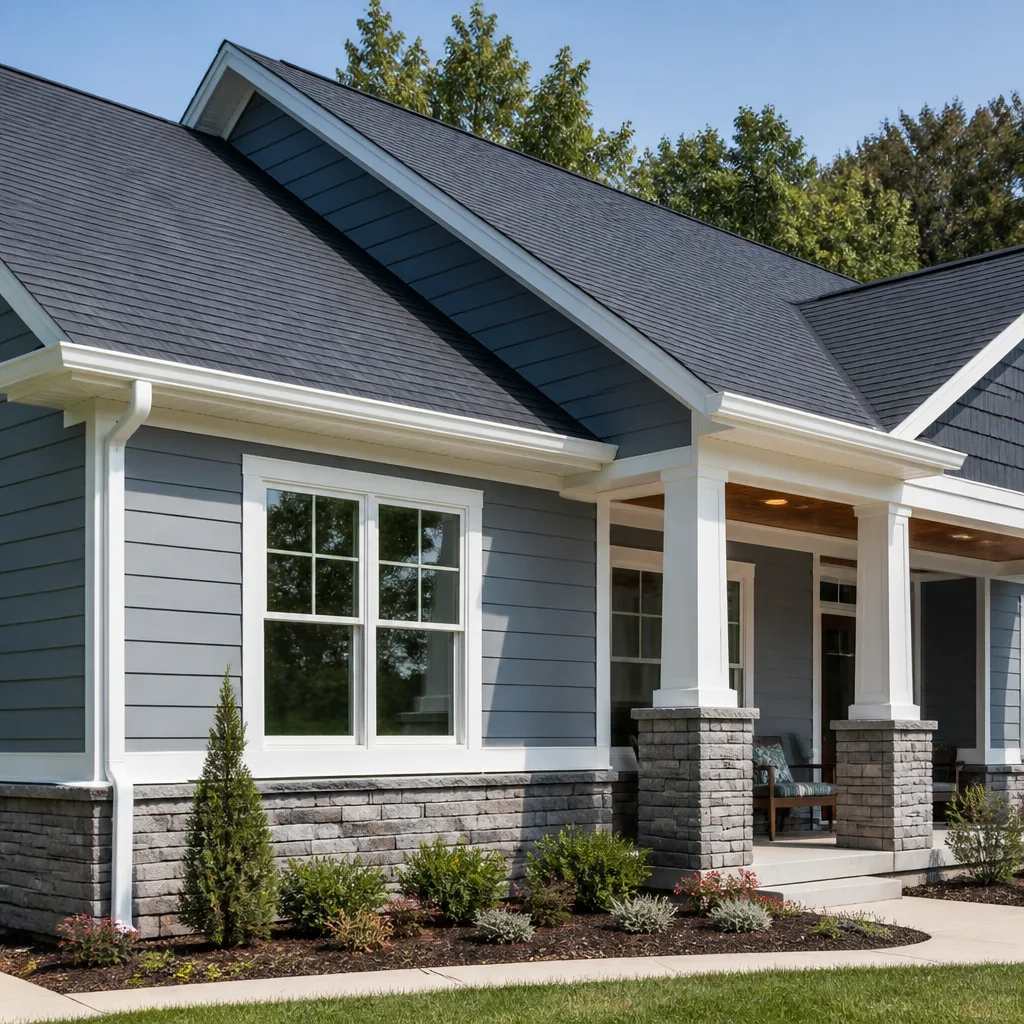
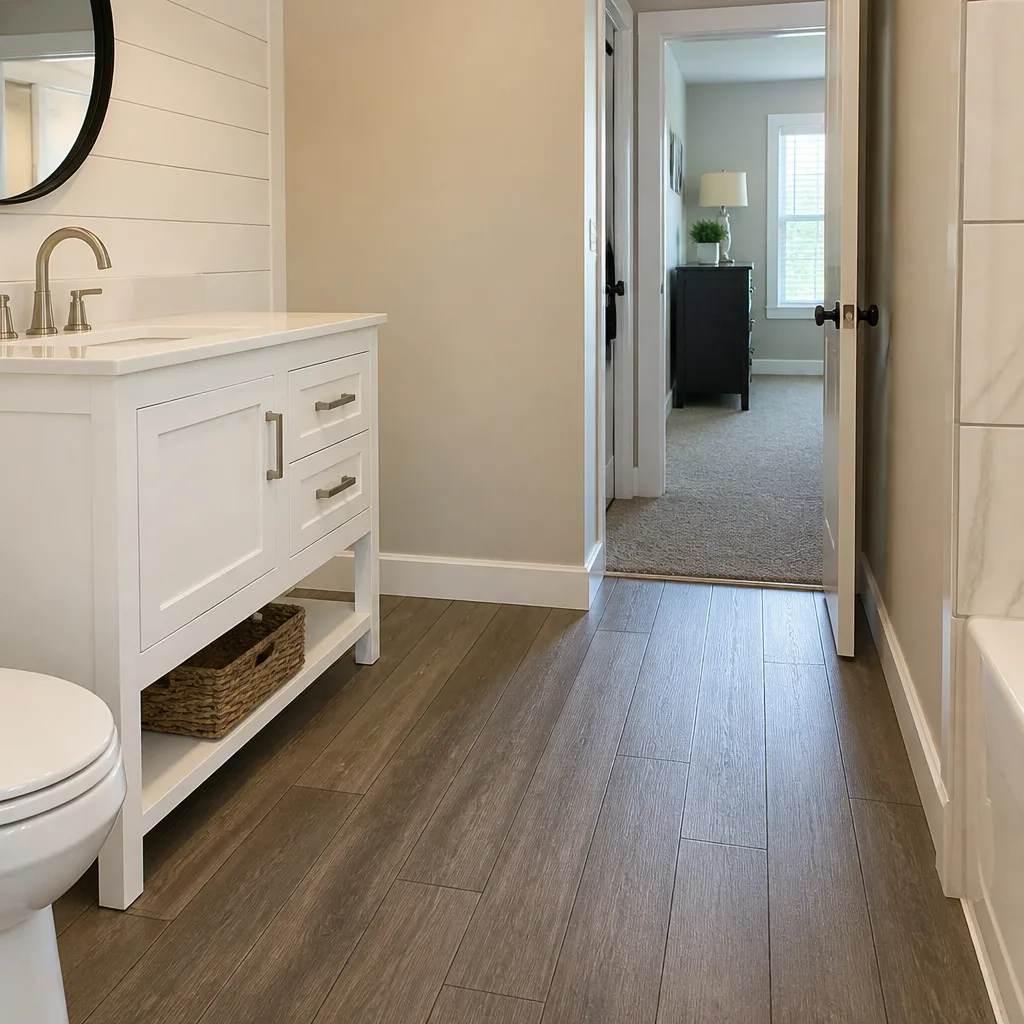
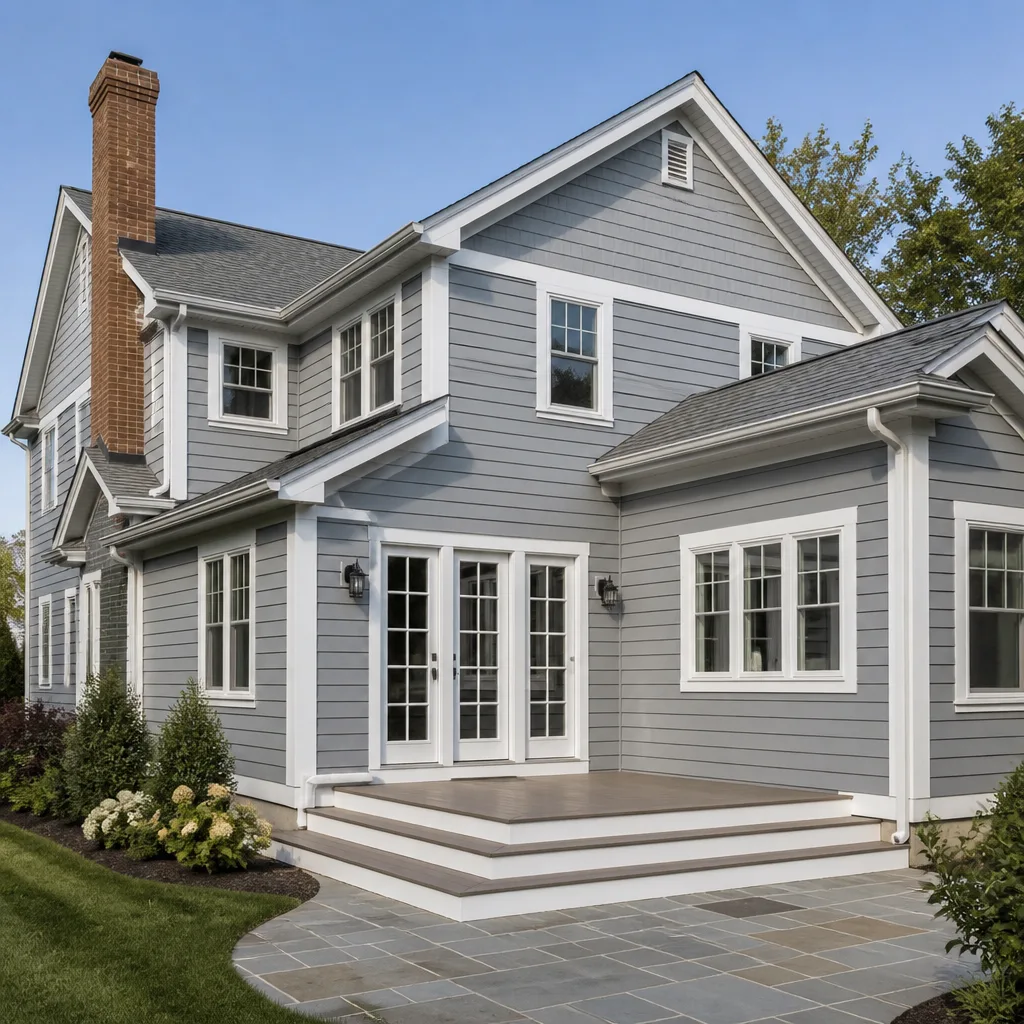
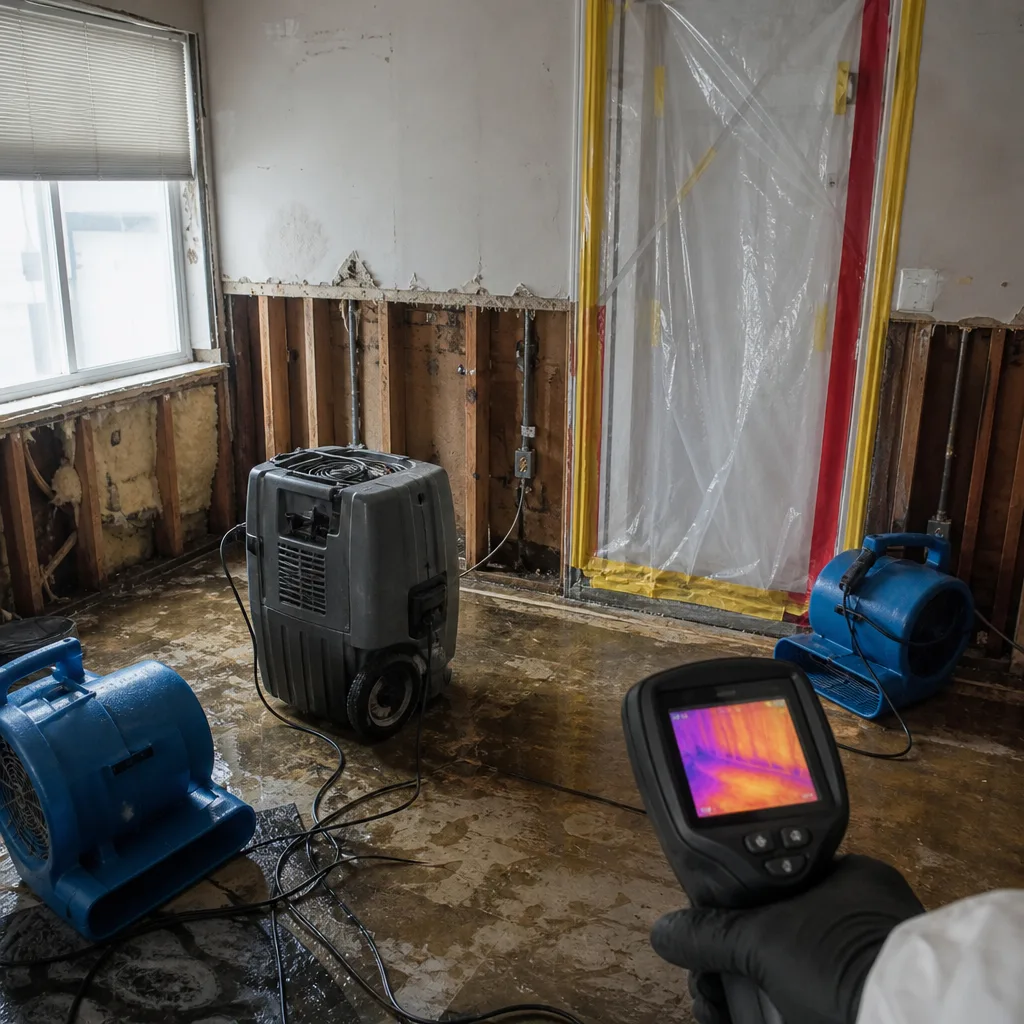 Before
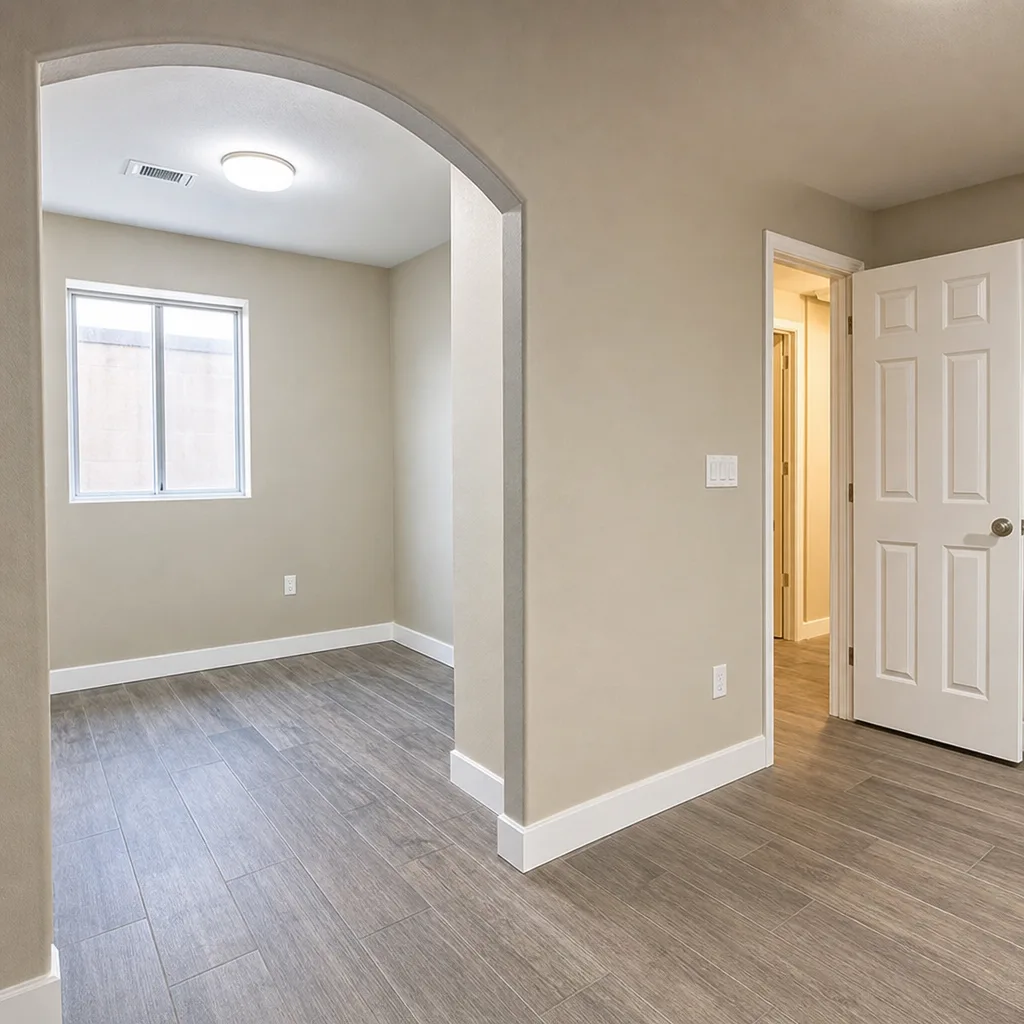 After
After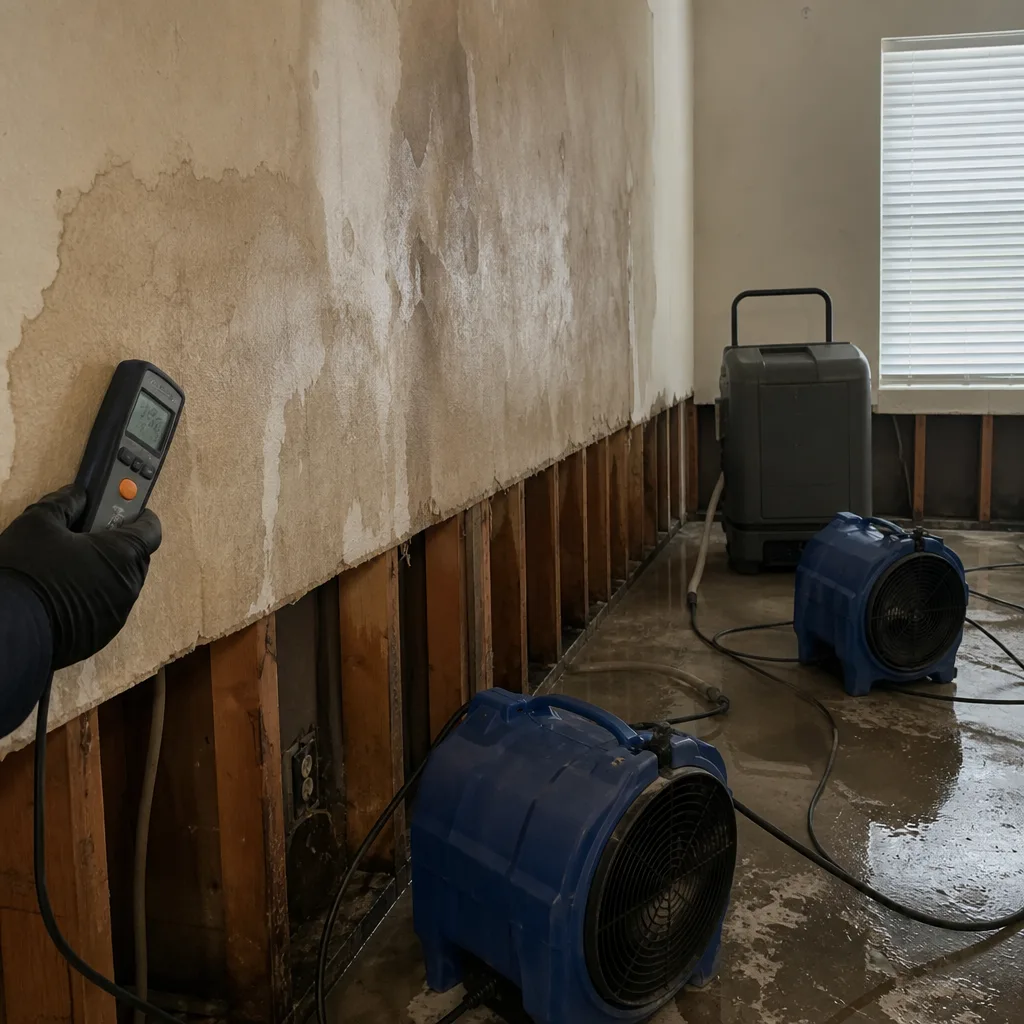 Before
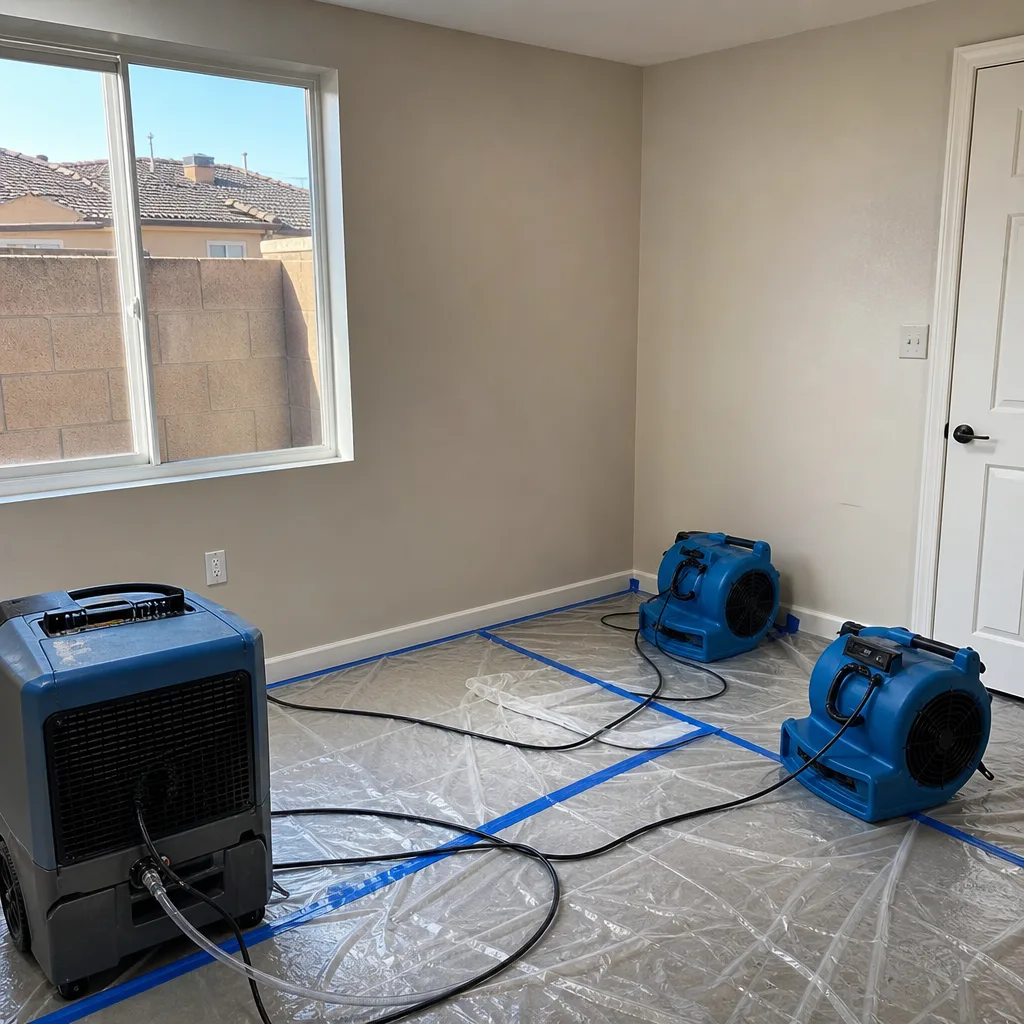 After
After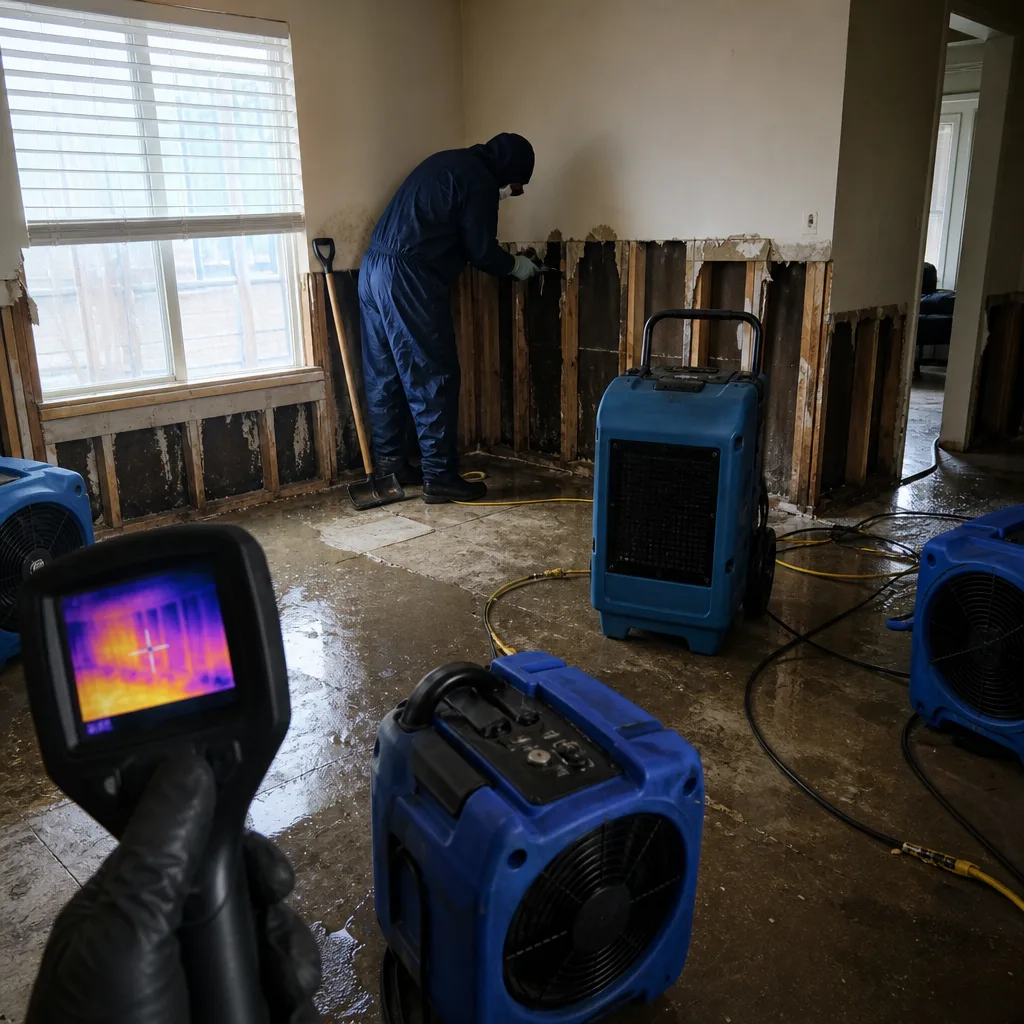 Before
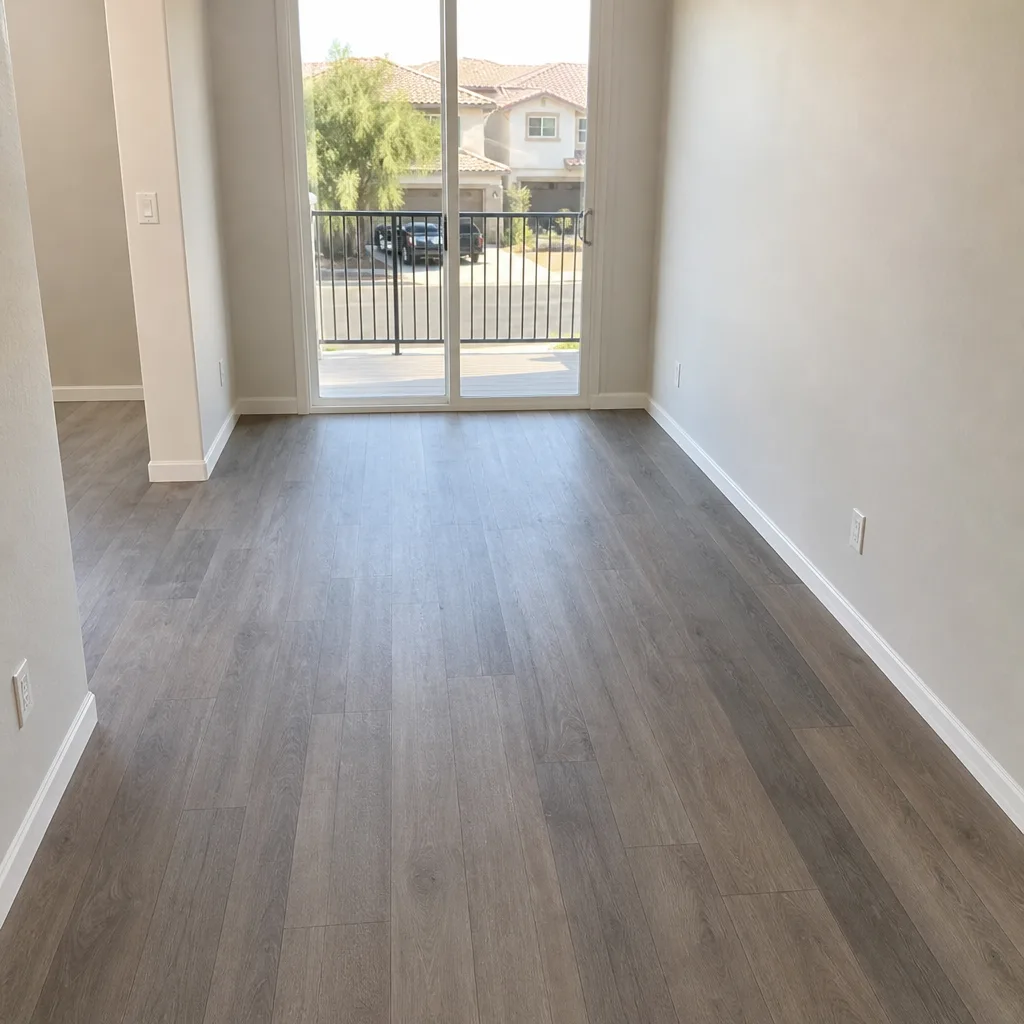 After
After24/7 Emergency Mold Remediation in Nellis AFB
Mold in Nellis AFB housing moves fast after water gets in. Call (725) 726-3239 and a live person answers, 24 hours a day, no voicemail tree. We dispatch crews with active base access credentials, so we badge through the gate without the delay that costs civilian contractors their critical extraction window. Every Nellis AFB call starts with a free visual inspection, and we deliver a written price before any work begins - Haven Standard, Clause 1. The first hour determines whether mold takes hold behind your walls or gets stopped at the surface.
Understanding Mold Remediation Severity in Nellis AFB Properties
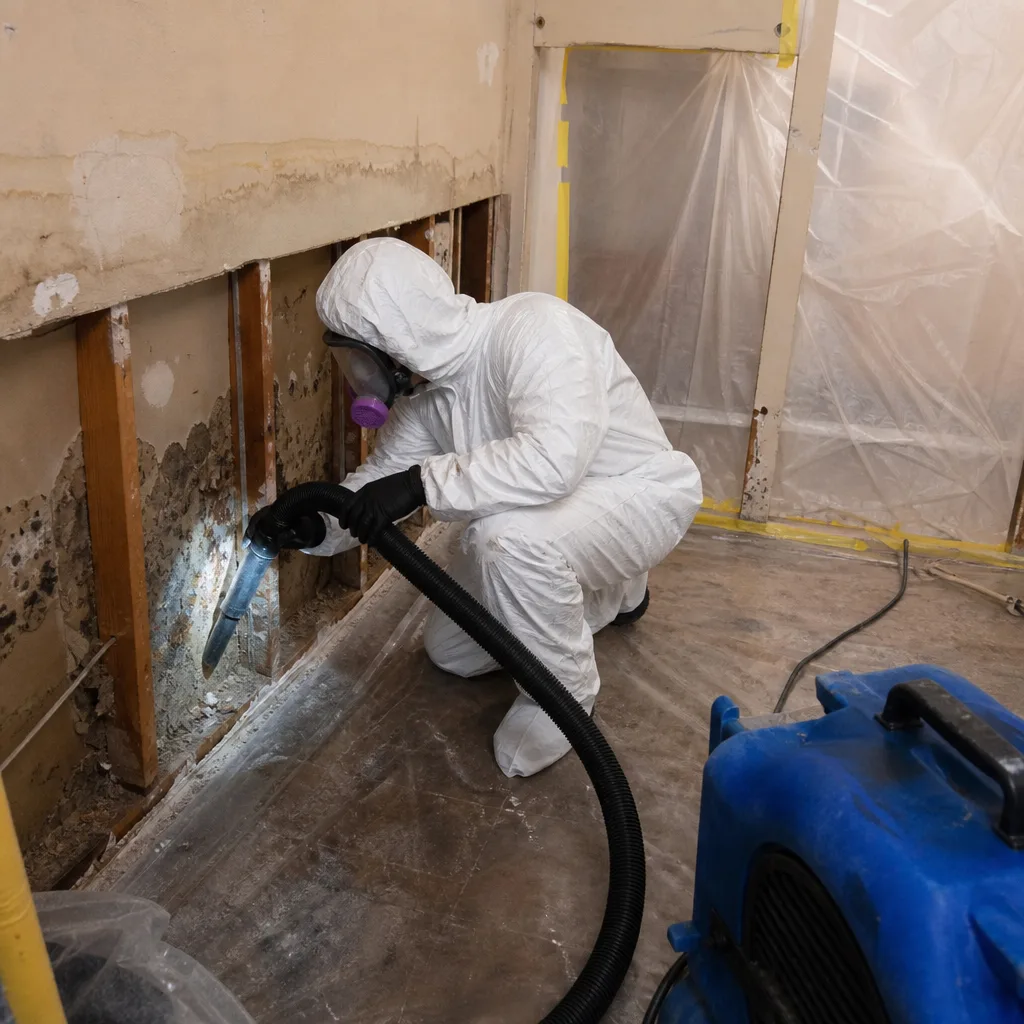
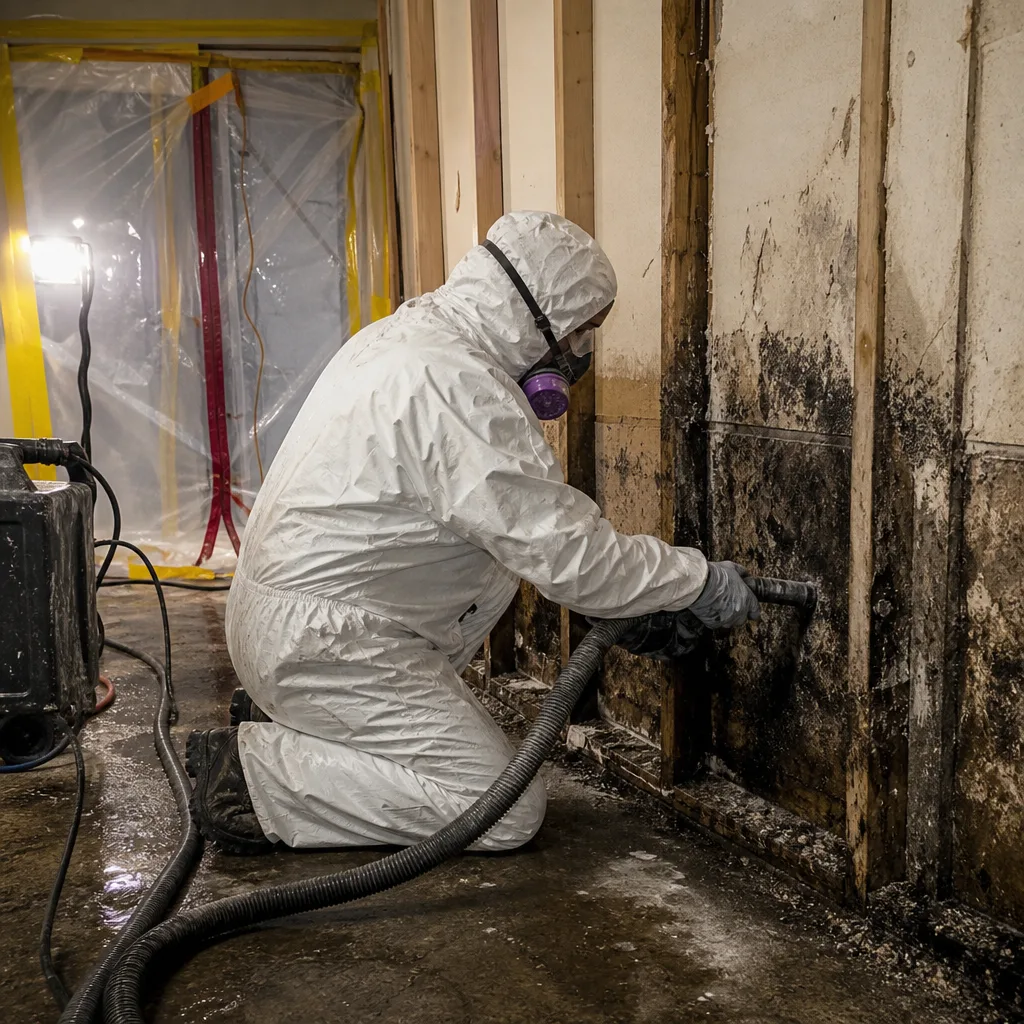
Mold contamination in Nellis AFB housing falls into three severity tiers, and the base’s split housing stock means we assess each unit differently. Light surface growth, usually under 10 square feet on non-porous materials, responds to HEPA vacuuming and antimicrobial treatment with containment around the work zone. Moderate infestation - 10 to 100 square feet with penetration into porous substrates like drywall or carpet pad - requires negative air containment, air scrubbing with HEPA filtration, and removal of affected materials. Heavy contamination exceeding 100 square feet or involving HVAC systems demands full engineering controls, sealed containment under negative pressure, and post-remediation clearance testing by an independent third party.
The construction era matters here. Cold War-era units built in the 1950s through 1970s have original plumbing, older insulation, and plaster or early drywall that wicks moisture laterally behind walls. Privatized housing from the 2000s-2010s uses modern materials but suffers from construction-defect moisture intrusion at windows, slab joints, and roof valleys. A moisture meter reading of 16% on a Cold War-era plaster wall means something different than 16% on modern drywall - the plaster holds water longer, drying curves flatten, and secondary mold risk extends days past what psychrometric data would predict for newer construction.
Why Nellis AFB Property Residents Choose DryMark Restoration North Las Vegas
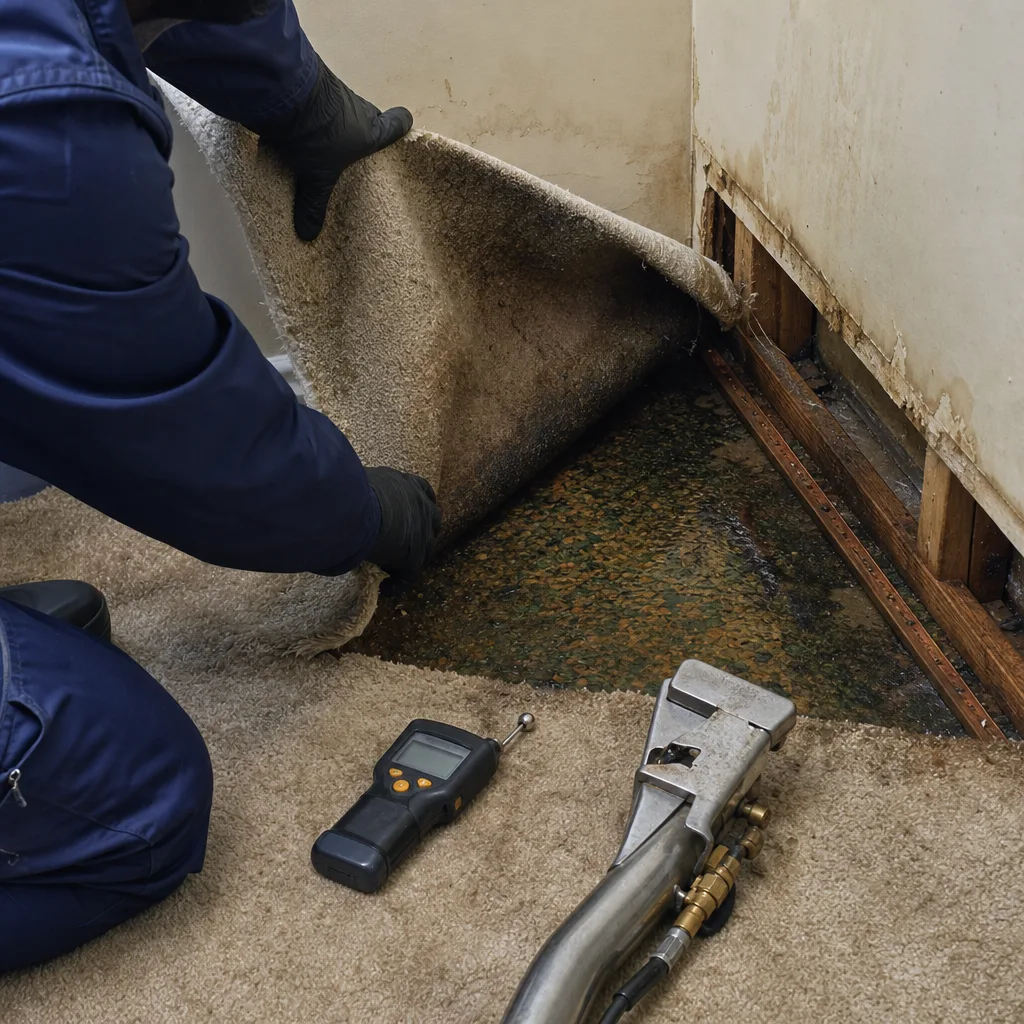
- Pre-cleared base access: Our technicians hold active DoD background screening and base credentials, so we badge through Nellis AFB gates without the delay that turns water intrusion into mold colonization.
- Live answer, every call: A real person picks up at (725) 726-3239 24 hours a day, 7 days a week - no automated attendant, no callback queue while moisture spreads.
- IICRC-certified crews: Our technicians carry WRT (Water Damage Restoration Technician), AMRT (Applied Microbial Remediation Technician), and FSRT (Fire & Smoke Restoration Technician) certifications, with license numbers documented on every job.
- Free visual inspection: We assess moisture readings, visible mold, and air quality indicators at no charge before any scope is written.
- Direct insurance and housing management billing: We coordinate with your installation housing management chain and insurance carrier, producing the documentation each requires.
- One team from containment to clearance: The same crew that sets up containment and removes contaminated materials performs the final post-remediation verification - no handoff gaps, no blame-shifting.
 Before
 After
AfterOur Mold Remediation Process
1. Inspection & Assessment
We arrive with moisture meters, thermal imaging cameras, and hygrometers to map the full extent of water damage and visible mold. On Nellis AFB, we log construction era, plumbing type, and whether the intrusion came from monsoon sheet flow, original plumbing failure, or envelope breach - each source demands different containment strategy.
2. Containment & Air Quality Control
We establish sealed containment with 6-mil polyethylene sheeting and negative air machines equipped with HEPA filtration. Air scrubbers run continuously to prevent cross-contamination to unaffected areas - critical in base housing where residents often remain in adjacent rooms during remediation.
3. Moisture Extraction & Drying
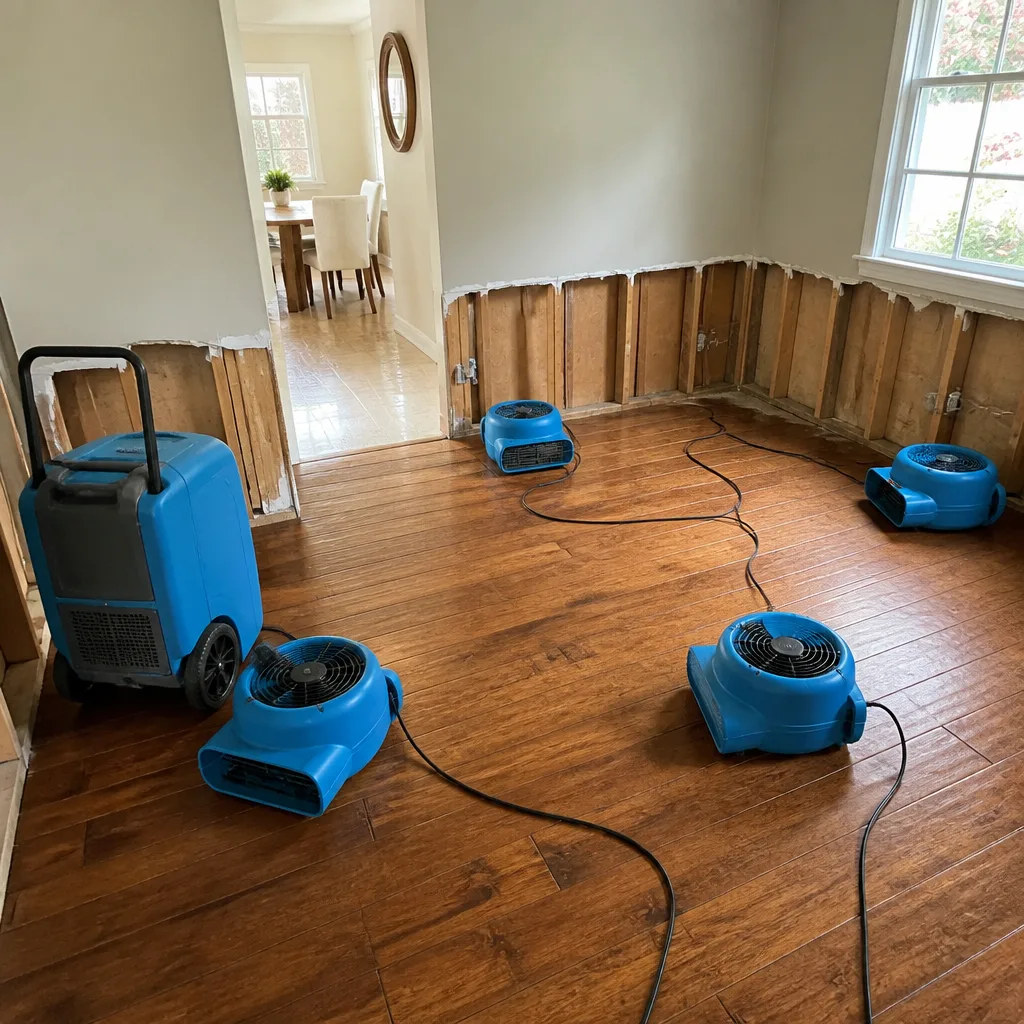
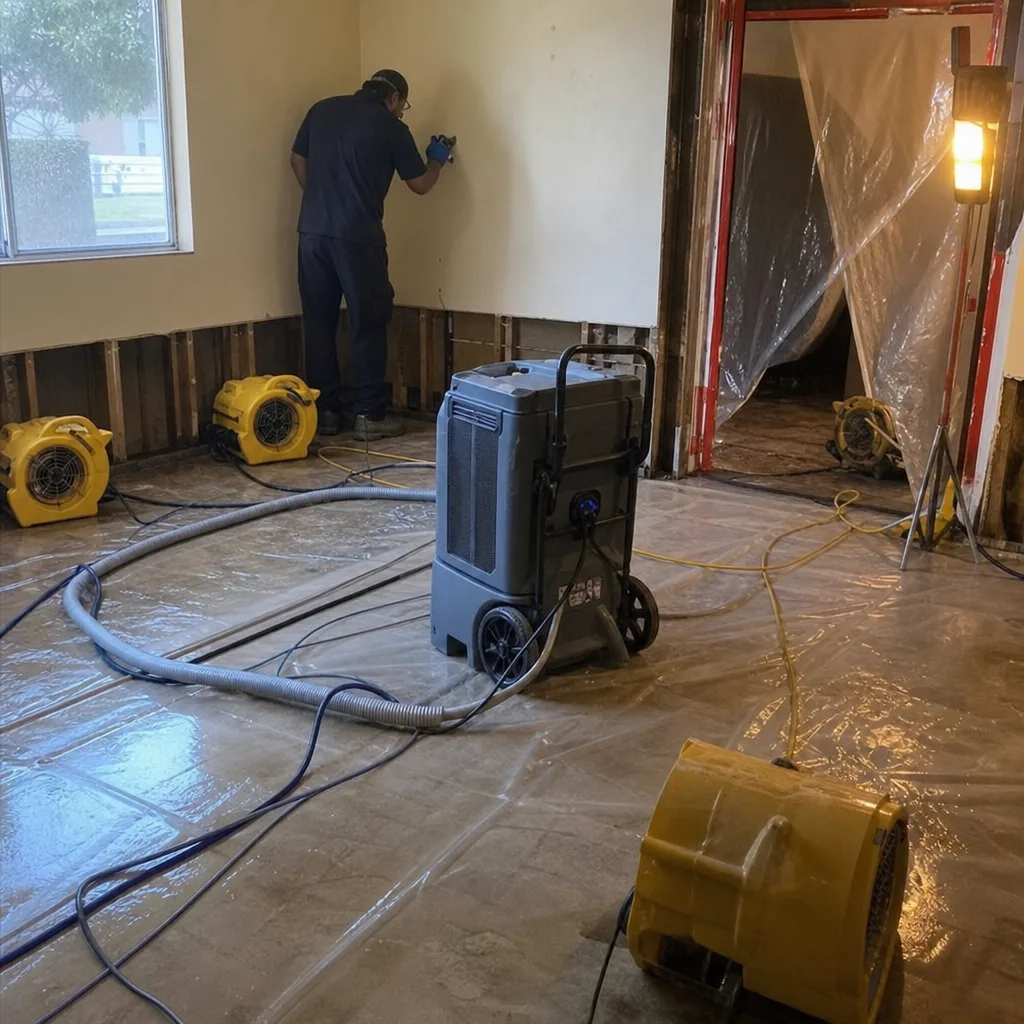
Standing water extracts with truck-mounted or portable systems. We deploy LGR dehumidifiers, axial and centrifugal air movers, and Injectidry cavity drying systems to pull moisture from wall voids and ceiling plenums. Daily psychrometric readings track vapor pressure differential until materials return to pre-loss moisture content.
4. Removal of Contaminated Materials
Non-salvageable porous materials - waterlogged drywall, insulation, carpet pad, and contaminated wood framing - come out under containment. We document each removal with photos, material classifications, and square footage for the housing management work order and any insurance coordination.
5. Antimicrobial Treatment & HEPA Cleaning
All remaining structural surfaces receive EPA-registered antimicrobial application, followed by HEPA vacuuming and damp-wiping. In Nellis AFB’s monsoon-driven losses, we pay particular attention to sill plates, bottom plates, and slab perimeters where sheet flow deposits organic loading and moisture in a single event.
6. Clearance Testing & Documentation
Post-remediation, we provide moisture logs, photo documentation, and written scope completion. Where required, we coordinate independent third-party air sampling and surface sampling to verify clearance before containment comes down and residents reoccupy.
Need Emergency Mold Remediation in Nellis AFB Now?
Crews minutes away, answering live 24 hours a day. The sooner we start, the less it costs.
Working With Your Insurance Company
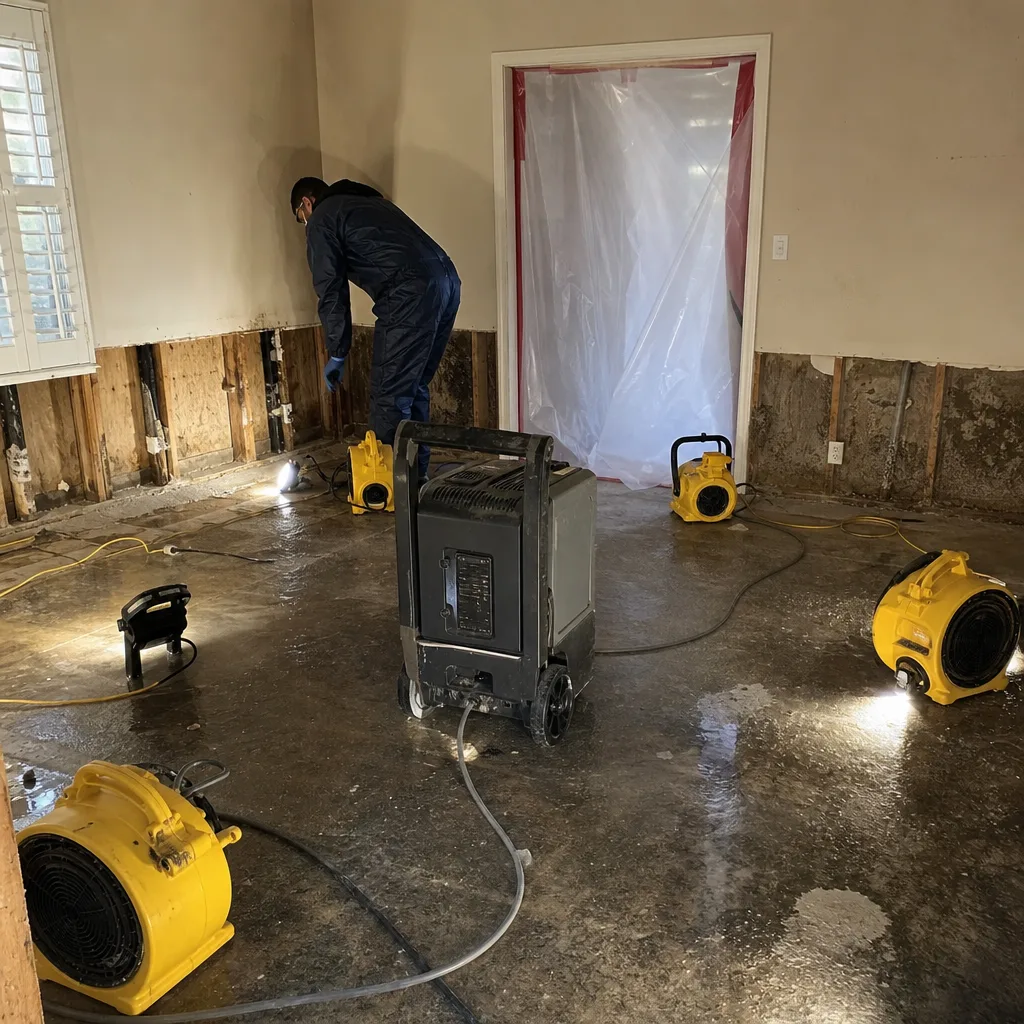
Documentation starts the moment we arrive. Our crew chief photographs every room, logs moisture readings at multiple points, and begins building the file that turns a restoration invoice into a payable claim. For Nellis AFB privatized housing, we also document to the installation housing management company’s work-order requirements, which run parallel to any insurance process. We provide line-item scopes formatted to industry-standard estimating platforms, and we speak directly with adjusters rather than pushing that burden onto residents. Our daily drying logs, photo records, and written price before work begins - Haven Standard, Clause 1 - give every party the evidence they need to move forward without dispute.
What We Provide Your Insurer
- Thorough documentation of the loss
- Photos of all damage, room by room
- Moisture readings and drying logs
- A detailed, line-item scope of work
- Direct coordination with your carrier
Built for Nellis AFB’s Loss Calendar
Nellis AFB’s mold season doesn’t follow the calendar you’d expect from a desert location. June through September brings the Mojave monsoon, and that’s when the real damage happens. Summer temperatures exceeding 115°F cause extreme thermal cycling that opens gaps in roofing membranes and building envelopes. When July-September cloudbursts drop an inch of rain in 45 minutes onto compacted caliche soil, water sheets across the surface instead of absorbing. Low-lying base housing rows near the flight-line perimeter road flood from surface flow faster than any drain system can respond.
The rest of the year is nearly dry, but the damage is done. Original plumbing in Cold War-era units swells and leaks as thermal cycling fatigues copper and galvanized connections. Privatized housing from the 2000s-2010s shows construction-defect window and slab leaks that go undetected until mold odor alerts residents. October through May, we handle the secondary damage - mold that established during monsoon season and now propagates through HVAC systems as heating cycles move air through wall cavities.
Mold Remediation Across Nellis AFB’s Neighborhoods
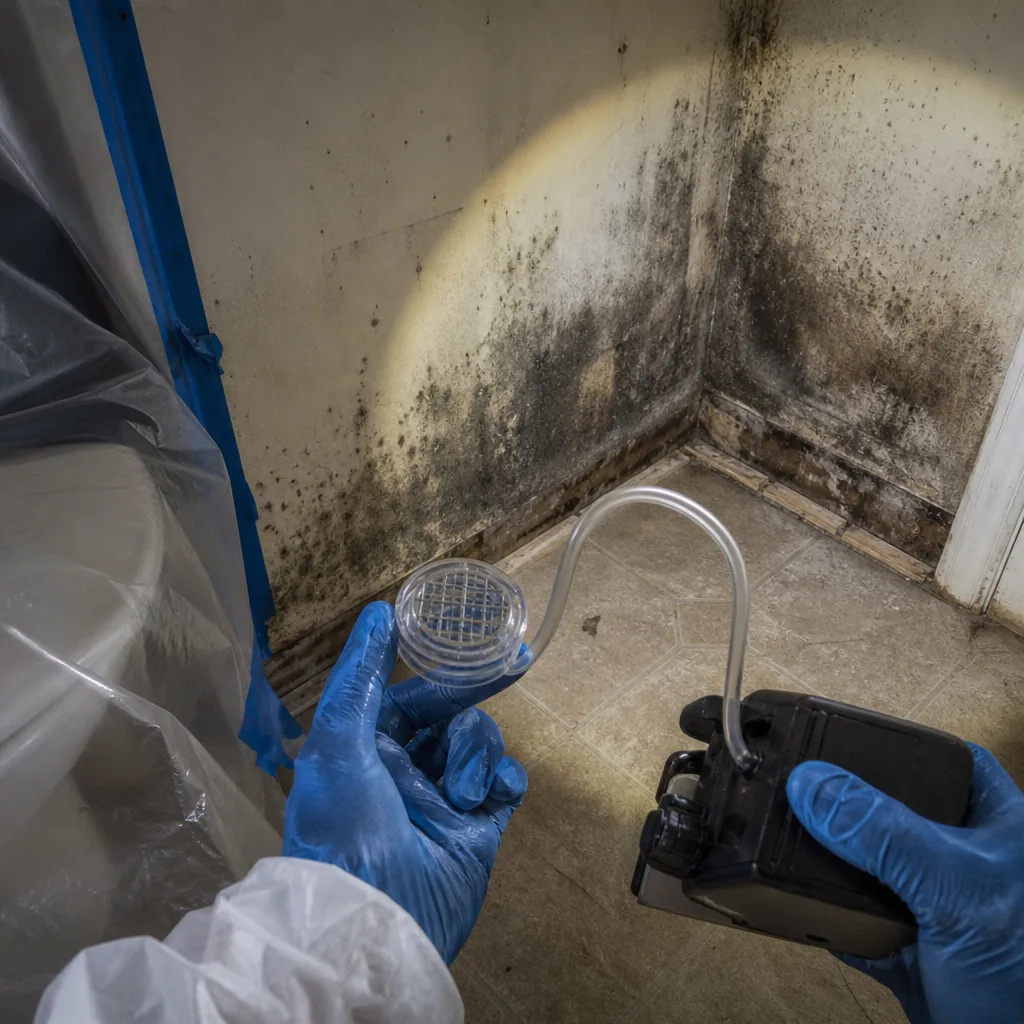
Our crews serve the full Nellis AFB installation, and each zone presents distinct mold risk profiles tied to construction era and drainage geography. The original base housing near the flight-line perimeter road, built during the Cold War, sits on the lowest ground and floods first during monsoon sheet flow. These units have original plumbing behind plaster walls, and we’ve learned that moisture mapping calibrated for modern drywall misses the lateral wick pattern in older plaster and lath. We adjust our Injectidry cavity drying setup accordingly, running hoses through smaller drill patterns and extending drying cycles.
The privatized housing blocks developed under the Military Housing Privatization Initiative in the 2000s-2010s, particularly the family housing areas northeast of the main runway, feature modern construction but suffer from a different failure mode. Slab-on-grade construction with post-tensioned concrete shows stress cracking at perimeter joints, and monsoon water intrudes at the slab-wall interface. We’ve treated repeated mold recurrence in these units where initial water extraction addressed visible flooding but missed the slow wick through slab edge insulation.
The dorms and training support areas see higher occupancy turnover, which means delayed reporting of water stains and musty odors. By the time maintenance receives a work order, mold has typically advanced past surface treatment into wall cavities. Our Mold Remediation protocol for these areas emphasizes rapid moisture mapping and aggressive containment, since residents cannot be relocated during academic training cycles.
Commercial and administrative buildings across the base, including facilities near Craig Road and the Las Vegas Boulevard corridor approaches, present larger-scale HVAC contamination risks. Rooftop package units in these structures develop condensate drainage failures during thermal cycling, and mold distributes through ductwork before anyone notices a problem. We coordinate these larger projects through the installation’s facilities management chain, with phased containment to maintain operations.
Specialized Mold Remediation Services We Offer in Nellis AFB
Mold Inspection & Testing
Every Nellis AFB inspection starts with moisture mapping and thermal imaging, not guesswork. We measure actual conditions - humidity percentages, surface temperatures revealing evaporative cooling behind walls, and moisture content readings at structural members. Air sampling and surface sampling go to independent laboratories when clearance documentation or health concern verification is required. In base housing, we also inspect for the specific failure patterns of each construction era.
Mold Removal
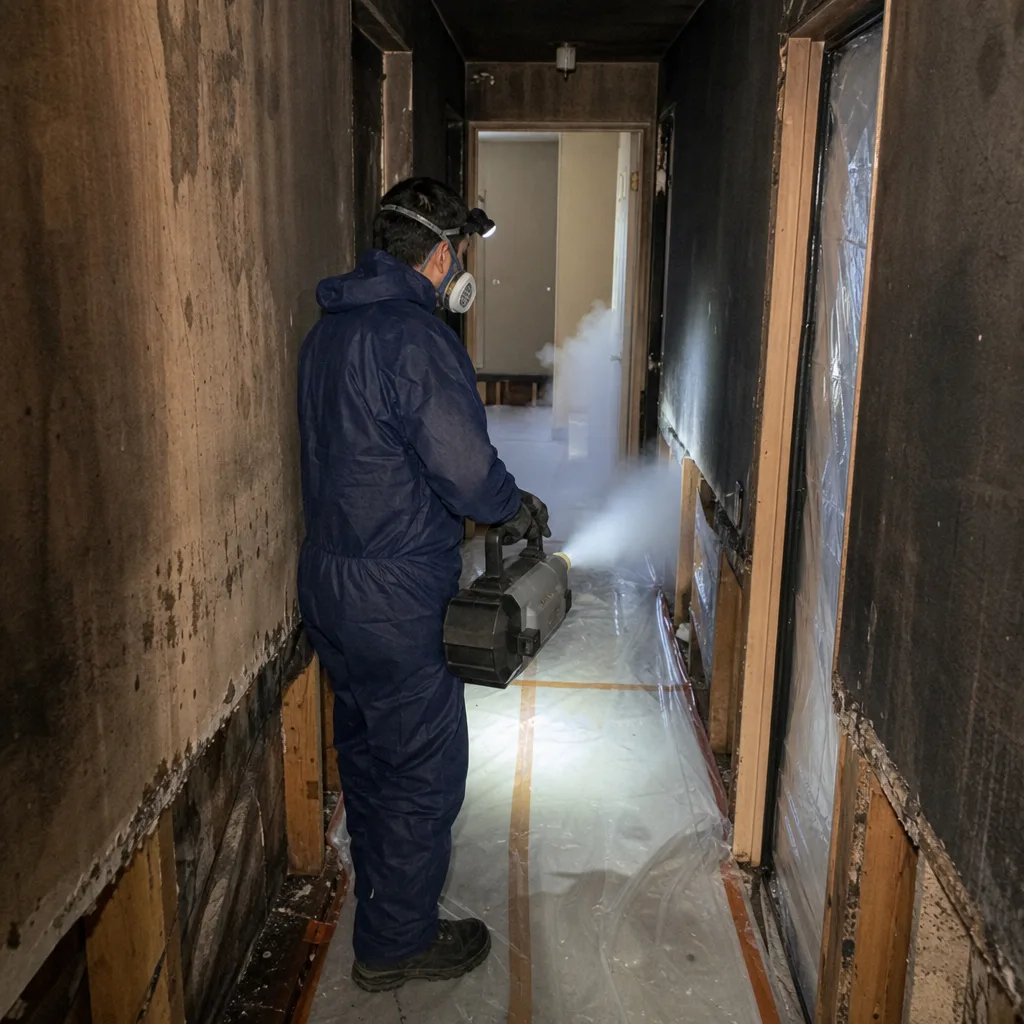
Removal means controlled demolition under containment, not surface spraying. We remove non-salvageable materials, HEPA-clean remaining structures, and verify dryness before any rebuild begins. For Nellis AFB’s split housing stock, removal scope varies dramatically - a Cold War-era unit may require plaster removal back to stud bays where a privatized unit needs only drywall replacement and baseboard reset.
Black Mold Remediation
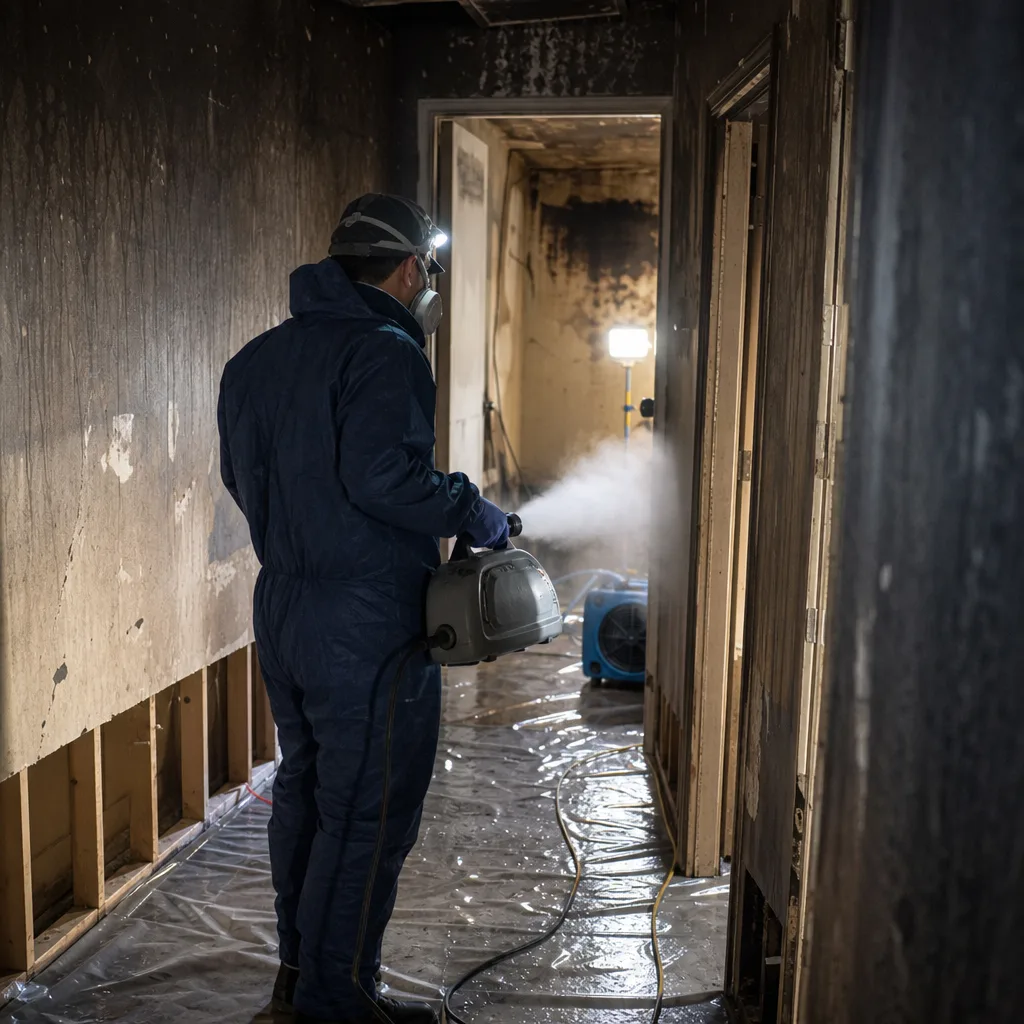
Stachybotrys chartarum and other toxigenic species require enhanced containment with full-face respirator protocols and double-layer decontamination chambers. We treat these infestations with the same documentation rigor as any other - photo records, moisture logs, and written scope - but with engineering controls scaled to the hazard class.
Air Quality Restoration
HVAC contamination is common in Nellis AFB housing where monsoon moisture entered ductwork or condensate pans. We clean and treat duct systems, replace contaminated insulation, and verify post-remediation air quality through sampling. This service is particularly critical for residents with respiratory sensitivities and for housing turnover protocols.
Crawl Space Treatment
Where base housing includes crawl space construction, we address ground vapor intrusion, inadequate ventilation, and plumbing leaks that create chronic moisture conditions. Encapsulation, dehumidification, and structural drying combine to break the moisture cycle that sustains mold growth.
Moisture & Humidity Control
Long-term mold prevention in Nellis AFB requires managing the extremes - summer monsoon humidity spikes followed by months of near-zero ambient moisture. We install and monitor permanent dehumidification in chronic-problem units, with humidity setpoints and monitoring protocols documented to the housing management work order.
What happens when you call
- 1
A real person answersNo phone trees - you reach a local pro.
- 2
You get an upfront price rangeHonest numbers before anyone is dispatched.
- 3
A background-checked tech heads outLicensed & insured, dispatched right away.
- 4
You approve before work beginsNothing starts until you say go.
Mold Remediation Costs in Nellis AFB, NV
Mold remediation in Nellis AFB runs $1,200-$3,500 for light surface contamination in contained areas under 50 square feet. Moderate infestation with material removal in the 50-150 square foot range typically costs $3,500-$7,500. Heavy contamination involving HVAC systems, extensive demolition, or whole-room treatment ranges $7,500-$15,000 and above, with independent clearance testing added separately.
What moves the price: construction era (Cold War-era units take longer to dry and often require more extensive removal), contamination location (crawl spaces and attic mold cost more to access and contain), and whether the moisture source is still active. Monsoon-driven losses often involve Category 3 water, which triggers additional sanitization protocols.
Most Nellis AFB residents do not pay out of pocket for mold remediation that follows covered water damage. Privatized housing claims flow through the installation housing management chain, not standard homeowner’s insurance, and we coordinate that billing directly. For privately owned housing near but outside the installation, we work with your carrier and provide the documentation they require. Call (725) 726-3239 for a free visual inspection and written scope - Haven Standard, Clause 1.
We Also Serve Cities Near Nellis AFB
Our crews respond throughout the Nellis AFB area and surrounding communities, including Nellis AFB itself, North Las Vegas, Las Vegas, and Henderson. Dispatch and scheduling are coordinated from our Las Vegas office, with crews serving Nellis AFB locally under pre-cleared base access credentials.
Serving Nellis AFB, NV - Our Local Coverage Area
We’re based in the Nellis AFB area and know this community well. Use the map below to see our service coverage - if you’re nearby, we can almost certainly help.
Nellis AFB Mold Remediation Questions, Answered
How does Nellis AFB gate access change the timeline for mold remediation after a monsoon?
Civilian contractors without active DoD background screening and base credentials lose 30 minutes to 2 hours at the security gate - long enough for Category 3 monsoon sheet flow to saturate drywall and begin mold colonization within 24 to 48 hours. Our technicians hold pre-cleared credentials, so we badge through and start extraction while the water is still standing, not after mold has established. That gate access is the difference between water damage and mold remediation. Call (725) 726-3239 - we answer live 24 hours a day.
Can mold be treated in Cold War-era base housing the same way as the newer privatized units?
No - the materials and moisture behavior differ fundamentally. Cold War-era units have original plumbing, plaster or early drywall, and older insulation that wicks moisture laterally and holds it longer than modern materials. Equipment placement and drying cycles calibrated for 2000s-era construction miss hidden saturated cavities in legacy walls. We adjust moisture mapping protocols, extend drying timelines, and use Injectidry cavity systems with modified hose patterns for these structures. Call (725) 726-3239 for an inspection specific to your unit’s construction era.
Who authorizes mold remediation work on Nellis AFB housing?
Federally owned and privatized military housing both require authorization through the installation’s housing management chain, not a standard homeowner’s insurance claim. The contracted private housing company manages work orders, repair authorizations, and contractor coordination. We document our scope to their requirements and bill directly through that system, parallel to any insurance process for privately owned structures. Call (725) 726-3239 and we’ll explain the authorization path for your specific housing type.
What does monsoon season specifically do to cause mold in base housing?
Extreme thermal cycling from 115°F summer highs opens gaps in roofing membranes and building envelopes. When monsoon cloudbursts drop intense rain onto compacted caliche soil that absorbs almost none of it, water sheets into structures through those gaps. Low-lying housing rows near the flight-line perimeter road flood fastest, and because security gates slow contractor response, water sits long enough for mold to begin on drywall within 24 to 48 hours. The monsoon creates a narrow but acute window where water intrusion becomes mold infestation almost predictably. Call (725) 726-3239 for standby readiness during monsoon season.
What equipment do you use to dry base housing after a monsoon intrusion?
We deploy LGR dehumidifiers, axial and centrifugal air movers, and Injectidry cavity drying systems for wall voids and ceiling plenums. Thermal imaging cameras locate moisture behind finishes, and hygrometers track daily psychrometric data - vapor pressure differential and specific humidity - until readings confirm pre-loss moisture content. All equipment documentation aligns with IICRC, RIA, and IFA standards. Call (725) 726-3239 for equipment specifics on your loss type.
How fast can your crew actually get to Nellis AFB after I call?
Our response time to Nellis AFB is measured in minutes, not hours, because our technicians hold pre-cleared base access credentials. There’s no gate delay for background verification. We answer live at (725) 726-3239 24 hours a day, and crews dispatch immediately for active water intrusion or visible mold emergencies.
Will insurance cover mold remediation in Nellis AFB housing?
Coverage depends on housing type. Privatized military housing claims flow through the installation housing management company’s work-order system, which we coordinate directly. For privately owned residences, mold remediation following covered water damage is typically included, but mold from long-term maintenance neglect often is not. We provide the documentation - photo records, moisture logs, written scope - that supports either claim type. Call (725) 726-3239 for a free inspection and we’ll review your authorization path.
Do I need full mold remediation or just a cleaning?
Surface cleaning works for light, non-porous contamination under 10 square feet with no moisture source still active. Anything beyond that - porous material penetration, hidden growth behind walls, HVAC involvement, or contamination exceeding 10 square feet - requires full remediation with containment, air scrubbing, and material removal. We determine which category applies through moisture mapping and inspection, not guesswork. Call (725) 726-3239 for a free visual assessment and written scope.
During a July monsoon, our crew was activated for sheet-flow intrusion in a privatized 2010s-era housing row near the flight-line perimeter road. Because base access had been pre-cleared under our active credentials, our techs ran water extraction within the narrow window and setup moisture mapping on the flooded slab - but a legacy Cold War-era unit’s original plumbing behind the wall had already swelled. We used Injectidry to dry the wall cavity, applied antimicrobial treatment to the sill plate, and logged daily moisture readings until the readings met pre-loss condition.
That field experience shapes how we approach every Nellis AFB call. The gate-delay-to-mold timeline is real, the construction-era differences are measurable, and the authorization path through federal housing management replaces the standard insurance workflow most contractors expect. We document to all three realities - moisture, materials, and bureaucracy - because sloppy documentation costs claims, and we don’t repeat that mistake.
Written by Alicia Brennan, Owner at Back to Dry Restoration, serving Nellis AFB since 2011 under The Haven Standard.
Mold Remediation in Nearby Areas