
Free visual inspection and a written scope of work before any mitigation begins - photos, moisture readings, and drying logs go in your claim file
The scope we write is the scope we bill. Anything new gets shown to you, in writing, before we touch it.
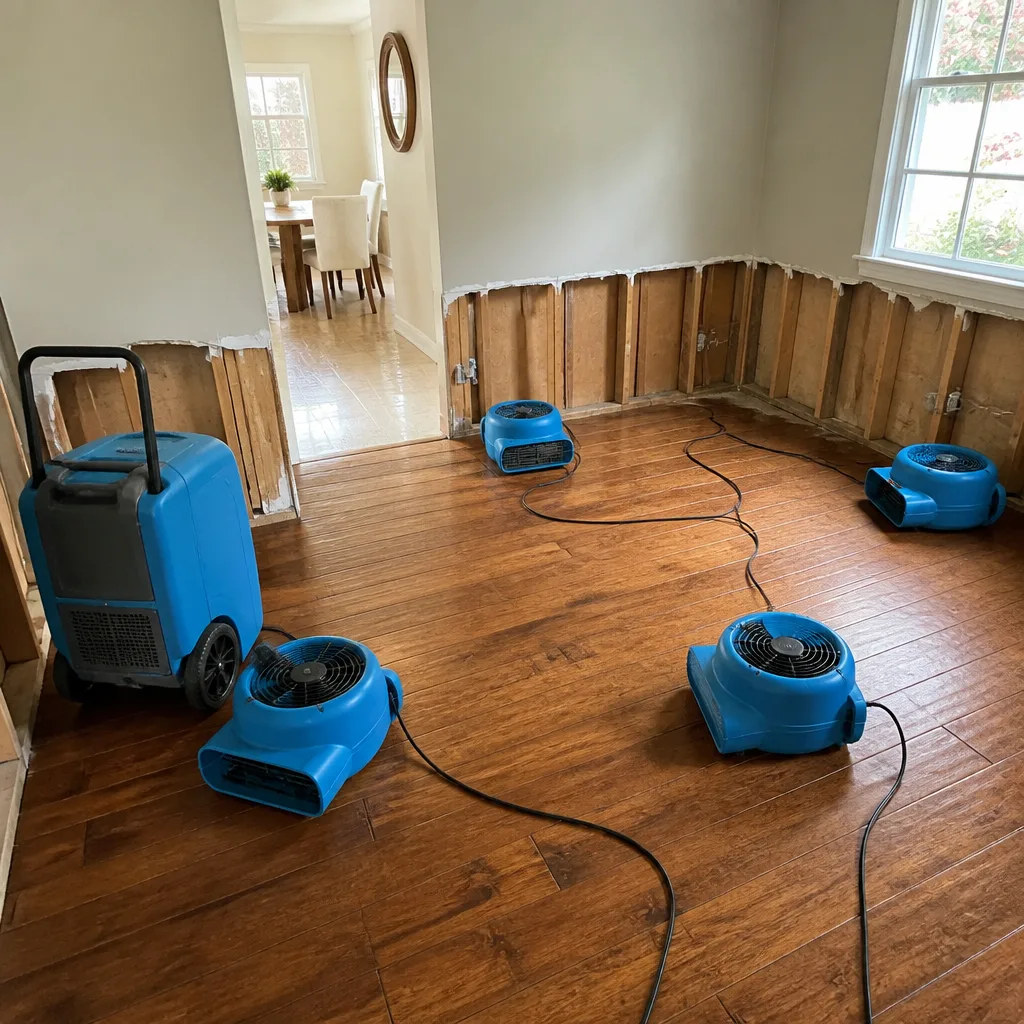
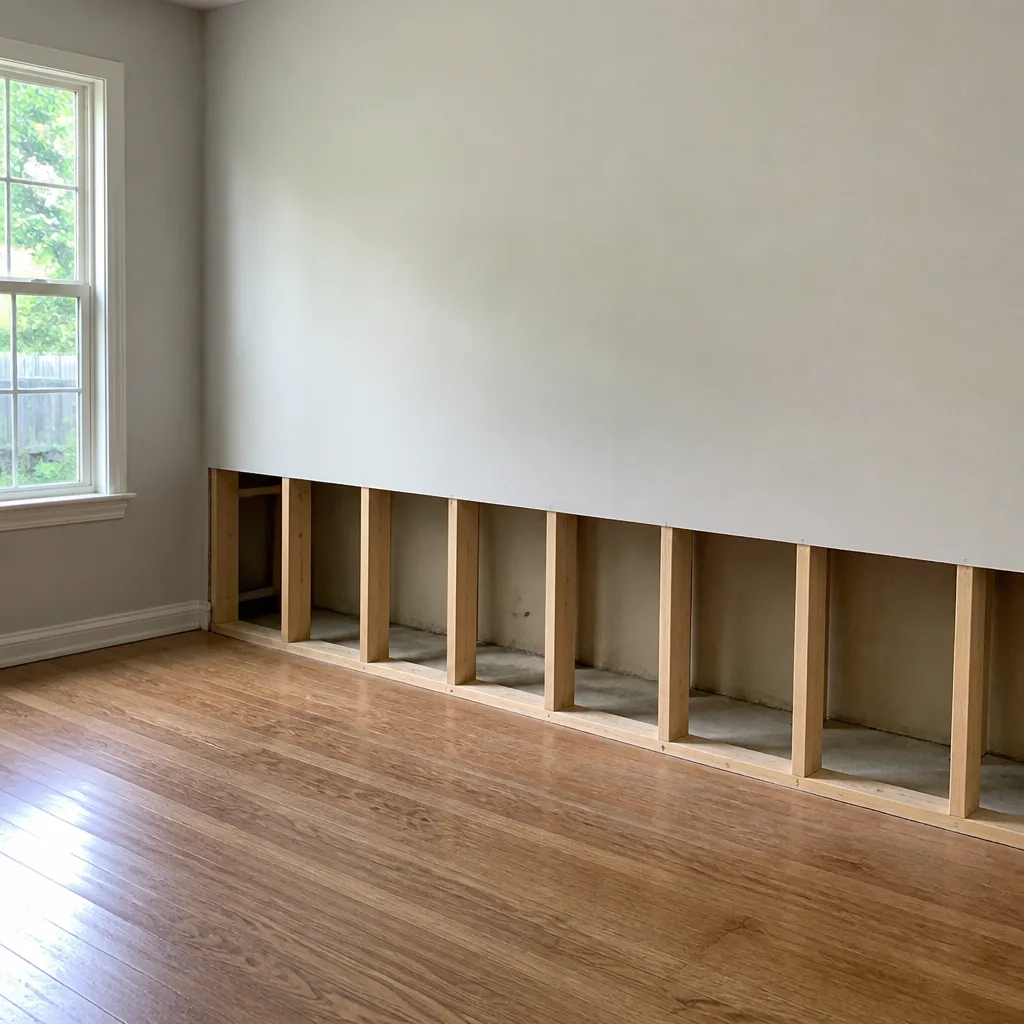
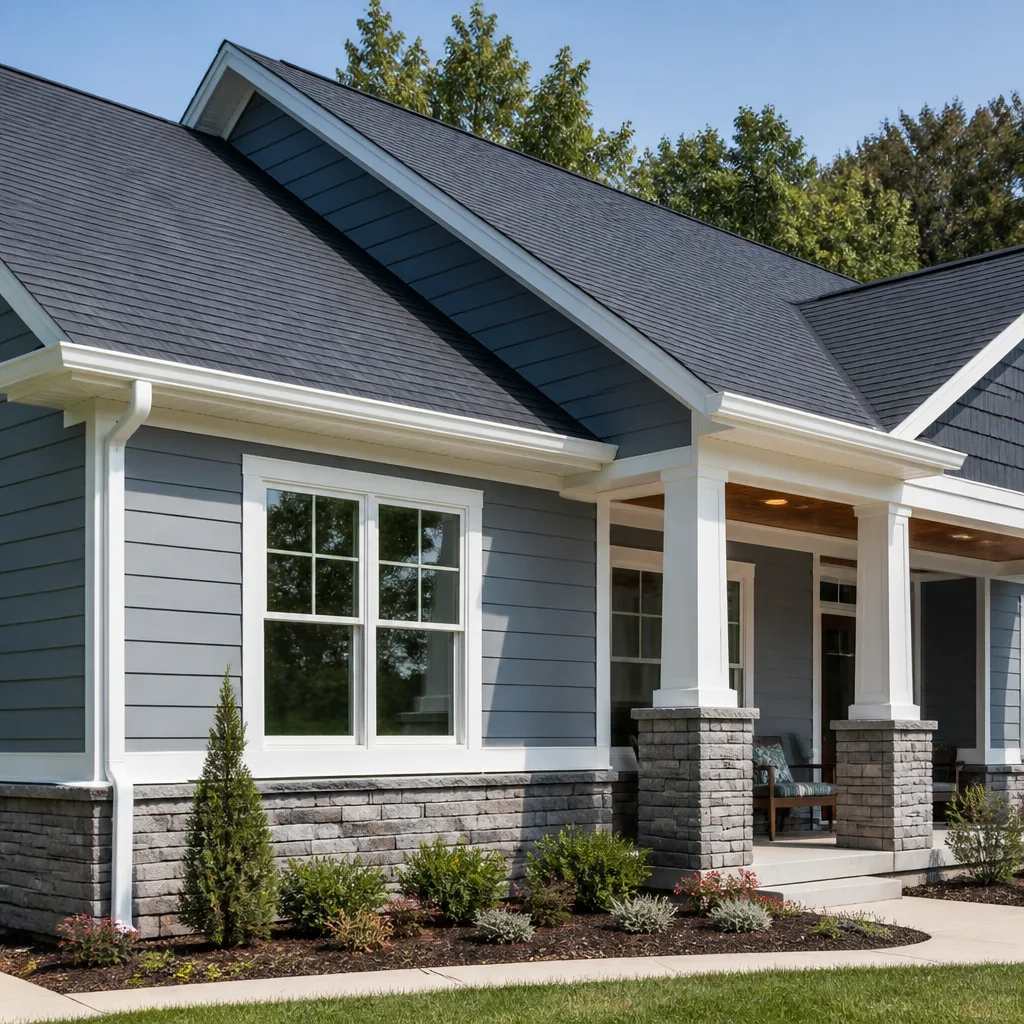
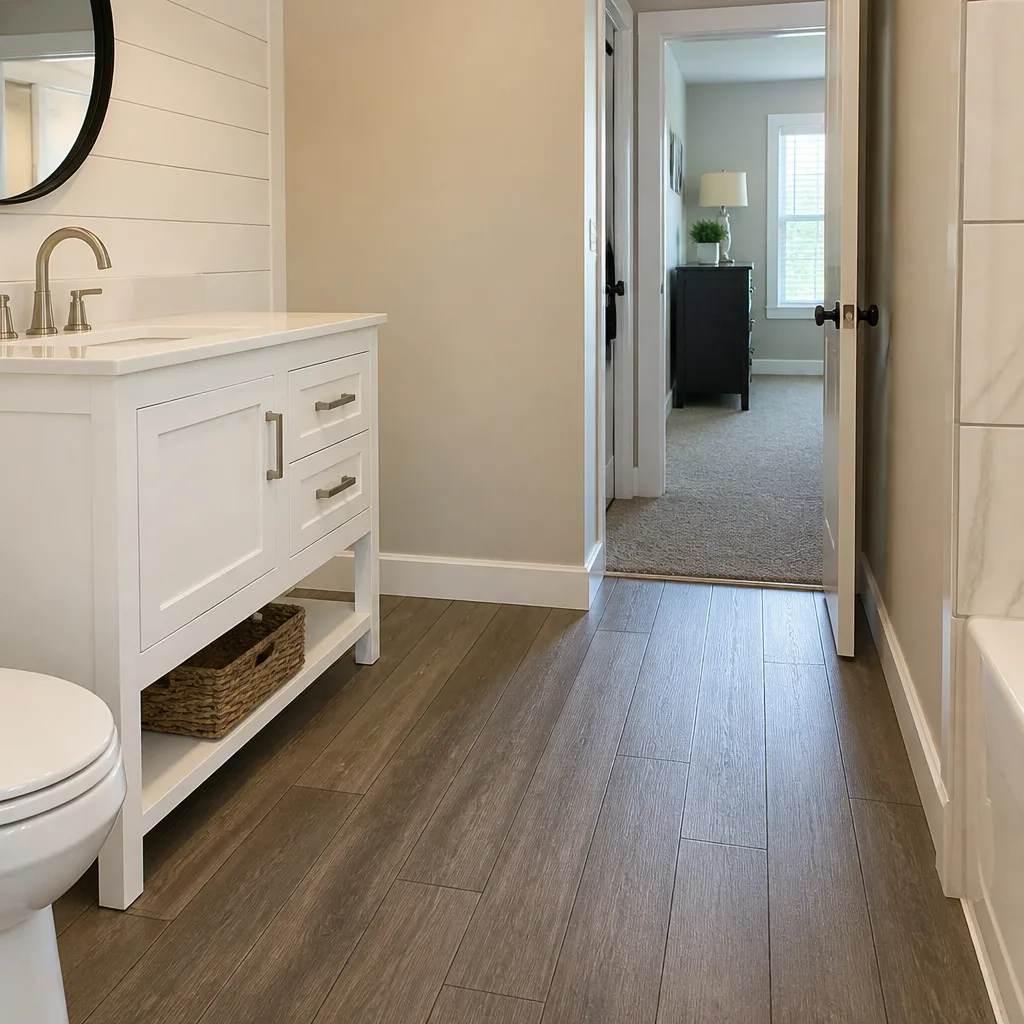
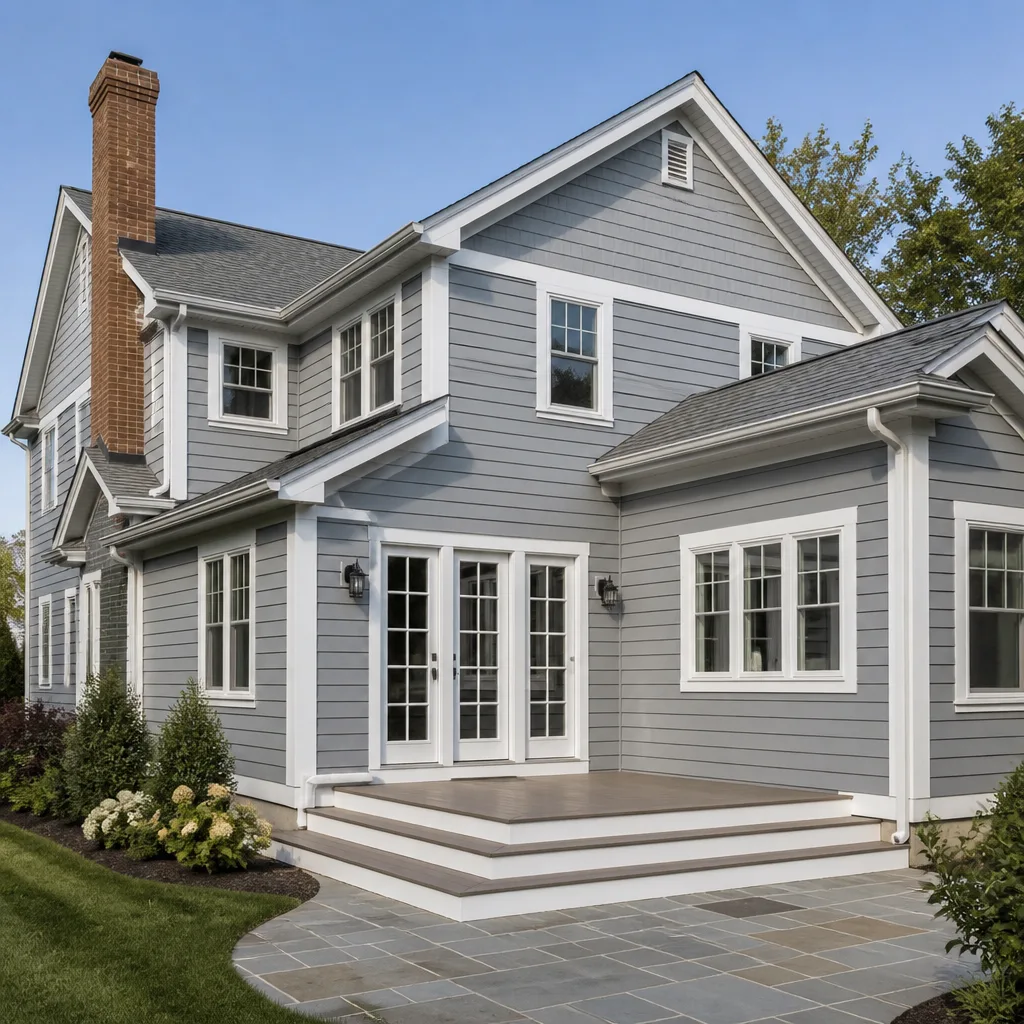
 Before
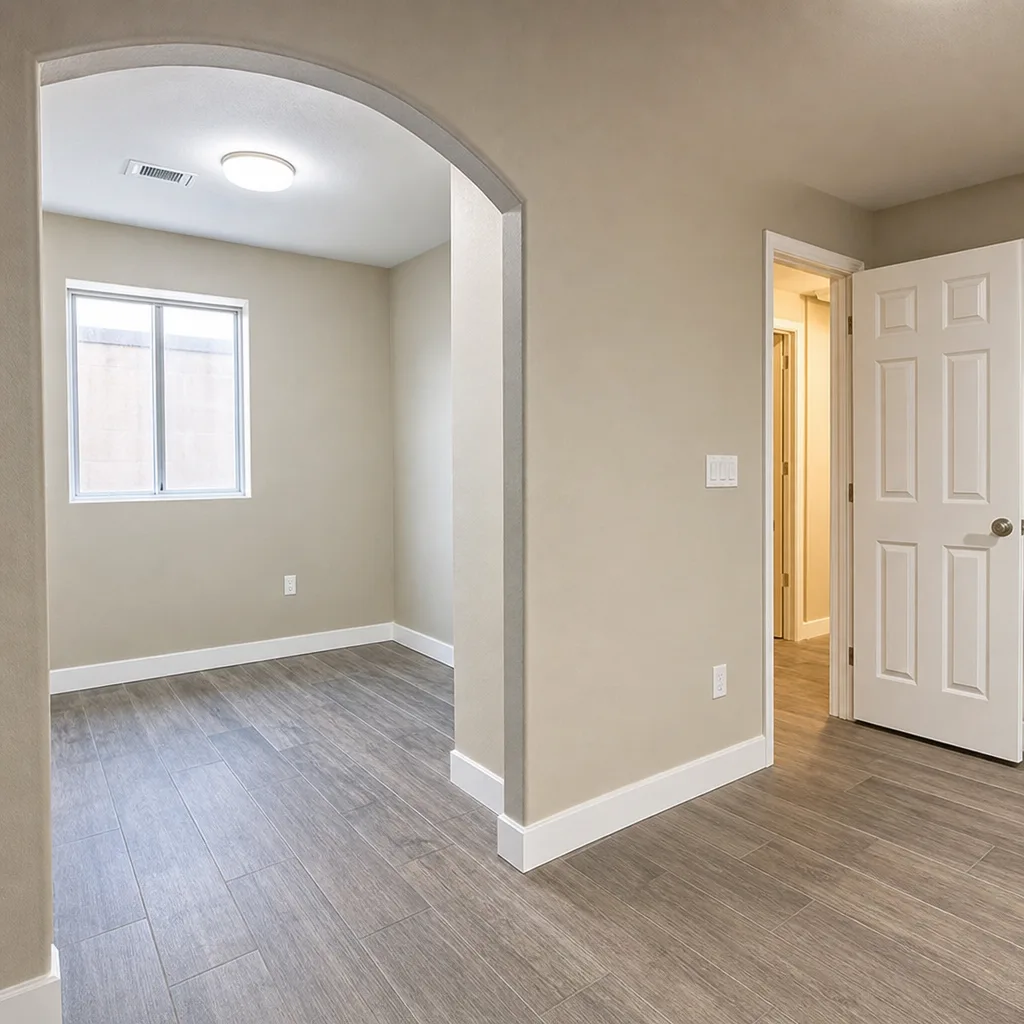 After
After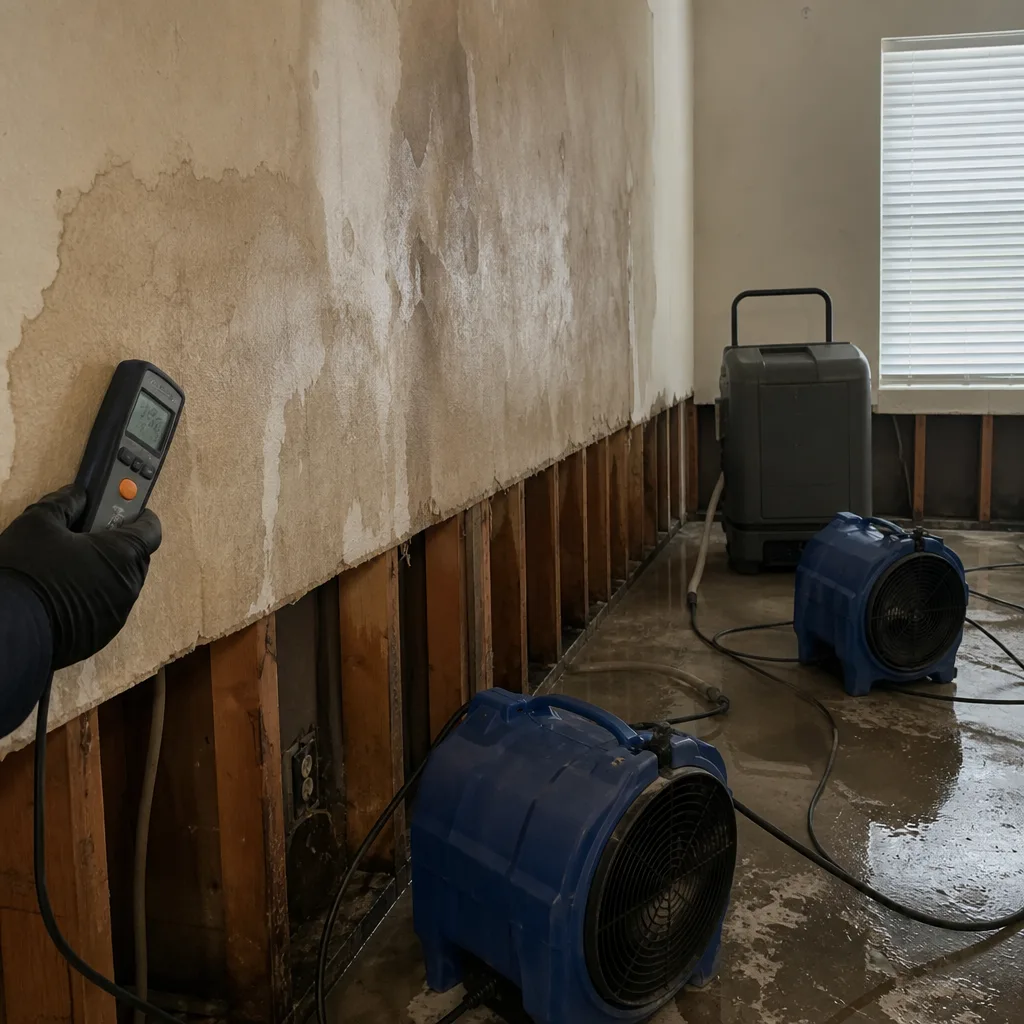 Before
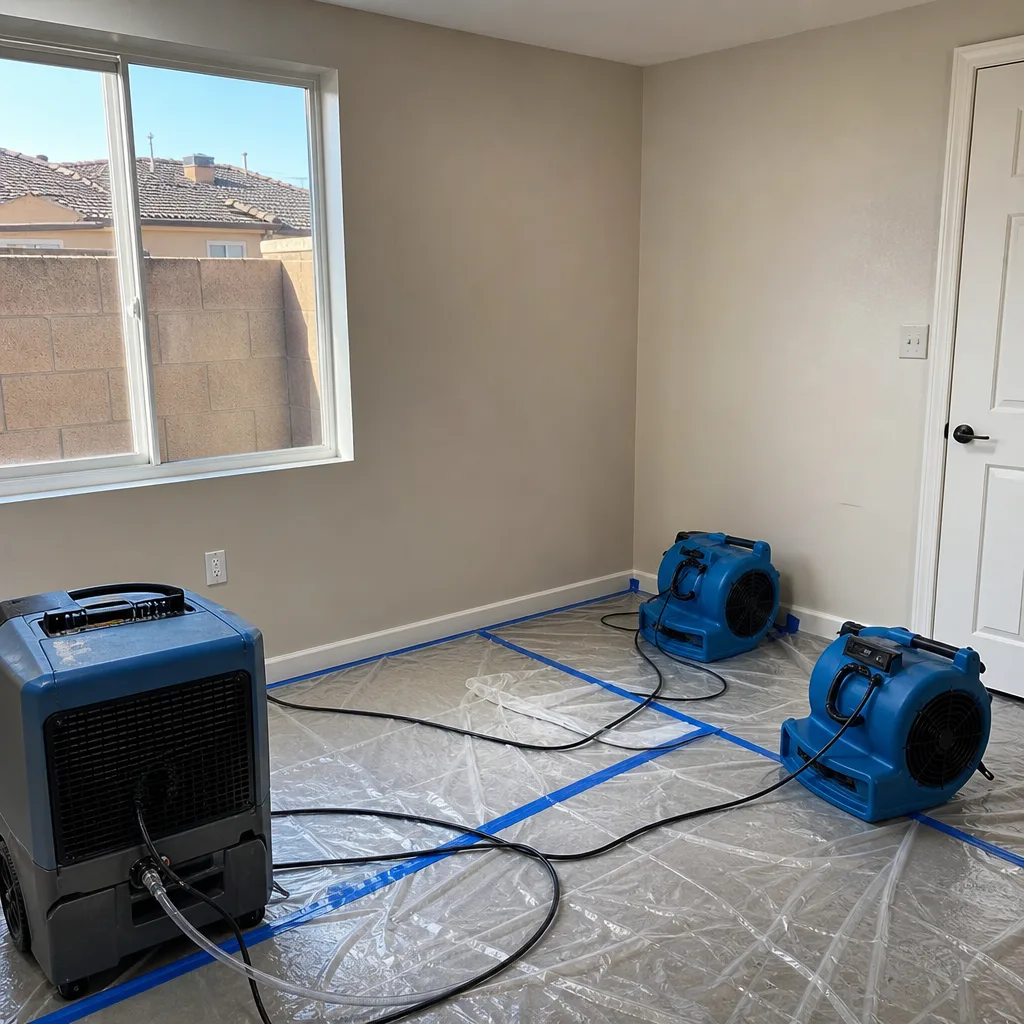 After
After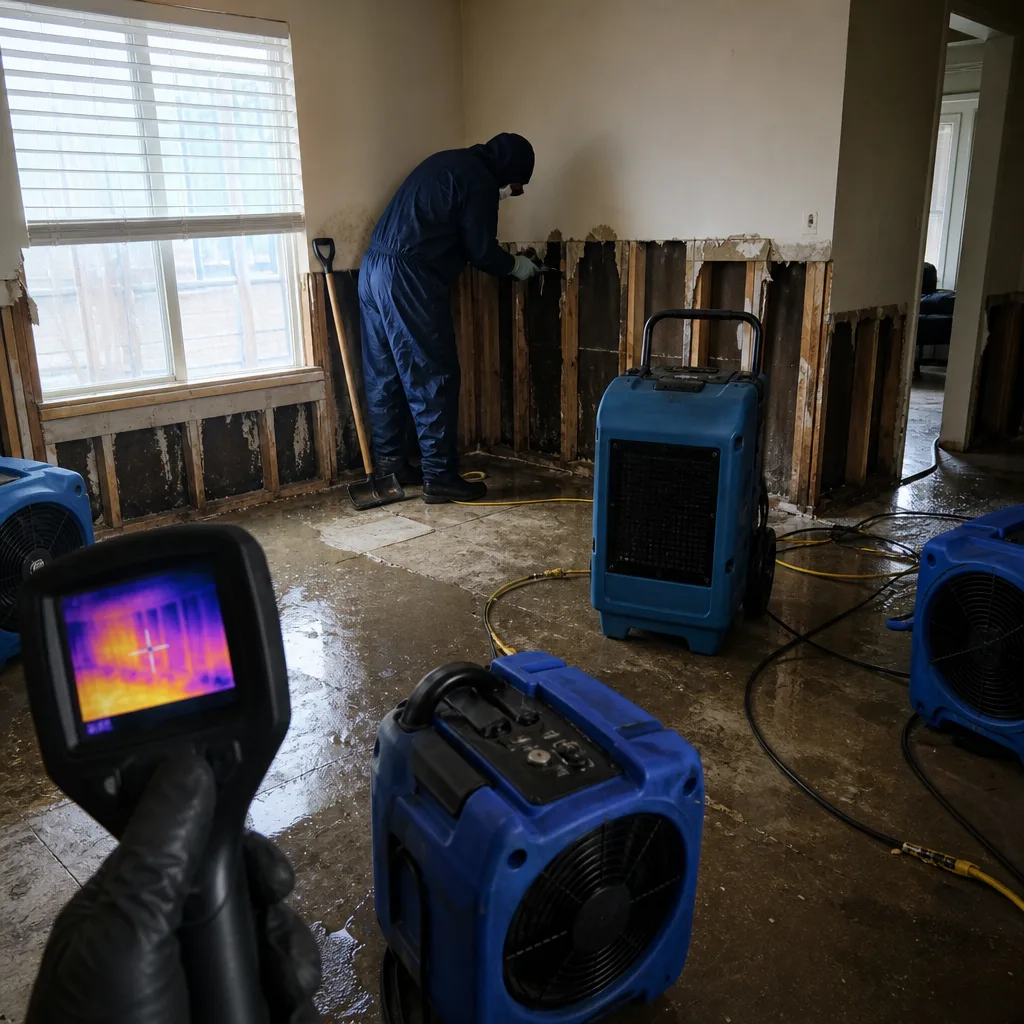 Before
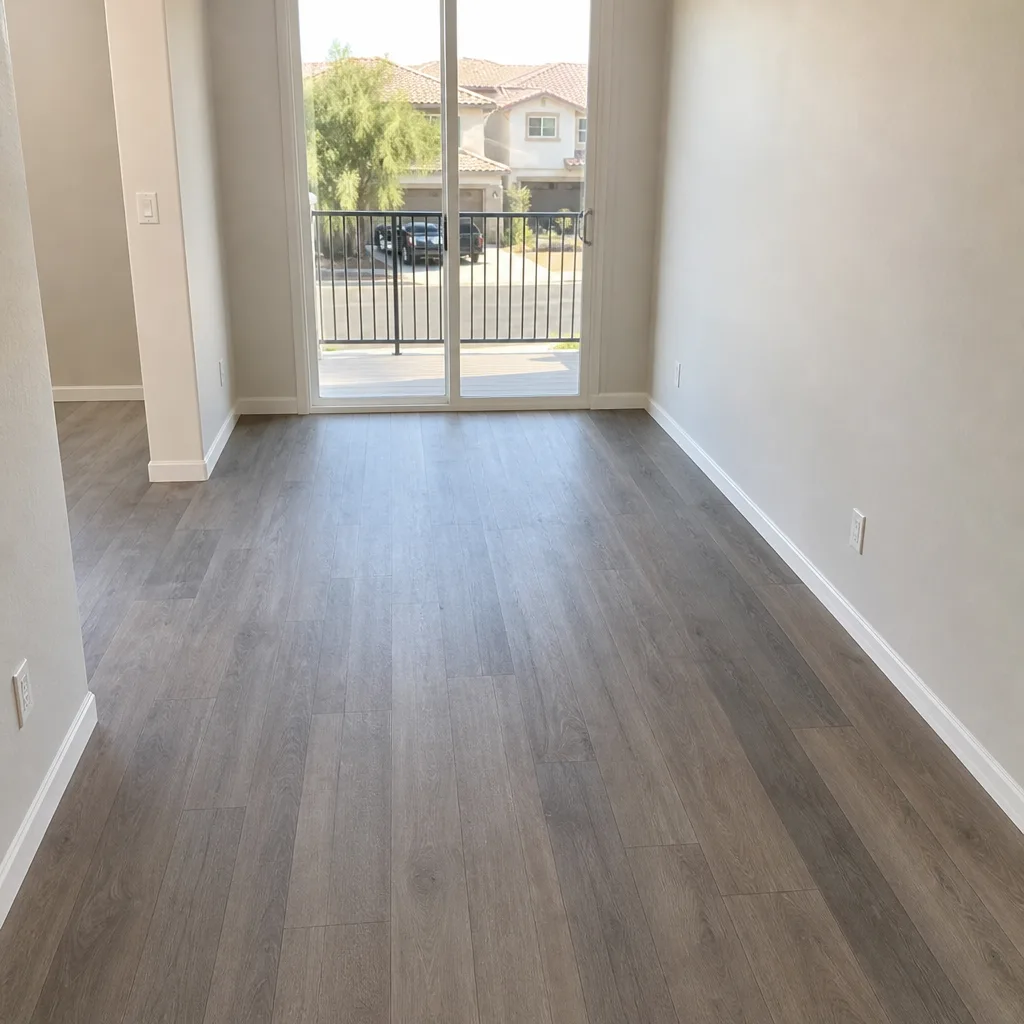 After
After24/7 Emergency Water Damage Restoration in Centennial Hills
Water damage restoration in Centennial Hills typically costs $2,800-$7,500 for whole-home mitigation and is usually started within 45 minutes of your call. For Category 1 extraction jobs in a single room, expect $1,200-$2,400. Call (725) 726-3239 now - we answer live, every hour of every day, and crews are already staged for the Centennial Hills area.
Water moves fast in a 2000s-era master-planned home. Open great-room floor plans let it travel across slab foundations before you notice the stain. In Centennial Hills, where monsoon microbursts can drop an inch of rain in twenty minutes on caliche hardpan that won’t absorb it, that water often enters through stucco weep screeds and garage slabs rather than obvious roof leaks. The first hour determines whether you’re looking at extraction and drying, or full-gut remediation with mold protocols. Our Water Damage Restoration team dispatches from our Las Vegas office with thermal imaging, moisture meters, and extraction equipment already loaded. The inspection is free. The written price comes before any work starts. Haven Standard, Clause 1.
Understanding Water Damage Restoration Severity in Centennial Hills Properties
We classify every loss by water category and structural impact. Category 1 is clean supply-line water - a burst copper pipe, an overflowing sink. Category 2 carries significant contamination: dishwasher discharge, washing machine overflow, or rainwater that has contacted soil or building materials. Category 3 is grossly contaminated - sewage intrusion, groundwater flooding, or any water that has sat long enough to breed bacteria. In Centennial Hills, garage-slab and weep-screed intrusion from monsoon runoff almost always presents as Category 2, not Category 1, because that water has picked up desert soils, caliche minerals, and whatever sits on a driveway before it enters your wall cavity.
Structural severity depends on how far water has migrated through the slab-on-grade construction that dominates Centennial Hills housing stock. We moisture-map every job with thermal imaging and pinless meters, then confirm with penetrating probes at the slab perimeter. The open floor plans common here - great rooms flowing into kitchens with no threshold breaks - mean a kitchen sink overflow can reach bedrooms thirty feet away across continuous tile. We document every wet square foot, classify materials by permeability (drywall is highly permeable; tile over slab is not), and set a psychrometric drying plan with target equilibrium moisture content for each material. That documentation becomes your drying log, your insurance claim, and your proof that the job was done to IICRC S500 standards.
Why Centennial Hills Property Owners Choose DryMark Restoration North Las Vegas
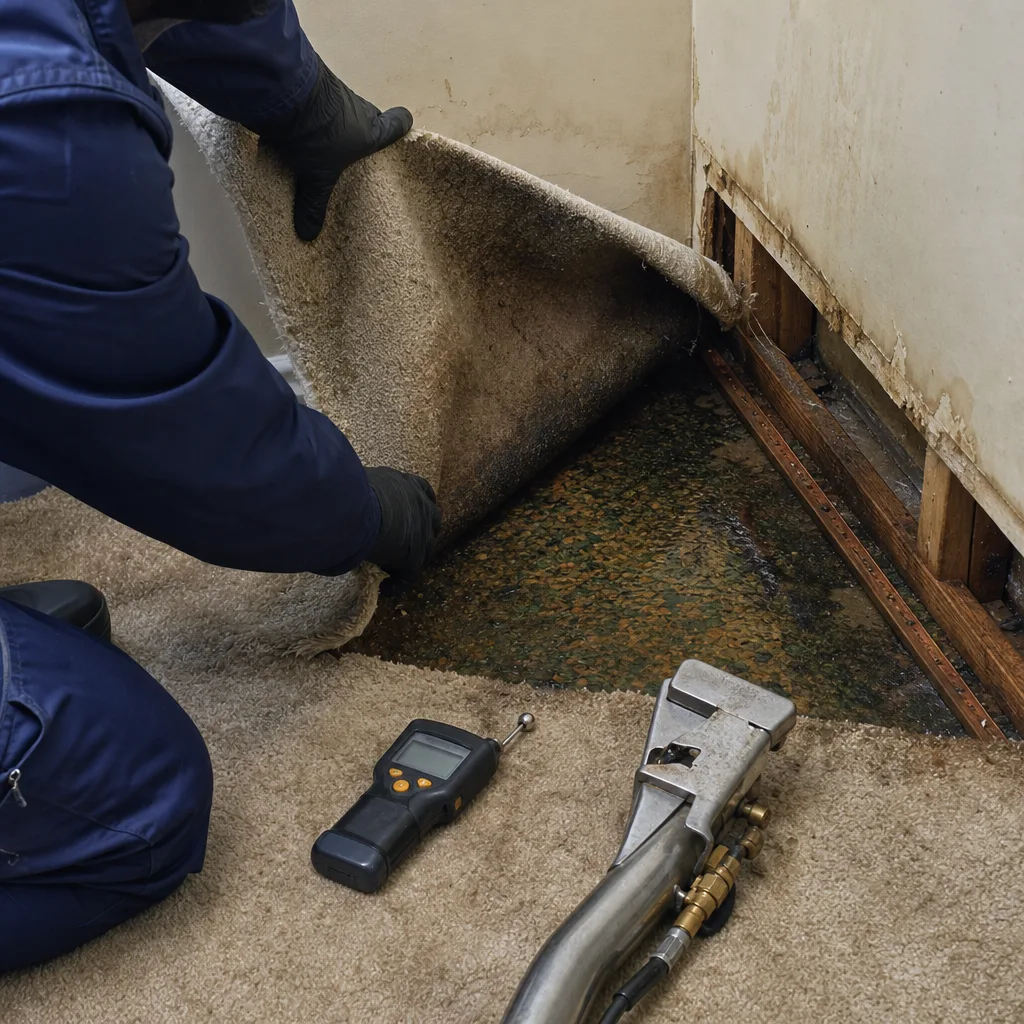
- 45-minute response commitment to Centennial Hills - our crews know North Hualapai Way and Purple Heart Highway routes and dispatch with equipment already staged.
- 24/7 live answer: a real person picks up every call, never an automated system or voicemail tree, because water doesn’t wait for business hours.
- IICRC-certified crews holding WRT (Water Damage Restoration Technician) and ASD (Applied Structural Drying) certifications - the specific codes that matter for your claim.
- Free visual inspection with moisture mapping and thermal imaging included; you get findings before any commitment.
- Direct insurance billing with photo-documented estimates formatted to carrier standards - we coordinate with your adjuster, not just hand you a bill.
- One team from extraction to reconstruction: the same crew that pulls wet drywall returns to hang and finish, so nothing gets lost in handoffs.
 Before
 After
AfterOur Water Damage Restoration Process
1. Inspection & Assessment
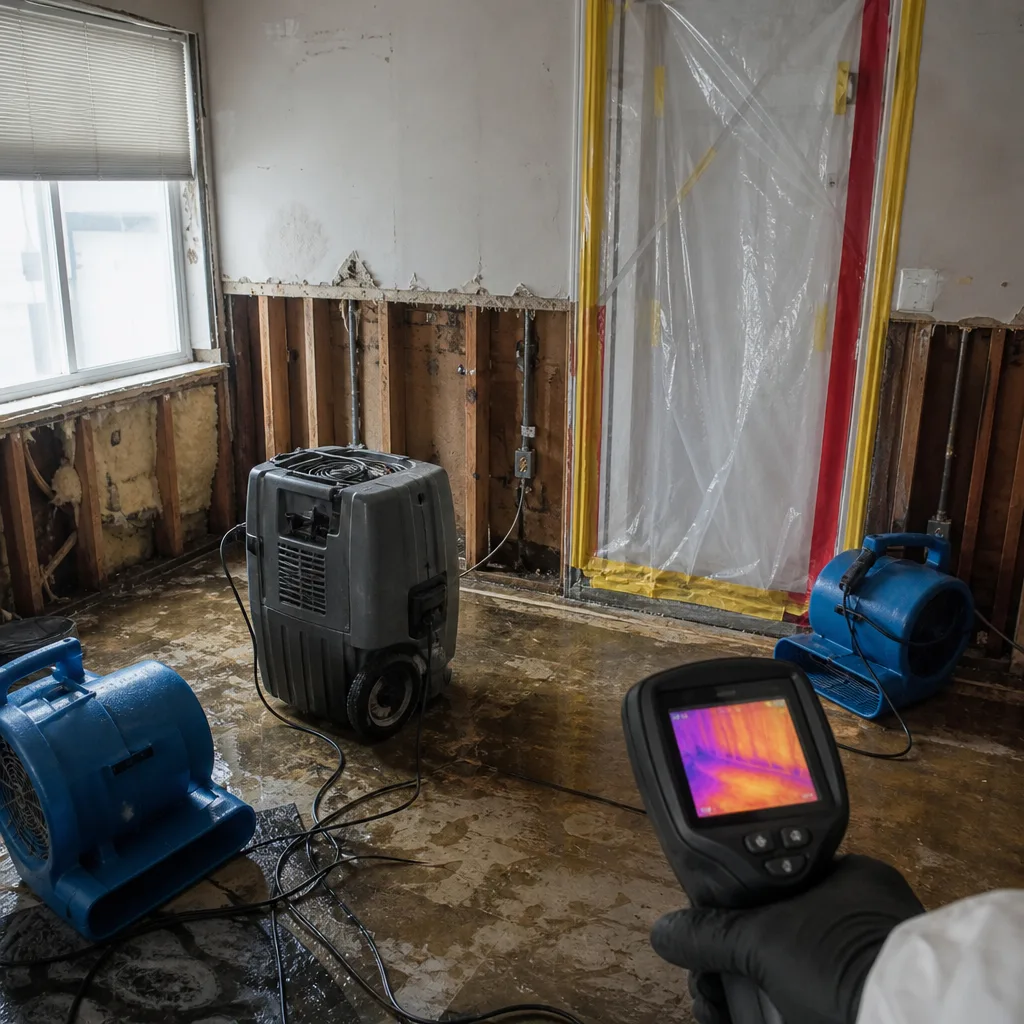
We arrive with FLIR thermal imaging, Tramex moisture meters, and penetrating probes. In Centennial Hills, we pay special attention to slab-perimeter readings and weep-screed intrusion points - the signature failure mode of this caliche substrate. Every finding is photographed and logged before equipment touches your home.
2. Extraction & Stabilization
Standing water comes out first with truck-mounted extraction or portable units for confined spaces. We remove saturated carpet pad and classify affected drywall for flood-cut height. If the water entered through the garage slab or exterior weep screed, we seal the intrusion path to prevent re-wetting during drying.
3. Drying & Dehumidification
We deploy Dri-Eaz and Phoenix low-grain refrigerant dehumidifiers, XPOWER and B-Air air movers, and Injectidry cavity-drying systems where wall interiors are wet. In Tule Springs and other spring-fed areas, slab-perimeter moisture often requires extended runtime - we log daily readings and adjust equipment placement until equilibrium is reached, not just until the drywall feels dry.
4. Cleaning & Sanitization
Category 2 and 3 losses receive antimicrobial treatment to IICRC standards. We HEPA-vacuum all affected surfaces and run air scrubbers during work to protect occupant air quality. Documentation includes before-and-after photos of every treated area.
5. Chinese Drywall & Material Assessment
A meaningful share of Centennial Hills homes built 2004-2007 contain Chinese-manufactured drywall, which corrodes wiring and emits sulfur compounds when wet. If we encounter characteristic blackening on copper lines or the telltale sulfur odor, we flag it immediately. Full-cavity abatement replaces standard dry-out - and we document this deviation for your insurer with photo evidence and a revised scope.
6. Repairs & Restoration
Our crew returns to hang replacement drywall, match texture, install flooring, and repaint. The same technicians who dried your home finish it - no subcontractor handoffs, no lost context. Every repair carries the 365-Day Done Right Promise under The Haven Standard.
Need Emergency Water Damage Restoration in Centennial Hills Now?
Crews minutes away, answering live 24 hours a day. The sooner we start, the less it costs.
Working With Your Insurance Company
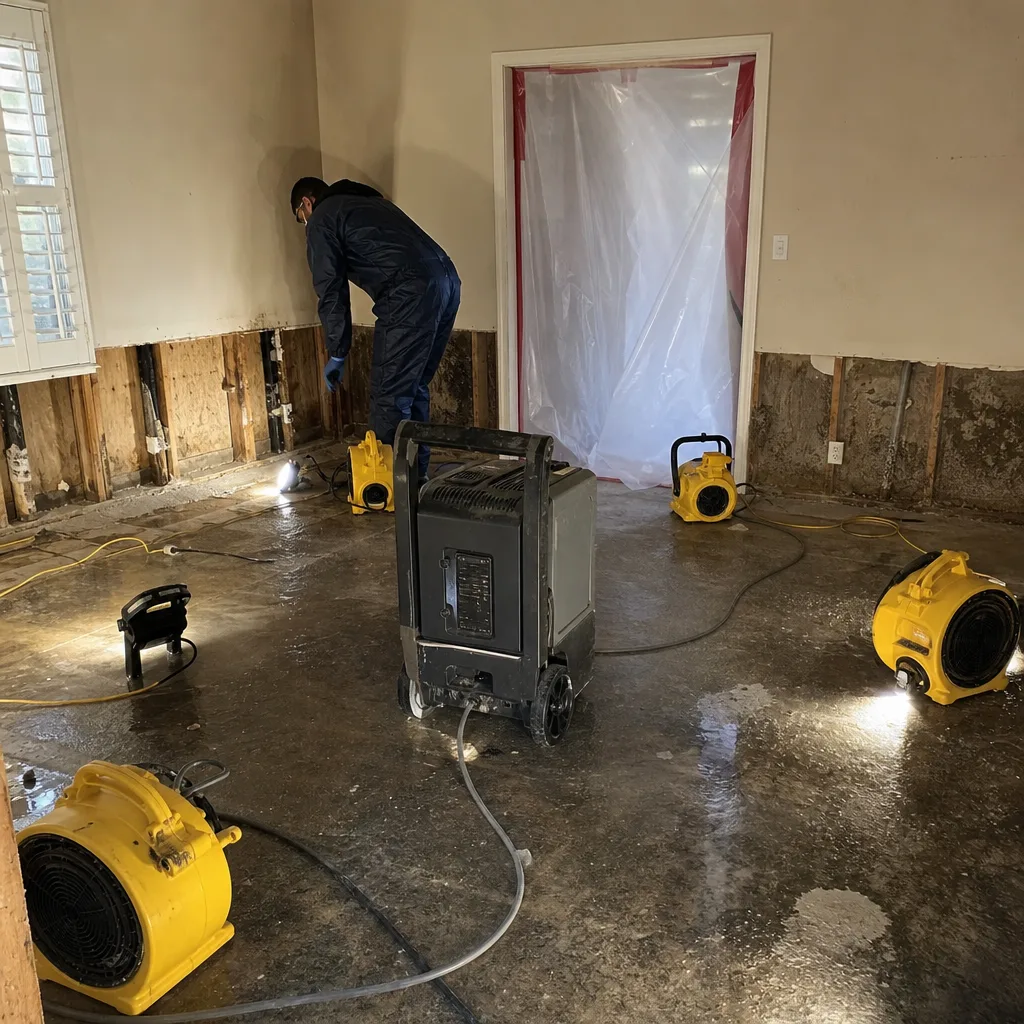
We built our documentation system around what adjusters actually need to approve a claim without back-and-forth. Alicia Brennan founded this company in 2011 after working claims herself and watching homeowners lose coverage over missing photos, incomplete moisture logs, and scopes that didn’t match the damage. Every Centennial Hills job starts with photo documentation in the first hour and ends with a complete file: room-by-room damage photos, daily drying logs with psychrometric data, material classifications, and a line-item scope written to Xactimate or Symbility standards.
We bill your carrier directly when coverage applies, and we speak with your adjuster in the language they use - vapor pressure differential, tertiary drying, category classification - so there’s no gap between what we did and what they’ll pay. If your carrier disputes scope, we provide the documentation that resolves it. Haven Standard, Clause 1: the written price comes before work begins, so there are no surprise additions once the crew is inside.
What We Provide Your Insurer
- Thorough documentation of the loss
- Photos of all damage, room by room
- Moisture readings and drying logs
- A detailed, line-item scope of work
- Direct coordination with your carrier
Built for Centennial Hills’s Loss Calendar
January through March brings the coolest, wettest weather of the year - relatively speaking. Nighttime lows in the 30s can freeze exposed hose bibs and irrigation backflow preventers on homes north of West Cheyenne Avenue, where wind exposure is highest. The real water season starts in July, when monsoon moisture surges off the Spring Mountains and concentrates over Centennial Hills’s northwest valley position. Microbursts drop 1-2 inches in under an hour onto caliche hardpan that sheds water like concrete. That sheeting runoff finds stucco weep screeds, garage slab joints, and window wells - entry points that stay hidden until interior drywall swells.
August and September continue the pattern with added risk: the 108-115°F heat that follows a storm compresses mold’s safe growth window to under 24 hours once wall cavities are wetted. October through June is drier but not dormant. Aging polybutylene supply lines in early-2000s builds fail without warning. Water heater pans in attic installations (common in Rancho and Spring Mountain Ranch) overflow through ceiling drywall before anyone notices the drip. We schedule and price each season’s typical loss differently - monsoon jobs almost always need extended drying and antimicrobial; winter pipe bursts need rapid extraction before the next freeze cycle expands the damage.
Water Damage Restoration Across Centennial Hills’s Neighborhoods
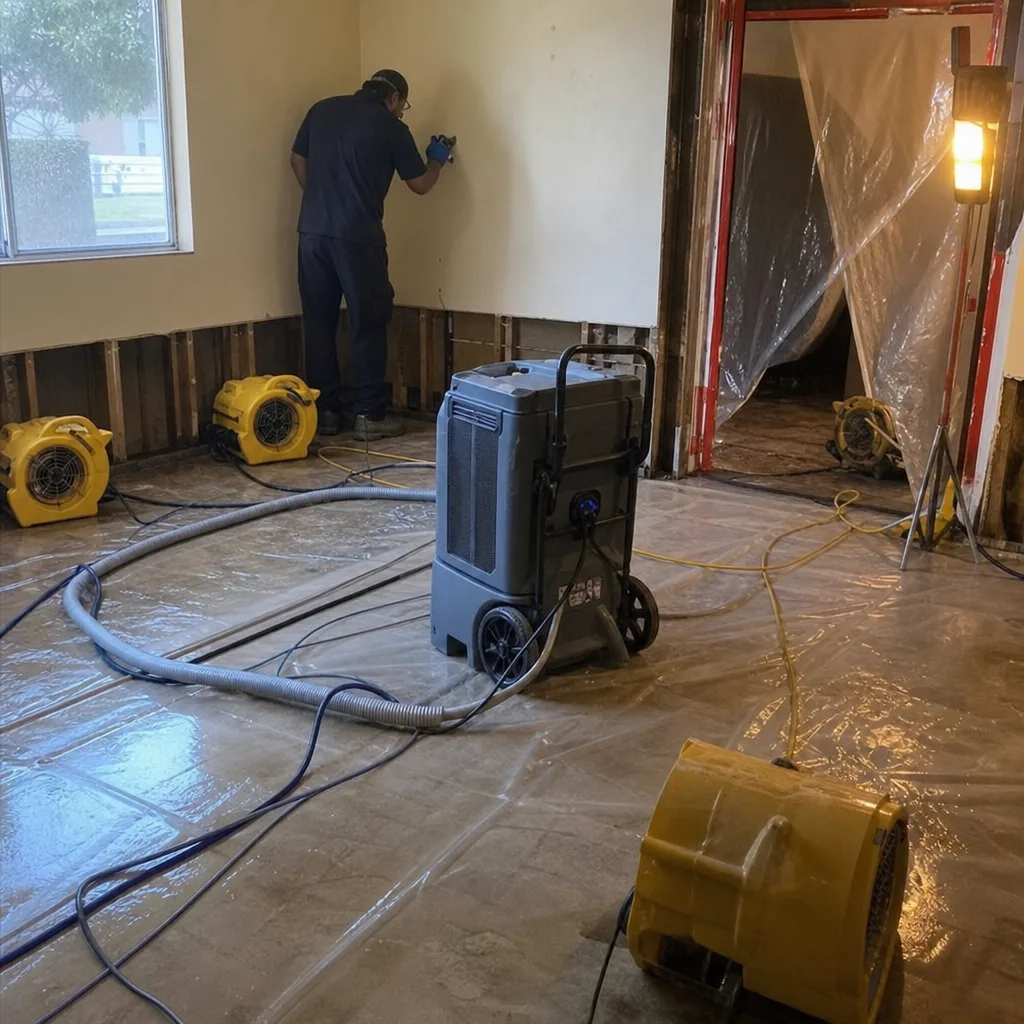
Centennial Springs, south of West Cheyenne Avenue, is dense with 2003-2008 production builds on tight lots. The open-plan layouts here let water run fast across continuous slab, and the neighborhood’s proximity to Cimarron Rose Community Center means our crews know the access routes by heart. We see a lot of washing-machine supply-line failures in the two-story plans near North Hualapai Way - the second-floor laundry pan overflows, hits the ceiling of the great room below, and the homeowner finds it when the light fixture drips.
Rancho, closer to Purple Heart Highway, has larger lots and more single-story ranch plans with attached garages. Garage slab intrusion is the signature loss here: monsoon runoff sheets off the driveway, under the garage door seal, and pools where the slab meets the stem wall. Thermal imaging usually shows the moisture migration path running along the shared wall into bedrooms. Spring Mountain Ranch, northwest toward the mountain edge, catches more wind-driven rain and has the newest stock - but even 2015-2019 builds can have weep-screed installation defects that channel water behind stucco.
Then there’s Tule Springs. The name isn’t decorative. Historically spring-fed ground means slab-perimeter moisture readings that behave unlike anywhere else in the valley. We’ve had jobs where interior drywall read dry at day five but slab probes still showed 18% moisture content at week three. Standard drying protocols fail here. We extend dehumidifier runtimes, add Injectidry mat systems at slab edges, and log daily until readings stabilize. A crew that treats Tule Springs like Summerlin leaves moisture behind - and moisture behind walls in 110°F heat becomes mold with certainty.
Specialized Water Damage Restoration Services We Offer in Centennial Hills
Emergency Water Extraction
Standing water comes out now, not tomorrow. Our truck-mounted extractors pull thousands of gallons per hour from flooded great rooms, garages, and basements. In Centennial Hills, where slab-on-grade construction means water spreads horizontally rather than pooling deeply, we combine extraction with immediate moisture mapping to find the full migration path - the wet spot you see is rarely the whole loss.
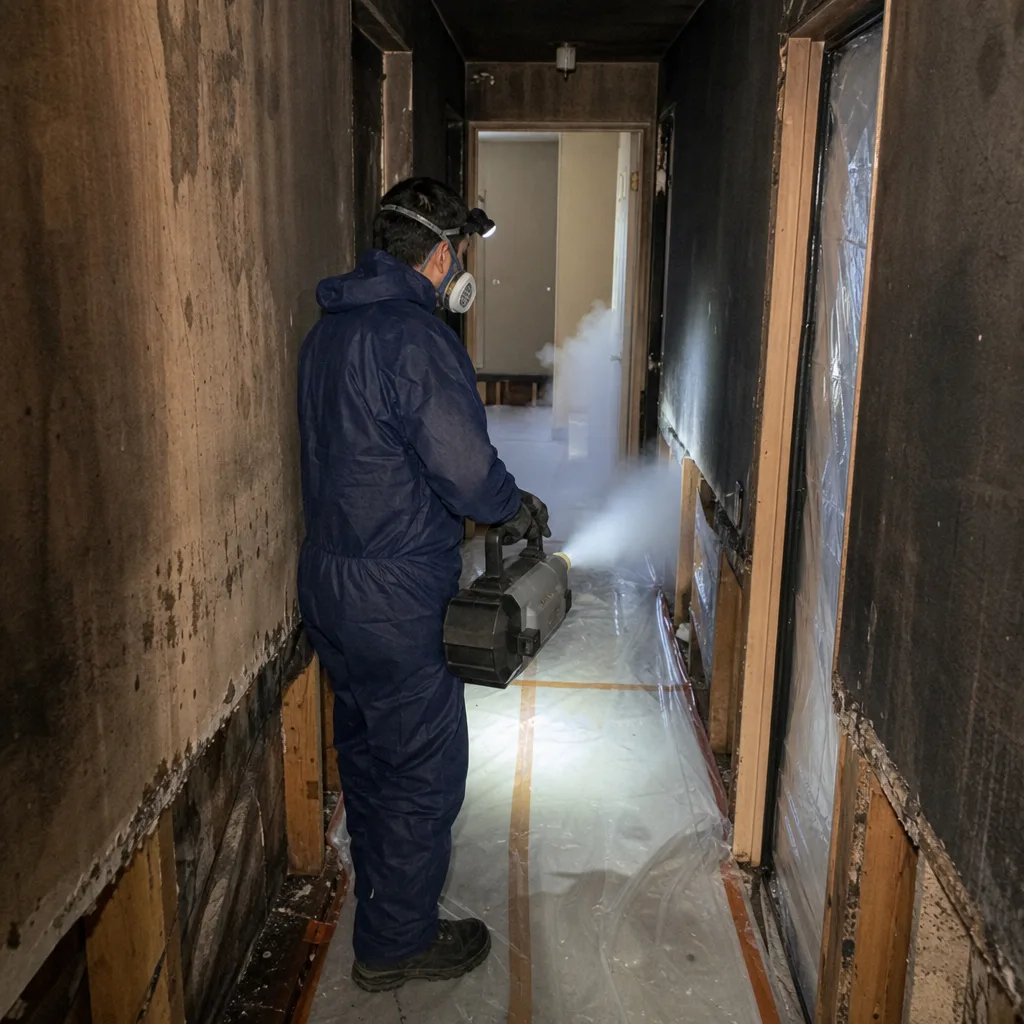
Structural Drying & Dehumidification
We set a drying plan with target equilibrium moisture content for each material class: 12% or below for wood framing, under 4% for concrete, dry standard for drywall. Equipment includes Dri-Eaz and Phoenix LGR dehumidifiers, XPOWER and B-Air air movers, and Injectidry systems for cavity drying. In Tule Springs and other spring-fed areas, we adjust runtimes based on slab-perimeter readings, not just surface conditions. Daily logs go to you and your insurer.
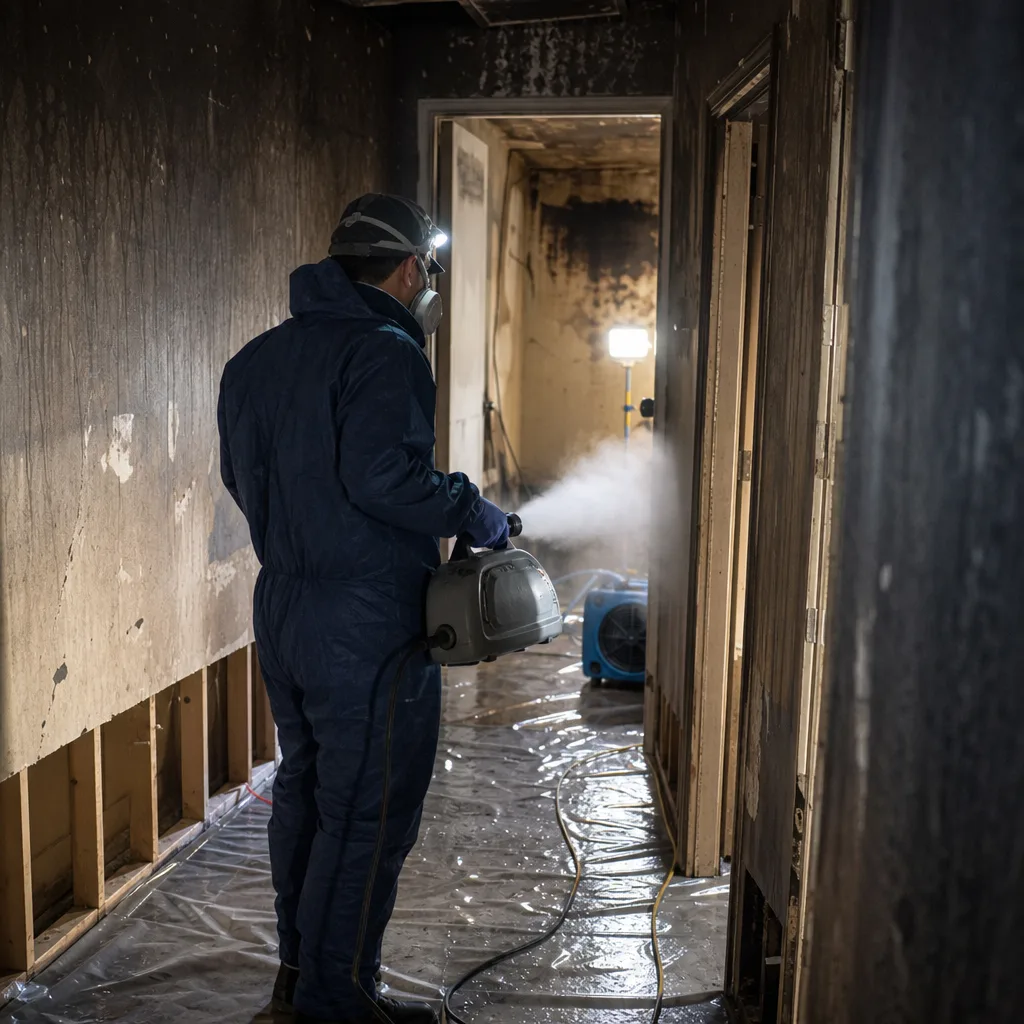
Flood Cleanup
Monsoon flash flooding in Centennial Hills often carries Category 2 or 3 contamination - desert soils, caliche runoff, street debris. We don’t just extract; we classify, contain, and remediate to IICRC S500 standards. This means antimicrobial treatment, controlled demolition of unsalvageable materials, and clearance documentation before reconstruction begins. If your loss involved groundwater or sewage backup, we handle it with full PPE and disposal protocols.
Burst Pipe Restoration
Polybutylene and copper supply lines in 2000s-era Centennial Hills builds fail at fittings, at bends, and where hard water has thinned the wall. We extract the water, dry the structure, and coordinate with licensed plumbers for the repair - then we restore the wall, texture, and paint so the break point disappears. Photo documentation covers both the damage and the repair for your claim file.
Basement Water Removal
True basements are rare in Centennial Hills slab construction, but walk-out lower levels and sunken living rooms flood during heavy monsoon events. We pump, extract, and dry these spaces with the same documentation standards as full basements in other markets - moisture mapping, daily logs, and written scope before any reconstruction.
Ceiling & Roof Leak Water Damage
Tile roofs common in Centennial Hills shed water well until wind-driven monsoon rain finds a cracked tile or failed valley flashing. Water travels the underlayment and enters at the lowest point - often a ceiling far from the actual roof breach. We trace the path with thermal imaging, dry the cavity with Injectidry or controlled access, and document the roof damage for your adjuster even though we don’t perform roofing.
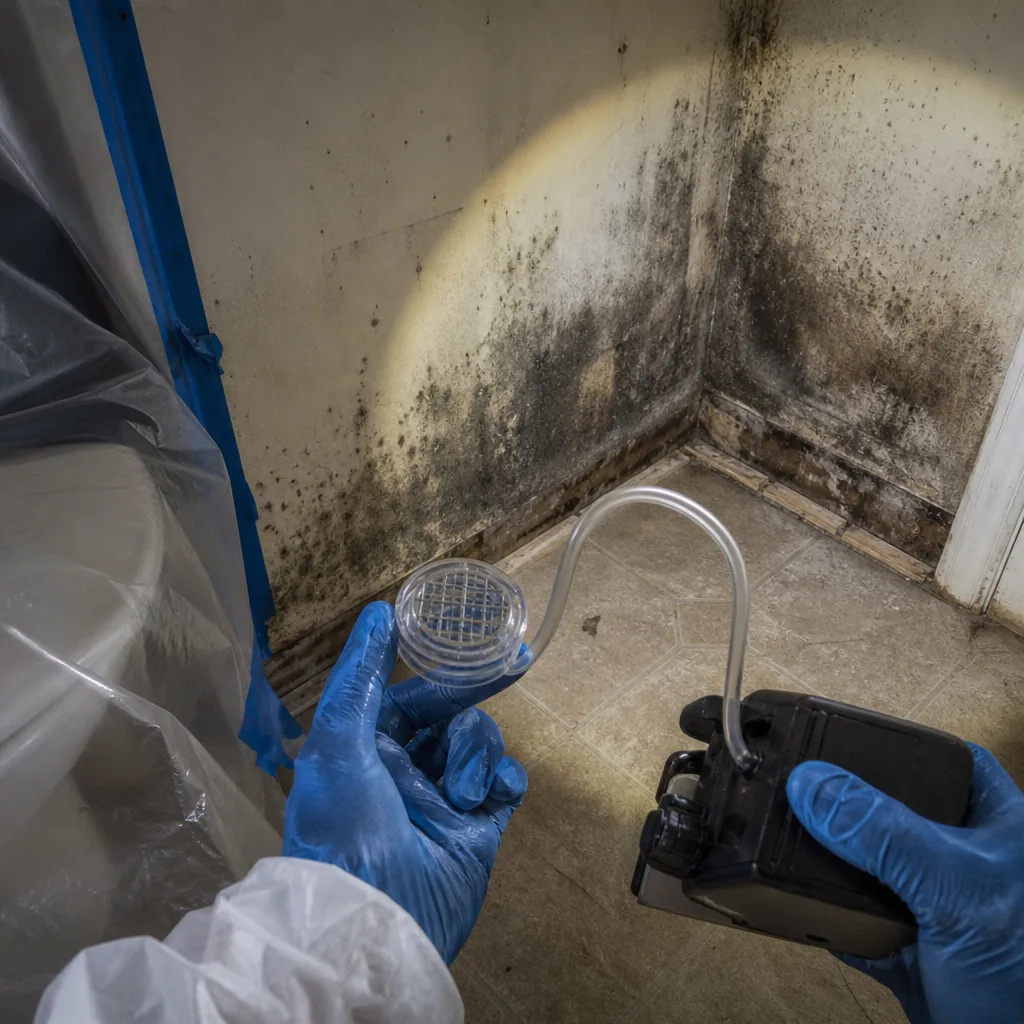
What happens when you call
- 1
A real person answersNo phone trees - you reach a local pro.
- 2
You get an upfront price rangeHonest numbers before anyone is dispatched.
- 3
A background-checked tech heads outLicensed & insured, dispatched right away.
- 4
You approve before work beginsNothing starts until you say go.
Water Damage Restoration Costs in Centennial Hills, NV
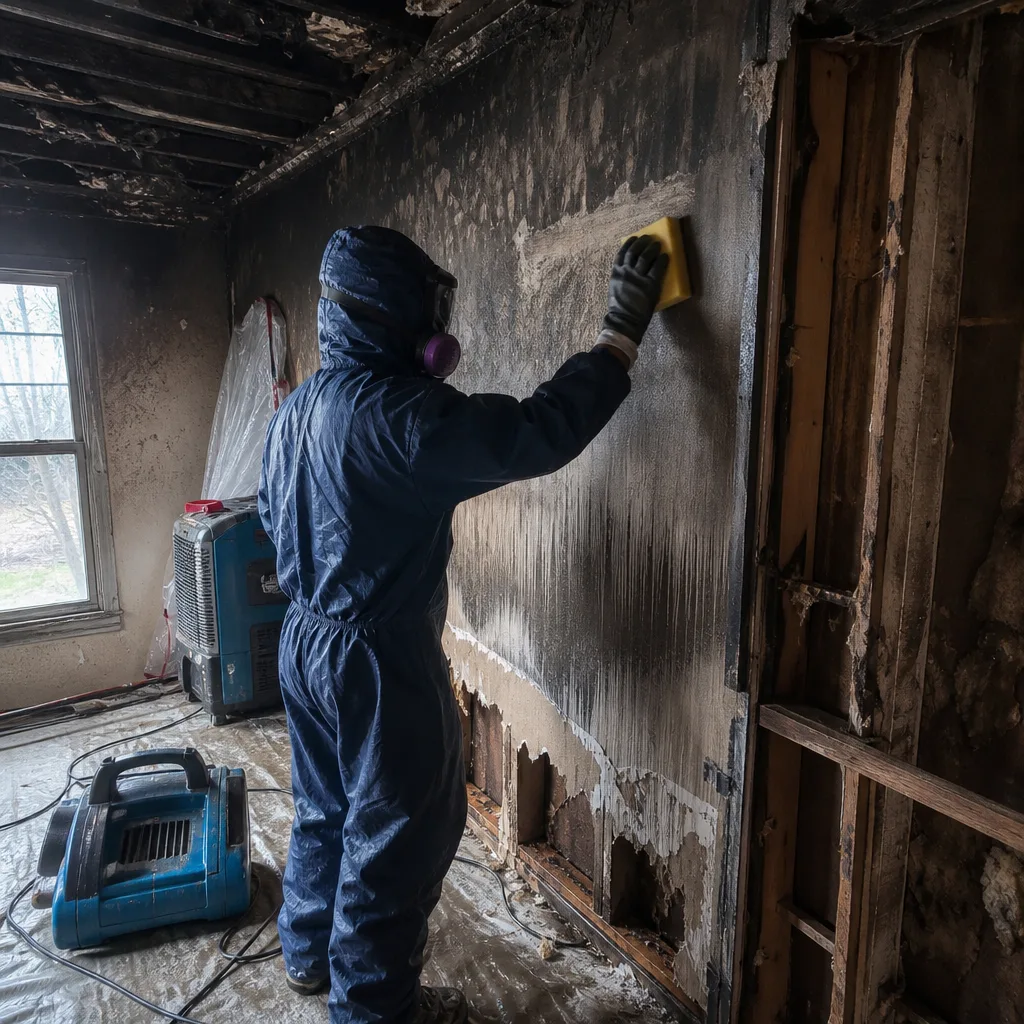
Single-room extraction and drying in Centennial Hills typically runs $1,200-$2,400 for Category 1 losses with limited migration. Whole-home mitigation with multiple affected rooms, Category 2 classification, and extended drying (the Tule Springs scenario) ranges $4,500-$7,500. Full reconstruction - drywall, flooring, paint, trim - adds $3,000-$8,000 depending on material selections and room count.
What moves the price: water category (Category 3 requires more containment and disposal), affected square footage, whether cabinets or tile need removal, and whether Chinese drywall abatement is triggered. Insurance covers sudden and accidental water damage in most Centennial Hills homeowner policies, with deductibles typically $1,000-$2,500. We provide the written scope and documentation your adjuster needs. Call (725) 726-3239 for your free inspection and exact price - Haven Standard, Clause 1.
We Also Serve Cities Near Centennial Hills
Our crews respond throughout the northwest Las Vegas Valley, including Water Damage Restoration in Centennial Hills and neighboring communities. We regularly serve North Las Vegas for basement and crawl-space flooding, Aliante for master-planned community water losses with similar construction stock, Nellis AFB for both on-base housing and surrounding properties, and Sunrise Manor for older-stock pre-2000 builds with different failure patterns. Same documentation standards, same written price guarantee, same live answer at (725) 726-3239.
Serving Centennial Hills, NV - Our Local Coverage Area
We’re based in the Centennial Hills area and know this community well. Use the map below to see our service coverage - if you’re nearby, we can almost certainly help.
Centennial Hills Water Damage Restoration Questions, Answered
Why does water in Centennial Hills sometimes come in through the garage slab instead of a broken pipe?
Monsoon microbursts concentrate intense rainfall onto caliche hardpan that won’t absorb water, so it sheets across driveways and finds the lowest entry point - typically the garage slab joint or stucco weep screed. This is storm-driven intrusion, not plumbing failure, and it behaves differently: water enters at the perimeter and wicks upward into wall cavities rather than falling from above. We diagnose it with thermal imaging and slab-probe moisture meters, then set drying equipment accordingly. Call (725) 726-3239 if you’re seeing damp baseboards or garage drywall after rain.
How fast do we need to act after a water event in Centennial Hills?
Within 24 hours, and preferably within the first few hours. Centennial Hills’s summer heat - routinely 108-115°F - compresses mold’s safe growth window dramatically. Once wall cavities are wetted, mold can establish in 24-48 hours at those temperatures. In Tule Springs, the spring-fed subsurface moisture can prolong this risk even after visible water is gone. We answer live 24/7 and commit to 45-minute response in Centennial Hills. Call (725) 726-3239.
Does the drywall in my Centennial Hills home change how the job is handled?
It can. Homes built during the 2004-2007 Nevada construction surge have a meaningful chance of containing Chinese-manufactured drywall, which corrodes electrical wiring and emits sulfur compounds when wet. Standard dry-out won’t address it; full-cavity abatement is required. We check for characteristic blackening on copper lines and sulfur odor during inspection. If found, we document it, revise the scope, and coordinate with your insurer for the additional protocol. Call (725) 726-3239 for inspection.
Why does structural drying take longer in Tule Springs than in other parts of the valley?
Tule Springs sits on historically spring-fed ground that maintains elevated subsurface moisture year-round. After a water loss, slab-perimeter readings can stay high for weeks even when interior drywall reads dry. Standard drying protocols fail here because they target surface materials without accounting for this upward wicking. We extend dehumidifier runtimes, add Injectidry mat systems at slab edges, and log daily until equilibrium is reached - typically 30-50% longer than an identical job in Summerlin or Henderson. Call (725) 726-3239 for a Tule Springs-specific drying assessment.
What is the difference between category 1, 2 and 3 water in a Centennial Hills home?
Category 1 is clean water from a supply line or sink overflow. Category 2 carries significant contamination - dishwasher discharge, washing machine overflow, or rainwater that has contacted soil, caliche, or building materials; this describes most monsoon intrusion in Centennial Hills. Category 3 is grossly contaminated - sewage, groundwater flooding, or any water that has sat long enough to breed bacteria. Category determines what can be dried versus what must be removed, what antimicrobial protocols apply, and how your insurer classifies the claim. We test and classify on arrival, then document our reasoning with photos. Call (725) 726-3239 for classification and scope.
Will my insurance cover water damage restoration in Centennial Hills?
Most sudden and accidental water damage is covered under standard Centennial Hills homeowner policies, with typical deductibles of $1,000-$2,500. Flood damage from exterior groundwater may require separate flood coverage. We provide the documentation - photos, moisture logs, line-item scope, drying records - that adjusters need to approve claims without dispute. We also offer direct billing and adjuster coordination. Call (725) 726-3239 and we can review your situation.
Can we stay in the home during water damage restoration?
Often yes for Category 1 losses limited to one or two rooms, provided we can contain the work area and maintain safe air quality with HEPA scrubbers. For Category 2 or 3 losses, or when multiple rooms are affected, temporary relocation is usually recommended - especially in Centennial Hills’s tight great-room plans where containment is difficult. We discuss this during the initial inspection and document our recommendation for your insurer if additional living expense coverage applies. Call (725) 726-3239 to discuss your specific situation.
What should I do in the first 30 minutes after discovering water damage?
Shut off the water source if it’s a plumbing failure, then call (725) 726-3239 - don’t spend time moving furniture before you call, because every minute matters in this heat. If safe, remove small valuables and electronics from the wet area. Do not enter standing water if electrical outlets are submerged. Do not run your household vacuum on water. Take photos from a safe distance for your records, then let our crew handle extraction and assessment. We arrive with the equipment to stop further damage and begin documentation immediately.
Written by Alicia Brennan, Owner at DryMark Restoration North Las Vegas, serving Centennial Hills since 2011.
Water Damage Restoration in Nearby Areas