
Last updated September 23, 2026
Free visual inspection and a written scope of work before any mitigation begins - photos, moisture readings, and drying logs go in your claim file
The scope we write is the scope we bill. Anything new gets shown to you, in writing, before we touch it.
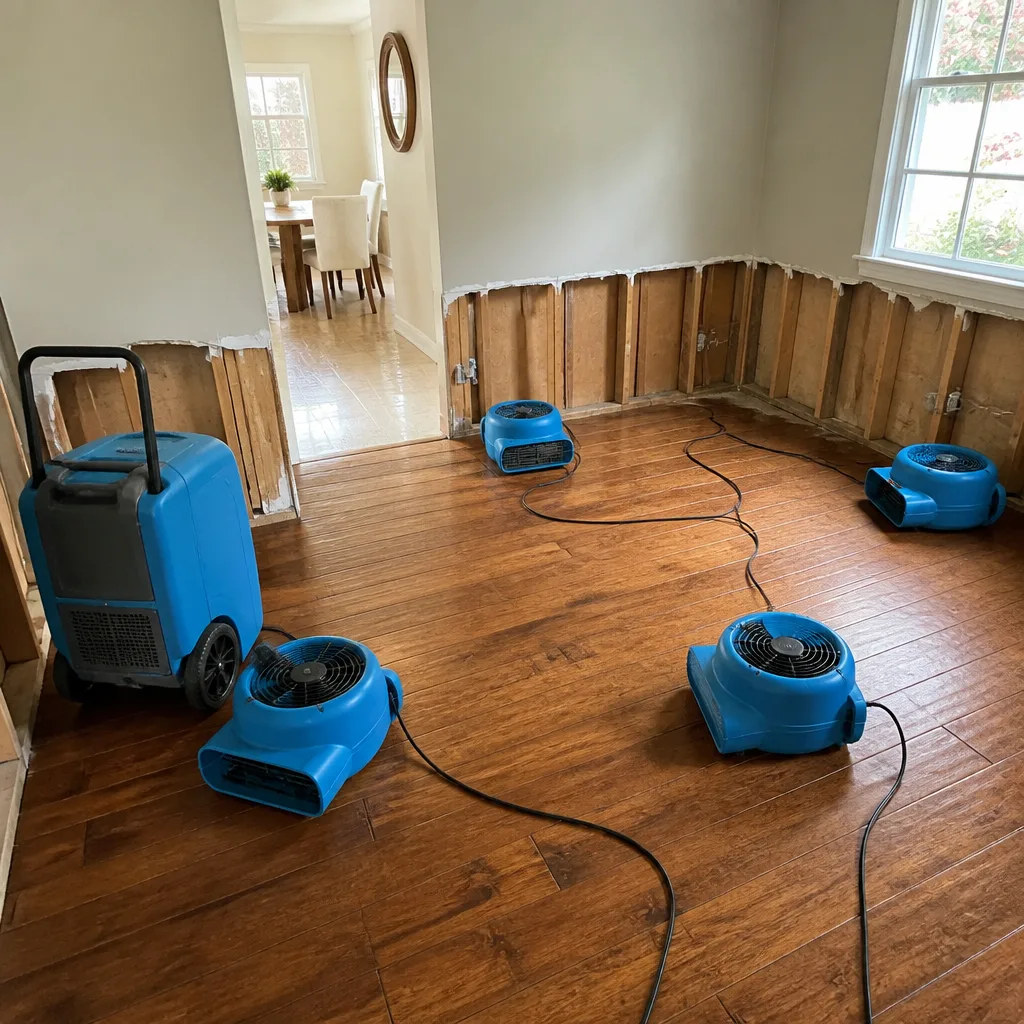
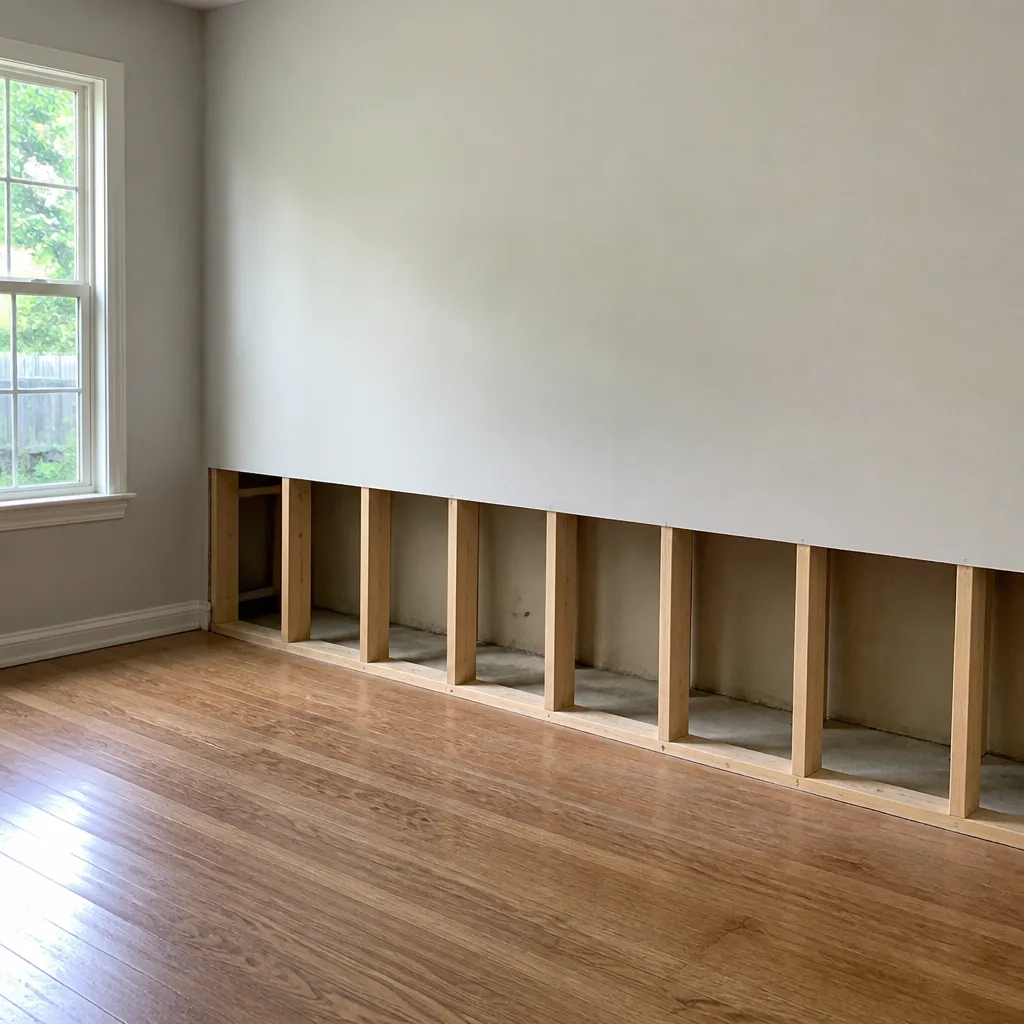
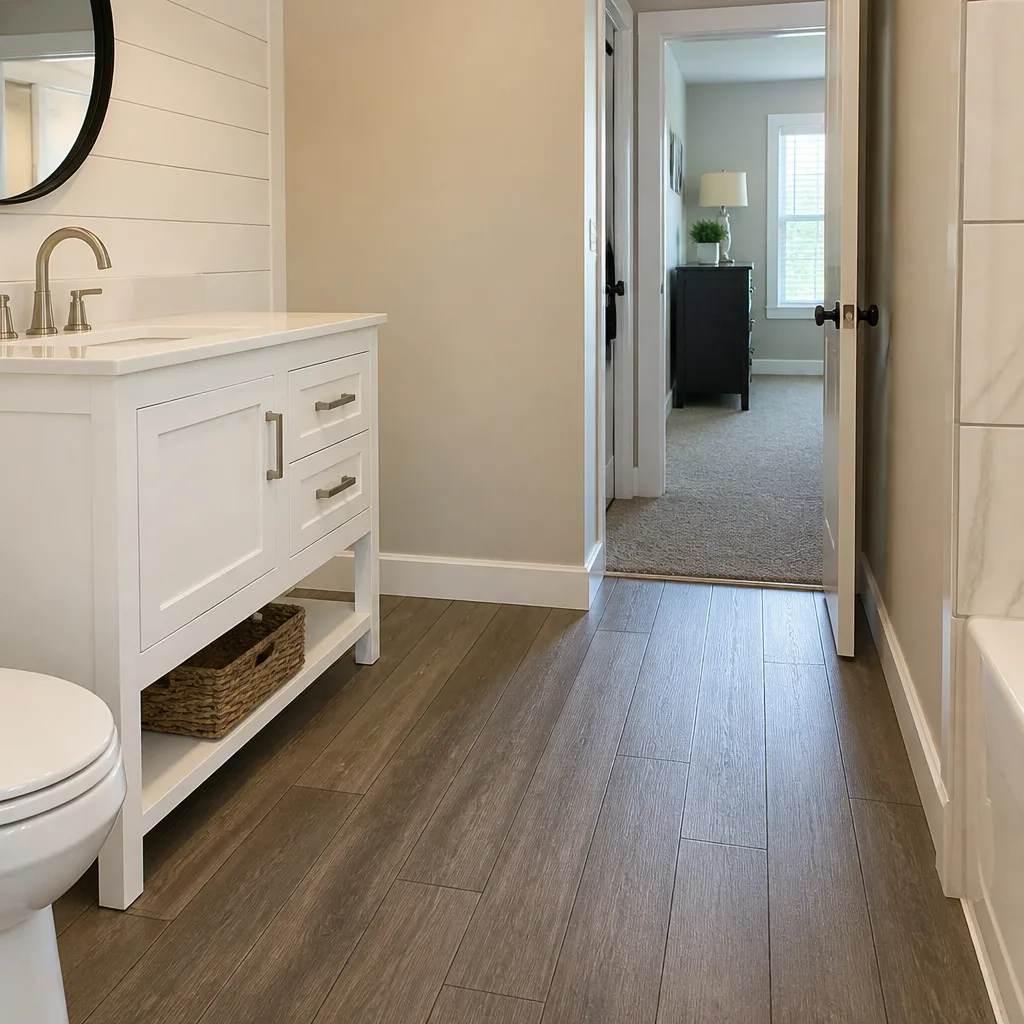
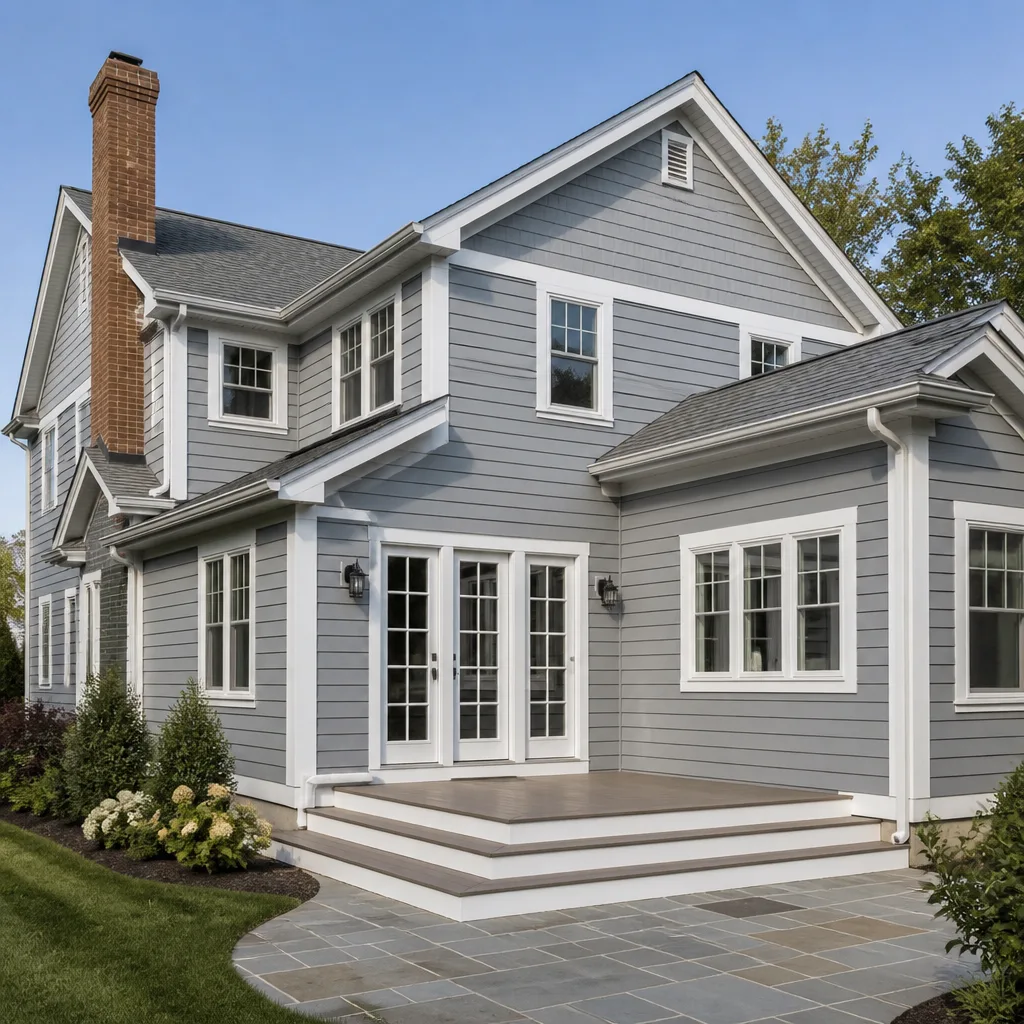
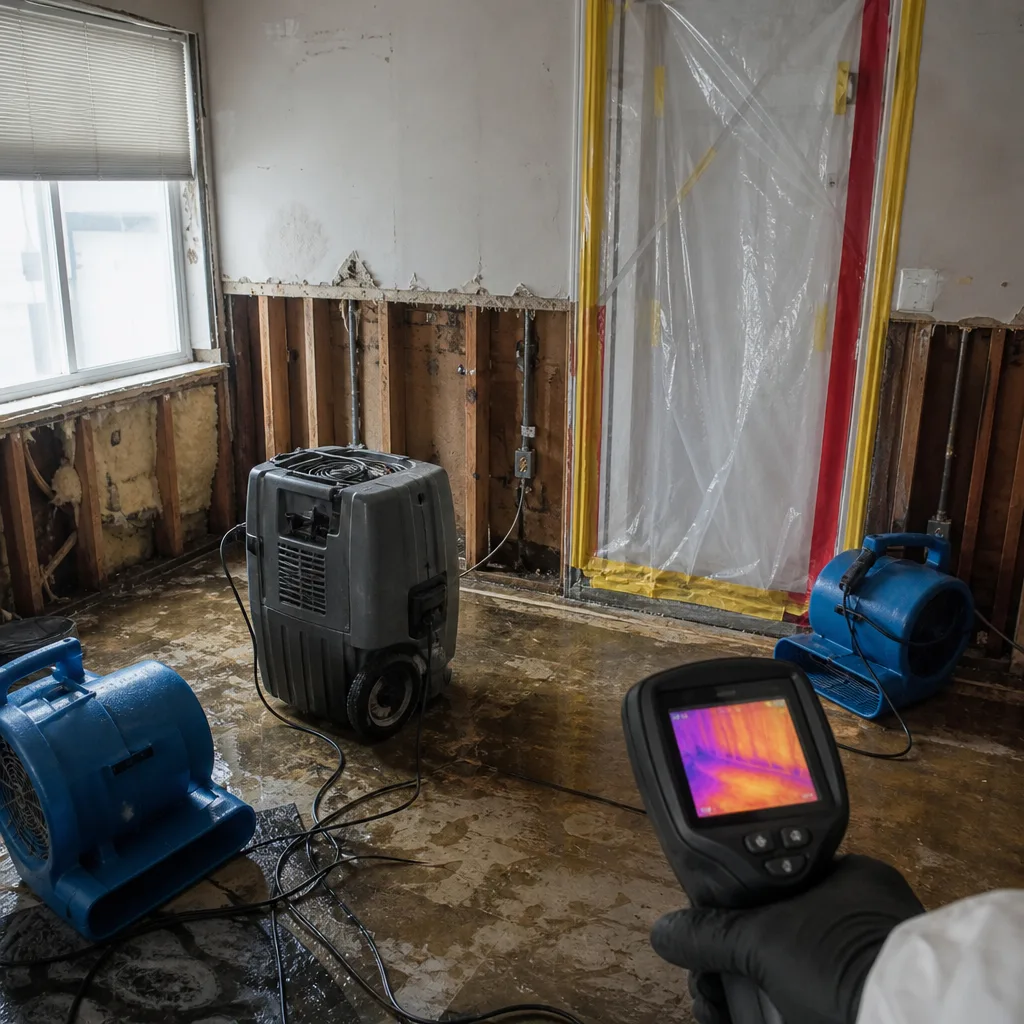 Before
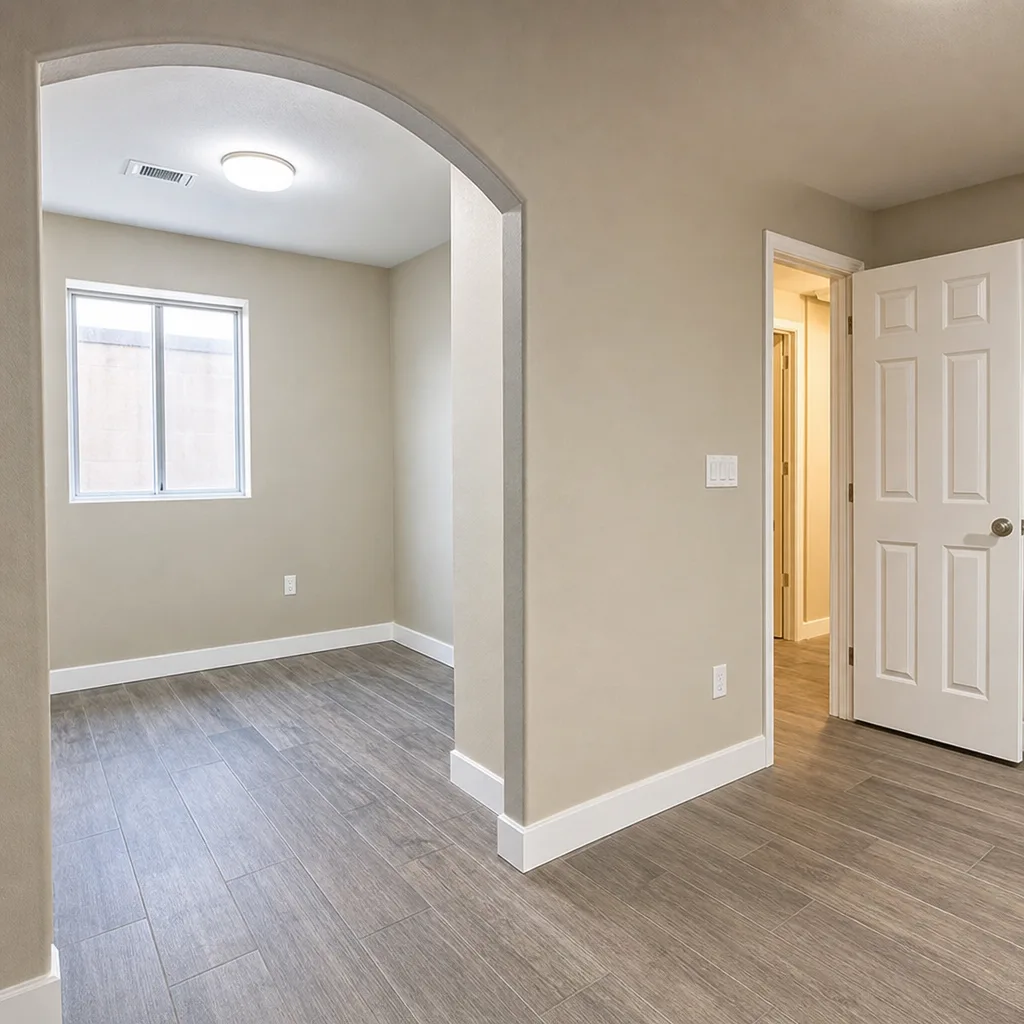 After
After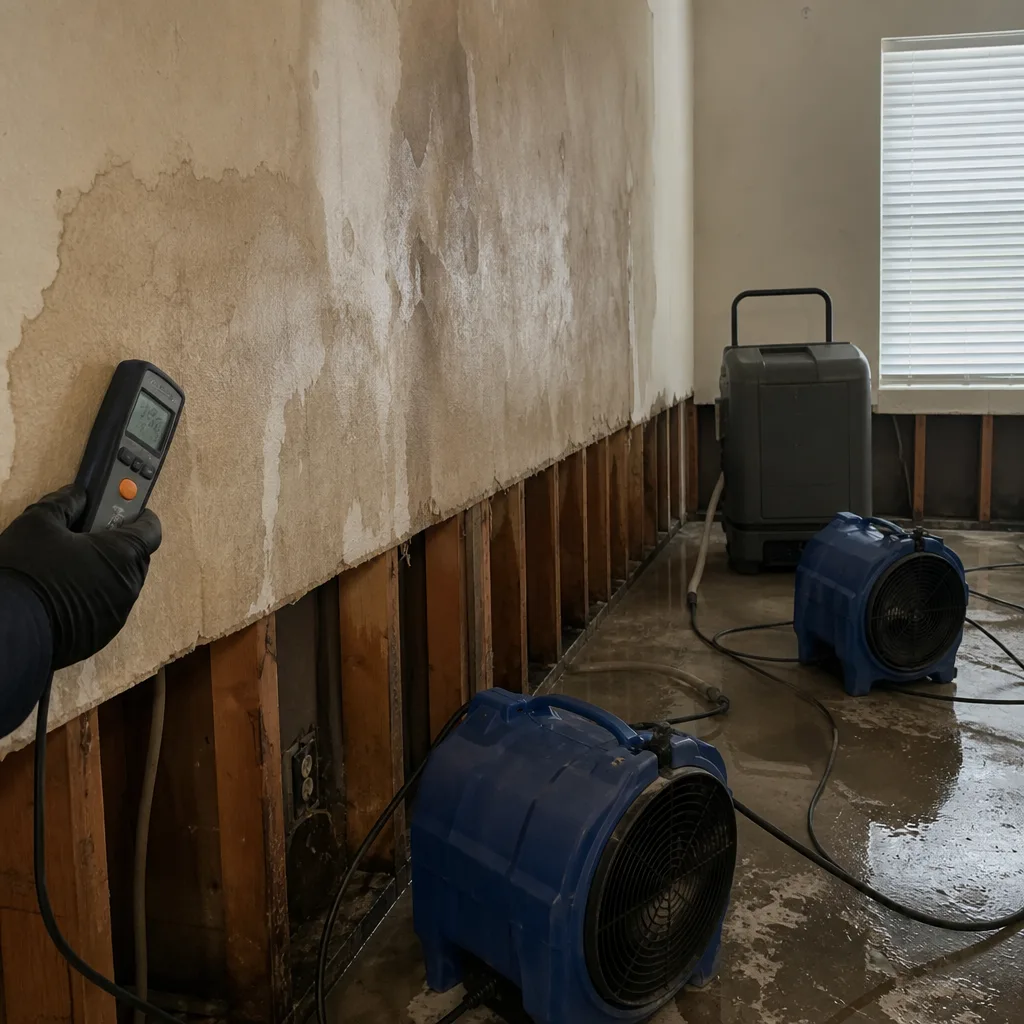 Before
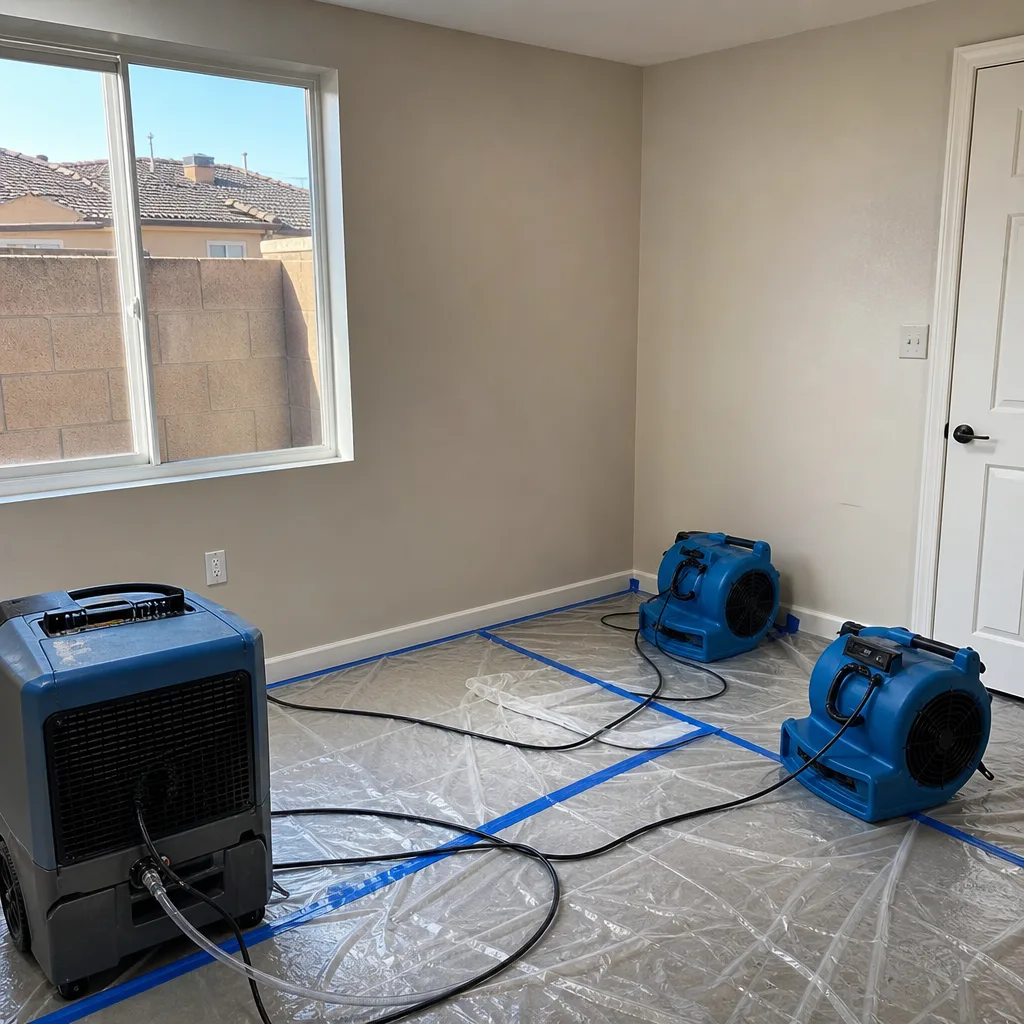 After
After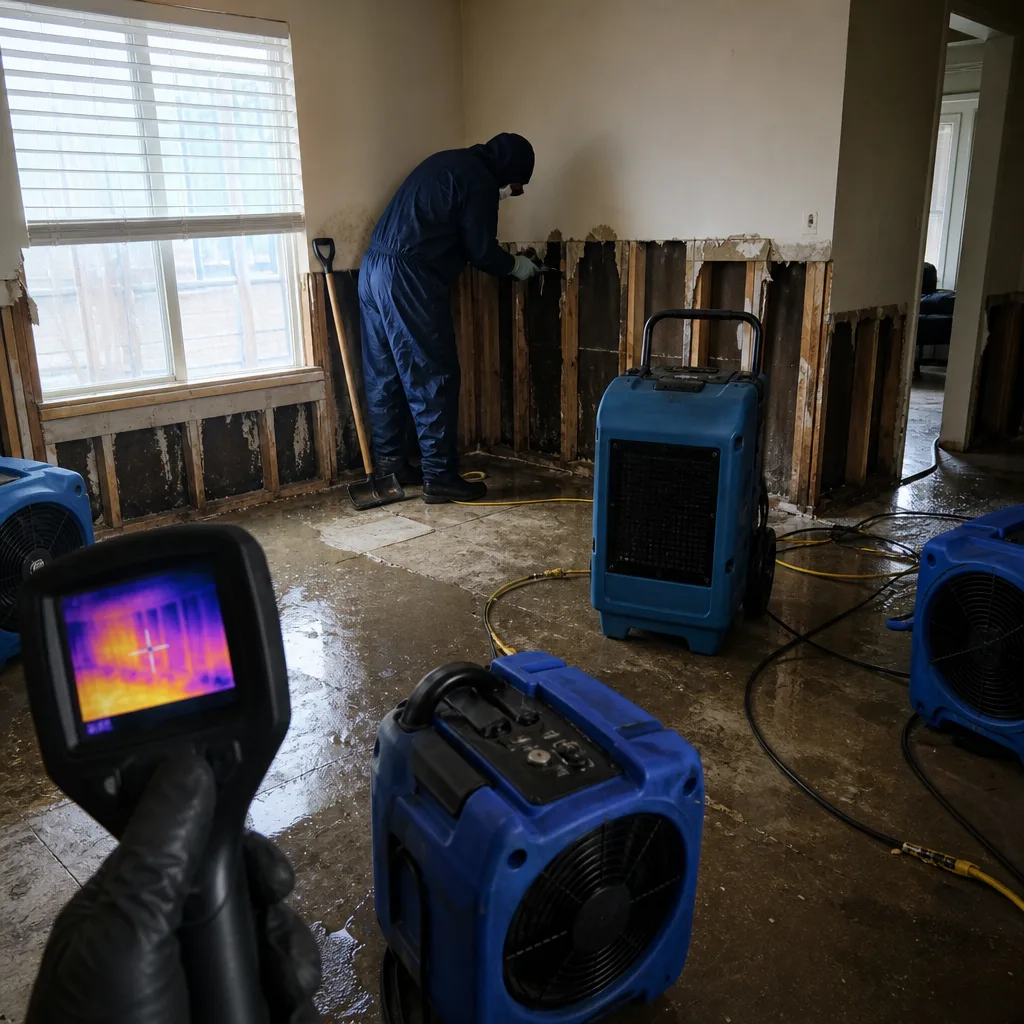 Before
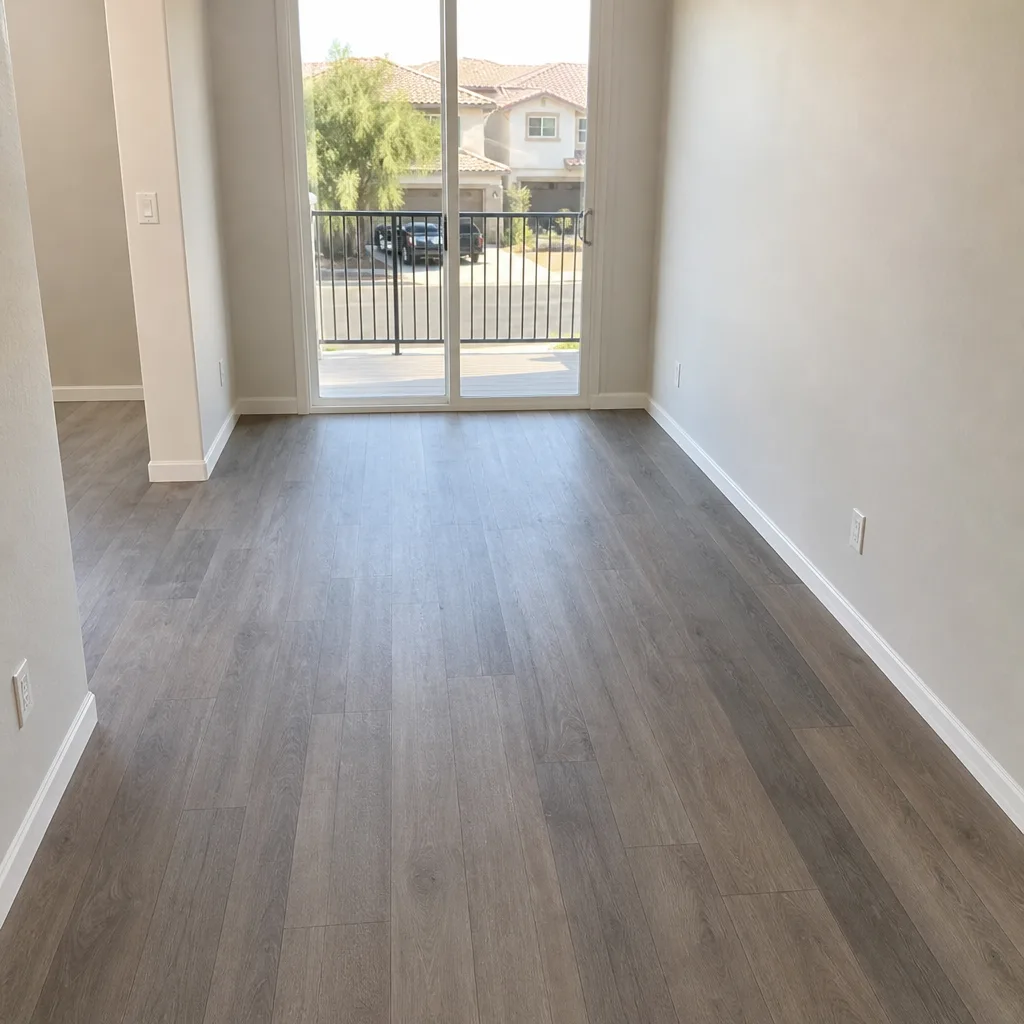 After
AfterHow to Hire a Damage Restoration Contractor in North Las Vegas: A Step-by-Step Guide
Nevada is one of several states where “Assignment of Benefits” clauses buried in emergency authorization forms have allowed contractors to bill insurers directly, and dispute settlements, without the homeowner’s ongoing approval. In North Las Vegas, where monsoon season can dump an inch of rain in under an hour and flash flooding is a documented risk in low-lying neighborhoods like Eldorado and Valley View, that 2 a.m. signature can cost you control of a five-figure claim. This guide shows you exactly what to demand in writing before anyone starts work, how to verify credentials in under two minutes, and which questions to ask your adjuster before authorizing a single piece of equipment. For more guides & resources, visit our blog.
Quick Answer
To hire a damage restoration contractor in North Las Vegas, verify their Nevada C-14 license and IICRC certifications through the state database, demand a written line-item estimate before any work begins, and refuse to sign any form containing an Assignment of Benefits clause. Ask to see a sample drying log and photo documentation process, confirm their insurance and bonding status, and contact your carrier to clarify who approves scope changes before authorizing work.
Table of Contents
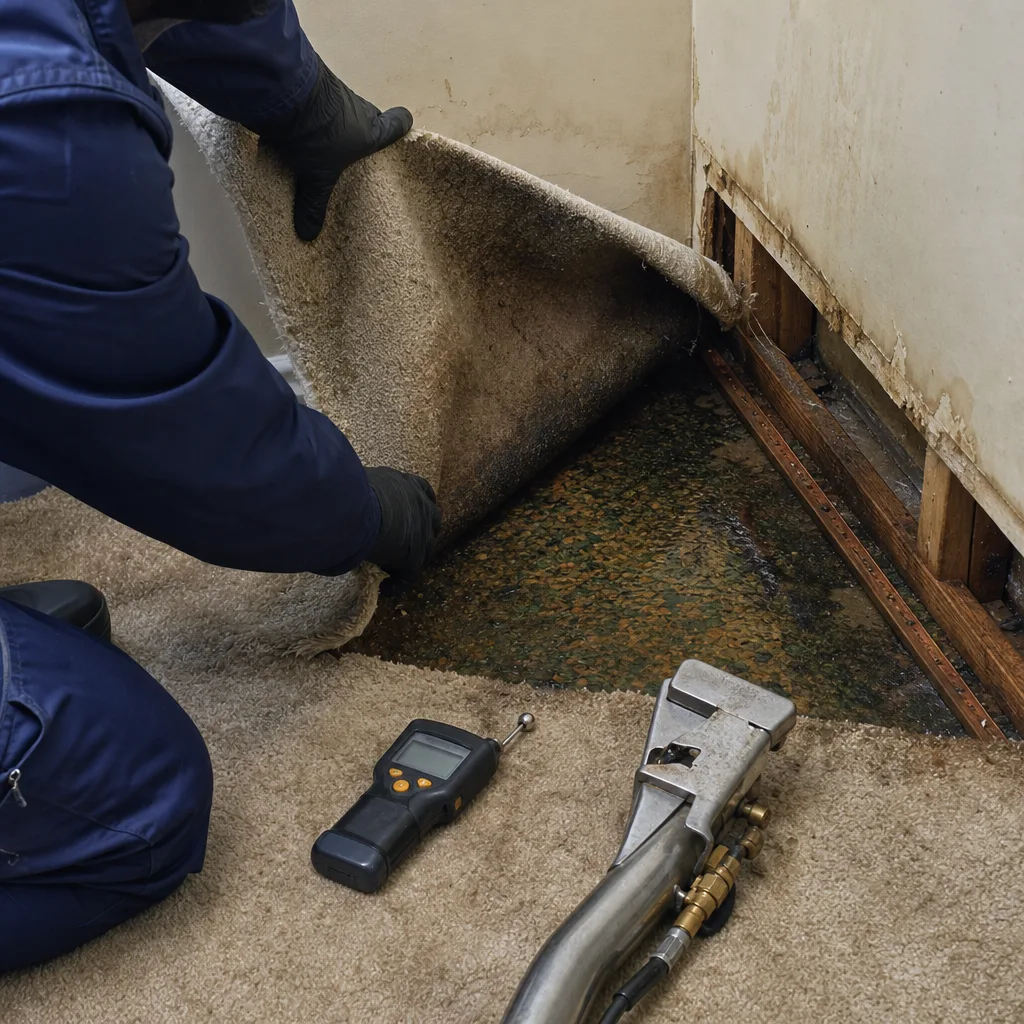
- How to Verify Licenses and Certifications in Nevada
- What a Legitimate Written Estimate Must Include
- How to Evaluate a Contractor’s Documentation Process
- Questions to Ask Your Insurance Carrier First
- Red Flags: Spotting Storm Chasers in the Las Vegas Valley
- Signing Safely: Forms to Review and Clauses to Cross Out
- What Restoration Costs in North Las Vegas
- Common Mistakes to Avoid
- When to Call a Professional
- Frequently Asked Questions
 Before
 After
AfterHow to Verify Licenses and Certifications in Nevada
Nevada requires any contractor performing structural drying, demolition, or reconstruction to hold a C-14 license from the Nevada State Contractors Board. This is not a suggestion. Water damage restoration that involves removing drywall, treating subfloors, or reconstructing wall cavities crosses into regulated contracting territory, and an unlicensed operator can leave you with no recourse if the work fails inspection or your insurer denies the claim.
Here’s how to verify credentials in under two minutes:
- Visit nscb.nv.gov and select “Verify a License.”
- Enter the contractor’s business name or license number. A legitimate C-14 holder will appear with an active status, bond information, and any disciplinary history.
- Cross-reference the license holder’s name with the person who arrives at your door. In North Las Vegas, we’ve seen unlicensed crews working under borrowed license numbers, a practice the Contractors Board investigates actively.
- Ask for IICRC certification numbers and verify them at iicrc.org. Look for WRT (Water Damage Restoration Technician) and ASD (Applied Structural Drying) at minimum. For mold, demand AMRT (Applied Microbial Remediation Technician). For fire damage, ask for FSRT (Fire and Smoke Restoration Technician).
The C-14 license matters particularly in North Las Vegas because the city enforces the Clark County Building Code, which requires permits for any reconstruction involving electrical, plumbing, or structural repair. A contractor without C-14 credentials cannot pull these permits, meaning you’ll either face stop-work orders or be asked to permit as owner-builder, a move most insurers refuse to cover.
Ask specifically: “Will your name appear on the permit, or will I be listed as the owner-builder?” If they hesitate, that’s your signal to close the door.
What a Legitimate Written Estimate Must Include
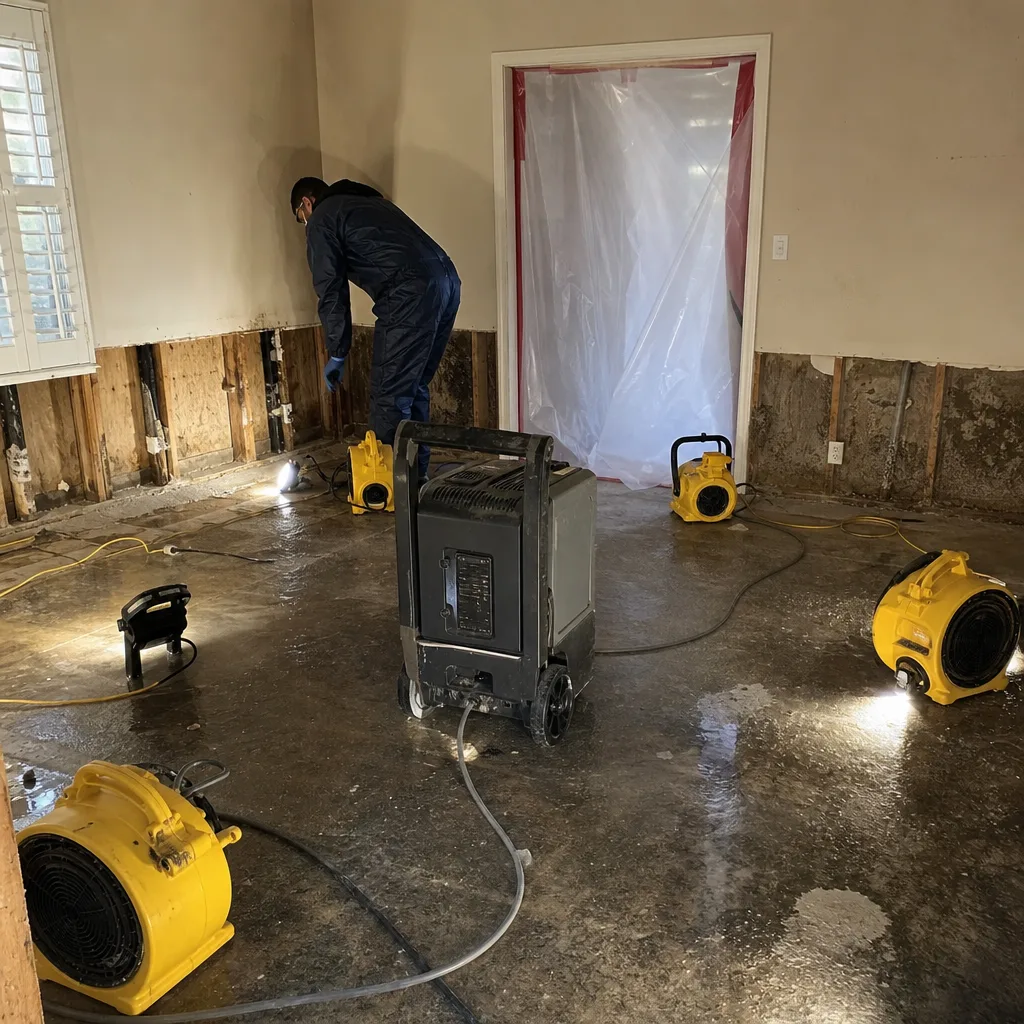
A written estimate is not a courtesy in restoration work. It’s the document that determines whether your insurer pays the invoice without a fight. Under Haven Standard, Clause 1, we deliver a written price before any work starts, every time, with no exceptions. Here’s what that document must contain, and what its absence predicts about the invoice you’ll receive later.
Required elements:
- Line-item pricing by unit, not lump-sum ranges. “Dry living room: $4,200-$6,800” is not an estimate; it’s a blank check. Legitimate line items read: “Dehumidifier, Phoenix 200 MAX, 3 days @ $85/day = $255.”
- Equipment specifications by manufacturer and model. “Industrial dehumidifier” tells you nothing. “Dri-Eaz LGR 7000XLi, 235 pints/day at 80°F/60% RH” tells your adjuster the equipment matches the loss.
- Moisture content readings and target goals. The estimate should reference baseline readings (e.g., “drywall at 14.2%, target ≤12% per IICRC S500”) and explain how many days of drying are projected to reach them.
- Scope boundaries: exactly which rooms, which materials, and which operations are included. Vague phrases like “affected areas as determined by technician” or “additional work as needed” predict supplements that double the original invoice.
- Exclusions stated explicitly: what is NOT included, such as asbestos testing, permit fees, or reconstruction beyond the drying phase.
Red-flag language that predicts disputed invoices:
- “Time and materials” without a not-to-exceed cap
- “Open-ended authorization for necessary services”
- “Estimate subject to change based on actual conditions” without a written change-order process
- Any reference to “industry standard pricing” without naming the standard (Xactimate, Symbility, or a published price list)
In North Las Vegas, where summer humidity can spike to 30% during monsoon events and winter nights drop below freezing, drying timelines vary significantly by season. Our Seasonal Damage Restoration Care for North Las Vegas: Year-Round Homeowner’s Guide breaks down what to expect each season. A legitimate estimate accounts for this with psychrometric calculations, the study of how temperature, humidity, and air movement interact to remove moisture from materials. If your contractor cannot explain their target vapor pressure differential in plain language, they may be guessing at equipment days, and you’ll pay for the guesswork.
How to Evaluate a Contractor’s Documentation Process
The single most predictive question you can ask during the sales conversation: “Can you show me a sample drying log from a completed job?”
A contractor who documents properly will have this ready. A contractor who doesn’t will deflect, promise to “get you something later,” or explain that “every job is different.” Every job is different, but the documentation standard should not be.
Here’s what proper documentation looks like, and what to request:
- Daily moisture readings, recorded by room, by material, with the meter type and calibration date noted. We use Delmhorst or Tramex meters, calibrated annually, and record readings in a format that insurers recognize from water damage restoration in North Las Vegas claims.
- Photographic record on every visit, not just “before and after.” The photo set should include: wide shots establishing room context, close-ups of moisture meter readings with the display visible, equipment placement with serial numbers readable, and any changes in condition. At DryMark Restoration North Las Vegas, this is a standard deliverable, never an upsell.
- Psychrometric data: temperature, relative humidity, and specific humidity recorded at least daily, with equipment settings noted. This proves the drying environment was controlled, not just that equipment was present.
- Written scope revisions, signed by both parties, if the drying plan changes. No verbal authorizations. No “we talked about it” adjustments.
Ask to see how they deliver this documentation to insurers. A photo dump in a text thread is not documentation. A structured PDF with indexed photos, signed logs, and equipment serial numbers is. The difference determines whether your claim pays in 14 days or 14 weeks.
We document to IICRC, RIA, and IFA standards because those are the standards insurers expect. When we submit a claim package, the adjuster recognizes the format. That recognition speeds payment. Ask your prospective contractor which standards they follow, and ask them to name the specific standard number, IICRC S500 for water damage or S520 for mold. If they cannot name it, they are not following it.
Questions to Ask Your Insurance Carrier First
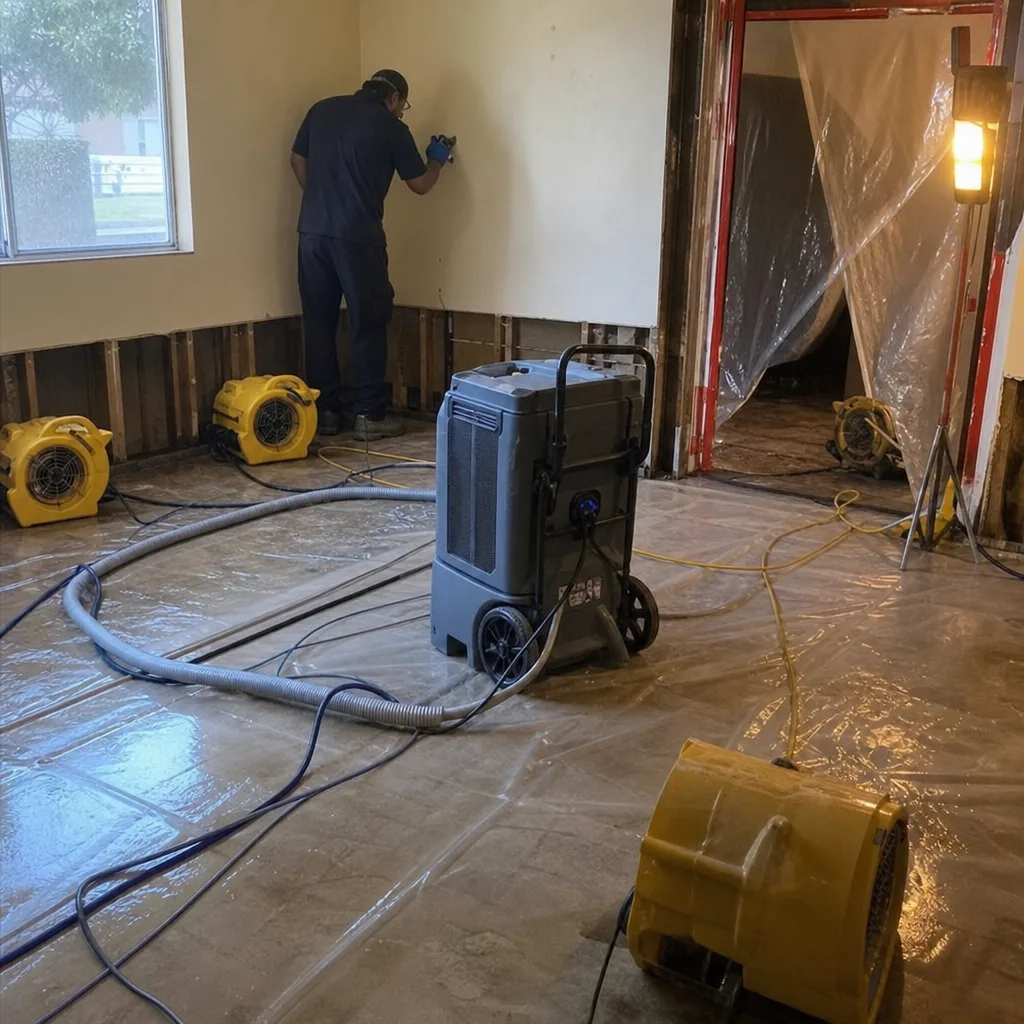
Before authorizing any contractor, call your insurance carrier’s claims line and ask these specific questions. Record the answers, the representative’s name, and the time of call. This 10-minute conversation prevents the most common disputes we see in North Las Vegas.
- “Who approves scope changes if the drying plan needs adjustment?” Some carriers require adjuster approval for any supplement over $500 or 10% of the original estimate. Others delegate to their preferred vendor network. Know which applies to your policy before work starts.
- “How are supplements submitted, and what documentation is required?” The answer should specify: written justification, photo documentation, and moisture logs. If the carrier says “the contractor handles that,” ask whether the contractor is a direct vendor or if you’ll be reimbursed after payment.
- “Is there a preferred vendor program, and what are my rights if I choose an independent contractor?” In Nevada, you have the right to choose your contractor. Some carriers steer aggressively toward their networks with implied threats about coverage. This is illegal, but it happens. Know your position.
- “What is my deductible, and when is it applied?” For water damage, some policies apply the deductible to the final approved amount, others to the initial estimate. The difference affects your out-of-pocket significantly.
- “Does my policy cover Alternative Living Expenses if the home is uninhabitable, and what triggers that coverage?” In North Las Vegas, where summer temperatures make an unconditioned home potentially hazardous, this matters. ALE coverage often requires documentation that the HVAC system is inoperable due to the loss, not just uncomfortable.
Document this call. The representative’s statements about coverage, if recorded, can bind the carrier later if disputes arise. We coordinate directly with adjusters on every job, but the homeowner who has their own record of the initial coverage conversation is the homeowner whose claim moves fastest.
Red Flags: Spotting Storm Chasers in the Las Vegas Valley
North Las Vegas sits at the edge of the Mojave Desert, but “desert” does not mean “dry all the time.” The North American Monsoon delivers concentrated rainfall from July through September, and when it hits the baked hardpan of undeveloped land around Aliante or the loose soil of newer developments near Centennial Hills, flash flooding follows fast. This predictable pattern draws storm chasers, out-of-state contractors who arrive within 48 hours of major weather events, work for 30-90 days, and vanish before warranty claims surface.
Specific red flags in the Las Vegas valley:
- Out-of-state license plates on work vehicles, particularly Texas, Florida, or California plates during monsoon season. Legitimate local contractors maintain Nevada registration year-round.
- Pressure to sign immediately with claims that “insurance only covers the first contractor on site” or “federal disaster funds are limited.” Both are false.
- No local physical address, or an address that maps to a mailbox store or virtual office. Verify the business address through the Nevada Secretary of State’s business search.
- Requests for upfront payment, particularly “material deposits” or “equipment mobilization fees.” Nevada law limits contractor deposits to $1,000 or 10% of the contract price, whichever is less, for residential work.
- Generic contracts with no Nevada-specific provisions, no reference to Nevada Revised Statutes Chapter 624 (contractor law), or no local permit requirements.
- Inability to name local building officials or describe the Clark County permit process. A legitimate contractor in North Las Vegas has pulled permits from the city’s Community Development Department and can describe the inspection sequence.
The most sophisticated storm chasers now lease local office space temporarily and register Nevada business entities for 90-day periods. Check the Nevada Secretary of State filing date. A business entity formed within 30 days of a major storm, with no prior filing history, is a chaser operation regardless of the local address.
We are independently owned and operated under The Haven Standard, with continuous Nevada registration since 2011. Our crews are background-checked, uniformed, and named before they arrive. The license number is on the page. That continuity matters when you need warranty service in year two, and the storm chaser’s phone number has been disconnected for 18 months.
Signing Safely: Forms to Review and Clauses to Cross Out
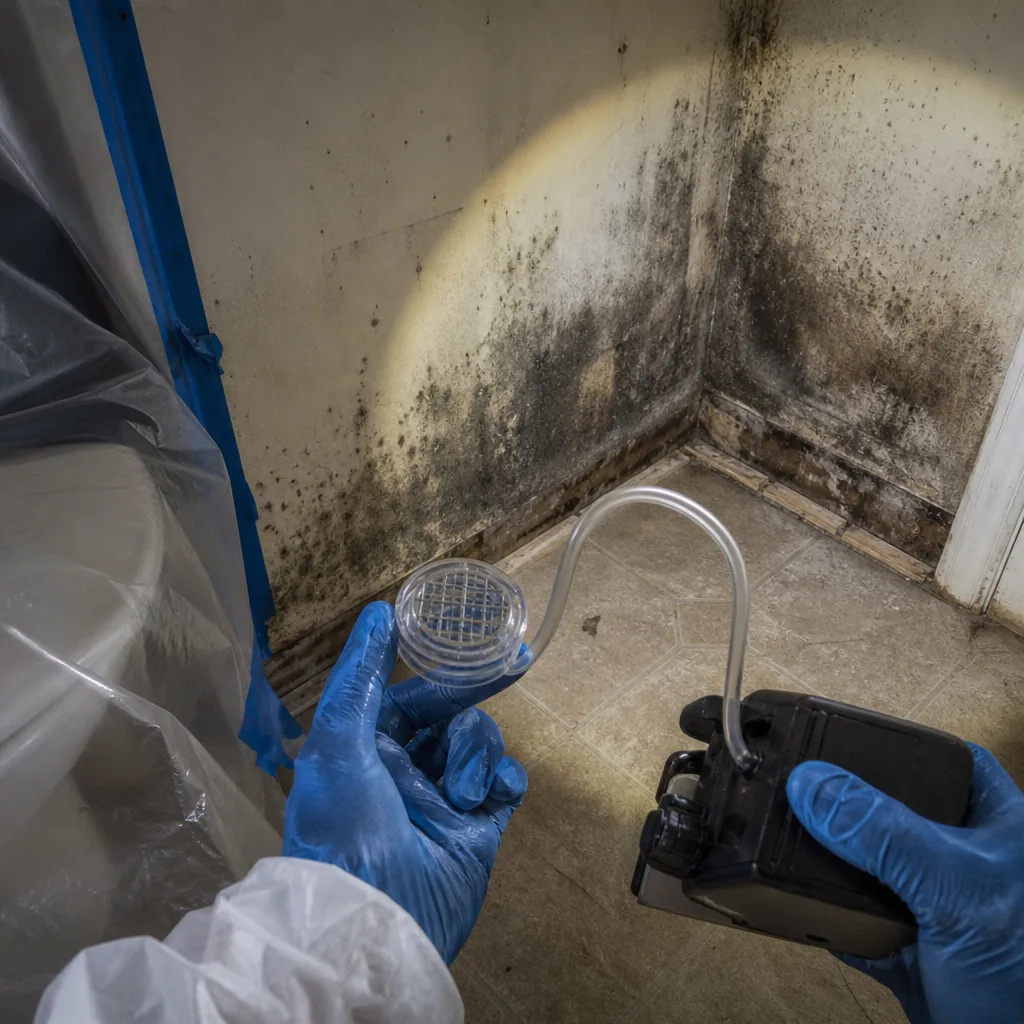
The authorization form presented at 2 a.m. is often a multi-page document with binding legal effect. In Nevada, several clauses have caused homeowners to lose control of their insurance claims. Here’s what to look for, and what to refuse.
Assignment of Benefits (AOB)
This clause transfers your right to receive insurance payments directly to the contractor. They bill the insurer, negotiate the settlement, and can sue the insurer in your name. Nevada does not prohibit AOB clauses outright, but they are heavily restricted and the source of most restoration litigation in the state. Cross out any AOB language. Initial the cross-out. If the contractor insists, find another contractor.
Direction to Pay
Similar to AOB but narrower, this directs the insurer to pay the contractor directly. Less dangerous than full AOB, but still removes your leverage if the work is incomplete or defective. We never request direction to pay; payment follows documented completion, with your signature on the final walkthrough.
Open-Ended Authorization
Any language authorizing “all necessary services” or “work as determined by the contractor” without a written scope attachment. This is how $3,000 drying jobs become $15,000 invoices. The written scope, signed by both parties, must attach to and limit the authorization.
Waiver of Lien Rights / Lien Assignment
Nevada mechanics’ lien law protects contractors who aren’t paid, but some forms include blanket lien waivers that survive even if the insurer underpays. Read carefully. A legitimate contractor files lien notices only after written demand and a cure period, not as a routine collection tool.
What to demand instead:
- A one-page emergency services authorization with a specific dollar cap, referencing an attached scope
- A separate written estimate with line items, signed before work begins
- A statement that no supplements will be performed without written, signed change orders
- Reference to The Haven Standard, Clause 1: written price before work begins, or equivalent explicit commitment
Take a photo of every signed page with your phone before the representative leaves. Email it to yourself with a timestamp. This 90-second habit has saved North Las Vegas homeowners thousands in disputed charges.
What Restoration Costs in North Las Vegas
Restoration pricing varies by loss type, affected square footage, and material classification, but North Las Vegas homeowners should expect these general ranges based on local market conditions and Xactimate pricing for the 89030-89086 ZIP codes. These are not quotes. Your specific loss requires a written estimate.
| Service Category | Typical Range | What Drives Cost |
|---|---|---|
| Emergency water extraction (first visit) | $350-$850 | Gallons extracted, accessibility, contamination category (clean, gray, or black water) |
| Structural drying (per day, equipment) | $85-$175 per machine | Dehumidifier capacity (pints/day), air mover count, need for Injectidry cavity drying systems |
| Typical residential drying project (3-5 days) | $2,800-$6,500 | Square footage, number of affected rooms, need for demolition, Category 3 (sewage) contamination |
| Mold remediation (per contained area) | $1,200-$4,500 | Lab-confirmed species, affected square footage, HVAC contamination, need for negative air isolation |
| Fire/smoke damage cleaning (per room) | $1,500-$5,000 | Soot type (protein, wet, dry), odor penetration depth, contents cleaning vs. replacement |
| Contents pack-out and storage | $450-$1,200 initial | Volume, fragility, climate-controlled storage requirement |
Several North Las Vegas-specific factors affect these ranges:
- Monsoon humidity spikes extend drying timelines in July-September, increasing equipment days
- Older homes in downtown North Las Vegas (pre-1980) often contain asbestos-containing materials or lead paint, requiring testing before demolition
- Slab-on-grade construction common in Desert Shores and nearby areas limits subfloor access, sometimes requiring more invasive drying approaches
- HOA requirements in master-planned communities may mandate specific reconstruction materials or contractor qualifications, affecting rebuild costs
We deliver a written price before work begins on every job, with no scope-creep additions once the crew is inside. Haven Standard, Clause 1. If a competitor has provided an estimate, we offer a Free Second Opinion at no charge, reviewing their scope for completeness and their pricing for market accuracy.
Common Mistakes to Avoid
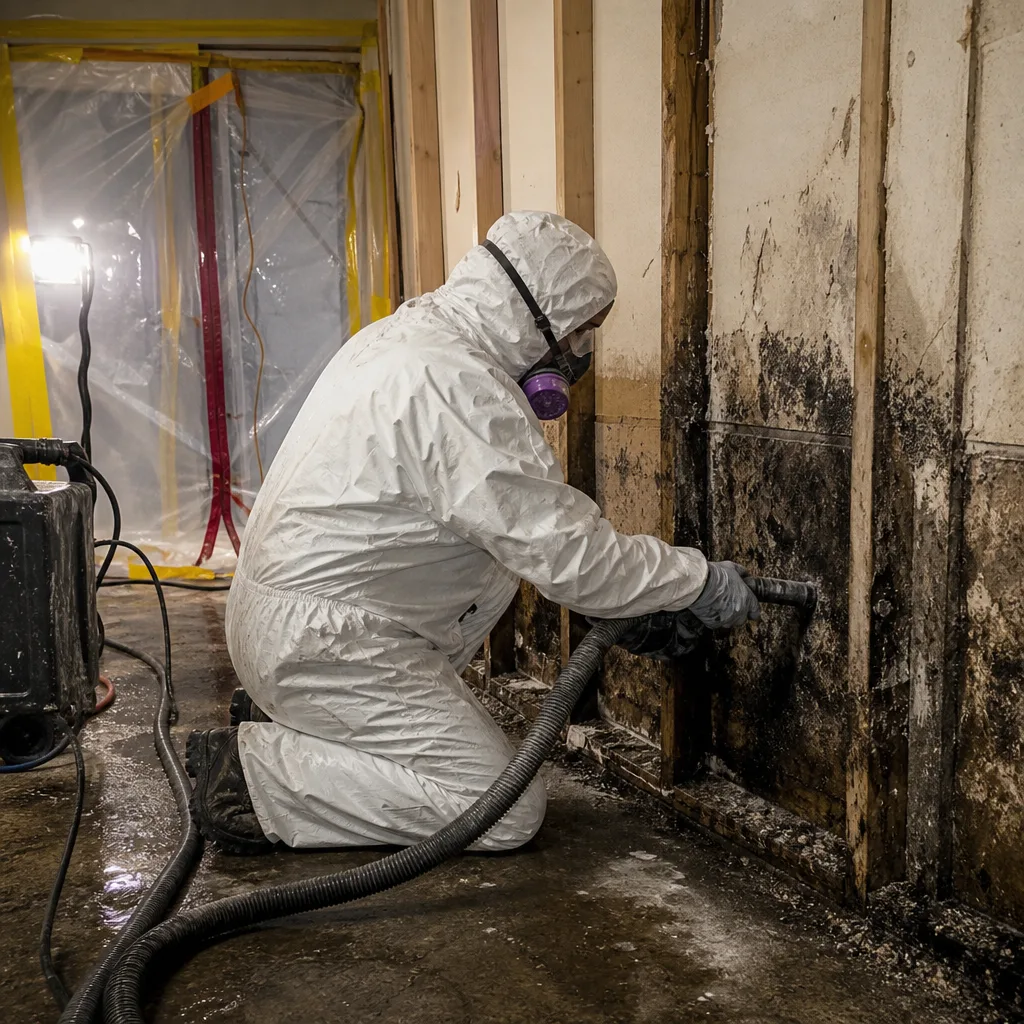
- Signing the first form presented without reading. In North Las Vegas, we’ve reviewed authorization forms from competitors that contained AOB clauses on page three, below a large “EMERGENCY SERVICES” header designed to rush signature. Read every page.
- Accepting a verbal estimate. Nevada law requires a written contract for home improvement work over $1,000, but many homeowners waive this in emergencies. The written price protects you more than it protects the contractor.
- Not verifying the C-14 license independently. Relying on a business card or website claim without checking nscb.nv.gov has led to homeowners paying unlicensed operators who then disappeared with the deposit.
- Authorizing work before documenting the loss with photos. Your insurer needs pre-mitigation photos to establish the scope of damage. Take your own photos, with timestamps, before any contractor moves equipment in.
- Assuming “certified” means IICRC-certified. “Certified” is an unregulated marketing term. Ask for the specific certification number and verify it.
- Not asking who pays for equipment if the insurer denies coverage. Some contractors’ rental agreements make the homeowner personally liable for equipment charges regardless of insurance outcome. Clarify this before signing.
- Choosing based on arrival speed alone. Fast response matters for water damage, but a contractor who arrives in 20 minutes without proper documentation may cost you more than one who arrives in 90 minutes with a complete estimate. For fire & smoke damage restoration in North Las Vegas, speed is less critical than scope accuracy.
When to Call a Professional
Call a professional restoration contractor immediately when: standing water exceeds what a wet/dry vacuum can remove; water has contacted electrical outlets, panels, or gas appliances; sewage or Category 3 contamination is present; mold is visible or suspected based on musty odor after prior water damage; fire damage has affected structural elements or HVAC systems; or you need documentation for an insurance claim and do not have the equipment to produce moisture readings, photo records, and drying logs yourself. Download our Water Damage Restoration Maintenance Checklist for North Las Vegas Homeowners to stay prepared.
For water damage, every hour of delay increases the likelihood of secondary damage and microbial growth. In North Las Vegas, where summer temperatures accelerate bacterial proliferation in standing water, this timeline compresses further. That said, speed never justifies signing away your claim rights. Document, verify, then authorize.
DryMark Restoration North Las Vegas offers free estimates in North Las Vegas. Call (725) 726-3239 to speak with a live person, 24 hours a day, 7 days a week. No voicemail on emergency lines. Every job is quoted in writing before work begins, documented with a photo record on every visit, and covered by our 365-Day Done Right Promise under The Haven Standard.
Frequently Asked Questions
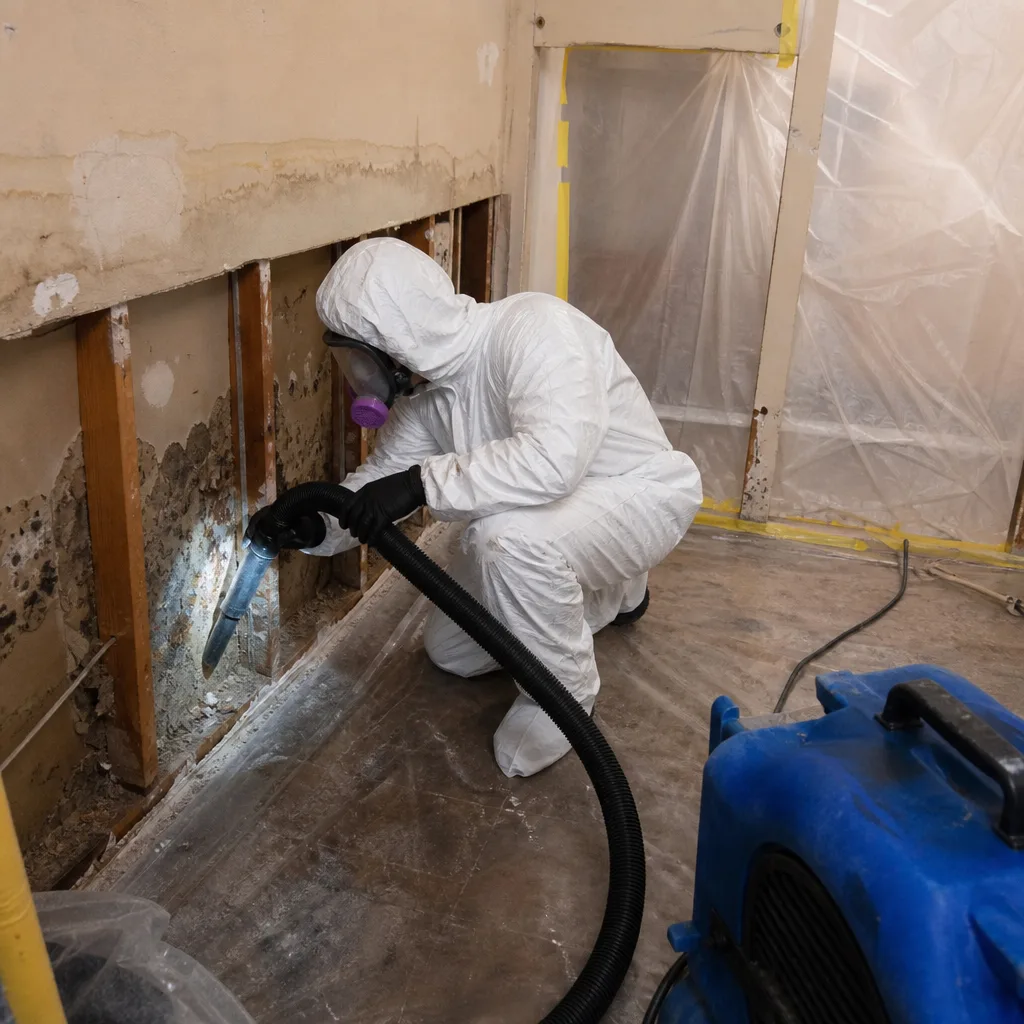
Visit nscb.nv.gov, select “Verify a License,” and enter the contractor’s business name or license number. A valid C-14 license will show active status, bond information, and any disciplinary history. Verify that the name on the license matches the person arriving at your door. Call (725) 726-3239 if you need help interpreting what you find.
A legitimate estimate includes line-item pricing by unit, equipment specifications with manufacturer and model, moisture content readings with target goals, explicit scope boundaries, and stated exclusions. Vague phrases like “affected areas as determined by technician” predict disputed invoices. We deliver written prices before any work begins, every time, with no exceptions, Haven Standard, Clause 1.
Coverage depends on your policy terms, the cause of loss, and your deductible. Most standard homeowners policies cover sudden and accidental water damage but exclude gradual leaks or flood damage without separate flood coverage. Call your carrier before authorizing work to confirm coverage specifics, and ask who approves scope changes. We coordinate directly with adjusters and provide the documentation insurers require for prompt payment.
For emergency water damage, reputable contractors in North Las Vegas typically arrive within 60-120 minutes during business hours, longer overnight depending on crew availability. Response time matters, but should never override proper documentation and written pricing. For mold remediation in North Las Vegas or reconstruction work, scheduling is by appointment with a written scope prepared in advance.
A restoration contractor specializes in emergency mitigation, drying, and documentation for insurance claims, with training in psychrometrics, microbial control, and contamination safety. See The Complete Guide to Damage Restoration in North Las Vegas for a deeper look at the process. A general contractor builds and renovates but typically lacks the equipment and certifications for emergency water extraction or mold containment. For losses involving insurance, you need a restoration contractor first, who may then coordinate reconstruction or perform it if they hold the proper licensing.
Look for out-of-state license plates, recently formed Nevada business entities, pressure to sign immediately, requests for large upfront deposits, and inability to describe local permit processes. Verify the business address through the Nevada Secretary of State and check how long the entity has been registered. We are independently owned and operated with continuous Nevada registration since 2011.
The Bottom Line
The most consequential decision after a loss is not which contractor to call, but what to demand in writing before signing anything. Verify the C-14 license independently. Insist on line-item pricing with equipment specifications. Refuse Assignment of Benefits clauses. Ask to see sample documentation. Confirm your insurance carrier’s process for scope changes and supplements. And never authorize work without a written estimate that specifies exactly what is included, what is excluded, and what happens if conditions change.
In North Las Vegas, where desert flash flooding and monsoon storms create sudden, high-stakes losses, the contractors who document properly are the contractors whose invoices get paid. The ones who rush paperwork past you at 2 a.m. are the ones whose claims end in litigation. Take the 90 seconds to read before you sign. The documentation you demand today becomes the evidence that protects your claim tomorrow.
Written by Alicia Brennan, Owner at DryMark Restoration North Las Vegas, serving North Las Vegas since 2011.