
Last updated September 23, 2026
Free visual inspection and a written scope of work before any mitigation begins - photos, moisture readings, and drying logs go in your claim file
The scope we write is the scope we bill. Anything new gets shown to you, in writing, before we touch it.
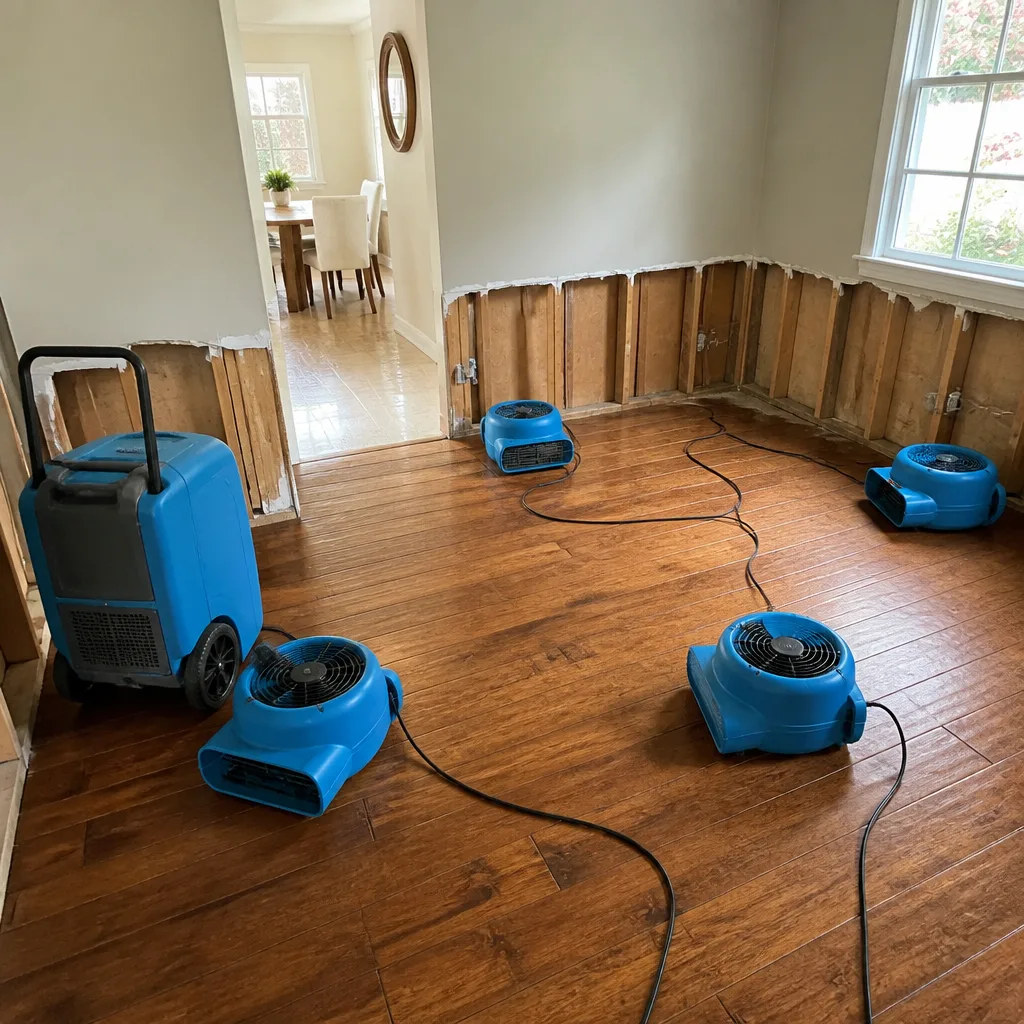
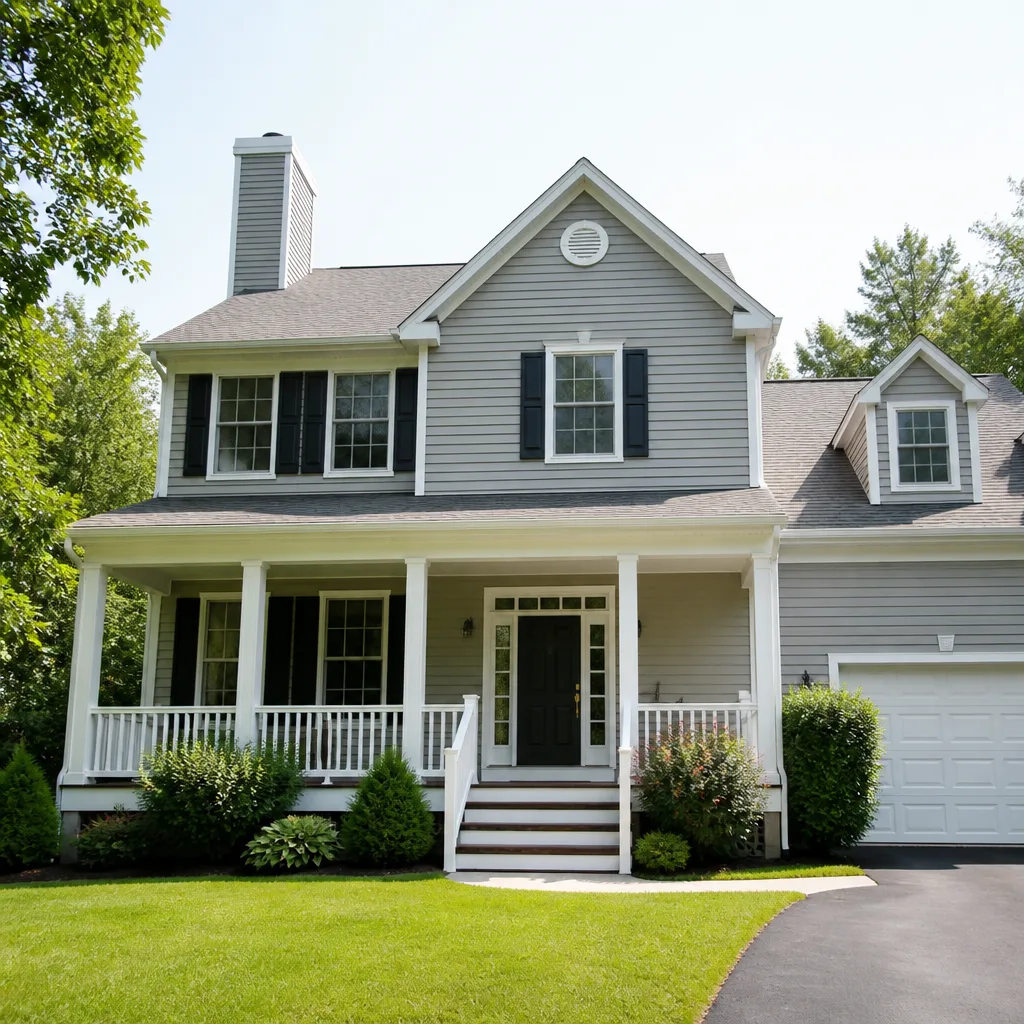
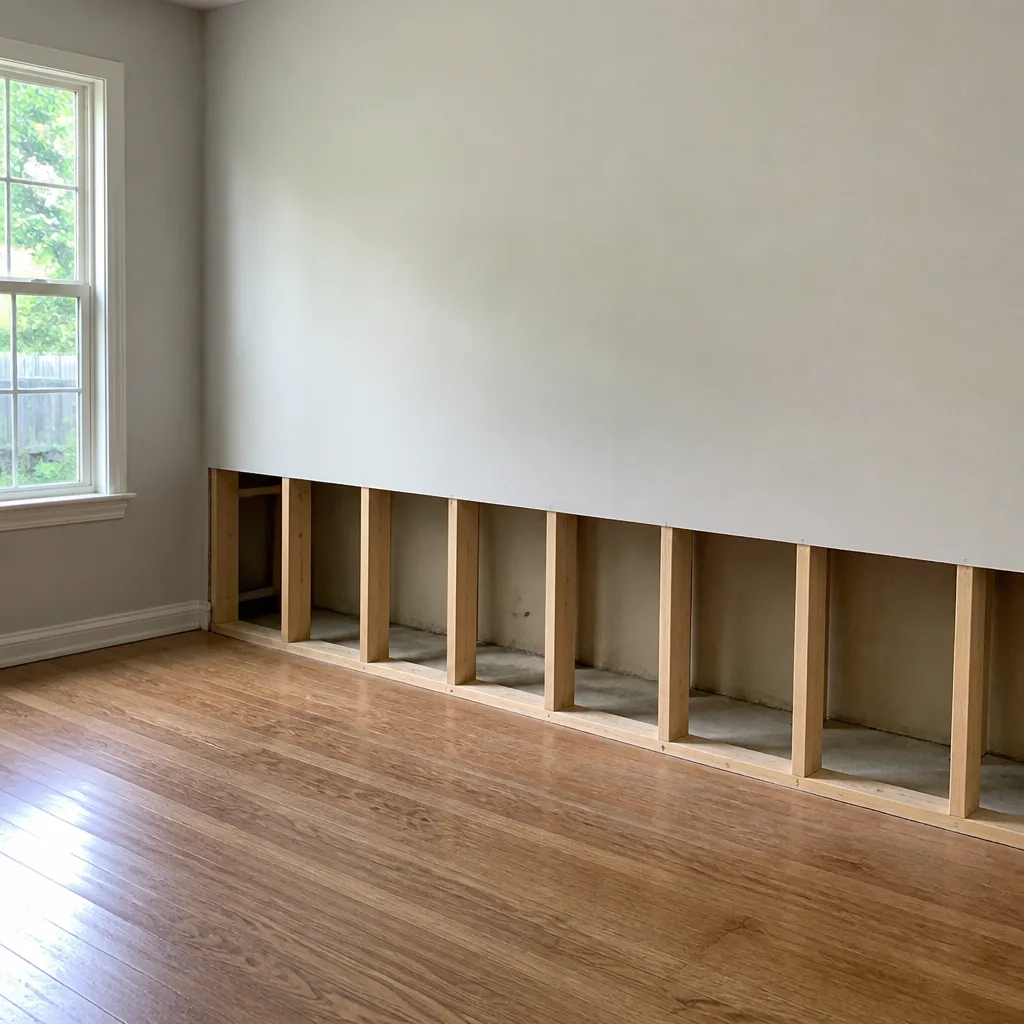
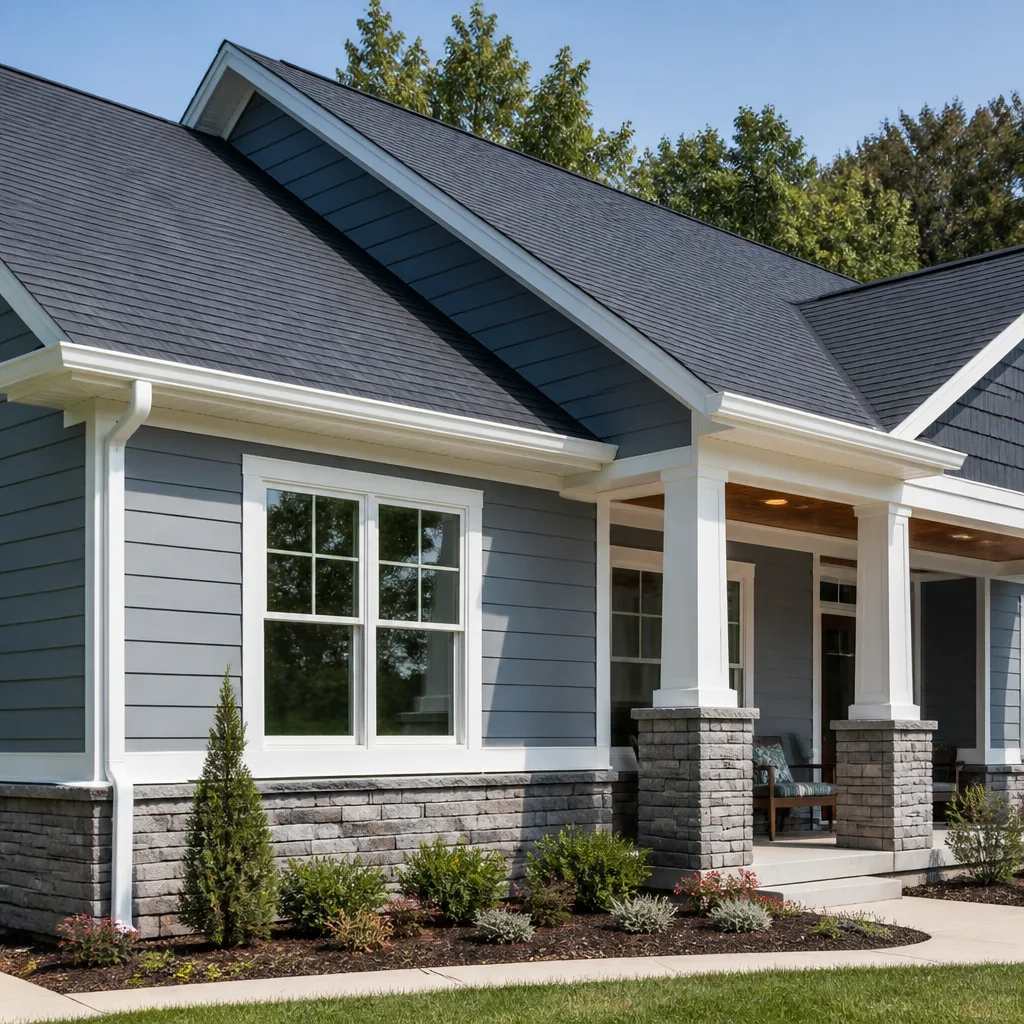
 Before
 After
After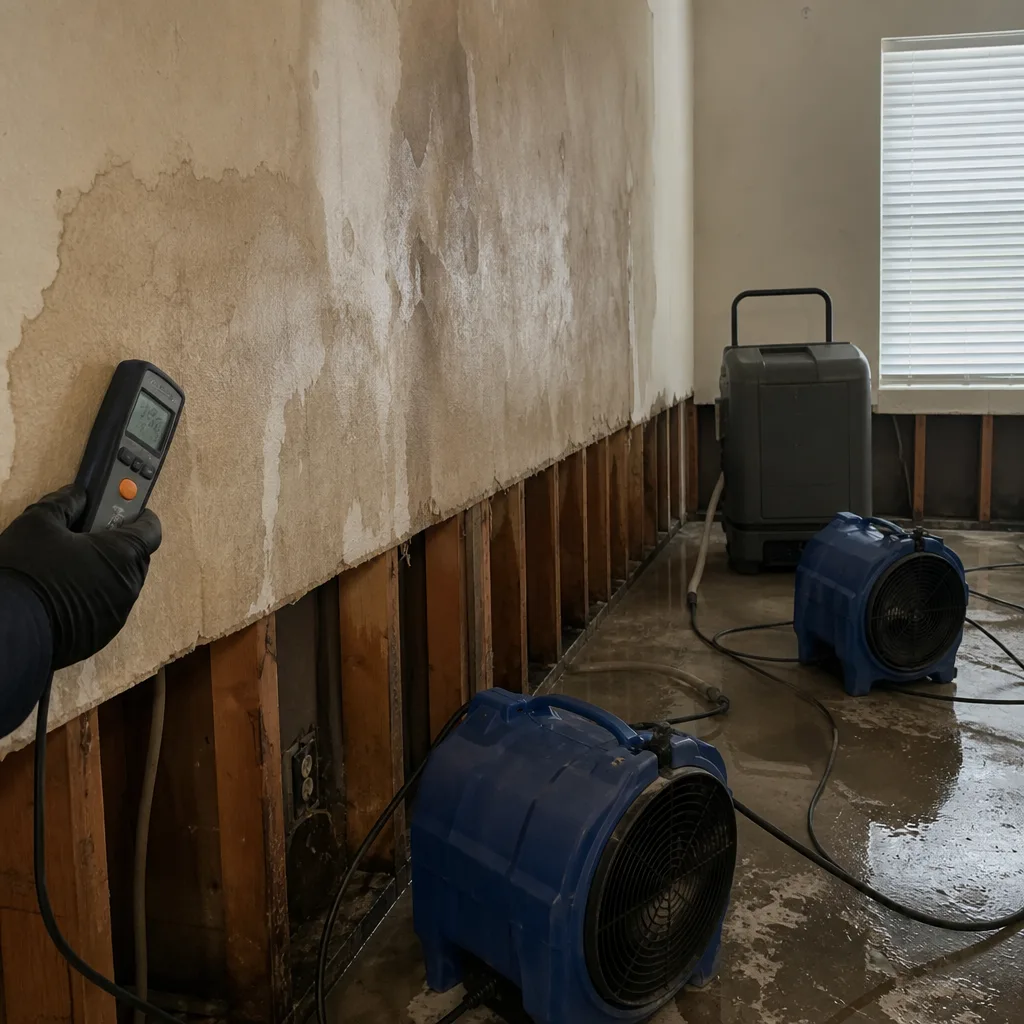 Before
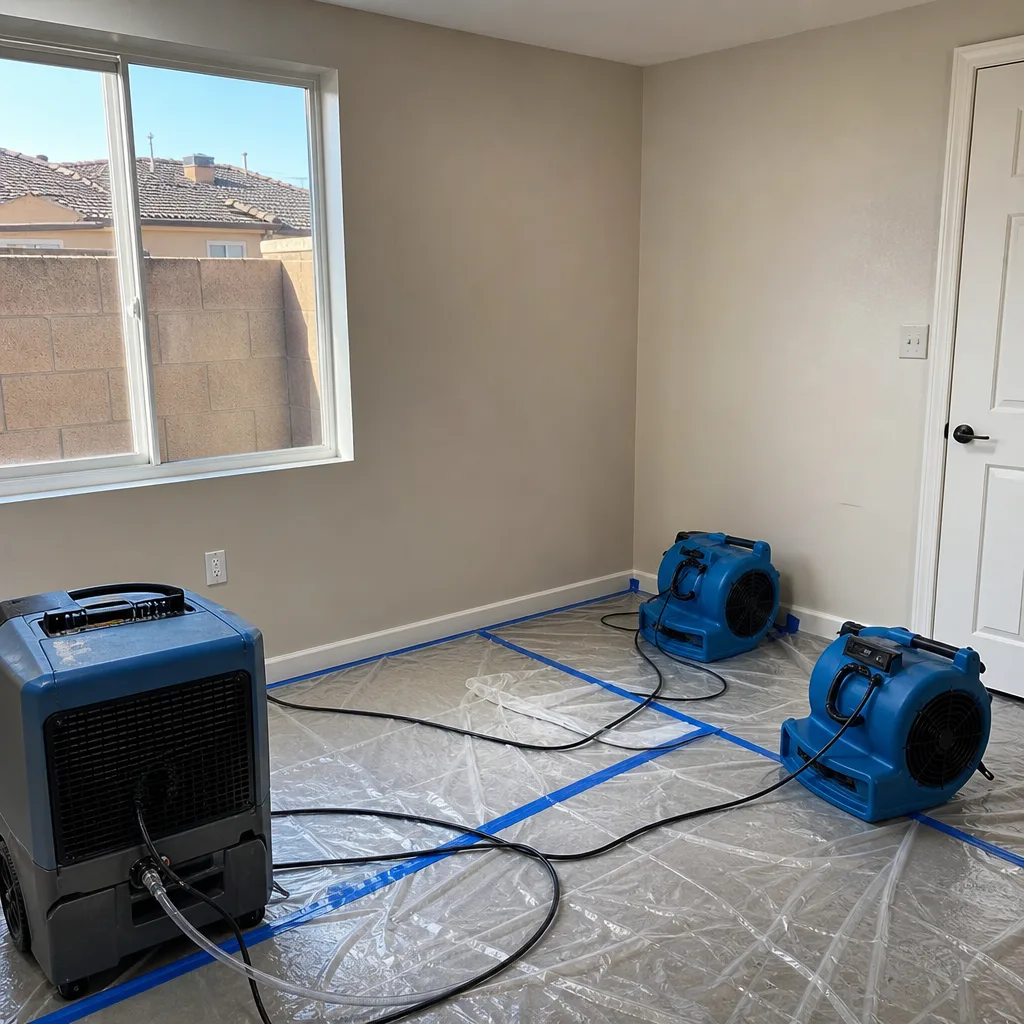 After
After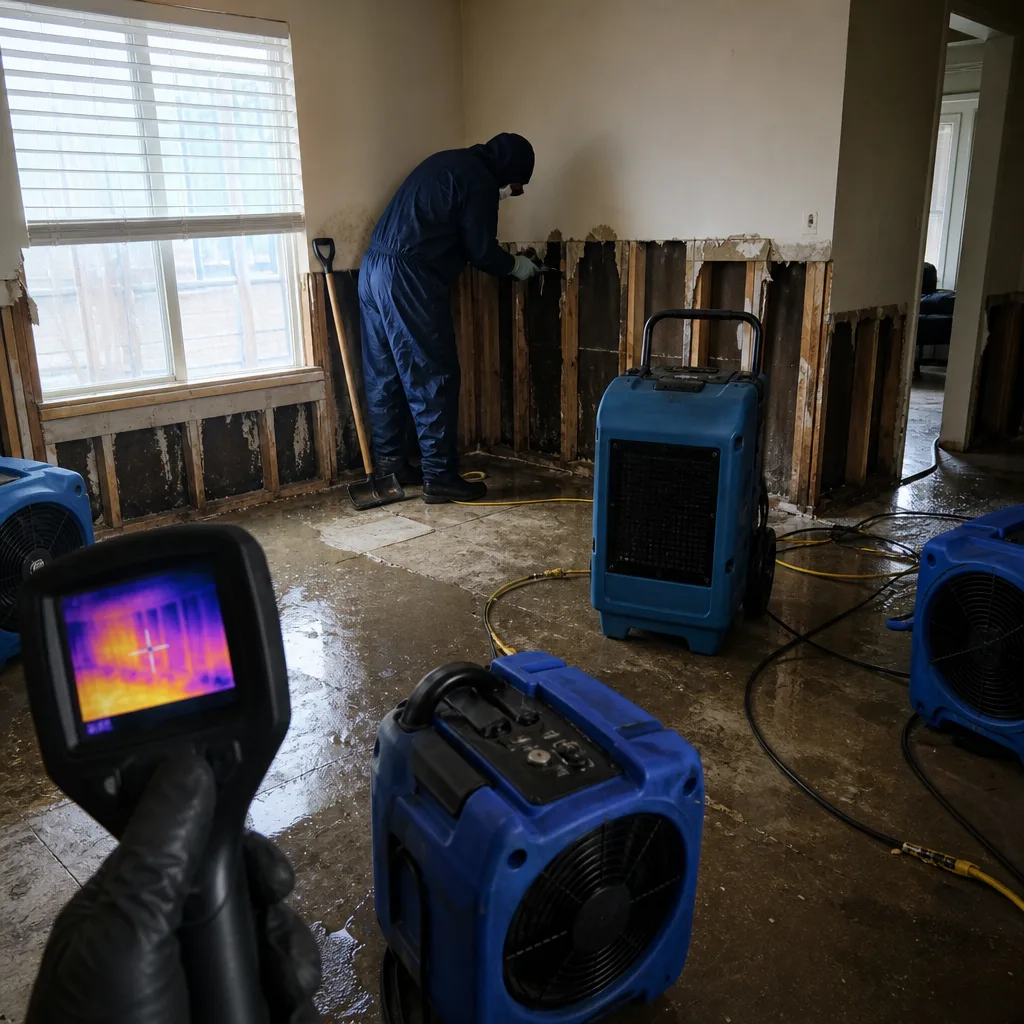 Before
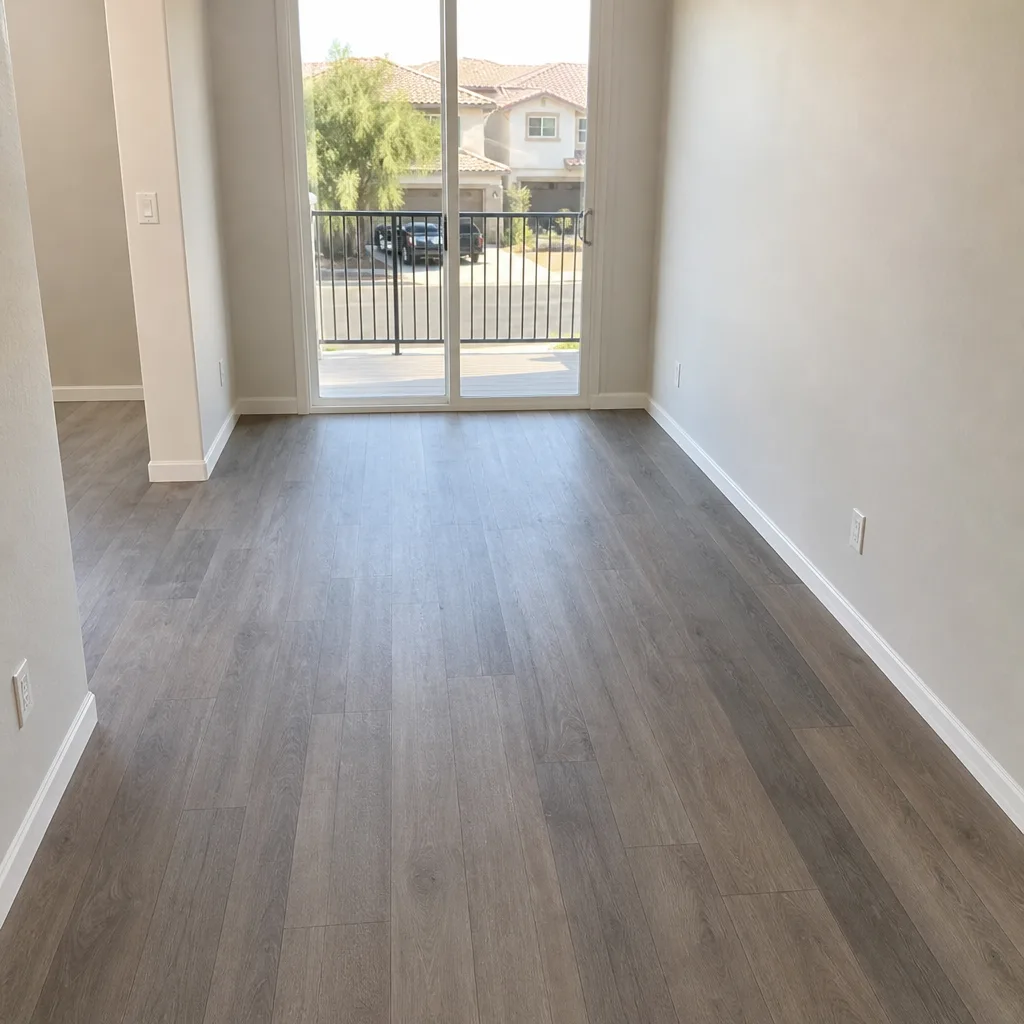 After
AfterDamage Restoration Permits, Codes & Inspections in NV: What You Need to Know
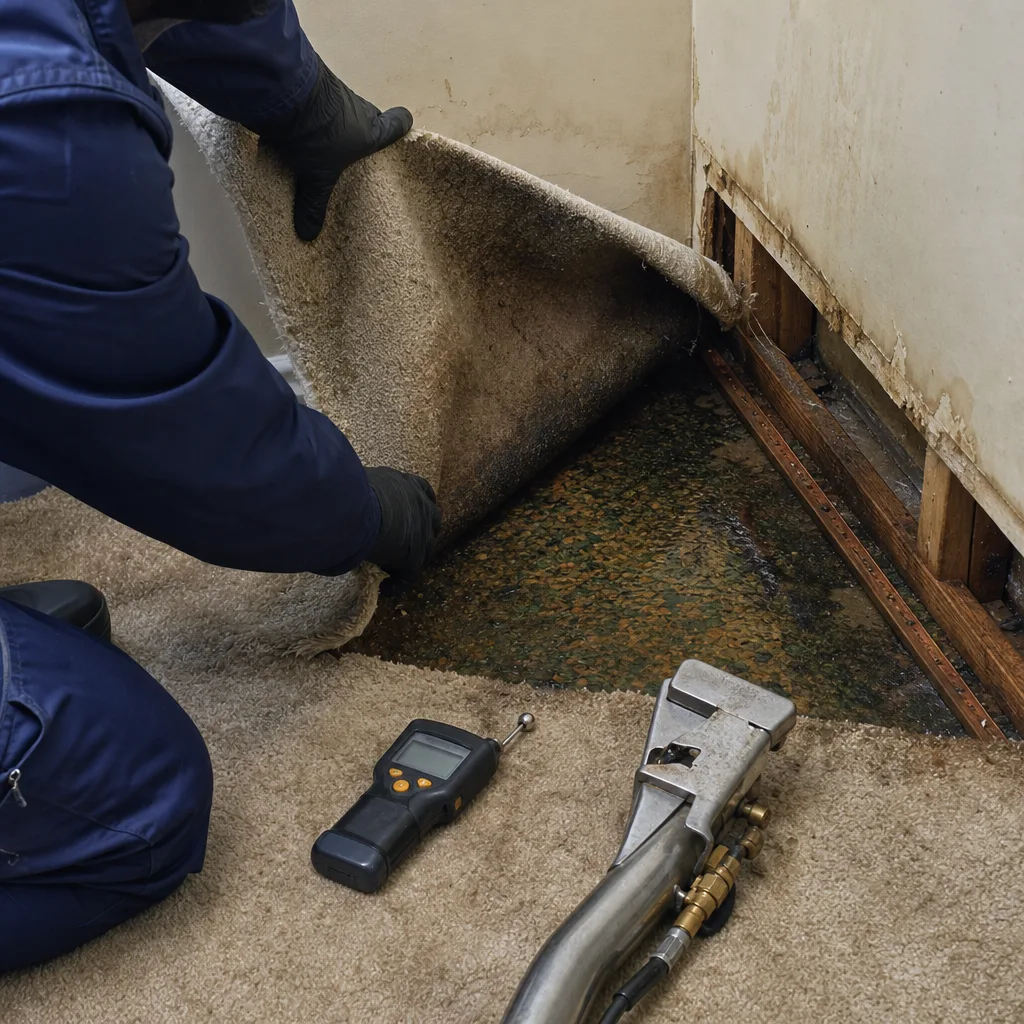
An unpermitted drywall replacement after a water loss doesn’t look like a code violation - until you’re at closing and the buyer’s inspector flags it, costing you either a price reduction or a delay while you retroactively permit work that’s already finished. In North Las Vegas, we’ve seen this scenario more often than homeowners expect. The Clark County building department processed over 4,500 residential correction permits last year, many for restoration work that seemed straightforward when it started. This guide maps exactly which restoration activities cross the permit threshold under Clark County and North Las Vegas municipal code, how to verify permits are closed, and what happens to your insurance claim when they’re not.
Quick Answer
Most structural repairs, electrical work, and mold remediation in North Las Vegas require permits under Clark County or city building codes, while cosmetic drying and cleaning typically do not. The critical distinction is whether the work alters structural members, exceeds 200 square feet of drywall replacement, or disturbs regulated materials. Unpermitted restoration work can void insurance coverage, trigger municipal fines, and block real estate transactions until corrected; our Damage Restoration Warning Signs: A North Las Vegas Homeowner’s Reference Guide covers how to spot these risks early.
Table of Contents
- When Restoration Work Requires a Permit in North Las Vegas
- Mold Remediation vs. Building Permits: Two Different Processes
- What “Like-for-Like Replacement” Means Under Clark County Code
- What Happens to Insurance Claims When Permits Are Missing
- How to Verify a Closed Permit: The Exact Lookup Process
- Inspection Timeline and Costs in North Las Vegas
- Common Mistakes to Avoid
- When to Call a Professional
 Before
 After
AfterWhen Restoration Work Requires a Permit in North Las Vegas
North Las Vegas sits within Clark County’s jurisdiction for building code enforcement, with the city maintaining its own permitting office for work within municipal boundaries. The threshold for permits isn’t always intuitive. A water damage restoration project that seems routine can cross into regulated territory quickly.
Here are the specific scope triggers that require a permit:
- Drywall replacement exceeding 200 square feet in a single room or 400 square feet cumulative across the dwelling. This threshold drops to 100 square feet if the drywall contains asbestos or was installed before 1990 in homes within the older neighborhoods near Las Vegas Boulevard and Carey Avenue.
- Structural member involvement: Any repair or replacement of load-bearing walls, ceiling joists, subflooring, or roof decking. In North Las Vegas, the 1950s-1970s ranch stock in neighborhoods like Vegas Heights and Highland frequently has compromised roof decking from decades of solar thermal cycling; replacement triggers structural inspection.
- Electrical exposure during demo: Opening walls where wiring runs, even for “temporary” disconnection, requires an electrical permit if circuits are modified, extended, or rerouted. This includes moving outlets, adding temporary lighting circuits, or replacing damaged junction boxes.
- HVAC system disturbance: Ductwork modification, register relocation, or air handler replacement after fire or water damage.
- Plumbing alteration: Anything beyond direct fixture replacement, including rerouting supply lines after a slab leak or replacing damaged drain lines.
- Water damage restoration in North Las Vegas that involves category 3 (sewage-contaminated) water requires both a plumbing permit for line replacement and environmental health clearance through the Southern Nevada Health District.
The climate factor matters here. North Las Vegas averages 294 days of sunshine annually with summer temperatures exceeding 110°F. That thermal load accelerates moisture migration in wall cavities after water losses. We’ve documented vapor pressure differentials exceeding 2.5 inches of mercury in July attic spaces, which means secondary damage spreads faster here than in cooler markets. Faster damage often means more extensive demolition, which more frequently crosses permit thresholds.
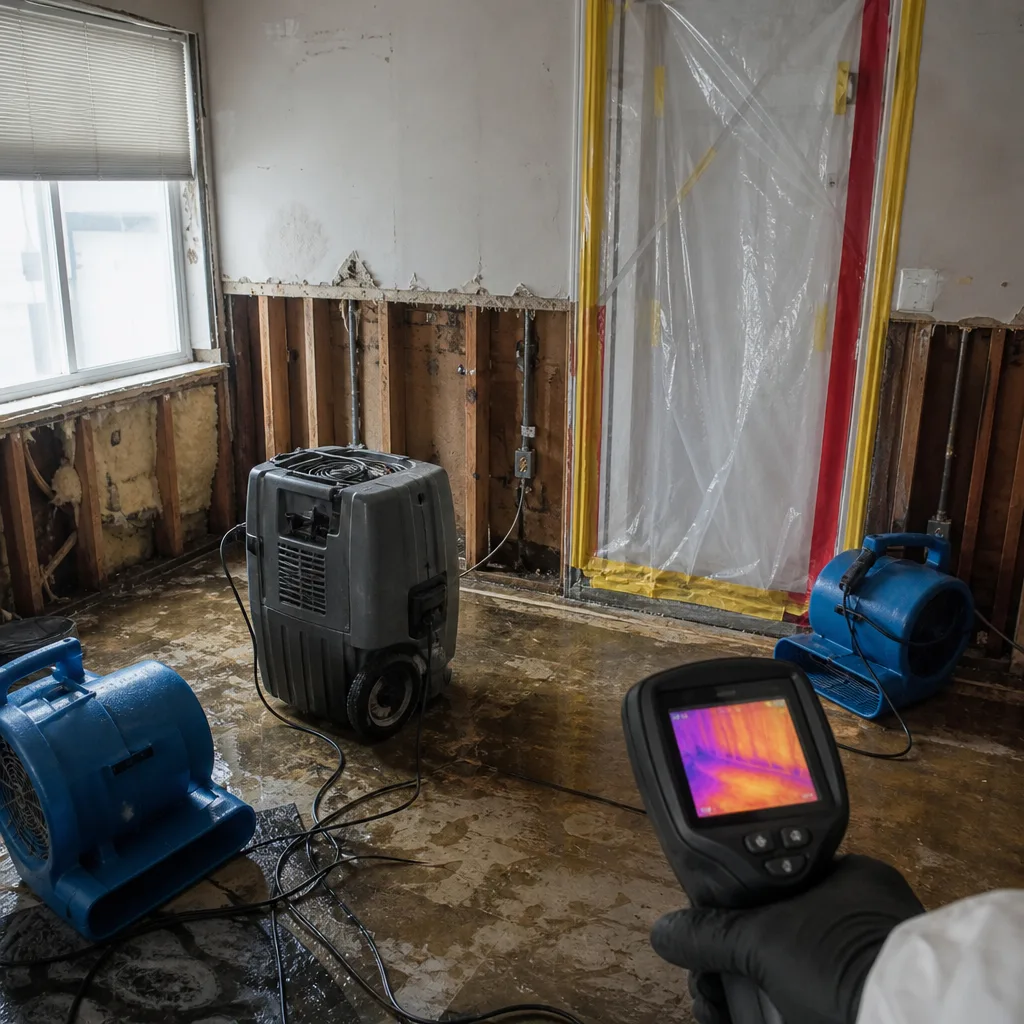
What typically does not require a permit: extraction of standing water, placement of professional-grade drying systems from Dri-Eaz or Phoenix, application of antimicrobial surface treatments, removal of non-structural finish materials under 200 square feet, and content cleaning. These are mitigation activities, not repairs.
Mold Remediation vs. Building Permits: Two Different Processes
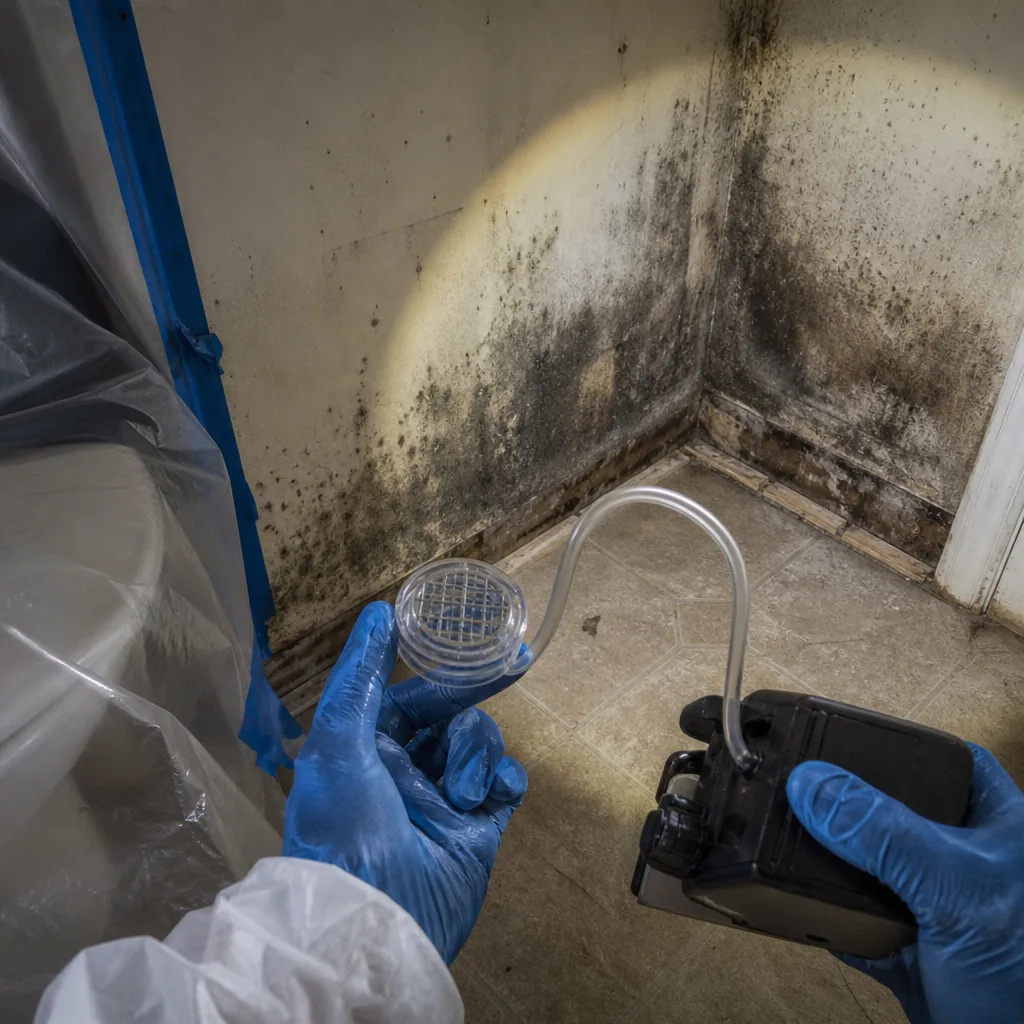
This distinction confuses nearly every homeowner we speak with in North Las Vegas, and it matters for your documentation.
Nevada Revised Statute 624 regulates mold remediation as a contractor activity. Any person performing mold remediation for compensation must hold a Nevada contractor’s license with the mold remediation classification (C-59 or equivalent specialty). This is a state licensing requirement enforced by the Nevada State Contractors Board, not a local permit. The contractor must follow EPA or IICRC S520 standards, produce a written remediation plan, and provide post-remediation verification.
The City of North Las Vegas building department does not issue “mold permits.” However, the structural repairs that follow remediation - drywall replacement, framing repair, HVAC duct replacement - absolutely do require building permits if they exceed the thresholds above. We’ve encountered dozens of jobs where a licensed mold remediator completed excellent work under NRS 624, but the subsequent rebuild was performed without permits because both the contractor and homeowner assumed the mold license covered everything.
The documentation trail should show:
- Mold remediation plan with containment specifications and air filtration device (AFD) placement
- Post-remediation clearance sampling with laboratory results
- Separate building permit for structural repairs, with inspection sign-offs
- Final occupancy or completion certificate from the city
In North Las Vegas, the older housing stock in areas near Lake Mead Boulevard and Civic Center Drive frequently contains vermiculite insulation or asbestos-containing texture coats. Disturbing these during mold remediation triggers additional NESHAP (National Emission Standards for Hazardous Air Pollutants) notification requirements through the Clark County Department of Air Quality, separate from and in addition to any building permit.
Mold remediation in North Las Vegas demands this dual-track compliance. A contractor who understands only the state mold licensing and ignores the local building permit pathway leaves you exposed at resale.
What “Like-for-Like Replacement” Means Under Clark County Code
Clark County code contains an exemption that restoration contractors frequently misapply. “Like-for-like replacement” allows replacement of damaged materials with identical or equivalent materials without a permit, provided no structural, electrical, plumbing, or mechanical systems are altered.
The critical limitations:
- Location must be identical: Moving a water-damaged kitchen to the opposite wall triggers full permitting, even with identical cabinets and fixtures.
- Dimensions must match: Replacing a 6-foot damaged wall section with 8 feet of drywall to accommodate a design preference exceeds like-for-like.
- Material must be equivalent, not upgraded: Substituting moisture-resistant purple board for standard white drywall after a water loss is functionally equivalent and typically permitted; upgrading to tile where drywall existed is not.
- No concealed spaces opened: If the replacement requires opening walls to access damage, and those walls contain electrical or plumbing, the exemption evaporates.
We’ve documented cases in North Las Vegas where restoration contractors interpreted “like-for-like” broadly to avoid permit delays, only to have the work flagged years later. In the Aliante and Eldorado neighborhoods, where home values have appreciated 40-60% since 2015, resale inspections are particularly rigorous. A $2,500 permit correction at closing can derail a transaction or force a $15,000 price reduction.
The Haven Standard, Clause 1 requires a written price before work begins on every job. Part of that written scope is explicit identification of which permit pathway applies, with permit costs itemized if required. We don’t bury permit fees in “miscellaneous” line items, and we don’t assume exemptions apply without verifying against the specific damage pattern.
What Happens to Insurance Claims When Permits Are Missing
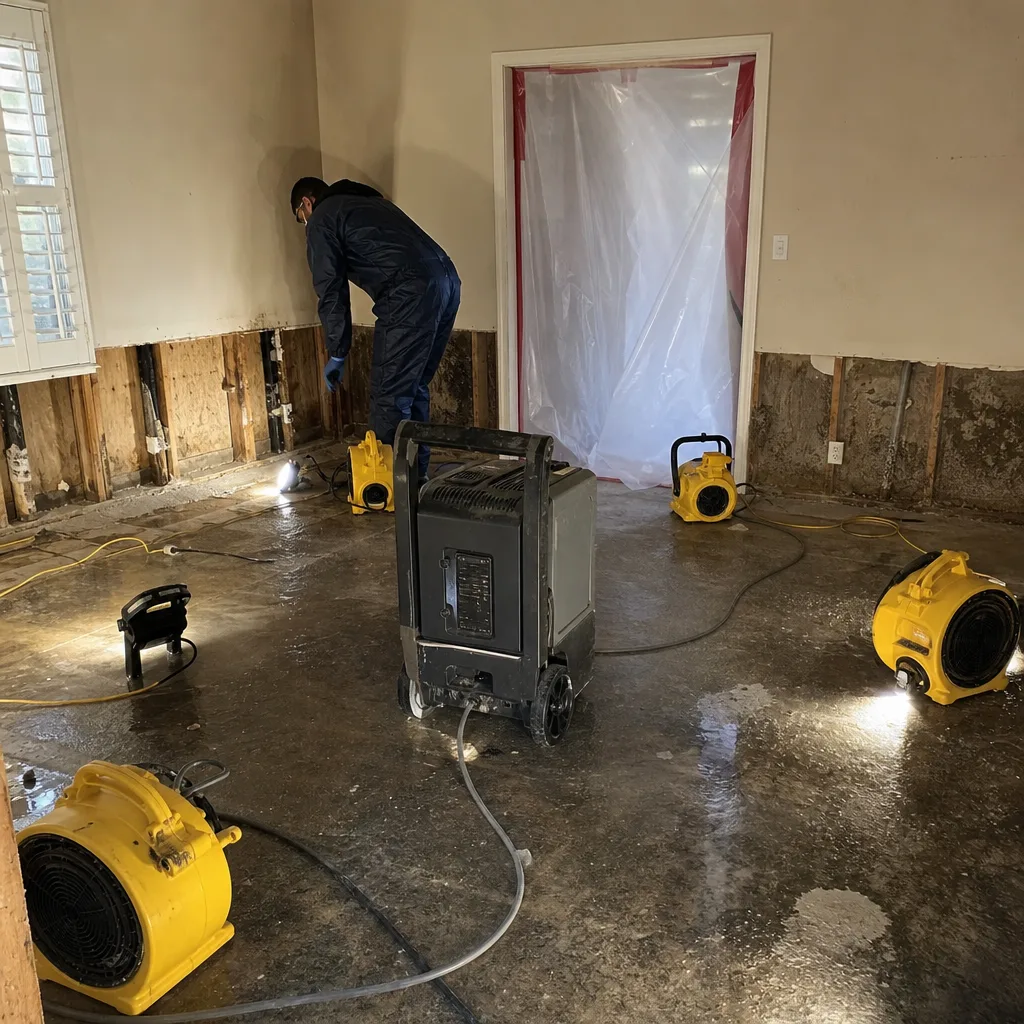
This is where the documentation-first approach pays for itself, or its absence costs everything.
Standard homeowners insurance policies contain a “compliance with law” clause. This provision states that the insurer has no obligation to cover loss or damage that results from violation of applicable laws or ordinances. Unpermitted restoration work that subsequently fails - leaks, mold recurrence, structural compromise - falls into this exclusion zone.
The carrier position breaks down in stages:
- Initial claim payment: Most carriers pay the mitigation and restoration invoice without verifying permits, particularly for emergency water extraction. The claim adjuster focuses on cause of loss and scope of damage, not municipal compliance.
- Supplemental or reopened claim: When the same area suffers subsequent damage - mold regrowth, drywall failure, electrical fault - the carrier investigates permit history. Discovery of unpermitted work shifts liability to the homeowner or restoration contractor.
- Subrogation exposure: If unpermitted work causes damage to neighboring properties, the carrier may deny coverage entirely and pursue the homeowner for indemnification.
- Resale title issues: Title insurance underwriters in Nevada increasingly require disclosure of unpermitted work. A known permit violation becomes a material defect that must be cured or disclosed, affecting marketability.
We’ve reviewed competitor estimates where permit costs were omitted to present a lower bid. The homeowner saves $800 upfront and risks a $40,000 coverage gap. Our written scopes include permit fees as a line item, with the municipal fee schedule cited. For fire and smoke damage restoration in North Las Vegas, where electrical and HVAC permits are nearly always required, this transparency prevents the coverage surprises that destroy claims.
The documentation we produce - photo records on every visit, drying logs with psychrometric data, written scopes with permit line items - becomes the evidence that the work was performed to code and insurable standard. That’s not marketing language. It’s the difference between a payable claim and a denied one.
How to Verify a Closed Permit: The Exact Lookup Process
A permit pulled but never closed is functionally equivalent to no permit at all. The city will show an open permit on the property record, which triggers the same title and resale complications as unpermitted work.
Here’s the exact process to verify permit status for any North Las Vegas property:
- Navigate to the Clark County Building Department online portal at clarkcountynv.gov. Select “Permit Search” from the main menu, then choose “North Las Vegas” as the jurisdiction filter.
- Search by property address. Use the full street address as it appears on the tax record, including directional prefixes (North, South, East, West) and unit numbers. The system is exact-match sensitive; “123 Main St” and “123 N Main St” return different results.
- Review the permit history. Each permit displays a status: Applied, Issued, In Review, Approved, or Final. “Final” indicates closed. “Approved” means work passed inspection but the permit was not administratively closed - contact the building department to request finalization.
- Request a Certificate of Completion or Occupancy for permits showing “Final” status. This document confirms all inspections passed and the permit is legally closed. Save it with your property records.
- For permits without final status, contact the original contractor to schedule outstanding inspections. If the contractor is unresponsive, the property owner can request a homeowner’s completion inspection by submitting a notarized affidavit and paying the re-inspection fee (typically $75-$150 in North Las Vegas).
We provide every DryMark Restoration North Las Vegas customer with the permit application number, inspection schedule, and final status confirmation as part of our standard deliverables. The photo record on every visit includes timestamped images of inspection placards posted at the property, creating an audit trail that survives contractor disputes or company closures.
For properties in unincorporated Clark County near the North Las Vegas boundary - areas like the corridor along Centennial Parkway or the industrial zones near Cheyenne Avenue - verify jurisdiction before searching. The city and county maintain separate permit databases, and searching the wrong one returns false negatives.
Inspection Timeline and Costs in North Las Vegas
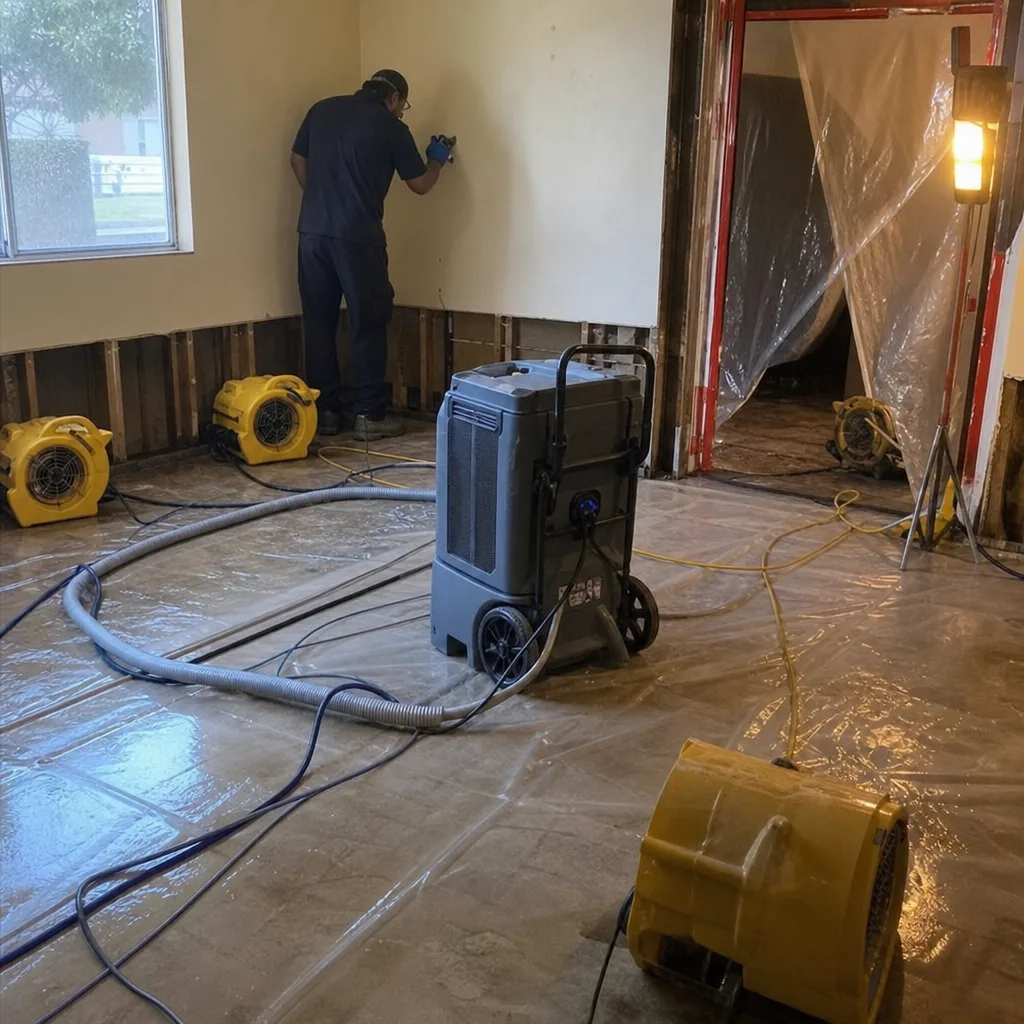
Permit timelines affect restoration scheduling, particularly for homeowners displaced by the damage. Understanding the sequence prevents unrealistic expectations.
Typical inspection sequence for water damage restoration with structural repair:
- Rough inspection: After framing and electrical/plumbing rough-in, before insulation and drywall. Typically scheduled 2-3 business days after request in North Las Vegas; peak summer months (June-August) extend to 4-5 days due to construction volume.
- Insulation inspection: Required if exterior walls are opened. Often combined with rough inspection if scheduled together.
- Drywall/nail inspection: After drywall hung but before taping. This is the critical moisture-content checkpoint; we provide our drying logs showing moisture readings at or below 16% for wood framing and 12% for gypsum, verified with Delmhorst or Tramex meters.
- Final inspection: After finish work complete. The inspector verifies code compliance, tests electrical and plumbing function, and signs the permit closed.
Permit and inspection fees in North Las Vegas (2024-2025 fee schedule):
- Building permit base fee: $85-$175 depending on valuation
- Electrical permit: $55 minimum plus $12 per circuit
- Plumbing permit: $65 minimum plus fixture count
- Re-inspection fee: $75 if work fails initial inspection
- After-hours inspection (requested for occupied properties): $150 surcharge
These fees are typically passed through to the homeowner as a permit line item in the restoration scope. Under Haven Standard, Clause 1, we itemize them in writing before work begins, with the municipal fee schedule cited. No scope-creep additions appear once the crew is inside.
The thermal climate affects inspection timing in ways specific to North Las Vegas. Summer attic temperatures exceed 140°F, making mid-day inspections hazardous and frequently rescheduled. We coordinate morning inspection windows and pre-cool work areas with portable climate control from B-Air and XPOWER equipment to keep inspectors safe and schedules intact.
Common Mistakes to Avoid
- Assuming the restoration contractor pulled all required permits. Verify independently through the city portal. We’ve encountered contractors who pulled a building permit but omitted electrical, or who pulled permits in Clark County for work actually in North Las Vegas city limits, creating jurisdictional voids.
- Accepting “the insurance company handles permits” as an answer. Carriers reimburse permit costs but do not pull permits on the homeowner’s behalf. The property owner or their contractor is the permit applicant of record.
- Completing work before permit issuance. North Las Vegas building code requires permits to be posted before work begins. Post-work permitting requires demolition of finish materials for inspector access, effectively redoing the work.
- Ignoring open permits from prior owners. Title searches in Nevada now flag permits open more than 180 days. A previous owner’s unclosed kitchen remodel permit can block your restoration permit until resolved.
- Failing to request final inspection. Some contractors consider work “done” when the last repair is complete, not when the permit is closed. The final inspection and certificate are what protect your resale value.
- Using unlicensed contractors for “small” jobs under permit thresholds. Nevada requires all construction work over $1,000 or any work requiring a permit to be performed by a licensed contractor. The threshold is cumulative, not per-visit.
When to Call a Professional
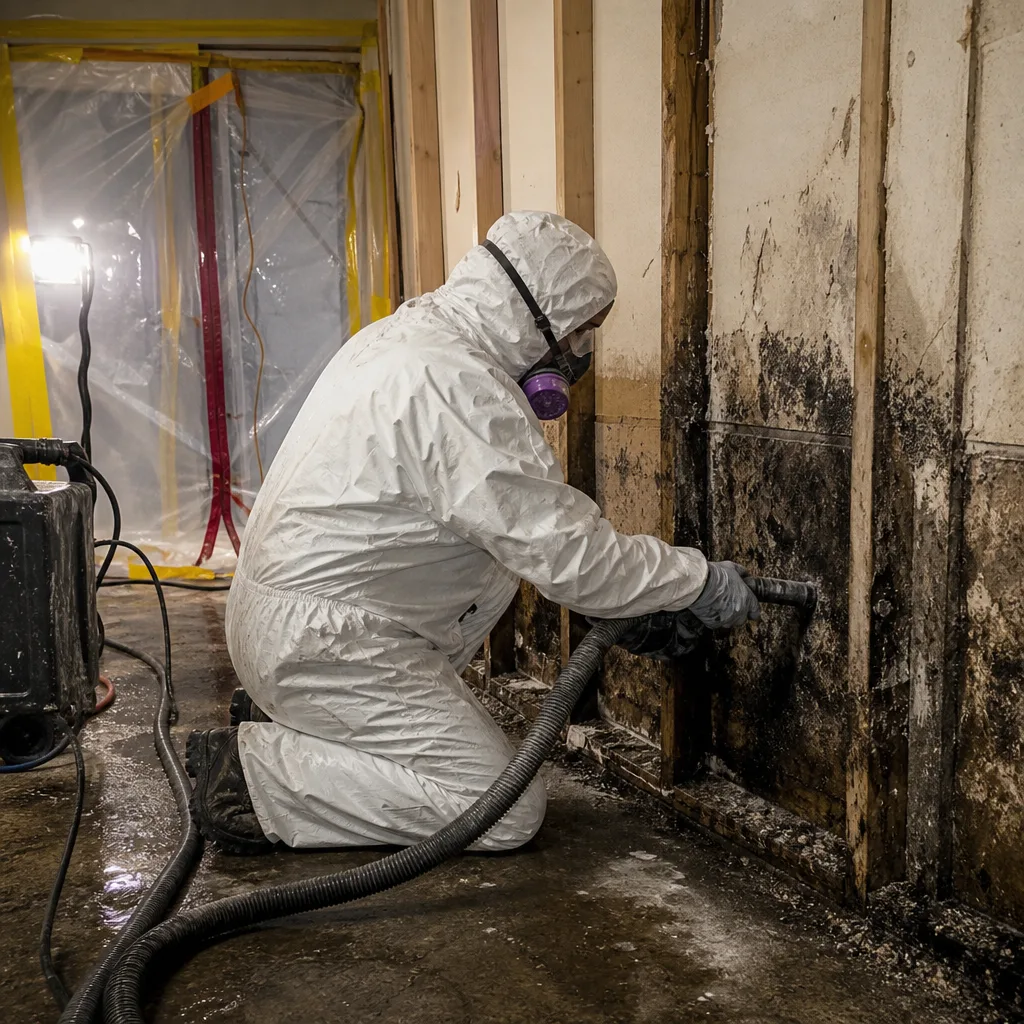
Call a licensed restoration contractor when your damage involves structural materials, electrical or plumbing systems, or exceeds 200 square feet of finish replacement. Call immediately if you discover mold growth exceeding 10 square feet, or if the water source was a sewage backup or exterior flooding. The permitting pathway is too complex to navigate retrospectively, and the cost of correction far exceeds the cost of compliance; see our DIY vs Professional Damage Restoration: The North Las Vegas Homeowner’s Decision Guide for help evaluating your options.
DryMark Restoration North Las Vegas offers free estimates in North Las Vegas. Every estimate includes a written permit assessment identifying which municipal approvals apply, with fees itemized under Haven Standard, Clause 1. Call (725) 726-3239 to schedule. We also provide a Free Second Opinion on any competitor’s written estimate - bring their scope and we’ll review permit compliance at no charge, as outlined in our How to Hire a Damage Restoration Contractor in North Las Vegas: A Step-by-Step Guide.
Frequently Asked Questions
Replacement of 200 square feet or less of drywall in a single room, with no structural, electrical, or plumbing involvement, typically does not require a permit under Clark County’s like-for-like exemption. Exceed that threshold or open walls containing utilities, and a building permit is required. Call (725) 726-3239 for an exact scope assessment - estimates are free.
A Nevada mold remediation license (NRS 624) is state-level contractor authorization to perform mold abatement; a building permit is municipal authorization to alter structures. A contractor can hold the mold license and still perform unpermitted structural repairs. Verify both credentials independently. We document both on every job and provide permit numbers in our written scope.
The initial mitigation payment typically proceeds regardless of permit status, but subsequent failure or damage from unpermitted work is commonly excluded under policy “compliance with law” clauses. Carriers increasingly verify permits on supplemental claims. We itemize permit costs in every written estimate to prevent this coverage gap.
Search the Clark County Building Department portal by property address, filter for North Las Vegas jurisdiction, and verify each permit shows “Final” status. Request a Certificate of Completion for your records. We provide final status confirmation as a standard deliverable on every permitted job.
Nevada law allows homeowners to act as their own contractor on their primary residence, but the work must still meet code and pass inspection. The owner assumes liability for code compliance and warranty obligations. For work involving electrical, plumbing, or structural elements, most insurers and future buyers prefer licensed contractor documentation.
Simple permits issue within 2-3 business days in North Las Vegas; complex projects requiring plan review take 10-14 business days. Inspection scheduling adds 2-5 days per phase. We coordinate permit submission concurrently with mitigation to minimize delay, and our 24-hour live dispatch means emergency extraction begins immediately while permits process for the rebuild phase.
The Bottom Line
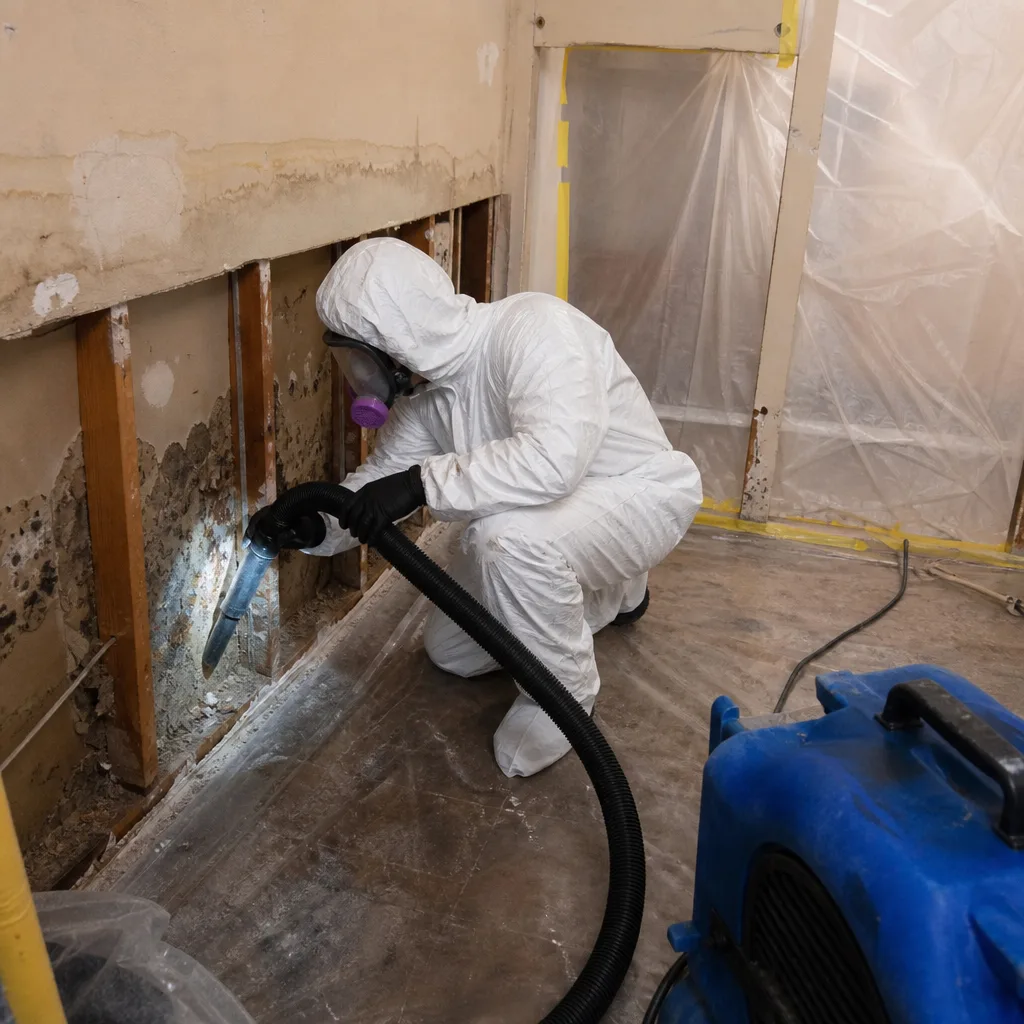
Permit compliance in North Las Vegas restoration isn’t bureaucratic overhead - it’s the documentation that makes your claim payable, your home saleable, and your repairs defensible. The threshold questions are simple: Does the work alter structure, systems, or more than 200 square feet of finish? If yes, permit. Verify independently, demand written confirmation of closed status, and keep certificates with your property records. The cost of a permit is predictable; the cost of its absence is not.
Written by Alicia Brennan, Owner at DryMark Restoration North Las Vegas, serving North Las Vegas since 2011.