
Last updated September 23, 2026
Free visual inspection and a written scope of work before any mitigation begins - photos, moisture readings, and drying logs go in your claim file
The scope we write is the scope we bill. Anything new gets shown to you, in writing, before we touch it.
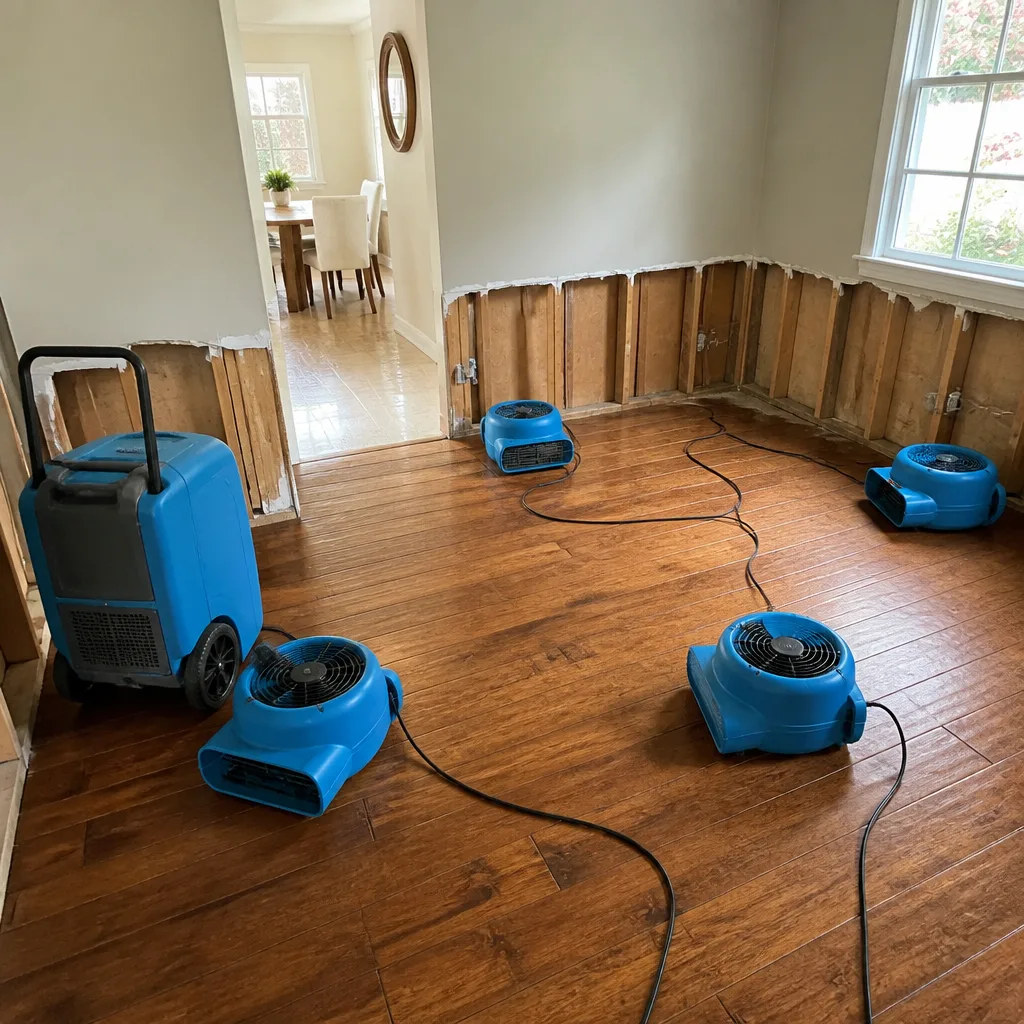
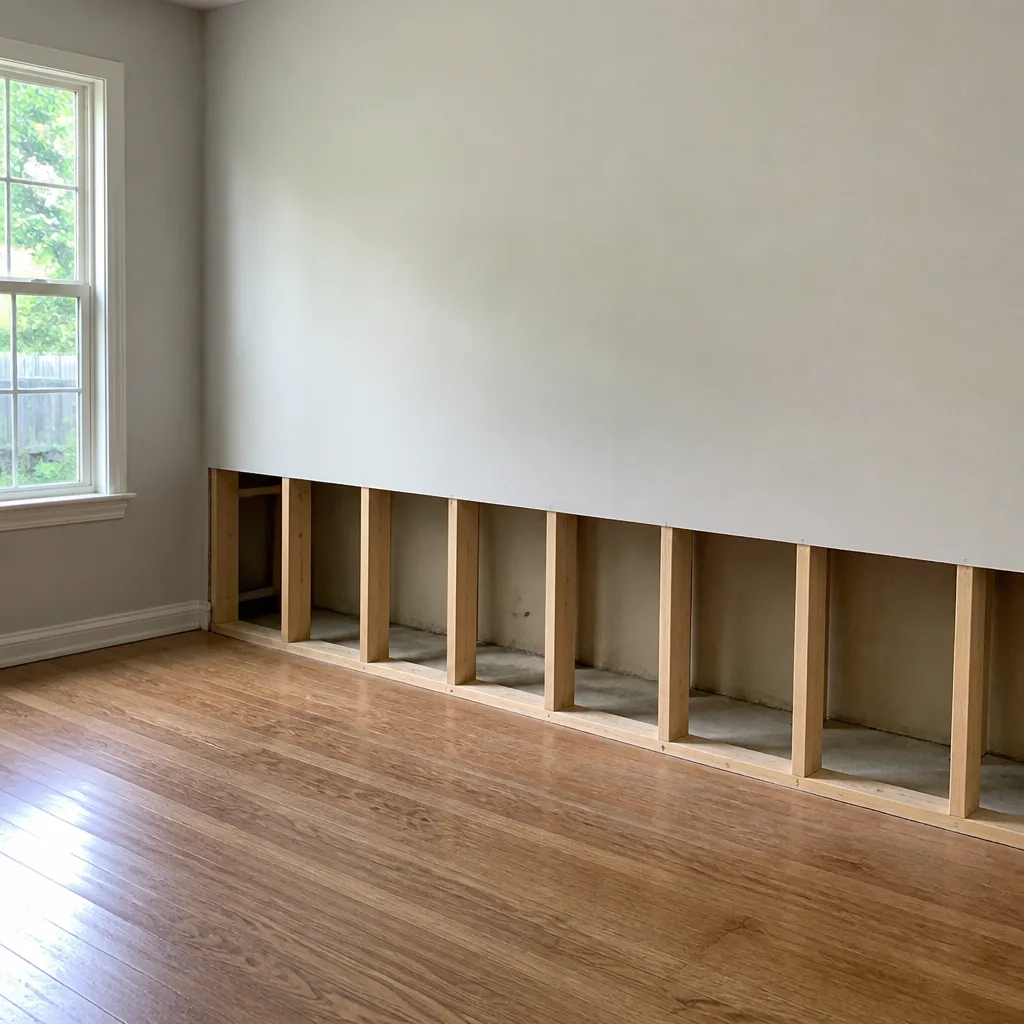
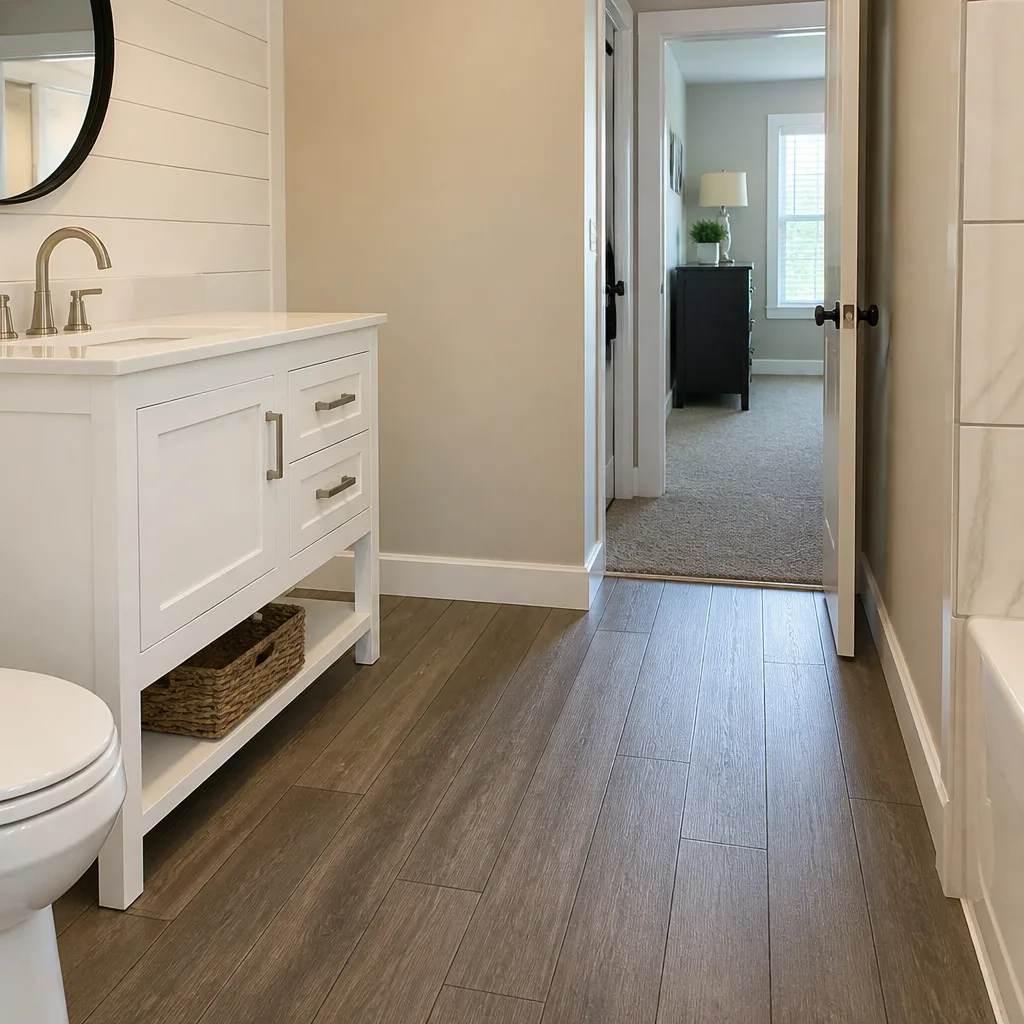
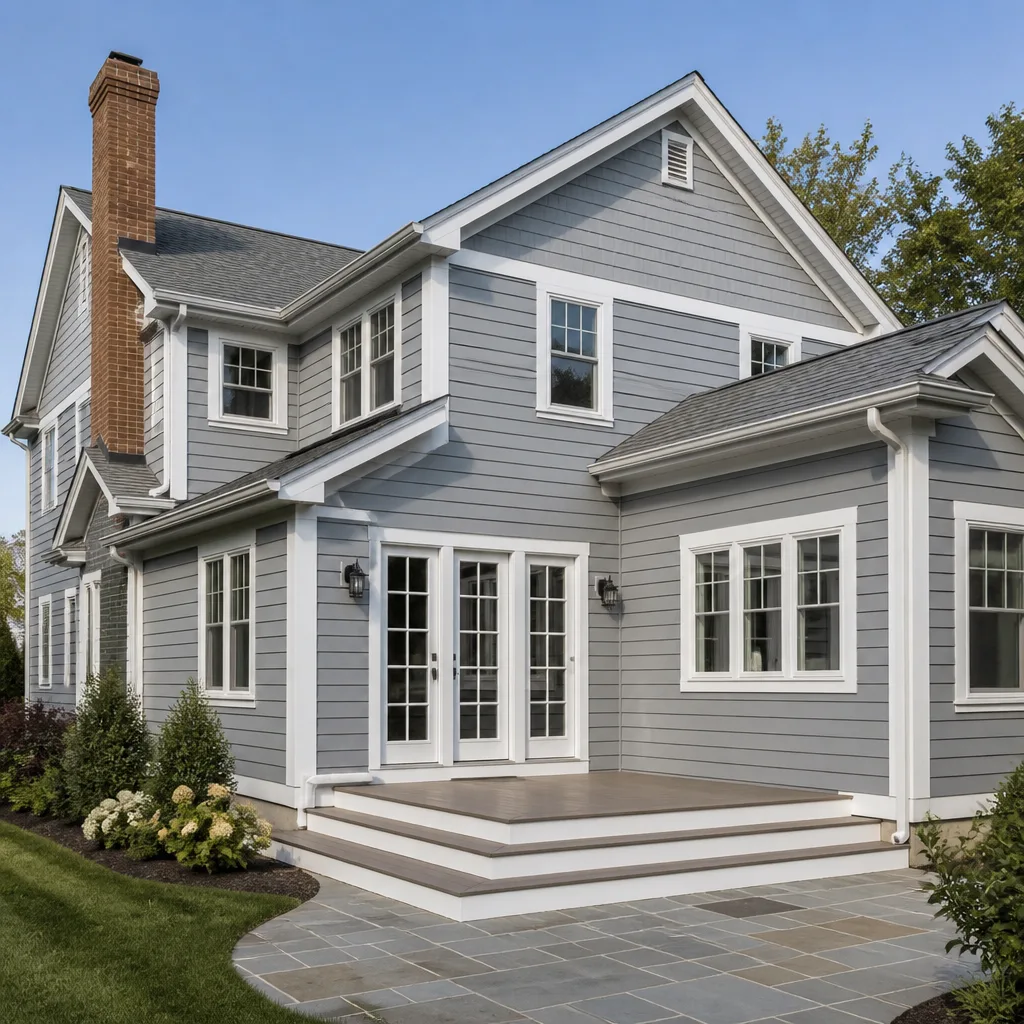
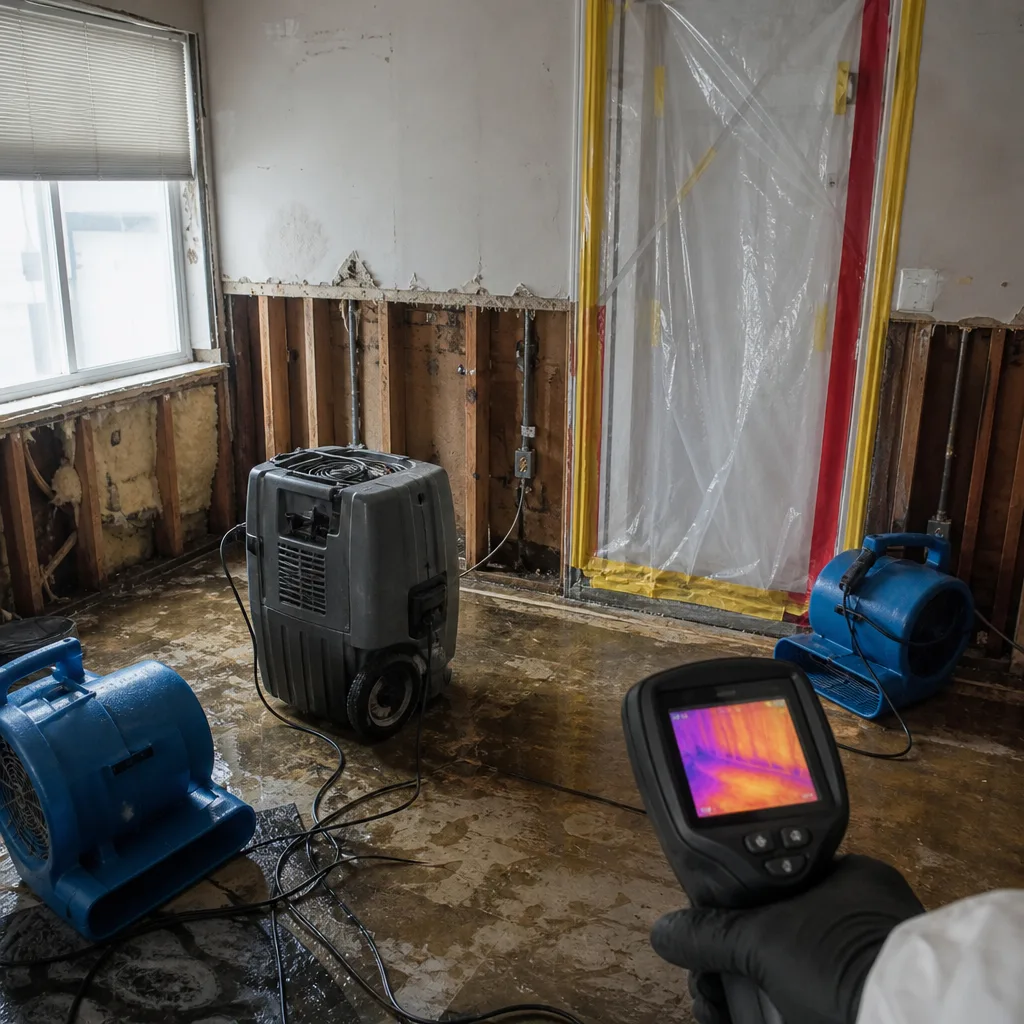 Before
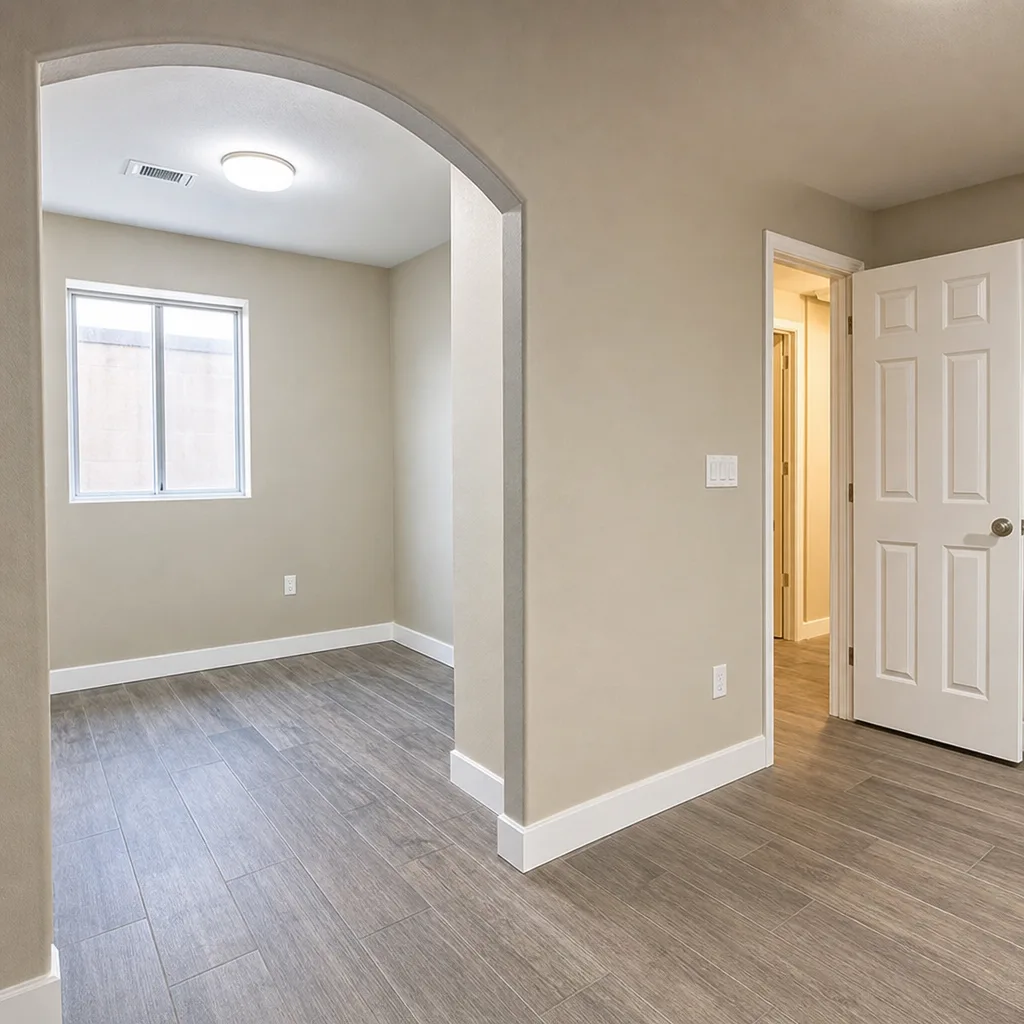 After
After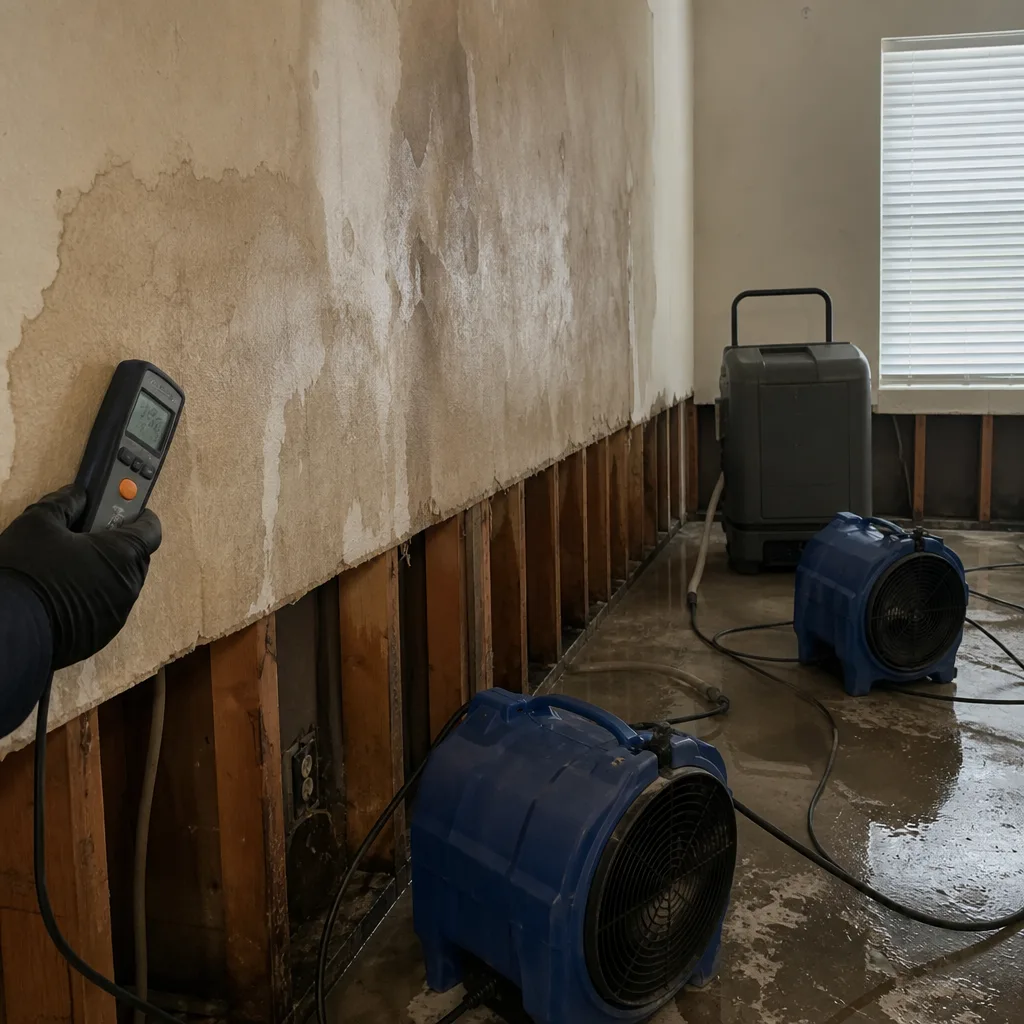 Before
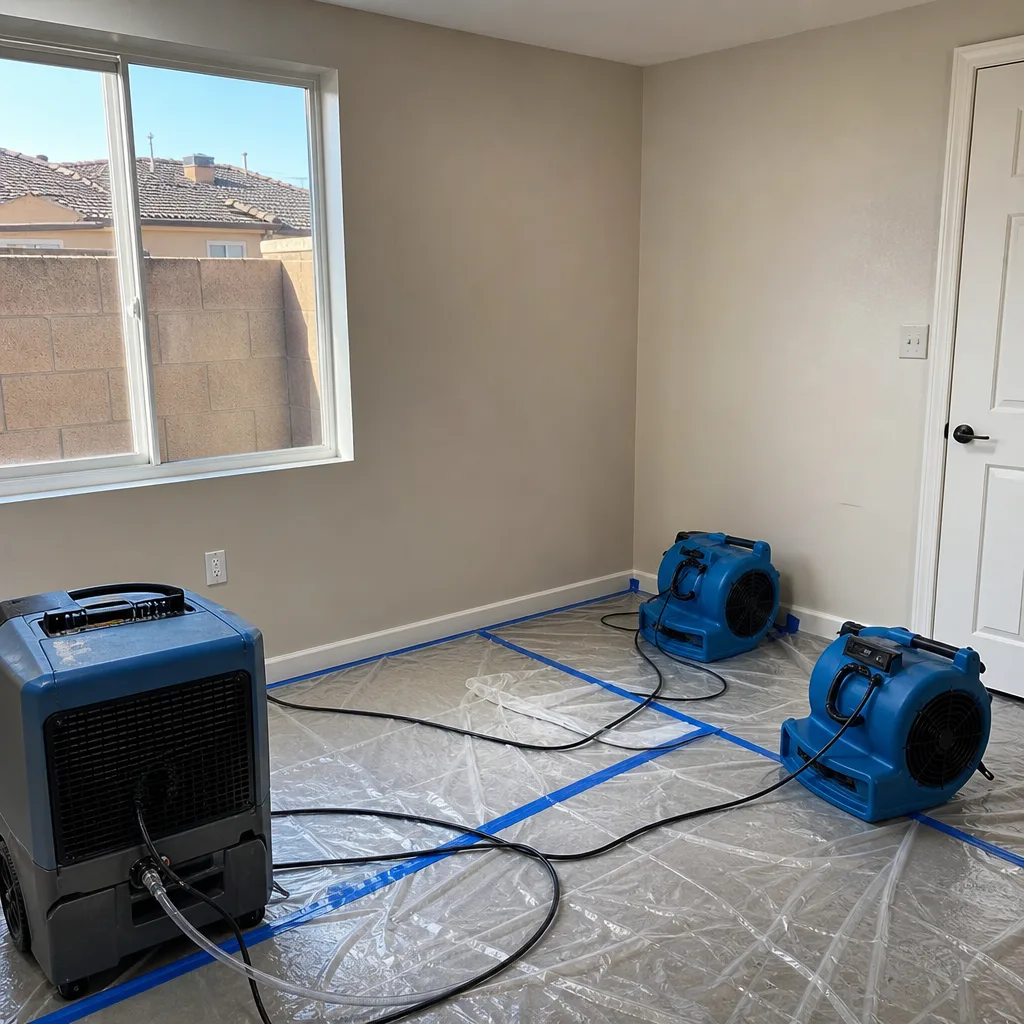 After
After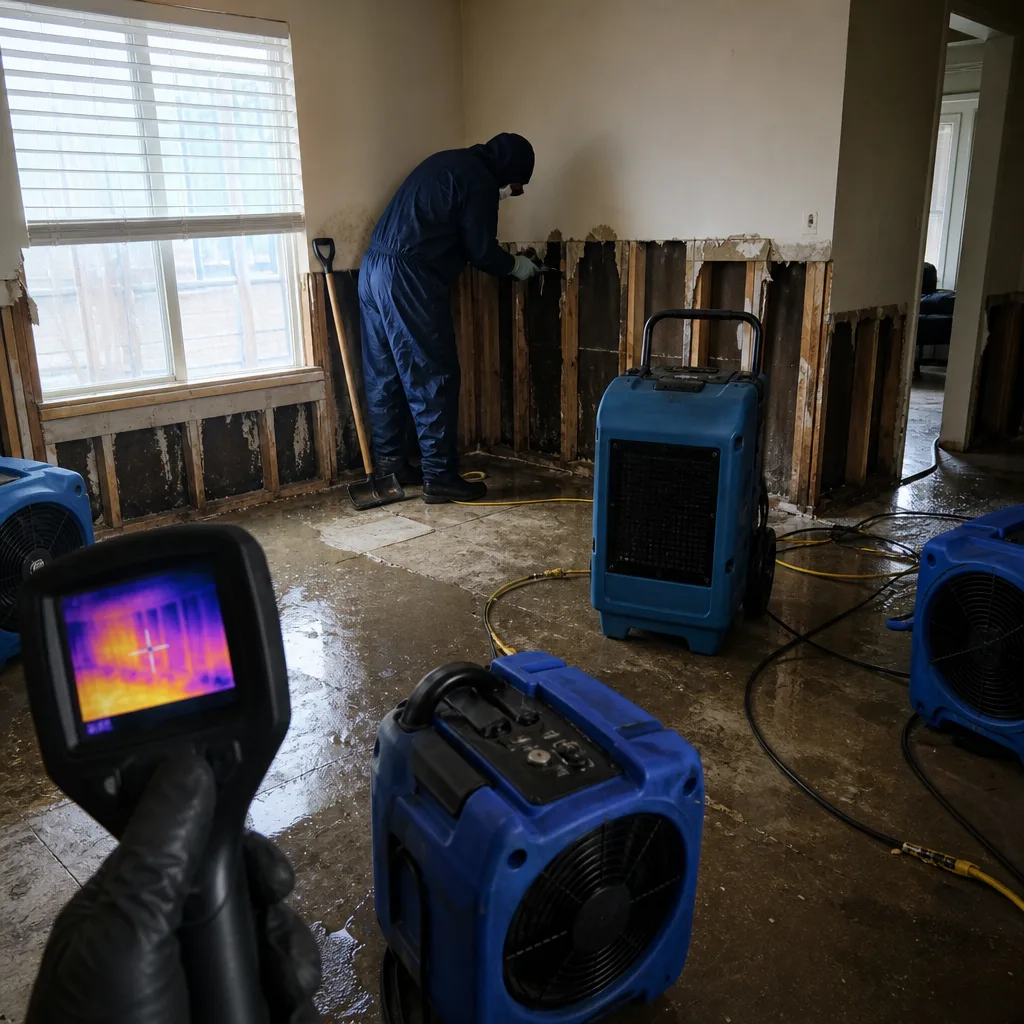 Before
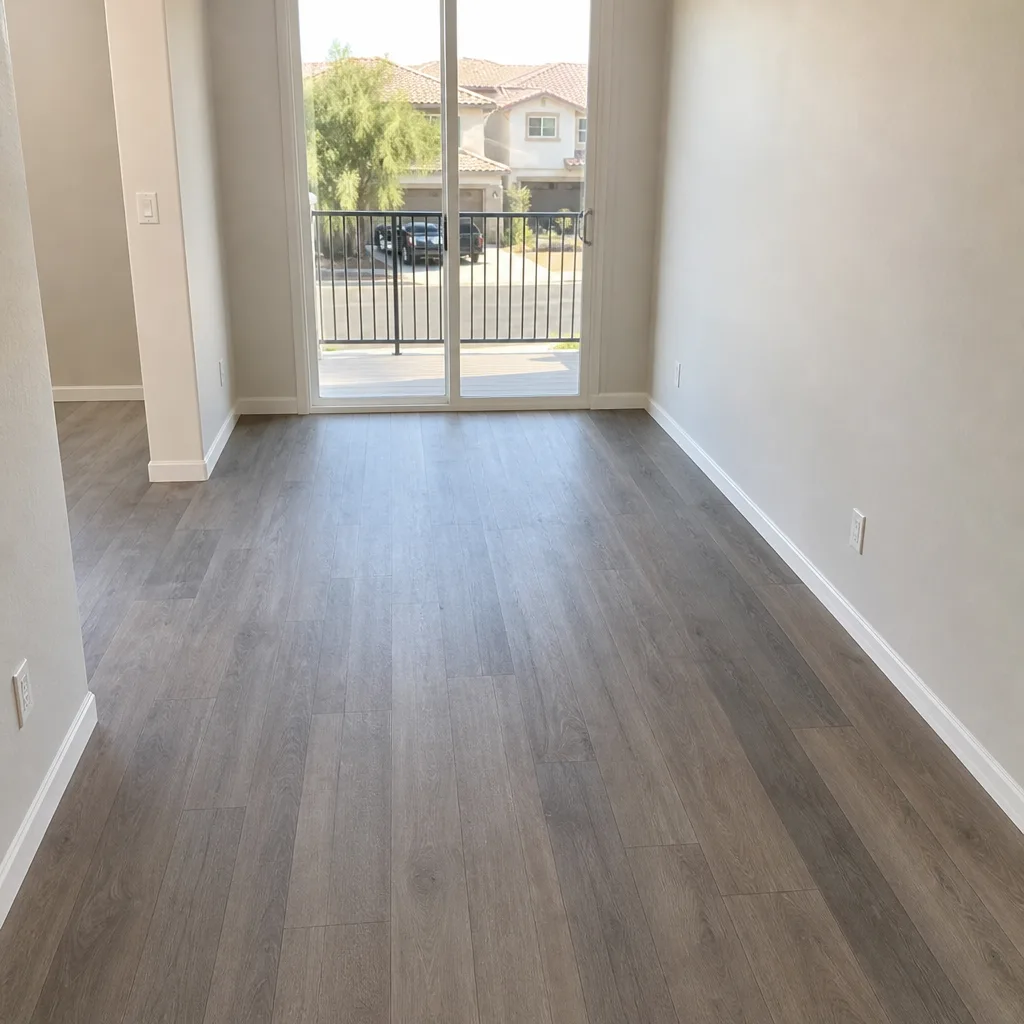 After
AfterDIY vs Professional Damage Restoration: The North Las Vegas Homeowner’s Decision Guide
A North Las Vegas homeowner who rents a dehumidifier and dries a flooded bathroom themselves can do the work correctly. But if they can’t produce daily grain depression readings that match IICRC S500 drying targets, their insurer may treat the structure as incompletely dried and deny the mold remediation claim six months later. We’ve seen this exact scenario in neighborhoods from Aliante to Eldorado, where a $400 DIY drying effort became a $14,000 out-of-pocket mold rebuild because the documentation didn’t exist. This guide draws the line based on what your claim requires, not on what you can physically do.
Quick Answer
Most North Las Vegas homeowners can handle surface cleaning, content removal, and cosmetic repairs after confirmed dryness. Professional restoration is required when water has penetrated structural cavities, when Category 2 or 3 contamination is present, or when insurance coverage depends on proving work met IICRC S500 standards through documented moisture logs and psychrometric data - which is why many homeowners follow a step-by-step guide to hiring a damage restoration contractor in North Las Vegas.
Table of Contents
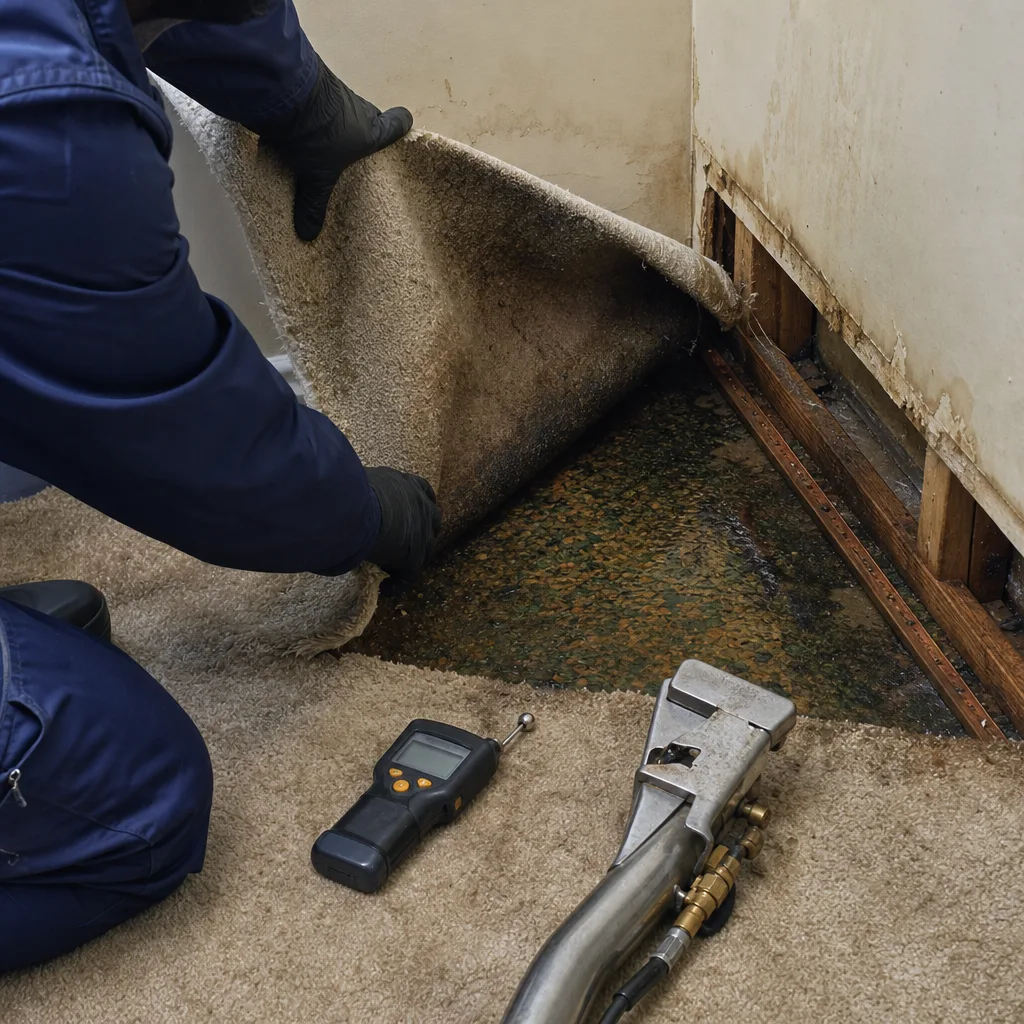
- The Insurance Documentation Gap: Why DIY Work Gets Denied
- IICRC S500 Requirements: What ‘Industry Standard’ Actually Means
- Water Damage Categories: Where DIY Crosses Into Liability
- North Las Vegas Climate: Why Desert Drying Deceives Homeowners
- DIY-Appropriate Tasks vs. Metered-Verification Work
- How to Document DIY Mitigation So It’s Defensible
- Cost Comparison: Real Numbers for North Las Vegas
- Common Mistakes to Avoid
- When to Call a Professional
- Frequently Asked Questions
 Before
 After
AfterThe Insurance Documentation Gap: Why DIY Work Gets Denied
The restoration industry has a documentation problem, and it doesn’t favor the homeowner who tries to save money.
Every major homeowner’s policy in Nevada contains language requiring that mitigation work be “reasonable and necessary” and performed to “industry standard.” Adjusters interpret this through the lens of IICRC S500, the standard reference guide for water damage restoration. The standard isn’t about whether the wall feels dry. It’s about provable, measured, documented dryness.
Here’s where DIY efforts fail in claims:
- No drying goal calculation: IICRC S500 requires establishing a target equilibrium moisture content (EMC) for each affected material based on local conditions. A homeowner with a moisture meter from a hardware store rarely knows the EMC for 5/8″ drywall in North Las Vegas’s 15% average relative humidity.
- No psychrometric logging: The standard requires daily recording of temperature, relative humidity, and specific humidity to calculate grain depression - the actual driver of evaporation. Without this, an adjuster cannot verify that drying conditions were maintained.
- No equipment verification: Professional drying uses LGR (low-grain refrigerant) dehumidifiers from Dri-Eaz or Phoenix that achieve specific grain depression targets. Consumer dehumidifiers from big-box stores don’t reach the same performance thresholds, and there’s no documentation to prove they did.
- No photo record with metadata: Adjusters increasingly require timestamped, geotagged photos of each phase. Phone photos without structured logging don’t meet this threshold.
We founded DryMark Restoration North Las Vegas home in 2011 specifically because Alicia Brennan, our owner, spent years as a claims adjuster watching homeowners lose legitimate coverage over documentation gaps. The 12,000+ homes we’ve restored since then all share one feature: a written price before work started, and a documented record when we left. That record is what turns a restoration invoice into a payable claim.
The practical risk isn’t that your DIY work was bad. It’s that your DIY work was unprovable. And in insurance, unprovable means deniable.
IICRC S500 Requirements: What ‘Industry Standard’ Actually Means
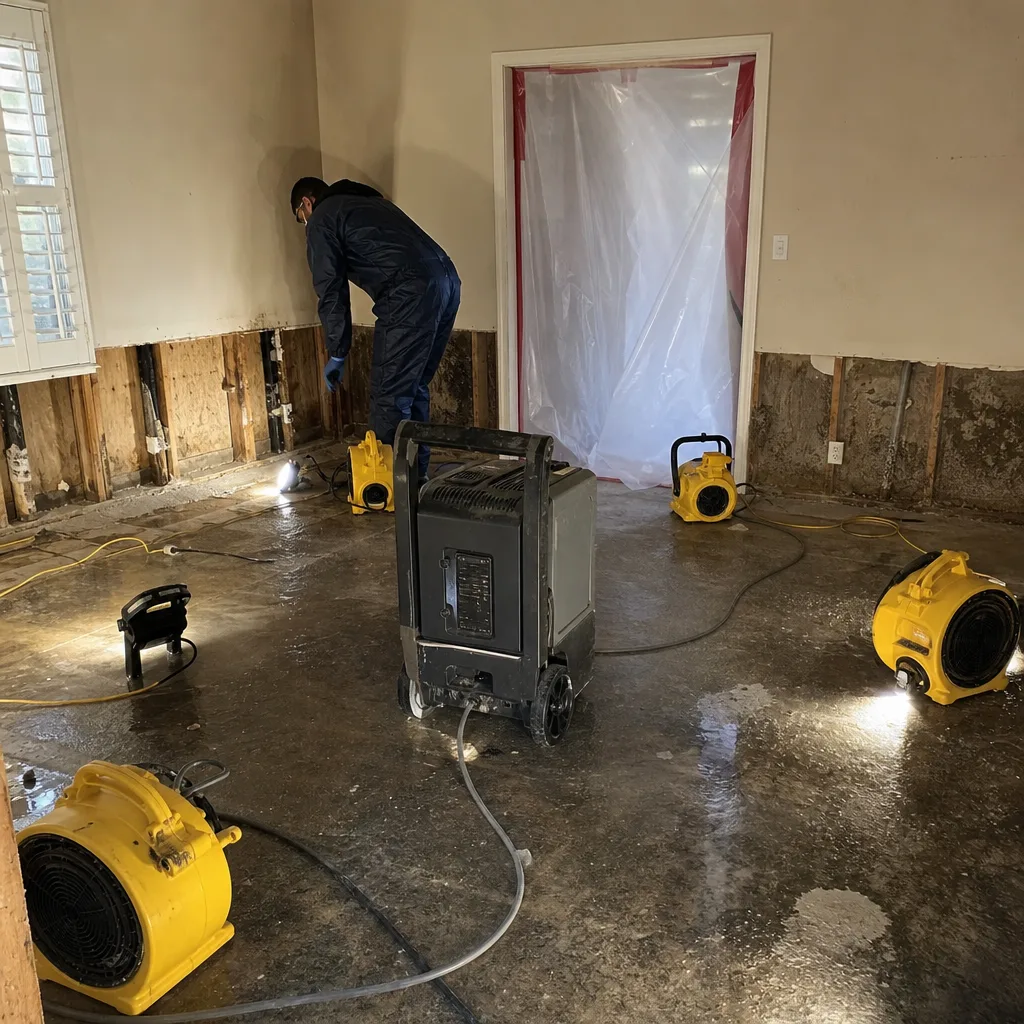
IICRC S500 isn’t a suggestion. It’s the reference standard that Nevada courts and insurance appraisers use to determine whether water damage mitigation was performed competently. Understanding what it actually requires helps you decide whether your situation is DIY-appropriate.
The standard organizes restoration into four phases, each with specific documentation requirements:
- Inspection and pre-loss assessment: Document the water category, migration pattern, and affected materials. Requires moisture mapping with penetrating and non-penetrating meters, recorded on a floor plan or sketch with square footage calculations.
- Establishment of drying goals: Calculate target moisture content for each material based on regional equilibrium moisture content. In North Las Vegas, EMC for wood framing typically runs 6-9%, significantly lower than coastal markets. Drying to “feels dry” often means stopping at 15-18% - well above the threshold for mold growth.
- Implementation and monitoring: Deploy professional-grade drying equipment - air movers from XPOWER or B-Air, LGR dehumidifiers from Dri-Eaz or Phoenix - and record psychrometric data daily. The standard requires adjusting equipment placement based on vapor pressure differential, which measures how aggressively moisture is moving from materials to air.
- Verification of dryness: Confirm materials have reached drying goals with calibrated meters. Document readings by location, meter model, serial number, and date. This is the record that protects your claim.
Tertiary drying - the final phase where bound moisture is removed from deep within materials - is where most DIY efforts fail. Surface dryness is easy to achieve in North Las Vegas’s arid climate. Structural dryness requires sustained vapor pressure differential that consumer equipment rarely maintains.
Psychrometric data, for those unfamiliar, is simply the measurement of air’s capacity to hold moisture. We measure it daily because it’s the only way to prove the drying environment was controlled, not just hopeful.
Water Damage Categories: Where DIY Crosses Into Liability
Not all water is equal, and the category determines whether DIY work is merely risky or actively dangerous.
Category 1: Clean Water
Originates from a sanitary source - broken supply line, overflowing sink, rainwater intrusion. This is the only category where limited DIY mitigation is potentially appropriate, and only when:
- The water contacted only clean, non-porous surfaces
- Structural cavities were not penetrated
- Drying begins within 24 hours
- You can document all four S500 phases
Even Category 1 degrades. After 48 hours, clean water becomes Category 2. In North Las Vegas’s summer heat, that timeline compresses - one reason we recommend seasonal damage restoration care for North Las Vegas homeowners. We’ve responded to Aliante homes where a supply line leak on Friday evening became a Category 2 contamination by Sunday morning because the homeowner waited to “see if it dried out.”
Category 2: Gray Water
Contains significant contamination - dishwasher discharge, washing machine overflow, sump pump failures. DIY mitigation of Category 2 water violates Nevada health codes for waste handling and creates personal liability if occupants later become ill. The NRS 444A requirements for gray water disposal are specific and not homeowner-friendly.
Category 3: Black Water
Sewage, seawater, rising surface water, or water from beyond the trap. This requires full PPE, contained egress, and documented decontamination per IICRC S500 and OSHA 29 CFR 1910.1200. DIY Category 3 work isn’t just inadvisable - it’s a health hazard that can void your policy’s liability coverage if someone is injured or sickened.
Our Water Damage Restoration in North Las Vegas page details how we handle each category with the documentation your adjuster needs.
North Las Vegas Climate: Why Desert Drying Deceives Homeowners
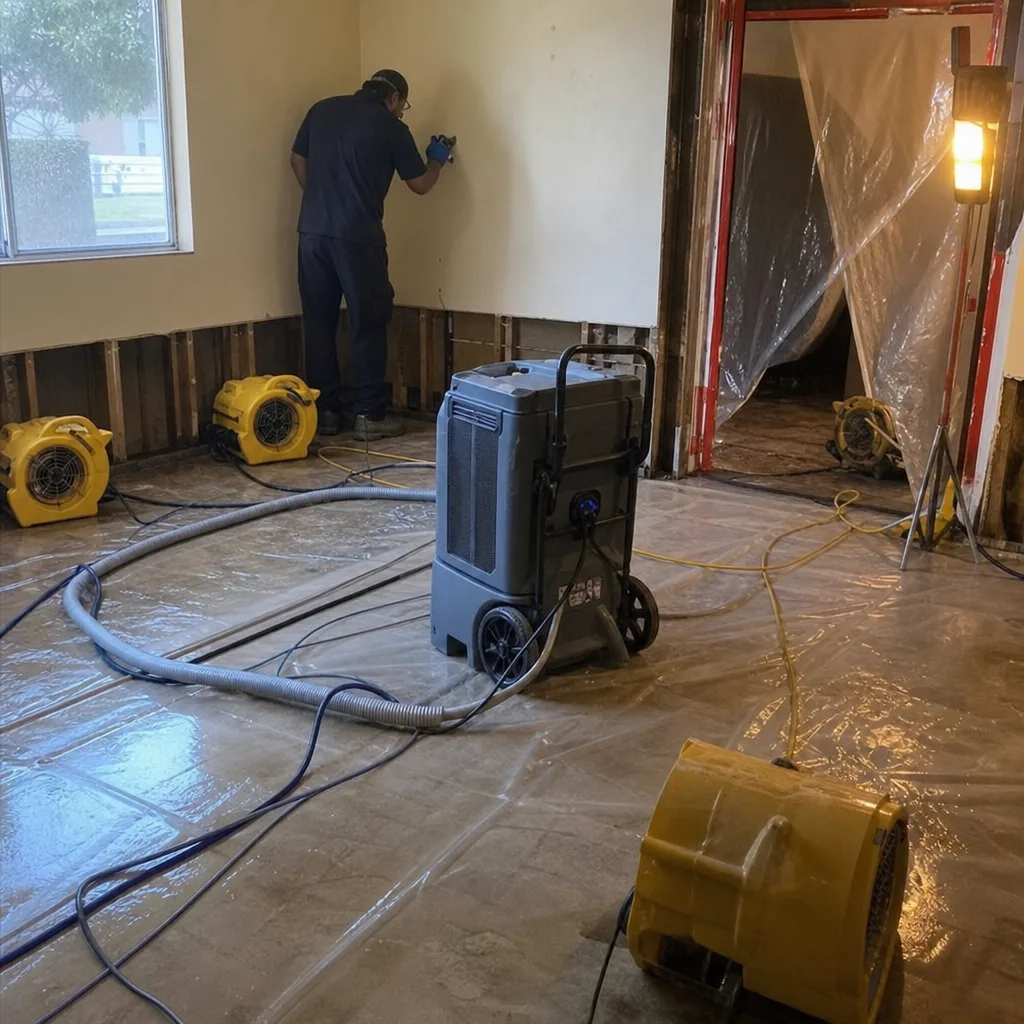
North Las Vegas’s climate creates a specific trap for DIY restorers. The low relative humidity - often 10-20% in summer - makes surfaces feel dry almost immediately. This is deceptive. Surface evaporation happens quickly. Structural drying does not.
The phenomenon is called “shell drying.” The exterior layer of drywall or wood reaches ambient moisture content while the interior remains wet. A homeowner touching a wall in a Centennial Hills home on Tuesday might feel confident. A penetrating meter on Thursday would show 18% moisture at the stud bay, well above the 10% threshold where mold colonizes.
North Las Vegas’s specific challenges include:
- Extreme diurnal temperature swings: Summer days hit 110°F, nights drop to 80°F. This temperature cycling drives moisture deeper into materials through condensation and re-evaporation patterns that consumer equipment can’t track.
- Stucco and EIFS construction: Common in North Las Vegas homes built 2010-2020, these exterior finishes trap moisture in wall cavities. The wall feels dry outside; inside, the OSB sheathing is degrading.
- Slab-on-grade foundations: Water wicks through concrete at rates that vary dramatically based on soil composition. The clay-heavy soils in parts of North Las Vegas slow wicking, creating extended moisture reservoirs that surface readings miss entirely.
- Monsoon intrusions: July-August storm patterns drive rapid humidity spikes. A drying project that looked stable on Monday can reverse on Wednesday when outdoor grains per pound jump 30%.
Professional drying accounts for these variables through continuous psychrometric monitoring. Our crews adjust equipment daily based on actual readings, not weather forecasts. In the Eldorado area, we’ve documented cases where removing equipment 48 hours “early” based on surface feel cost homeowners $8,000 in secondary mold remediation.
DIY-Appropriate Tasks vs. Metered-Verification Work
The DIY-professional boundary isn’t a single line. It’s a gradient based on whether the task requires documented verification to protect your claim.
Genuinely Homeowner-Appropriate (No Metered Verification Required)
- Content pack-out and inventory: Removing salvageable items, photographing condition, creating a room-by-room list for your adjuster
- Surface cleaning after confirmed dryness: Washing non-porous surfaces with appropriate cleaners once moisture readings verify materials are below threshold
- Cosmetic repairs: Painting, baseboard replacement, flooring installation after the substrate is documented dry
- Initial water extraction with a wet/dry vacuum: Removing standing water from hard surfaces, provided this happens within the first few hours of a Category 1 event
- Installing containment barriers: Plastic sheeting to isolate unaffected areas, though proper negative air setup requires professional equipment
Requires Professional Metered Verification
- Any work inside wall cavities, ceiling plenums, or subfloor spaces
- Drying of structural materials: studs, joists, sheathing, concrete
- Category 2 or 3 water mitigation of any scope
- Mold remediation beyond 10 square feet of visible growth (Nevada’s threshold for professional remediation requirements)
- Fire and smoke damage restoration: Fire & Smoke Damage Restoration in North Las Vegas requires specialized cleaning agents and documentation of pre- and post-cleaning conditions
- Any work where insurance coverage is anticipated
The key distinction: if your insurer might ask “how do you know it was dry?” the work requires professional documentation. Mold Remediation in North Las Vegas is particularly documentation-sensitive because mold claims are among the most contested in the industry. A homeowner who self-remediates mold without air sampling and clearance documentation faces near-certain claim denial if mold recurs.
How to Document DIY Mitigation So It’s Defensible
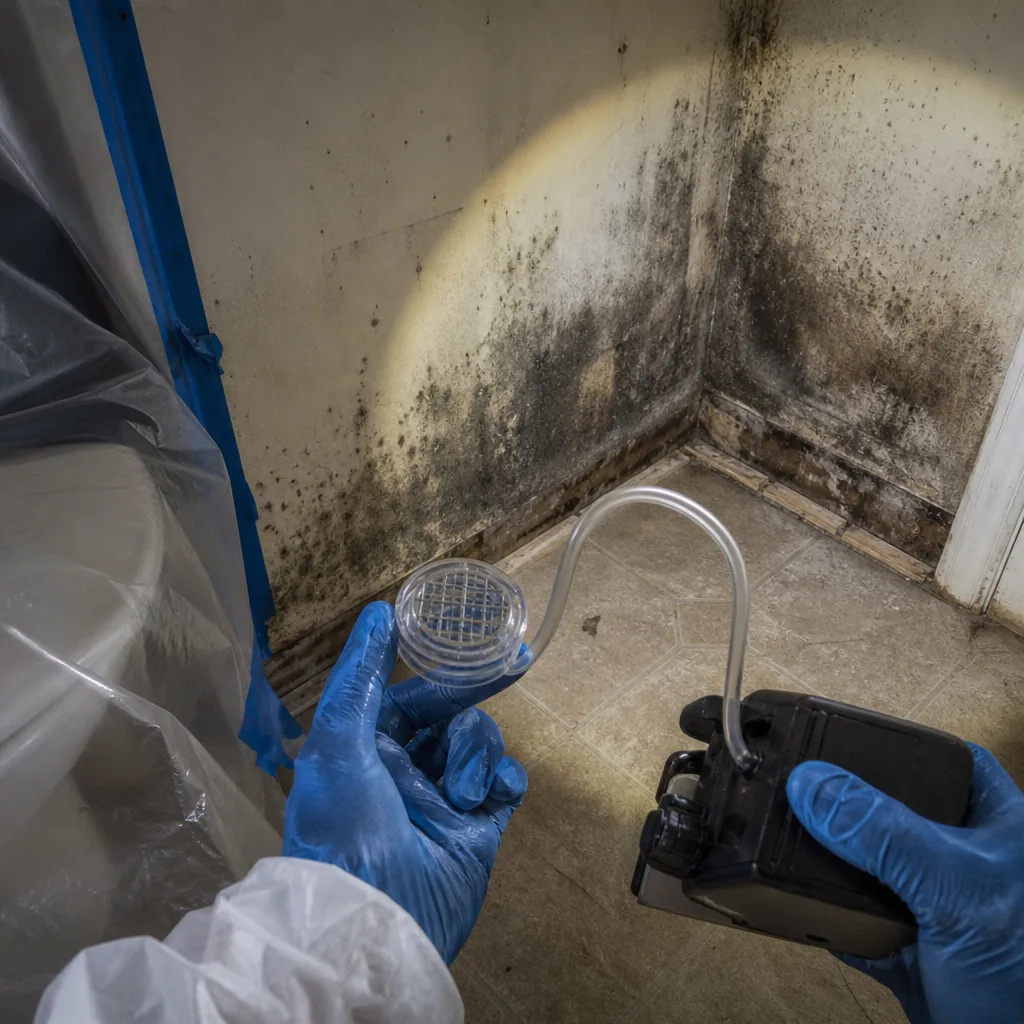
If you choose DIY for a genuinely appropriate Category 1 situation, documentation is your only protection. Here’s how to produce records that might survive adjuster review.
Step 1: Establish baseline conditions
Photograph everything before touching anything. Timestamp and geotag enabled. Capture:
- Source of water and migration pattern
- All affected materials and contents
- Room dimensions and affected square footage
- Adjacent unaffected areas for comparison
Step 2: Map moisture with professional-grade equipment
Rent or purchase a penetrating moisture meter (Protimeter Surveymaster or equivalent) and a thermo-hygrometer. A water damage restoration maintenance checklist for North Las Vegas homeowners can help you track what to record:
- Meter make, model, and serial number
- Calibration date or verification against known dry material
- Reading locations mapped to a floor plan sketch
- Reading depth (surface vs. deep penetration)
Step 3: Calculate drying goals
Research equilibrium moisture content for your specific materials in North Las Vegas’s climate. The USDA Wood Handbook provides EMC tables by temperature and relative humidity. For drywall, target 0.5% or less above the reading from an unaffected area of the same wall.
Step 4: Log daily psychrometric data
Record at the same time daily:
- Air temperature at three locations in the affected area
- Relative humidity at those same locations
- Specific humidity or grains per pound (use a psychrometric chart or app)
- Equipment running: dehumidifier model, CFM rating, pint capacity
- Air movers: count, position, direction
Step 5: Verify and document dryness
Continue until all materials reach drying goals for three consecutive days. Photograph final readings with meter display visible. Create a summary table: location, initial reading, daily readings, final reading, date.
Step 6: Preserve records
Store digital copies in three locations. Paper copies in a fireproof container. These records are your only evidence if secondary damage appears later.
The reality: this documentation burden is why most homeowners find that professional mitigation costs less in time and risk than DIY, even before insurance complications. At DryMark Restoration North Las Vegas, this documentation is standard on every job, produced by technicians trained to IICRC, RIA, and IFA standards.
Cost Comparison: Real Numbers for North Las Vegas
Pricing transparency matters. Here’s what DIY and professional mitigation actually cost in the North Las Vegas market, based on typical 2024-2025 rates for a single-family home with Category 1 water affecting one room and adjacent wall cavity.
DIY Approach
- Consumer dehumidifier rental (7 days): $280-$350
- Wet/dry vacuum rental: $45-$65
- Moisture meter purchase: $180-$320
- Air movers (2-3 units, rental): $120-$180
- Cleaning supplies, PPE, containment materials: $150-$250
- Your time: 15-25 hours over 5-7 days
- Total direct cost: $775-$1,165 plus time
Hidden DIY costs (if documentation fails)
- Secondary mold remediation: $3,500-$8,500
- Claim denial for secondary damage: full rebuild cost
- Structural repair if drying was incomplete: $2,000-$15,000+
Professional Mitigation (DryMark Restoration North Las Vegas)
- Written price before work begins: Haven Standard, Clause 1
- Typical Category 1, single room with wall cavity: $1,800-$3,200
- Includes: moisture mapping, professional-grade Dri-Eaz/Phoenix drying equipment, daily psychrometric logging, photo documentation, verification of dryness, direct adjuster coordination
- 365-Day Done Right Promise: if it’s not done right, we make it right
- Free Second Opinion on any competitor’s written estimate
The professional cost includes the documentation that protects your claim. The DIY cost excludes it. When we provide a written price at DryMark Restoration North Las Vegas, it includes every element required for insurer acceptance - no scope-creep additions once our crew is inside your home.
For North Las Vegas homeowners in neighborhoods like Aliante, Eldorado, or Centennial Hills, where home values often exceed $400,000, the professional premium is typically 0.4-0.8% of home value to protect against a claim denial that could cost 10-20%.
Common Mistakes to Avoid
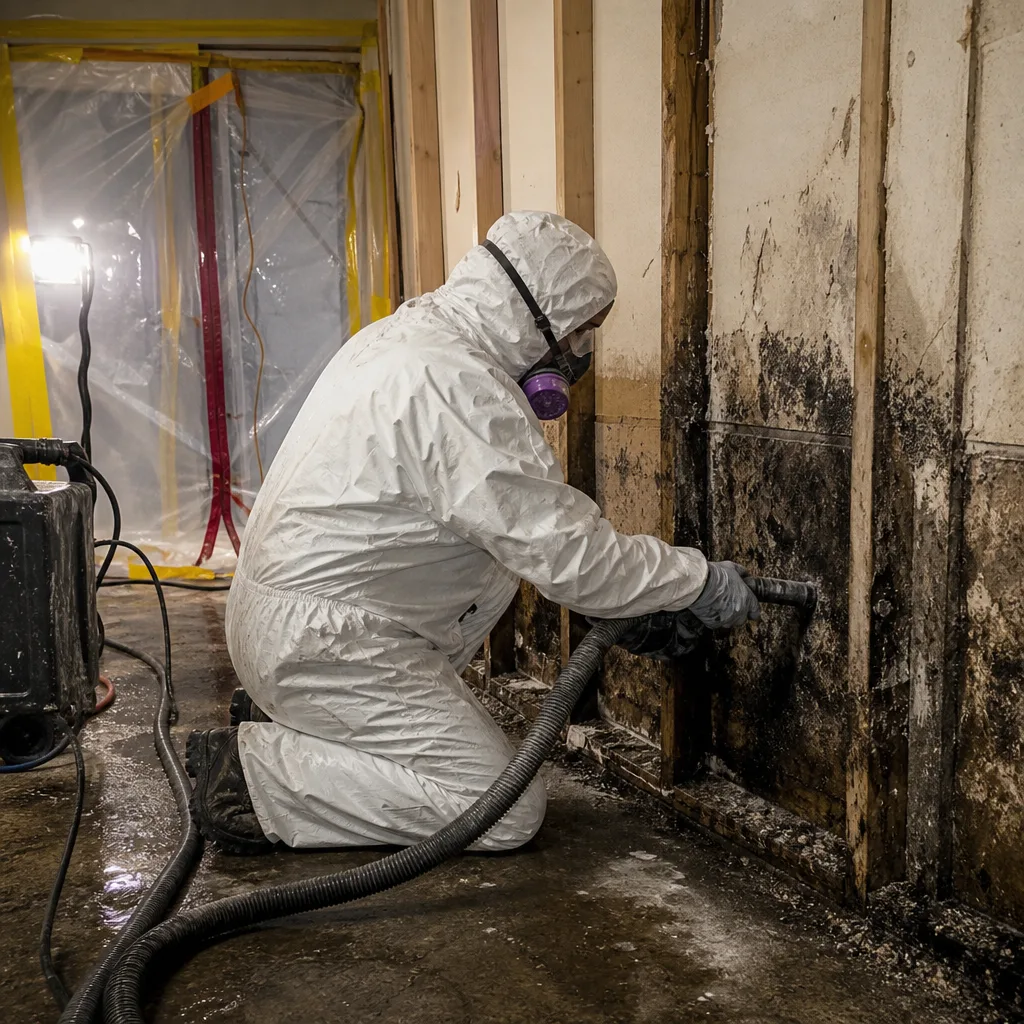
- Trusting surface feel in desert climate: North Las Vegas’s low humidity dries surfaces fast while trapping moisture in wall cavities. Always verify with a penetrating meter, not your hand.
- Renting the wrong dehumidifier: Consumer-grade units from hardware stores remove 30-50 pints daily. Professional LGR units from Dri-Eaz or Phoenix remove 100-130 pints at low grain conditions. The difference determines whether you reach drying goals or incubate mold.
- Skipping the drying goal calculation: IICRC S500 requires establishing targets before starting. Homeowners who “just run equipment until it seems dry” stop too early, every time.
- Not photographing the source and migration: Adjusters need to see where water came from and where it went. Photos of a dry room three days later don’t prove the initial loss scope.
- DIY on Category 2 or 3 water: Nevada health codes require specific disposal procedures for gray and black water. Homeowners who pump sewage to their yard or storm drain face fines from the City of North Las Vegas and personal liability if contamination spreads.
- Ignoring the 48-hour mold clock: In North Las Vegas’s summer heat, mold colonization can begin in 24-36 hours, not the 72 hours often cited for cooler climates. Delayed response turns Category 1 into Category 2 with mold complications.
- Failing to document equipment serial numbers: If your claim is questioned, “a dehumidifier” isn’t evidence. “Dri-Eaz LGR 7000XLi, serial 45821, deployed 6/14/2025 at 0800” is.
When to Call a Professional
Call immediately when water has penetrated walls, ceilings, or floors; when the source is Category 2 or 3; when mold is visible; when fire or smoke damage is present; or when you intend to file an insurance claim and need documentation that will survive adjuster review.
DryMark Restoration North Las Vegas offers free estimates in North Las Vegas. Our live person answers every call, 24 hours a day, 7 days a week - no voicemail trees while water is still moving. We provide a written price before any work starts, every time, with no exceptions. Call (725) 726-3239.
Frequently Asked Questions
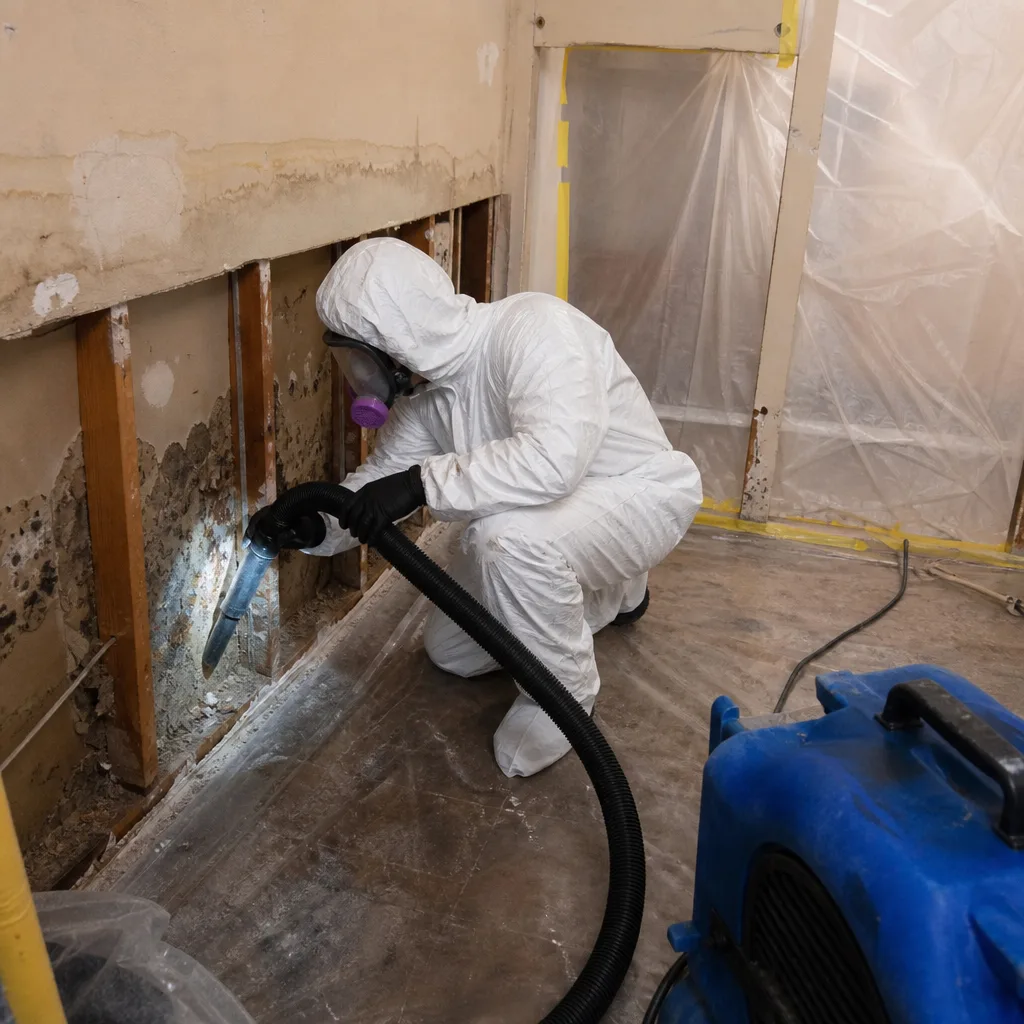
You can file, but your claim for secondary damage may be denied without documentation proving work met IICRC S500 standards. Insurers increasingly require daily moisture logs, psychrometric data, and photo records. If you DIY, produce those records or accept the risk of denial. Call (725) 726-3239 for a free estimate - our documentation is included on every job.
Our live dispatch answers immediately, and emergency crews typically arrive within 60-90 minutes for water damage calls in North Las Vegas, Aliante, Eldorado, and Centennial Hills. Speed matters because mold colonization accelerates in our heat. For reconstruction work, we schedule after written scope and pricing, not as an emergency dispatch.
Most policies cover “reasonable and necessary” mitigation to industry standard, which means documented IICRC S500 compliance. Our daily drying logs, photo records, and written scopes are designed for direct adjuster acceptance. We coordinate directly with your adjuster and provide the documentation that turns our invoice into a payable claim.
Nevada requires professional remediation for visible mold exceeding 10 square feet. Beyond the legal threshold, surface cleaning misses hidden colonization in wall cavities. Our mold assessments include air sampling and moisture mapping to locate sources you can’t see. Mold Remediation in North Las Vegas requires this documentation for any subsequent claim.
Consumer dehumidifiers typically achieve 55-60% relative humidity. Professional LGR units from Dri-Eaz or Phoenix achieve 30-40% relative humidity, creating the vapor pressure differential that pulls moisture from deep within structural materials. The difference isn’t convenience - it’s whether your studs actually dry or just feel dry.
Use a penetrating moisture meter on baseboards, outlets, and floor trim. Readings above 15% on wood or 1% above dry standard on drywall suggest cavity penetration. Visible staining, swelling, or a musty odor also indicate hidden moisture. When in doubt, professional moisture mapping with thermal imaging reveals what surface inspection cannot.
The Bottom Line
The DIY-professional decision in damage restoration isn’t about your capability. It’s about your risk tolerance for documentation failure. For more guides & resources on protecting your home, visit our blog. North Las Vegas homeowners can handle surface tasks safely. Structural drying, contamination, and any insurance-dependent work requires the moisture logs, psychrometric data, and photo records that define professional standard. The cost difference between DIY and professional mitigation is often smaller than the cost of a single claim denial. At DryMark Restoration North Las Vegas, we built our company around ending that gap - with written prices before work starts, documented records on every visit, and a 365-Day Done Right Promise that gives your claim the foundation it needs.
Written by Alicia Brennan, Owner at DryMark Restoration North Las Vegas, serving North Las Vegas since 2011.